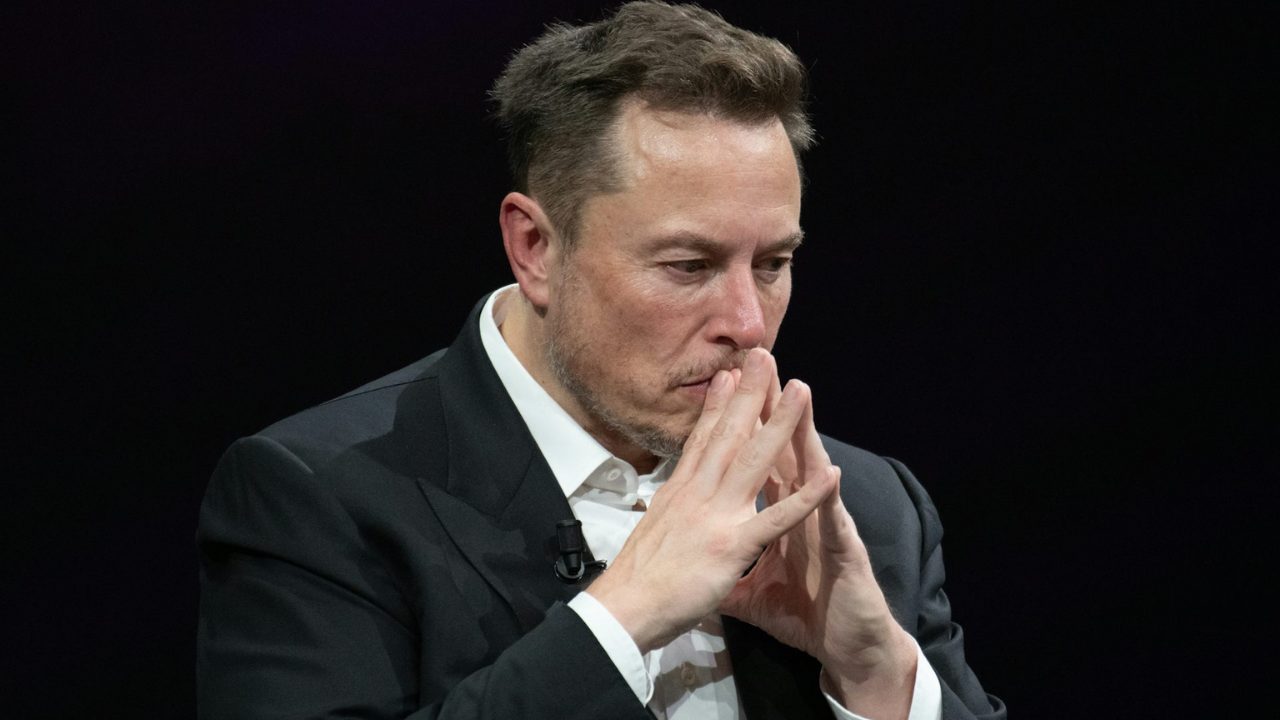
Tesla Lost $15.4B in Brand Value in 2025 as Musk’s Politics Drove Buyers Away
Something broke inside Tesla that no software update can fix. The batteries still work. The motors still work. The self-driving suite still works. The cars still work. Owners still love them, with loyalty climbing to 92% in 2025.
When Brand Finance released its Global 500 report in late January 2026, the number landed like a brick through a showroom window: $15.4 billion in brand value, gone in twelve months. A 36% collapse. Third straight year of decline. The product survived. The brand didn’t.
The Salute That Started the Spiral
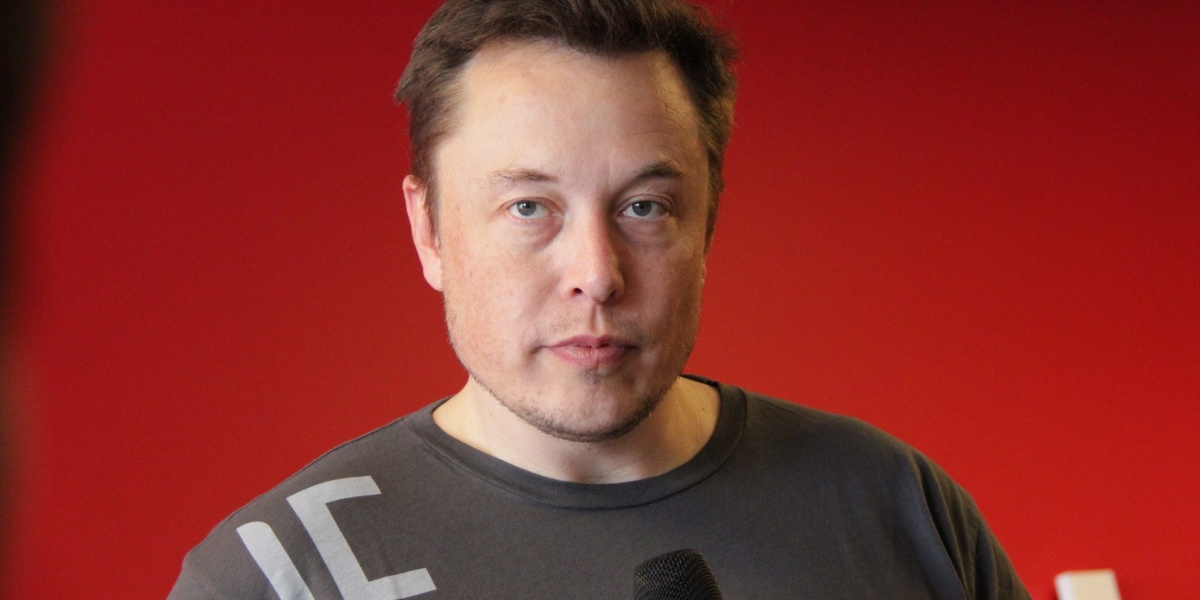
On January 20, 2025, Elon Musk made a gesture at a Trump inauguration celebration that multiple German publications, Jewish organizations, and other groups all interpreted the same way: a banned salute. European political parties demanded Musk be banned from entering their countries.
In Germany, where that gesture carries criminal penalties, Tesla registrations fell 48% over the following year. That single raised arm preceded the worst twelve months in Tesla’s commercial history, and the timing was not coincidental. A global survey of 26,000 EV drivers was already underway.
Buyers Named Their Reason
That Global EV Alliance survey delivered the verdict: 41% of EV drivers worldwide said they would avoid Tesla specifically because of Musk’s political associations. In the United States, just over 50%. In Germany, just over 50%. In Norway, 43%. This was specific. Buyers named the problem. Brand Finance CEO David Haigh confirmed it, citing “Musk’s overreach into geopolitics” alongside aging models and high prices.
Most people assumed declining sales meant a bad product. Tesla’s 92% owner loyalty proved otherwise. The brand was toxic. The cars were fine.
“Big Investments for an Epic Future”
Late January 2026. The Q4 earnings call. Tesla’s global deliveries had fallen 8.6% from 2024 to 1.64 million vehicles. In Europe, full-year registrations dropped roughly 28% as Chinese and legacy competitors undercut Tesla’s prices. And Musk stepped to the microphone: “We’re making big investments for an epic future.” The investment: a planned record of around $20 billion in capital expenditures for 2026 and beyond, nearly double the approximately $9 billion spent in 2025.
The target: Optimus humanoid robots and autonomous Cybercabs. The company pursued more than cars: robots. While the car business bled out in key markets, the CEO doubled the bet on machines that, for now, generate zero revenue.
The Hidden Mechanism
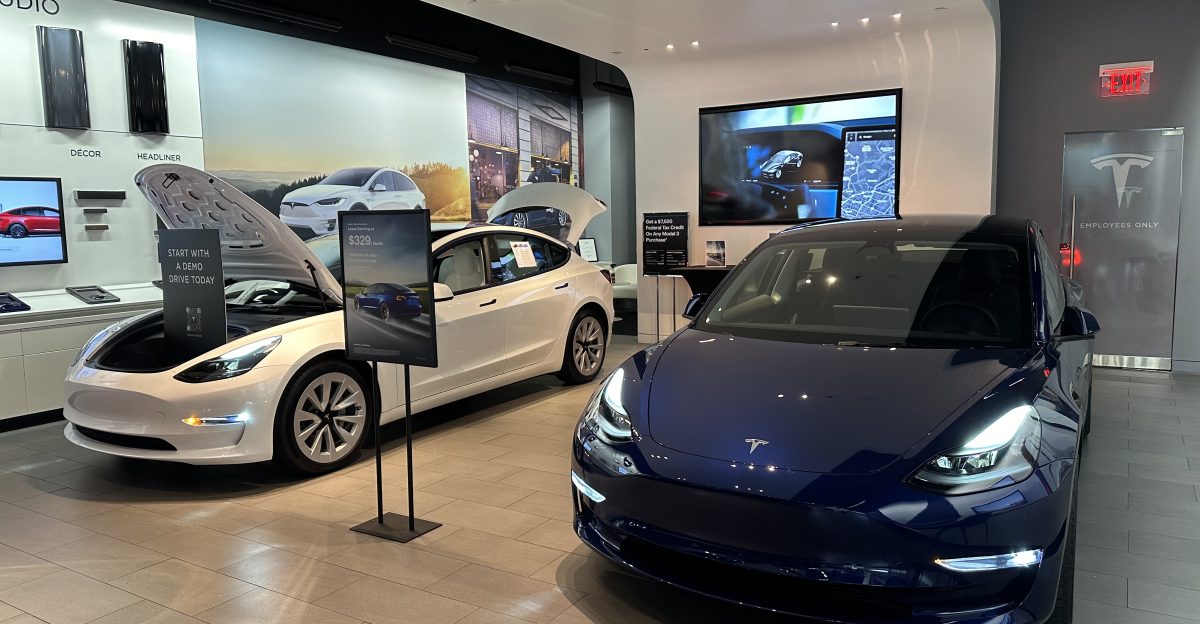
Brand Finance identified a three-part failure engine: no new mass‑market model since Model Y launched, pricing power eroding as competitors undercut Tesla, and a CEO whose public identity shifted from sustainable‑energy visionary to political operative. At the same time, the phase-out of key federal EV incentives and rising borrowing costs raised the effective price of many electric vehicles in the United States. Average new-vehicle prices climbed in early 2026, and EVs remained significantly more expensive than comparable gasoline models; EV transaction prices hovered around the low-$50,000 range.
Total U.S. new EV sales were down more than 25% year‑over‑year in early 2026, according to Kelley Blue Book. The structural disadvantage compounded the reputational damage into something approaching free fall.
The Numbers That Buried the Narrative
Tesla’s recommendation score tells the whole story: 4.0 out of 10. Down from 8.2 just over two years earlier. That is a 42‑point collapse on a 100‑point scale. Satisfied owners who actively refuse to tell friends and family to buy the same car. Think about that. Q4 2025 net income dropped 61%. Operating margin was about 5.6% for Q4 2025. Global sales fell to 1.64 million vehicles, down 8.6% from 2024.
Across much of 2025, multiple months showed declining year‑over‑year sales. The Cybertruck contributed only a fraction of Tesla’s total “Other Models” volume of 50,850 vehicles in 2025, far below the company’s early ambitions for its first electric pickup.
The Competitors Who Showed Up
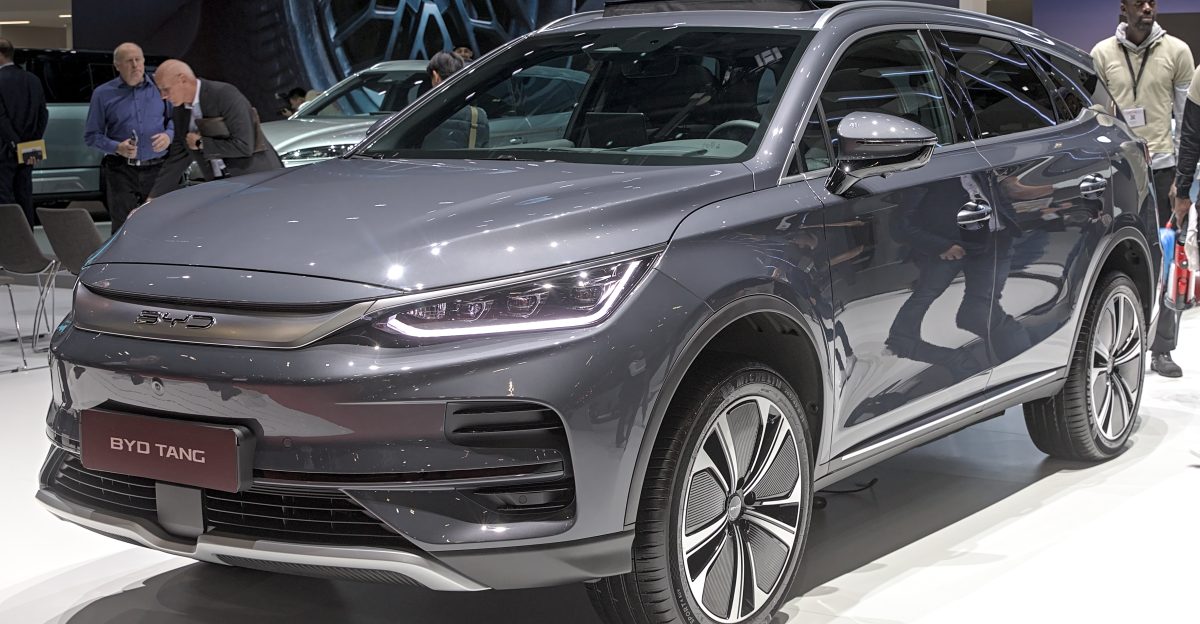
BYD sold about 2.26 million battery electric vehicles in 2025, surpassing Tesla as the world’s largest BEV maker by annual sales. Volkswagen and its brands moved well over a quarter‑million EVs in Europe alone, overtaking Tesla’s roughly 235,000 registrations there as they grew volumes more than 50% in some markets. In the UK, new data showed Tesla’s January 2026 registrations plunging 57% year‑over‑year as Chinese rivals including BYD nearly doubled or more than doubled their volumes.
The company that forced Detroit to electrify was now being outsold by the legacy manufacturers it once humiliated. Model S and Model X output at Fremont is gradually being wound down as Tesla reallocates capacity toward newer products and, ultimately, toward Optimus-related manufacturing.
The Precedent Nobody Wants to Name
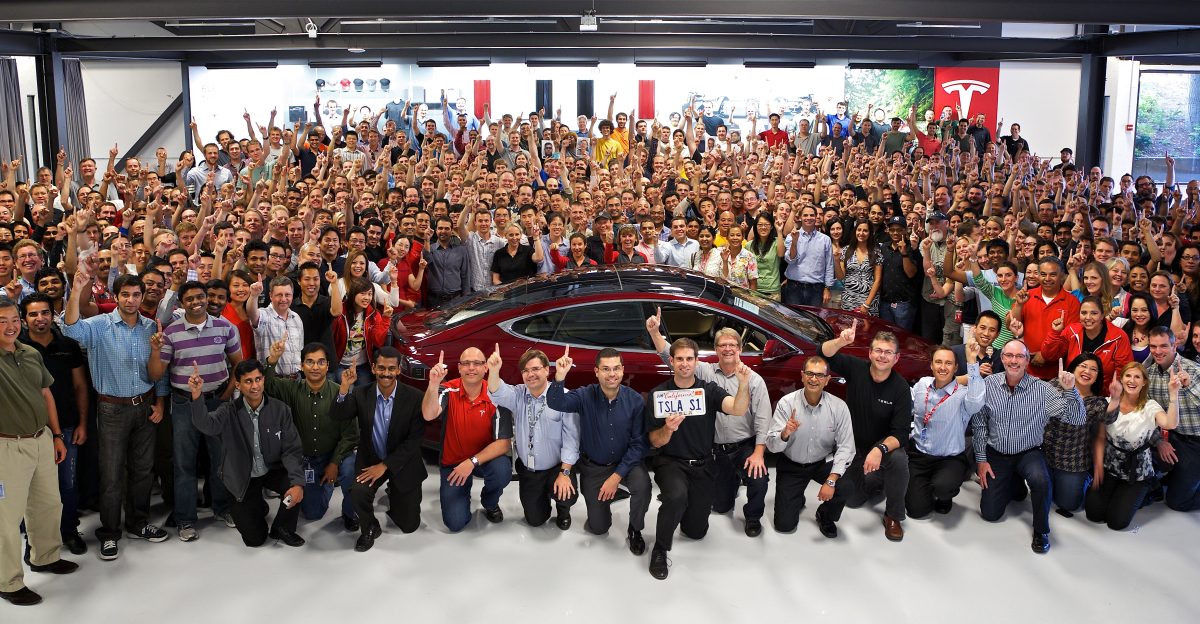
No other major global auto or technology brand in the Brand Finance Global 500 has suffered a $15‑plus‑billion single‑year brand value loss outside of crisis or restructuring. This marks the historical record.
This pattern reframes everything: Tesla’s $20 billion‑plus pivot to Optimus and Cybercabs reads less like pure innovation and more like an escape hatch. Robots and autonomous vehicles can be licensed. They can be sold to fleets. They do not require millions of individual consumers to proudly put a logo in their driveway.
The Dominoes Still Falling
DOJ‑released Epstein files revealed that Elon Musk and Jeffrey Epstein exchanged emails in 2012 and 2013. News of those communications circulated widely in late January 2026, and Tesla stock fell roughly 8% over the following days as investors digested the revelations alongside the earnings report. That episode landed in the same news cycle as the Brand Finance downgrade and the Q4 call.
Rivian, Lucid, and every founder‑led EV startup now face heightened investor scrutiny on founder control and reputational risk. If their leaders make controversial public statements, the punishment will arrive faster than it did for Tesla. Tesla had first‑mover protection. Nobody else does.
The Only Recovery Path
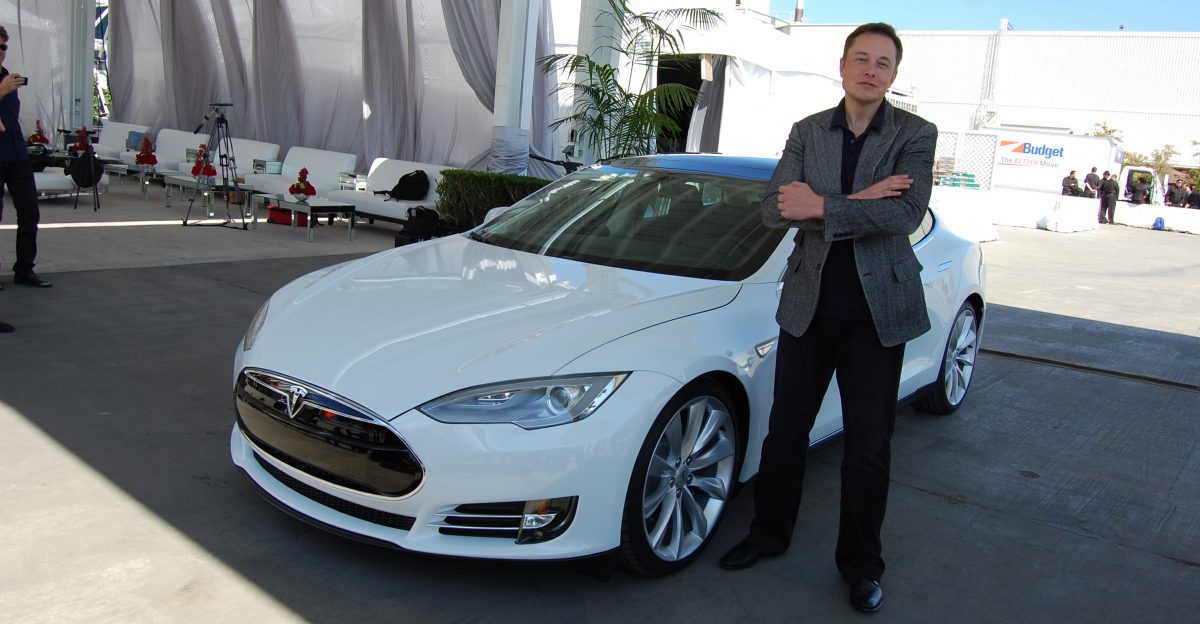
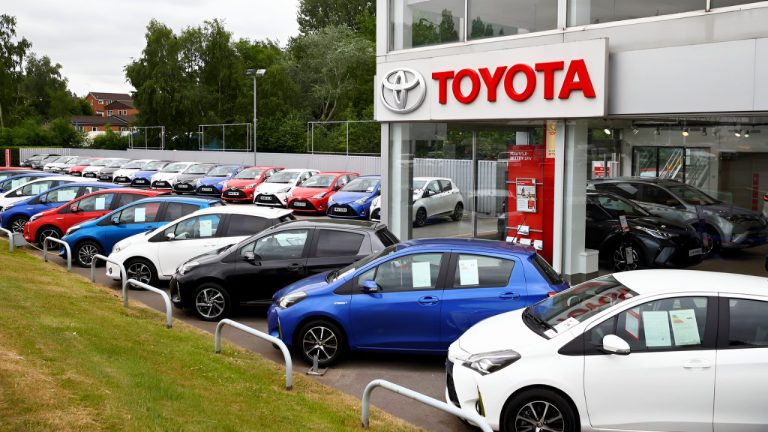
Tesla carries a market capitalization that, in early 2026, is still several times larger than Toyota’s, despite selling roughly one‑sixth to one‑seventh as many vehicles. That valuation rests heavily on technology—Optimus, full self‑driving, and robotaxis—that does not yet produce meaningful revenue. If Optimus fails to deliver and the automotive business keeps hemorrhaging market share, the board faces a choice it has so far refused to make.
The only recovery path many analysts can identify requires Musk to retreat from day‑to‑day operations while a new CEO rebuilds the brand without political baggage. Musk’s political ambitions suggest that retreat is unlikely. The founder built the moat, then destroyed it.
Sources:
Brand Finance – Global 500 2026 report coverage (e.g., Tesla brand value fell 36% to $27.61B, three-year decline, loyalty and recommendation scores) – January 26–27, 2026
Tesla Investor Relations – Tesla Fourth Quarter 2025 Production, Deliveries & Deployments / Q4 and FY 2025 earnings materials (global deliveries 1.64M, net income down ~61%, operating margin ~5.6%, capex guidance, product mix) – January 1–28, 2026
Global EV Alliance / survey coverage (Times of India, Yahoo Finance) – “41% of EV drivers would avoid Tesla over Musk’s politics” (including U.S., Germany, Norway breakouts) – November 17–20, 2025
German and European registration data (KBA, Reuters, Electrek, regional EV sites) – Tesla Germany registrations down 48% in 2025, Europe registrations down ~28%, competitive gains by VW and BYD – January–February 2026
DOJ / Epstein file coverage (CNBC, Fortune, Time) – Musk–Epstein email timeline, November 2013 “wildest party on your island” email, late-January 2026 release and market reaction – January 29–30, 2026
Kelley Blue Book / Cox Automotive reports – U.S. EV market conditions (EV transaction prices around low-$50,000 range, new EV sales down more than 25% year over year in early 2026) – February–March 2026