Tesla Is Mass-Producing a $30K Car With No Steering Wheel That Can’t Legally Be Sold
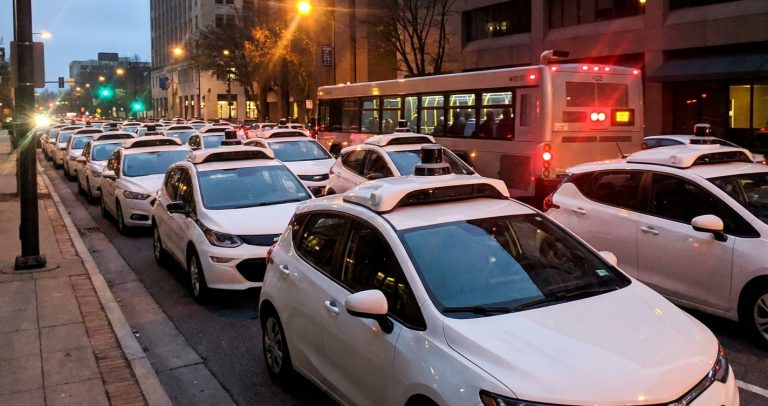
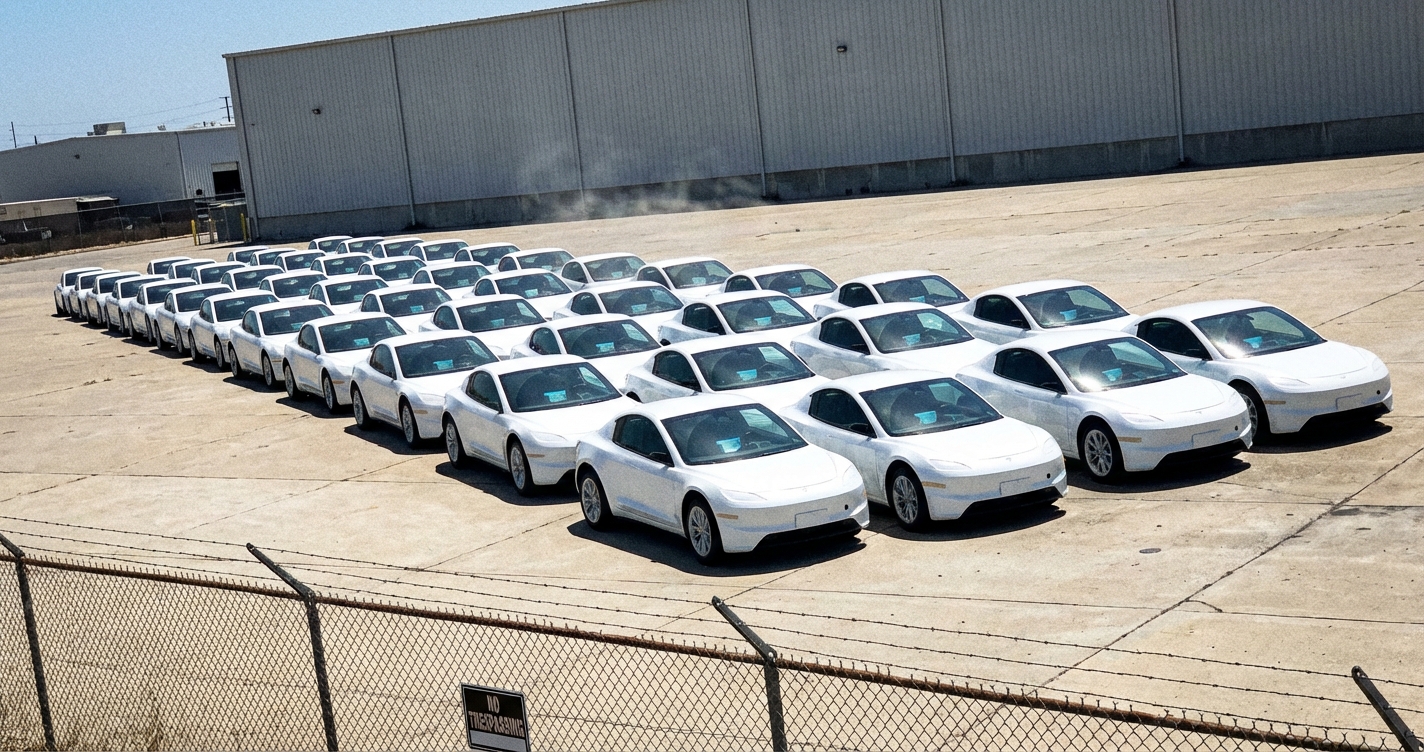
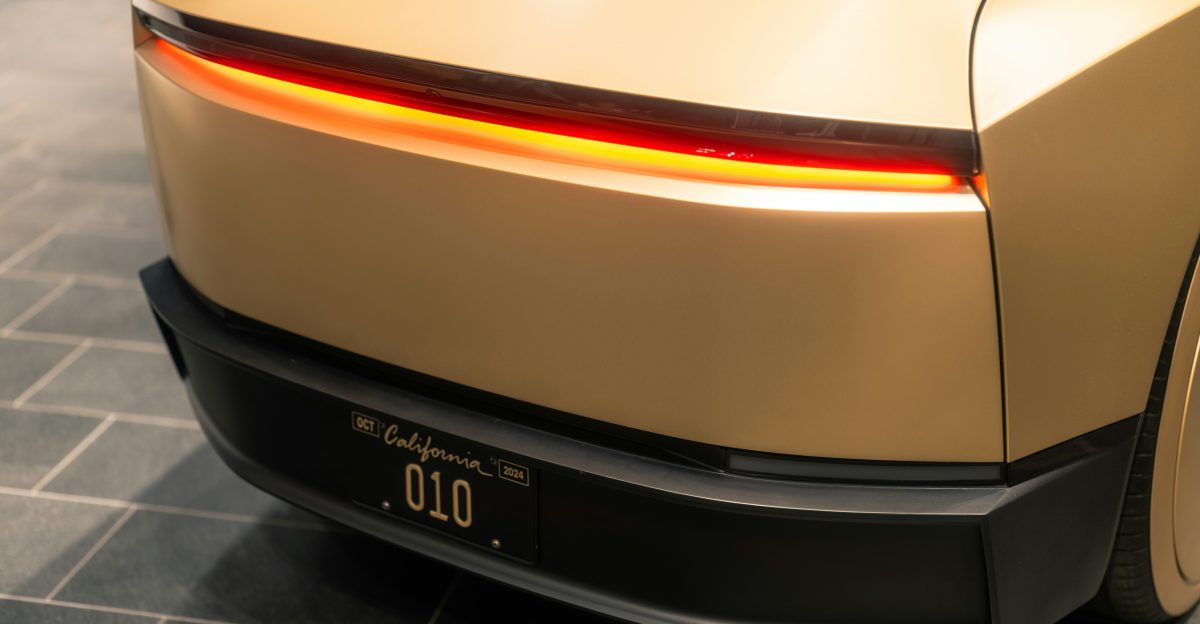
Somewhere inside Giga Texas, a production line is stamping out a vehicle that no human being can legally buy off the lot. No steering wheel. No pedals. No fallback. Drone footage from March 25, 2026, captured more than 36 Cybercab units scattered across the facility: 12 in the outbound lot, 11 at the factory exit, roughly 12 more at the crash-testing area. Tesla’s factory is building cars faster than federal regulators can figure out whether they’re street-legal for consumers. The first unit rolled off the line roughly six weeks ahead of the company’s original April mass-production target.
Six Weeks Early, Zero Consumer Approvals
That first Cybercab came off the line in mid-February 2026. Tesla’s mass-production target was April. The company produced its first unit about a month and a half ahead of that deadline, though full-scale production has not yet begun. By early March, 25 units were visible. By late March, 36-plus. Staffing surged. Equipment installations accelerated throughout February and March. Meanwhile, NHTSA has not approved a single steering-wheel-less vehicle for consumer sale under Federal Motor Vehicle Safety Standards. Tesla built the factory before anyone built the rulebook.
The Promise vs. the Parking Lot
Elon Musk told investors the production ramp would follow an S-curve: “Initial production is always very slow…eventually end up being insanely fast.” That framing sounds reasonable until you do the arithmetic. Thirty-six units in roughly six weeks equals approximately six vehicles per week. The production line is engineered for hundreds per week, according to a Wall Street Journal report. That gap between six and hundreds is either the steepest manufacturing ramp in automotive history waiting to happen, or a promise outrunning the assembly line. April’s mass production start should answer that question with a countable number of units.
The Car That Drives Itself or Doesn’t Drive

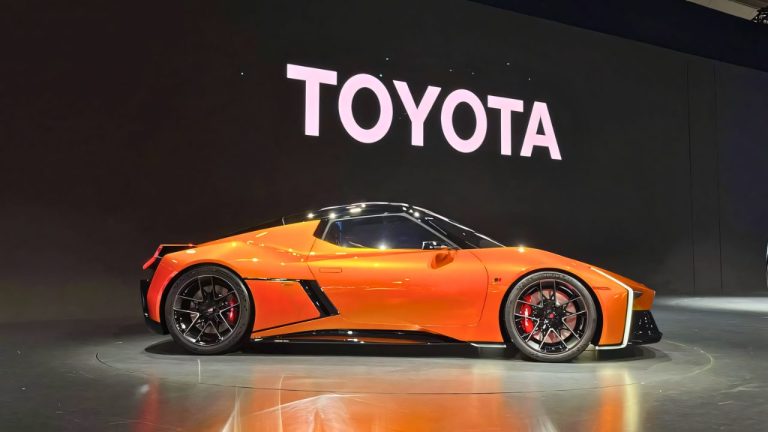
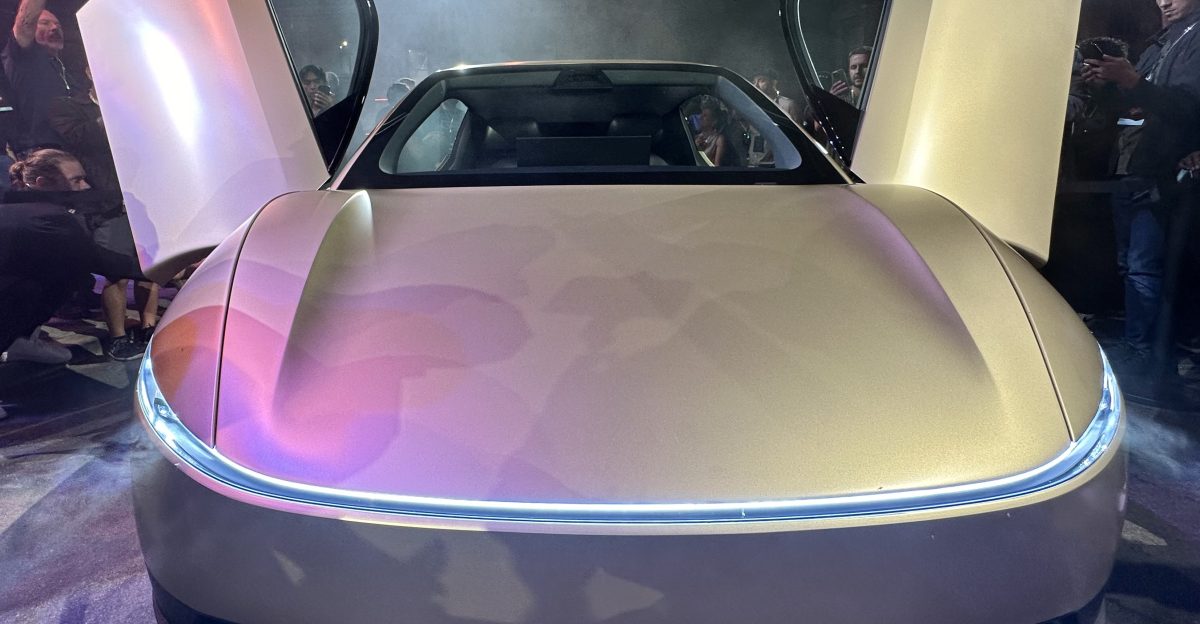
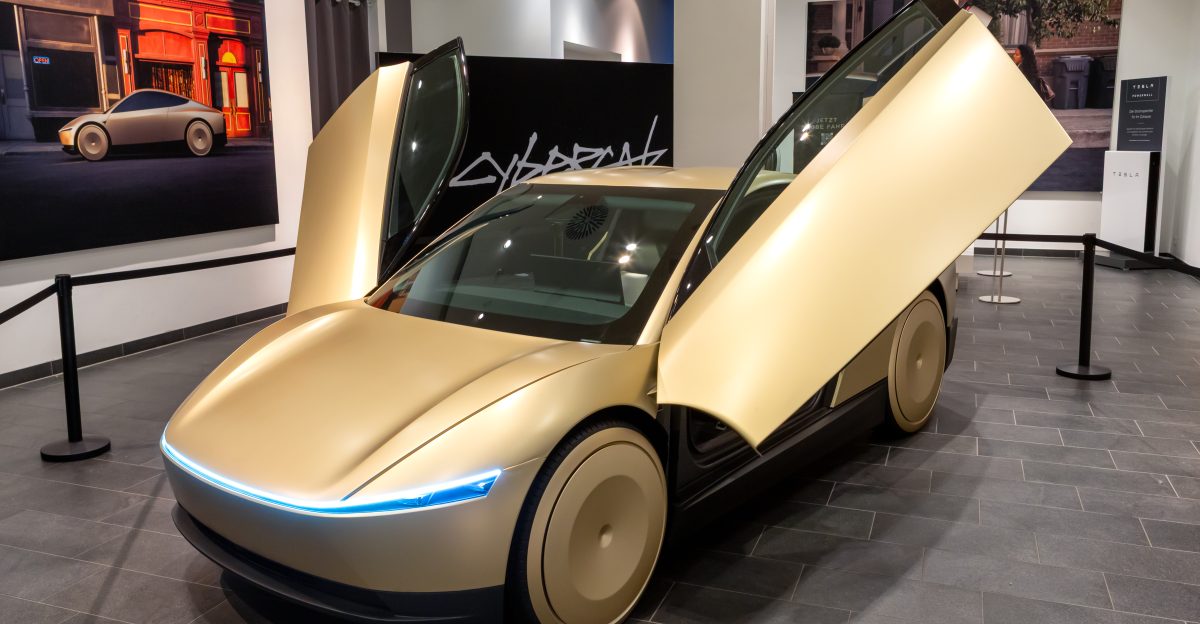
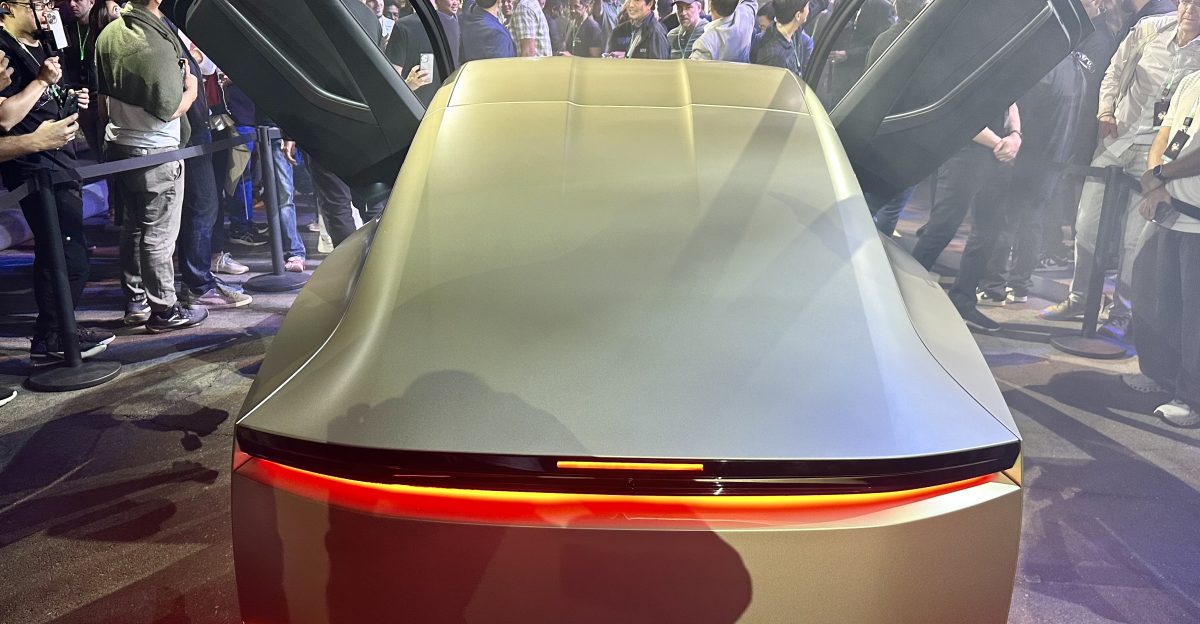
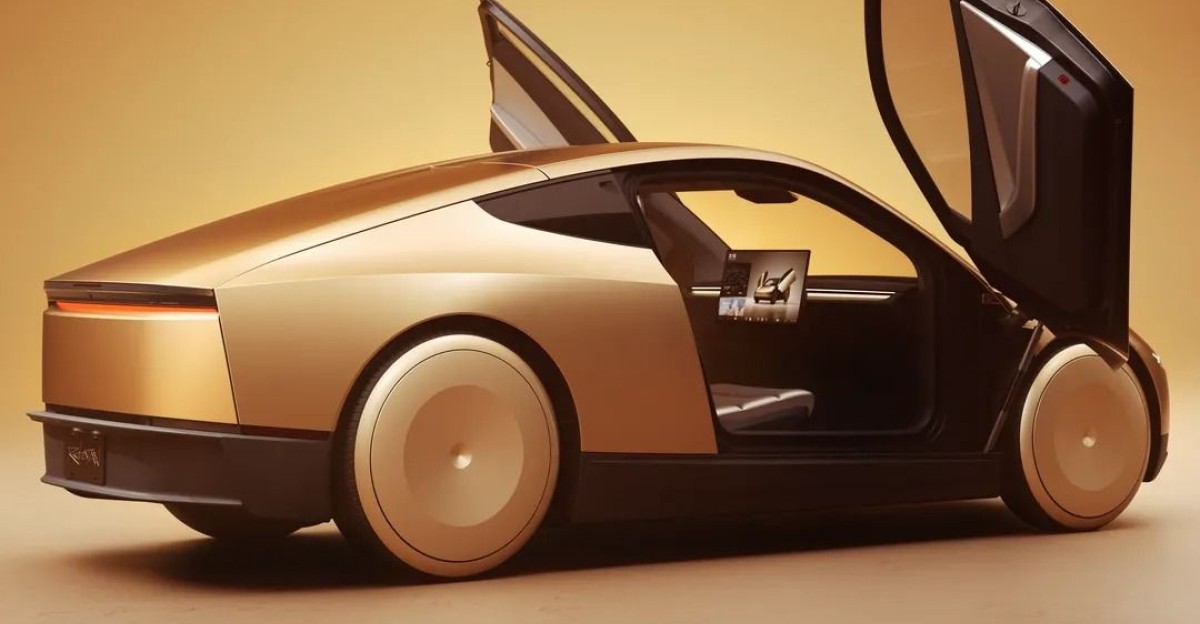
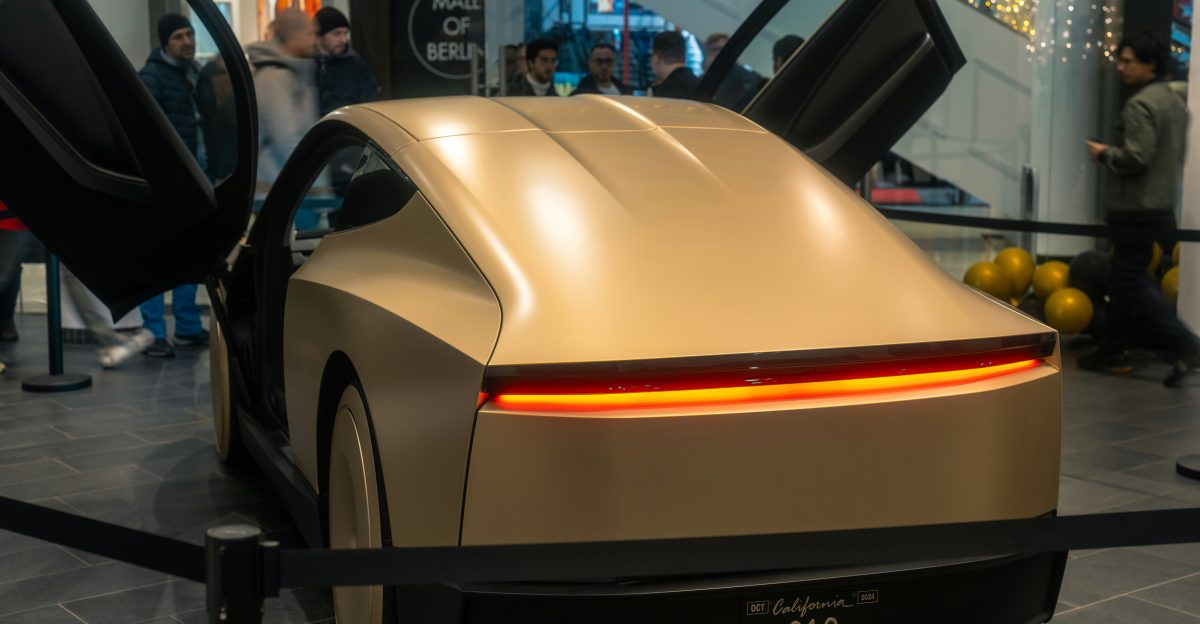
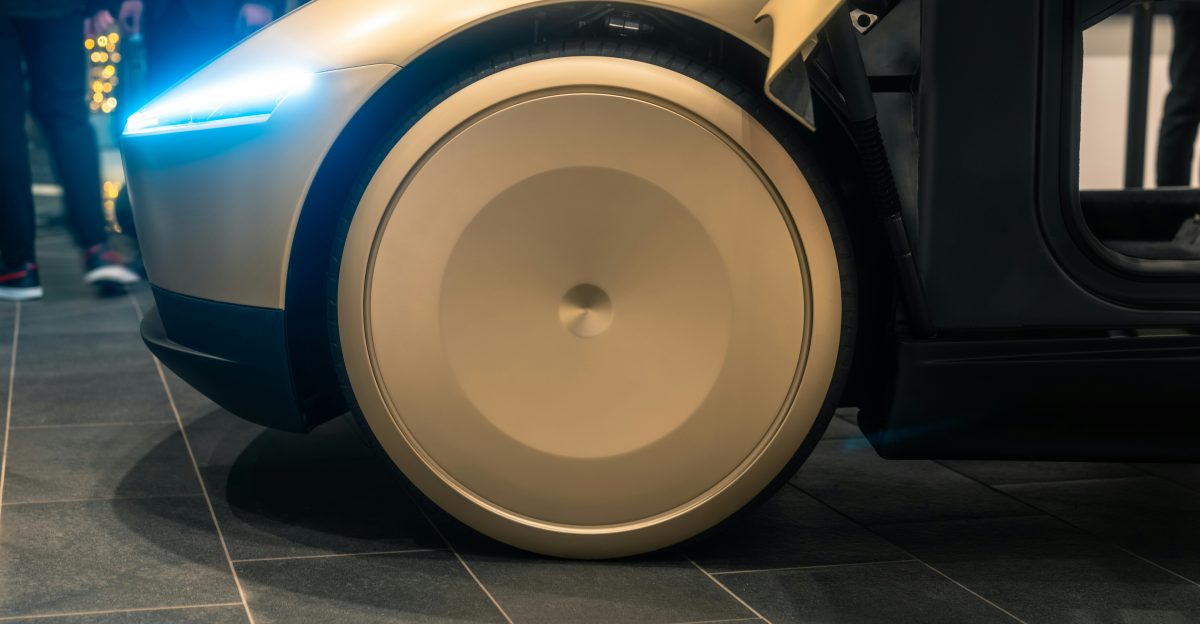
Musk said it plainly: “There’s no fallback mechanism here. Like this car either drives itself or it does not drive.” That sentence defines the entire Cybercab bet. Two seats. A large center display where a steering column should be. Cameras providing 360-degree vision. Redundant computing platforms running in parallel. An estimated 35-kWh battery pack. Roughly 200 miles of range. And a price tag of under $30,000, confirmed by Musk himself in February 2026. The vehicle is significantly smaller than a Model Y. Purpose-built for one job: moving people without a driver.
The Fleet-First Strategy
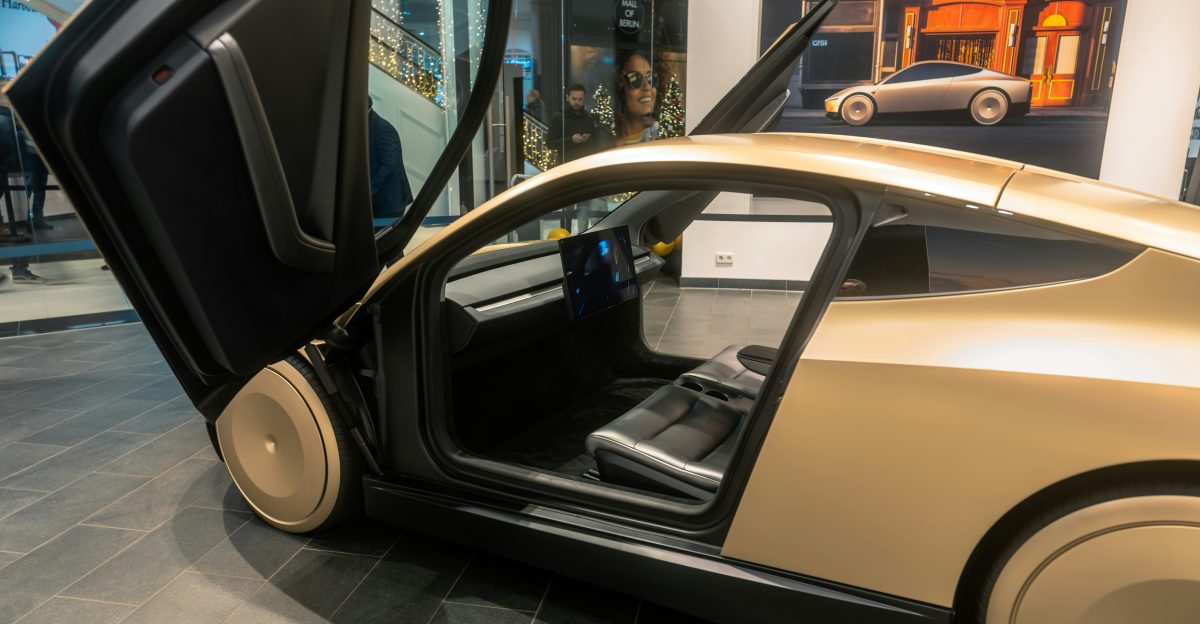
Federal rules require consumer vehicles to have steering wheels and pedals. Tesla’s apparent strategy bypasses that for now. Deploy Cybercabs as commercial fleet vehicles first—where FMVSS consumer requirements may not apply in the same way—then use real-world safety data to justify an eventual NHTSA exemption for retail sales. In June 2025, NHTSA streamlined the exemption process for vehicles without traditional driver controls, though no exemption has been granted to Tesla. The Cybercab is production-ready today, but legally barred from consumer retail until NHTSA acts. Tesla chose to build the fleet, generate the telemetry, and let regulators catch up.
The Numbers Behind the Business Case
Tesla’s target operating cost: $0.20 per mile, according to Musk. Waymo charges roughly double that in comparable markets. AAA estimates the average American spends approximately $0.77 per mile to own a personal vehicle. If Tesla’s math holds, calling a Cybercab would cost a fraction of what it would cost to drive your own car. Tesla’s unboxed manufacturing process aims to significantly reduce structural component counts, targeting a faster production cycle than traditional assembly lines. The economics start becoming tangible when 36 vehicles are sitting in a parking lot.
Who Gets Disrupted
If Cybercab deploys at scale, the disruption extends beyond taxi medallions. Rideshare and taxi drivers globally could face displacement. Waymo’s cost structure could come under pressure. Traditional auto rental companies could face margin compression if fleet robotaxis generate better returns. Used car demand patterns could shift as fleet-deployed vehicles reduce individual ownership. Legacy automakers may accelerate autonomous partnerships. One sub-$30,000 vehicle could reorganize significant portions of the transportation economy.
The Safety Record So Far
Here is the number that reframes the discussion: Tesla’s autonomous system logged 14 crashes in approximately 800,000 miles of testing as of early 2026, according to NHTSA filings. That is roughly one crash per 57,000 miles. By comparison, Tesla’s own safety reports cite one crash per roughly 229,000 miles for Tesla drivers, though NHTSA’s broader national average is significantly better—roughly one reportable crash per 500,000 miles. By either benchmark, the Cybercab’s crash rate needs substantial improvement before matching human baselines. Early Cybercab deployments in Austin initially included safety monitors, though Tesla began operating some without them as of January 2026. Service availability was reported at approximately 19% as of mid-February 2026. Tesla needs meaningful improvement in software safety to match human driving benchmarks.
The Installed Base Advantage
The 36 Cybercabs are not the only story. Tesla vehicles built since late 2023 run HW4 hardware that Tesla says can deliver Cybercab-level autonomy via software updates. That installed base numbers in the millions globally. Tesla is not just competing with 36 units—it has an ecosystem in which many existing cars could, in theory, join an autonomous fleet. No competitor has a comparable installed base of hardware-ready vehicles.
The Road Ahead
Tesla has discussed targets of millions of Cybercabs annually across multiple factories in the long term. Fleet operations in Austin are already underway, with expansion into San Francisco expected. Consumer sales are targeted before 2027, according to Musk. International rollout would follow. Standing in the way: a crash rate that still trails human averages, regulatory exemptions still pending, and labor concerns about displacement. Waymo, meanwhile, is accelerating its own expansion into additional markets.
Sources:
Teslarati, “Tesla Cybercab production line is targeting hundreds of vehicles weekly,” March 11, 2026
Teslarati, “Elon Musk confirms Tesla Cybercab pricing and consumer release date,” February 17, 2026
PCMag, “Tesla Robotaxis Recorded 5 Crashes in January, Taking Total to 14 in Austin,” February 18, 2026
Fortune, “By Tesla’s own math, it reveals that its robotaxis are 4x worse at driving,” February 25, 2026
NHTSA, “U.S. Transportation Secretary Sean P. Duffy Streamlines Exemption Process,” June 12, 2025
Electrek, “Tesla ‘Robotaxi’ status check 8 months in: a complete joke,” February 16, 2026