California Diesel Breaks the $7 Barrier as Food and Freight Costs Surge
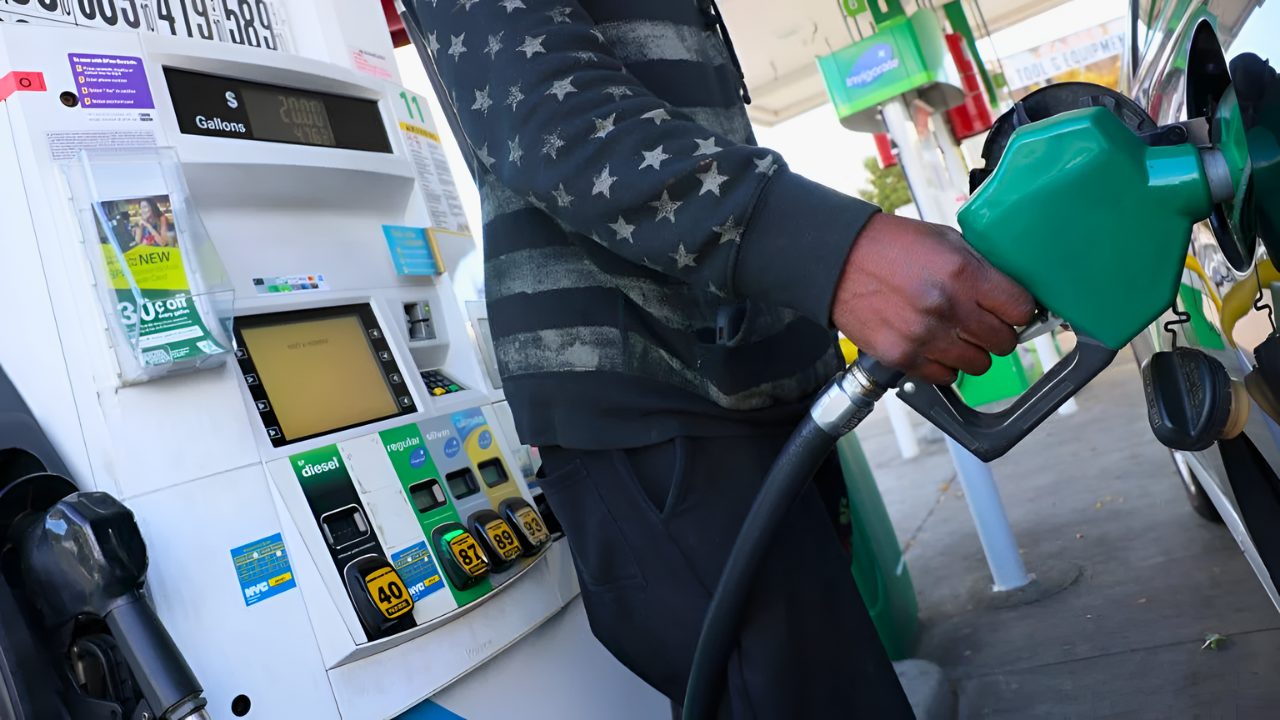
The number on the pump reads $7.018. For millions of California drivers who already felt squeezed, that figure landed on March 25, 2026, like a gut punch with a receipt attached. No U.S. state has ever posted a diesel average above seven dollars. California just did. And the cruel part is that the pump price, as brutal as it looks, only tells the first chapter of what this crisis costs. The second chapter arrives at the grocery store. Most families will not see that bill coming for months.
Two Shocks, One State
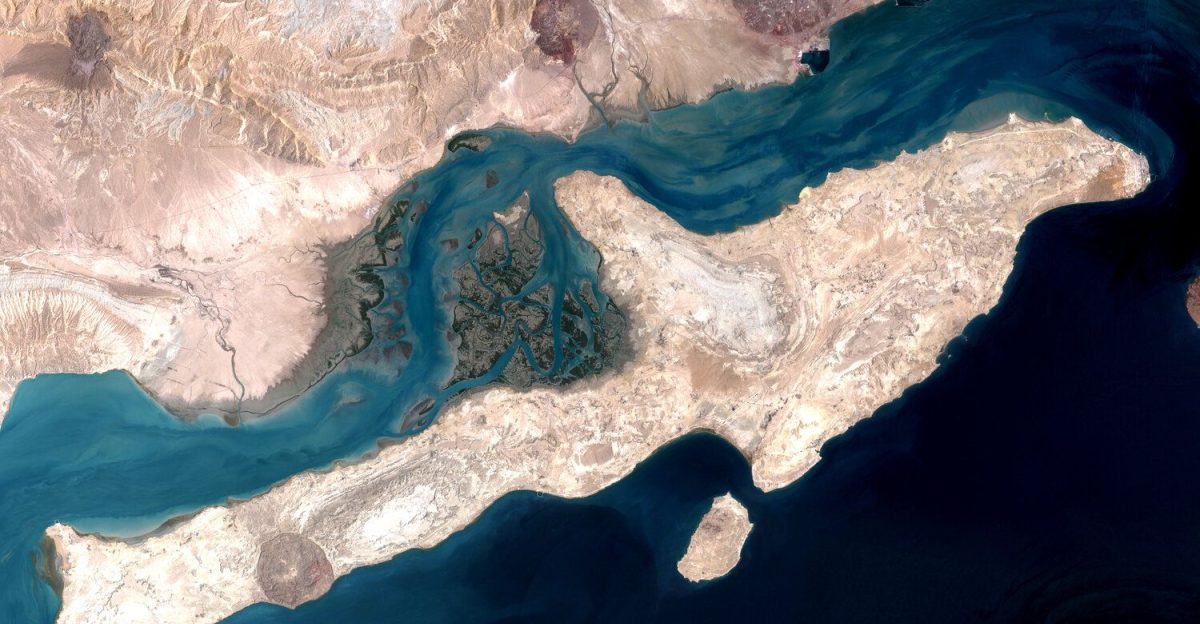
This record did not come from one disaster. It came from two hitting simultaneously. Iran’s closure of the Strait of Hormuz choked off roughly 20 million barrels per day, one fifth of the world’s oil supply. Commercial shipping through the Strait dropped 70 percent.
Meanwhile, California lost two refineries in five months: Phillips 66 Wilmington, 139,000 barrels per day, closed in December 2025, and Valero Benicia, 145,000 barrels per day, was scheduled to shut in April 2026. Twenty percent of the state’s refining capacity, gone. National diesel surged past five dollars a gallon by mid March, still more than one dollar and seventy cents below what California drivers were paying at the pump.
The Refinery Squeeze Nobody Noticed
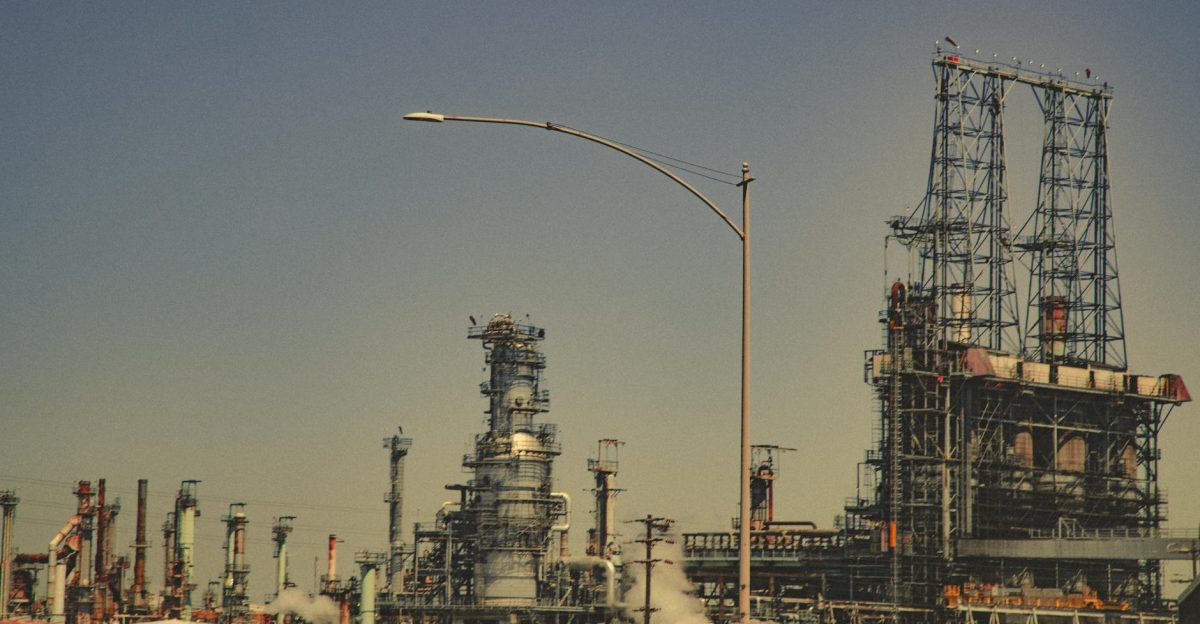
Most people blame environmental regulations for California’s gas prices. The reality is more uncomfortable. The state’s refinery count fell from 17 in 2001, a decades long decline that started years before major climate policies took effect. What those regulations did accomplish was accelerate consolidation.
Three companies, Chevron, Marathon, and PBF, now control 90 percent of California’s remaining refining capacity. That concentration forced the state to dramatically increase crude imports through shipping lanes that now run past a war zone.
The Rule That Was Built for This Moment
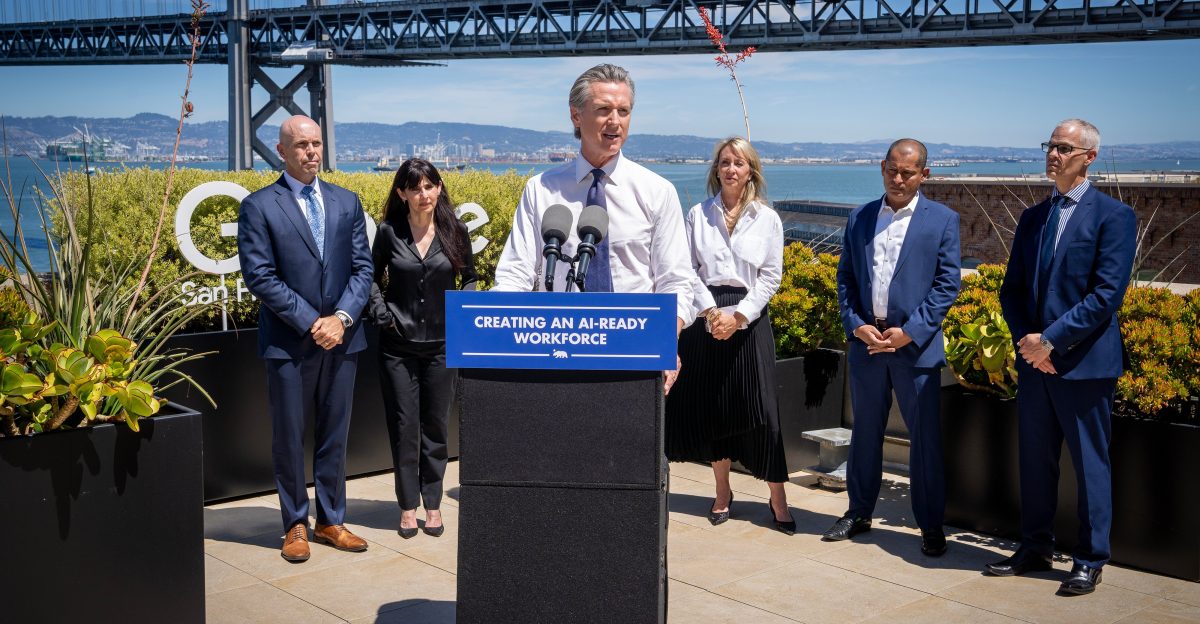
In 2023, Governor Newsom signed a profit cap regulation designed to protect consumers during exactly this kind of oil crisis. “California took on Big Oil and won,” he declared. Then his administration suspended the rule. Energy Commission Vice Chair Siva Gunda delayed implementation for five years, citing “investor confidence” in the refining industry.
The rule sits dormant until 2030. The crisis arrived in 2026. Three companies control 90 percent of supply. Consumer protections frozen. Imports routed through a war zone. The outcome was locked in before the first barrel stopped flowing.
How Three Companies Set the Price
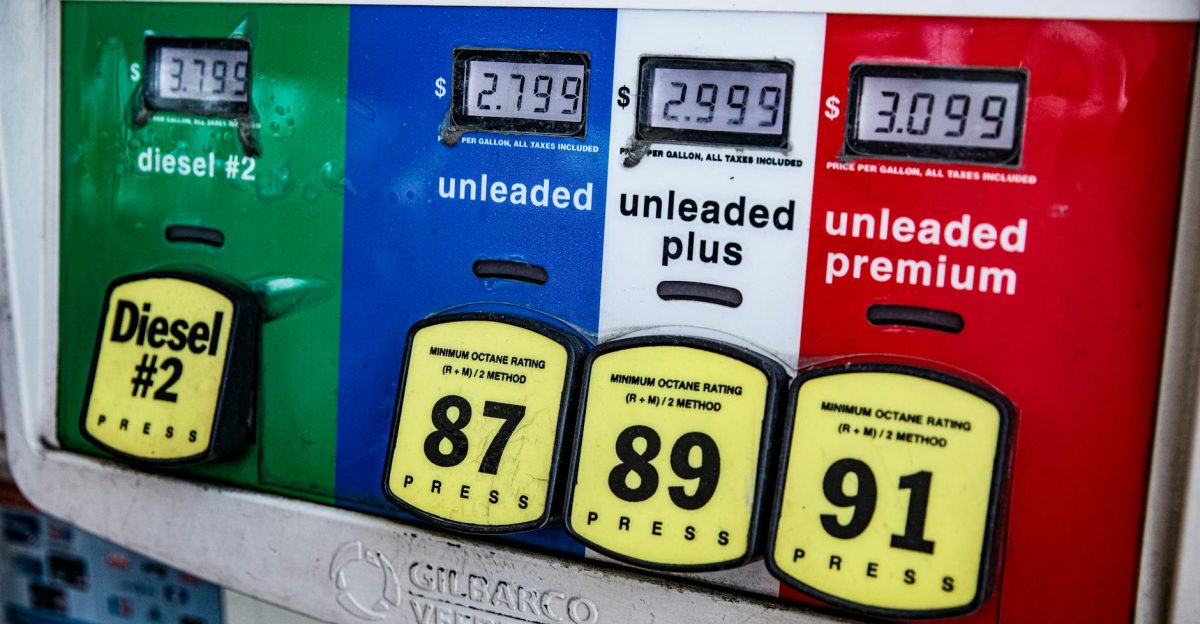
When three refiners control 90 percent of a state’s fuel supply, pricing works differently. California’s petroleum market carried an unexplained premium over the national average for a decade, costing drivers 59 billion dollars at the pump, an overcharge consumer advocates say was never fully explained. Nobody fully explained where that money went.
Now add a global supply shock on top of that structural markup. With the state average already past seven dollars, analysts had warned as far back as 2025 that select Los Angeles stations could breach eight dollars a gallon, a threshold the current crisis has brought within reach. Select stations in high cost areas approached historic highs not seen even during the 2022 price shock. Goldman Sachs described the Hormuz disruption as triggering the largest supply shock in the history of the global oil market, projecting cumulative crude production losses of 800 million barrels. The oligopoly did not create the war. It just made sure California felt it worst.
The Numbers Behind the Pain

Brent crude traded near 100 to 106 dollars a barrel by late March, up from a pre war projection of 77 dollars. United States drivers collectively faced billions in additional monthly fuel costs, a burden that falls disproportionately on lower income households with no ability to absorb the shock. In lower cost states like Alabama, where fuel consumption is high and electric vehicle adoption is low, the pump hit landed even harder per household.
Fuel typically represents 20 to 30 percent of trucking operating costs, and the industry had been expecting a recovery in the second quarter of 2026. That recovery evaporated. Goldman Sachs raised its U.S. recession probability to 30 percent, while JPMorgan put the odds even higher at 35 percent, and the Federal Reserve paused its 2026 rate cutting cycle entirely, with market expectations for cuts pushed back to October at the earliest.
The Grocery Bill You Have Not Seen Yet
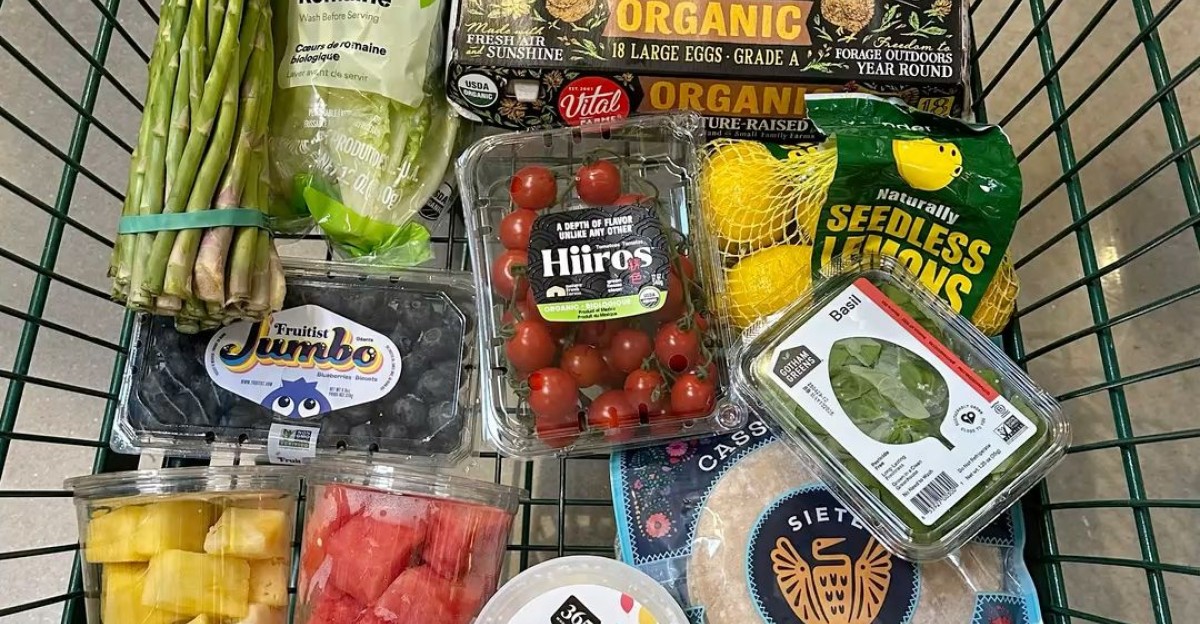
Diesel costs are surging now, and the next place you will see it is your grocery bill, within three to six months. That is the supply chain lag. Trucking companies absorb fuel surcharges into rate cards, retailers absorb those surcharges into contracts, and shelf prices adjust on the next quarterly cycle.
By summer, shoppers will see food prices jump and blame “inflation” without connecting it to a March diesel spike. Farmers face spring planting with doubled fuel costs. Fertilizer supply from the Middle East is disrupted. In Asia, refined fuel shipments have dropped sharply as regional buyers divert supply to cover shortfalls closer to the crisis zone.
A Trap California Built for Itself
Once you see the structure, you cannot unsee it. Environmental regulations consolidated refining into three companies. That concentration gave industry the leverage to lobby regulators into suspending profit cap protections. When crisis arrived, California had no local supply backup, no consumer price safeguards, and no import diversity beyond a single chokepoint. Record prices were not a surprise. They were predetermined by a decade of decisions that individually seemed reasonable and collectively built a trap.
Qatar’s damaged liquefied natural gas facilities need three to five years to repair. War risk insurance for Strait transits quadrupled, jumping from roughly 0.25 percent to 1 percent of hull value per week, with effective voyage costs pushing toward 2 to 3 percent for some operators, making commercial transit economically impossible for most fleets. This is not a temporary disruption.
What Falls Next
Sri Lanka implemented a four day workweek and remote learning to cut fuel consumption. Countries are rationing, not just adjusting prices. JPMorgan confirmed in March that “demand destruction has already begun,” and their analysts warned that standard elasticity models underestimate the damage because this crisis operates through physical shortage, not just price signals.
BlackRock’s Larry Fink framed the binary: “40 dollar oil or above 150 dollars. No middle ground.” If the Strait stays closed beyond six months, global recession enters consensus forecasts and second quarter earnings become a corporate reckoning.
The Knowledge Most People Do Not Have

Everyone will debate gas taxes and environmental rules. That argument misses the engine underneath. Three companies control 90 percent of California’s refining. The state suspended its own consumer protections to keep those companies happy. Imports now flow through a war zone. And the grocery price spike from this crisis has not even arrived yet.
Mexico is redirecting crude exports to its own refineries, hitting record low export levels. The Strategic Petroleum Reserve sits near its lowest point in decades. California’s Democratic gubernatorial candidates are proposing gas tax suspensions worth 61 cents a gallon, a band aid on a structural wound that took 25 years to open.
Sources:
“California Diesel Breaks the $7 Barrier as Food and Freight Costs Surge.” MSN, 2026.
“California Diesel Prices Top $7 a Gallon to Hit Record High.” Bloomberg, 24 Mar 2026.
“California Diesel Prices Hit Record High Amid Supply Crunch.” New Straits Times, 25 Mar 2026.
“California Energy Regulators Halt Efforts to Penalize Oil Companies for High Profits.” PBS NewsHour, 29 Aug 2025.
“Governor Newsom Signs Gas Price Gouging Law: ‘California Took on Big Oil and Won’.” Office of Governor Gavin Newsom, 28 Mar 2023.
“Goldman Sachs Raises Oil Forecasts as Hormuz Disruption Triggers Largest Ever Supply Shock.” BusinessDay, 23 Mar 2026.
“Iran War Leads to Historic Closing of the Strait of Hormuz.” Texas Public Radio, 10 Mar 2026.