GM Under Federal Investigation After Brand-New 2026 Model Shut Down After 1,500 Miles
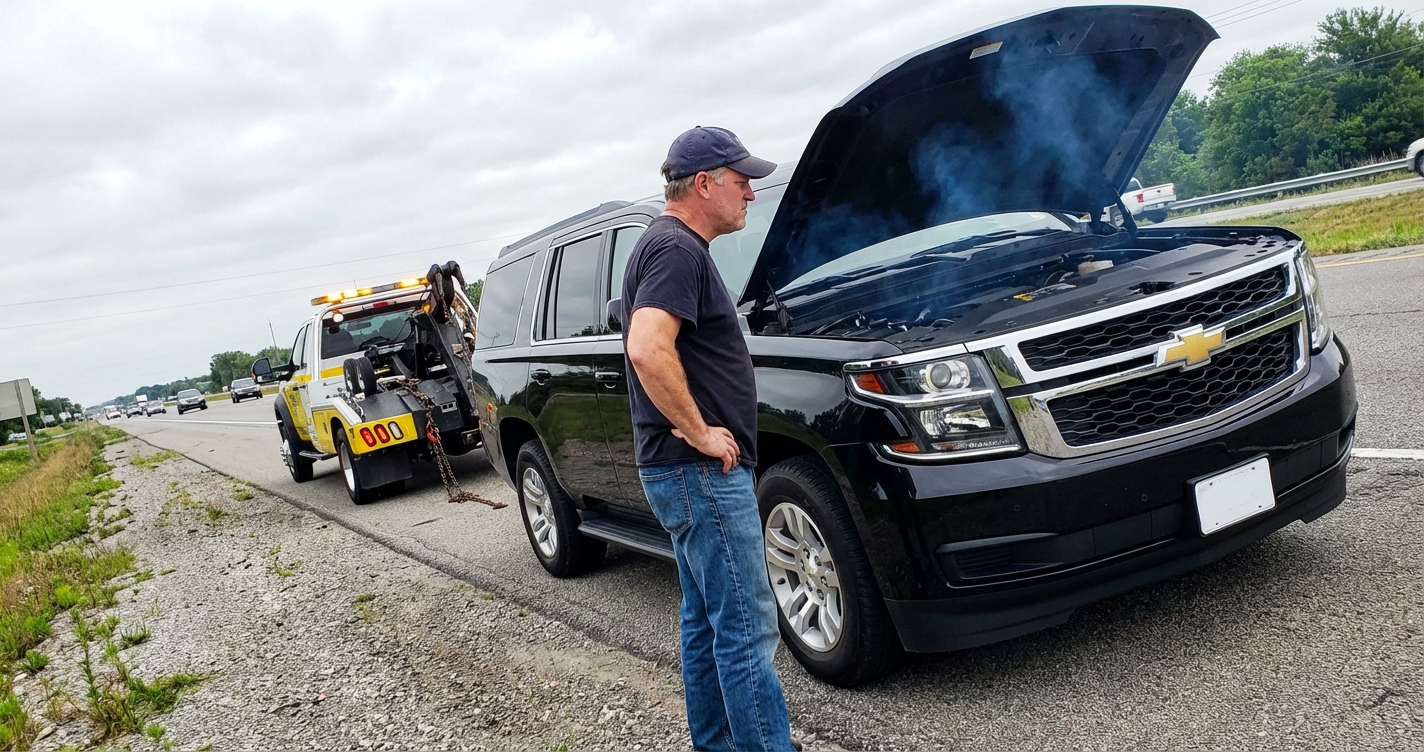
Somewhere on an American highway, a brand-new GMC Yukon started knocking. Not the rattle of a loose heat shield or a tired accessory belt. Deep, metallic hammering from inside the block. Then silence. Total engine seizure. The odometer read about 1,500 miles, according to an owner complaint shared online. The owner hadn’t even hit the first oil change. This was a 2026 model, built after General Motors told federal regulators the manufacturing problems behind earlier failures were solved. The truck cost more than most people’s annual salary. GM had already recalled roughly 597,000 vehicles for a similar failure months earlier.
28,102 Warnings GM Didn’t Want to Hear
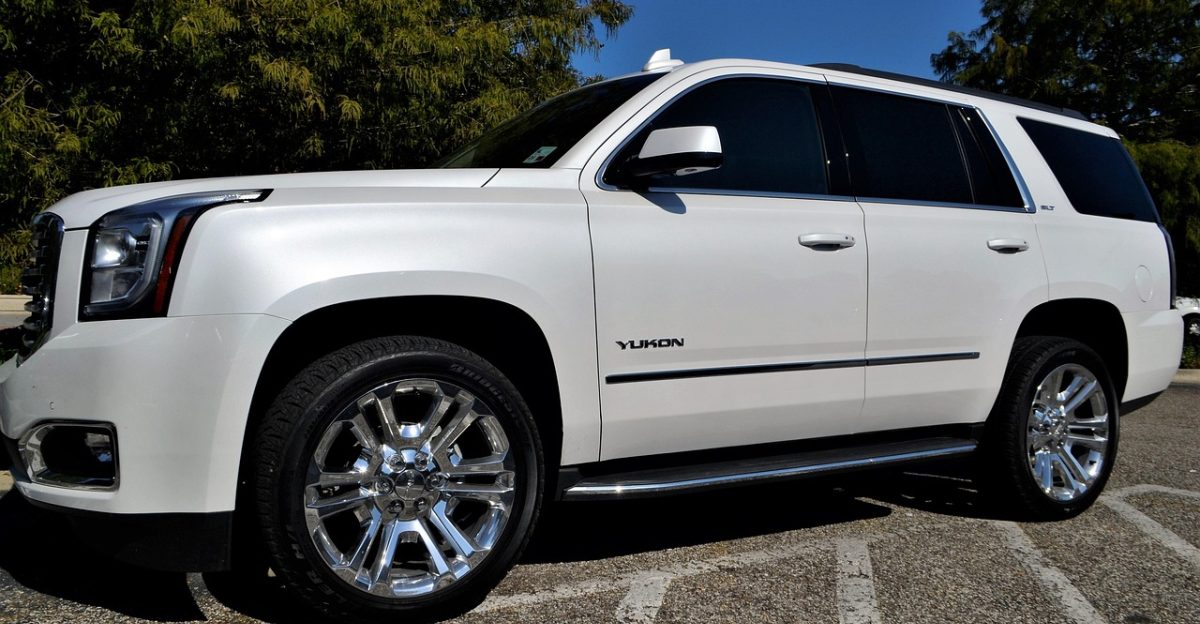
Before that Yukon ever rolled off the lot, GM had already documented 28,102 field complaints involving its L87 6.2L V8 engine. Of those, 14,332 reported complete loss of propulsion. Twelve crashes. Twelve injuries. The complaints piled up across Silverados, Tahoes, Suburbans, Sierras, Yukons, and Escalades built for the 2021–2024 model years. GM opened multiple internal investigations before recalling the vehicles, with NHTSA records showing complaint data stretching from 2021 through early 2025.
The “Fix” That Wasn’t
In April 2025, GM finally issued a recall. The remedy sounded reasonable: inspect the engine, replace it if damaged, switch to a higher-viscosity 0W-40 oil if it passed. “The safety and satisfaction of our customers are the highest priorities for the entire GM team,” a GM spokesperson said. Most owners assumed the problem was handled. The thicker oil was intended to provide a greater margin of protection for bearings in engines that passed inspection. GM later adjusted the specified 0W-40 product to address supply and availability while maintaining required performance.
Thirty-Six Engines Said Otherwise
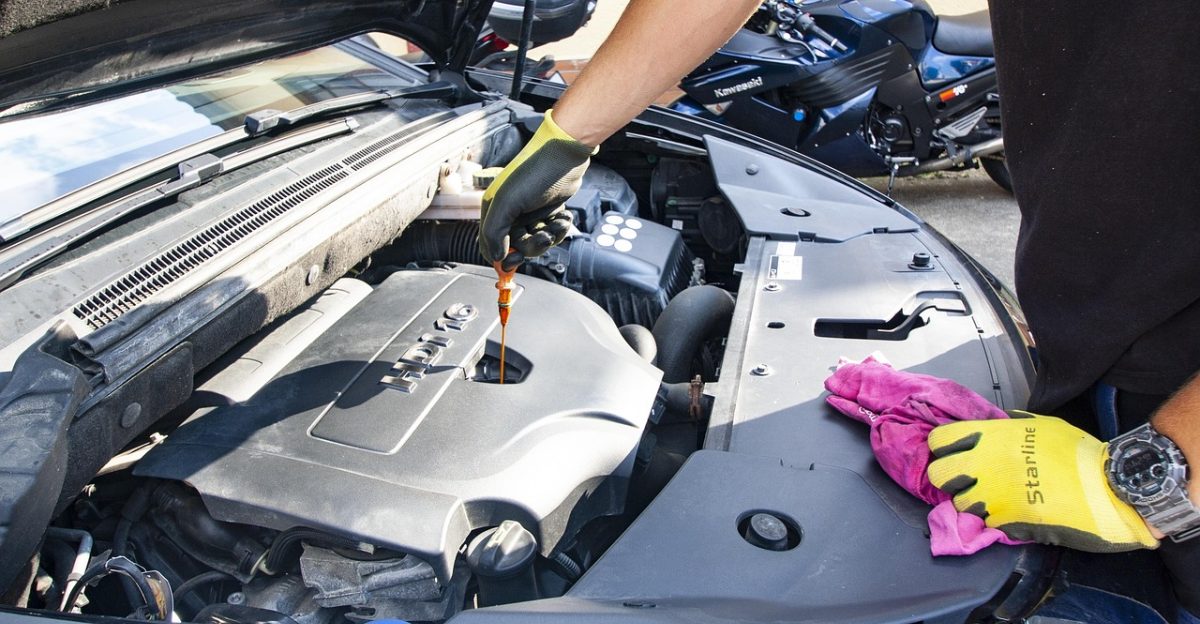
By January 2026, NHTSA had received 36 reports of engine failure in vehicles that had already received the recall remedy. Engines inspected. Oil changed. Paperwork signed. Still seizing. NHTSA opened Recall Query RQ26-001 to investigate whether the remedy was adequate. Around nine months. That is roughly how long the fix lasted before the federal government formally questioned it. Regulators also logged additional failures in vehicles outside the original recall population, including model years GM had initially excluded from the recall.
Sandpaper Inside the Engine
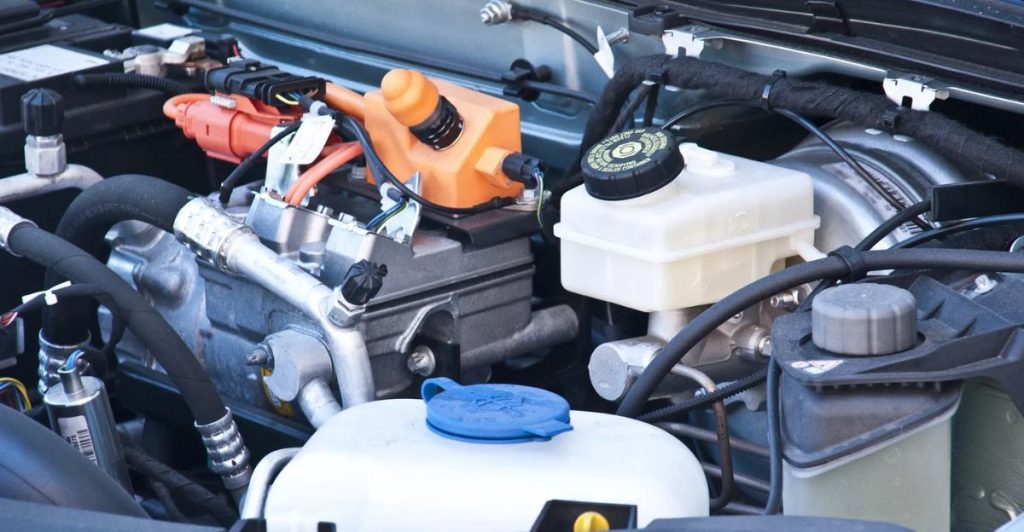
The root cause traces to GM’s L87 engine manufacturing process. GM ultimately identified rod-bearing damage from sediment on connecting rods and in crankshaft oil galleries, along with out-of-specification crankshaft dimensions and surface finishes. That contamination circulates through the engine like sandpaper, grinding down rod bearings faster than any oil can protect them. Thicker oil buys time. It does not buy a cure. GM and NHTSA documents attribute the problem to contaminants and incorrect crankshaft finishing in the manufacturing process; GM chose an oil viscosity change plus inspection and replacement, rather than a broad component redesign, for already-built engines.
$300 Million and Counting
GM’s Q2 2025 warranty costs spiked about $300 million above the prior year, with the L87 recall cited as a major driver of the increase. That made the L87 campaign one of the company’s largest quarterly warranty-related expenses. GM estimated that roughly three percent of recalled vehicles would need full engine replacement, approximately 18,000 units, based on its internal analysis. But post-recall failures continued to climb beyond those projections. Owners have now filed class action lawsuits alleging reduced performance, accelerated wear, and destroyed resale values on trucks and SUVs that cost $50,000 to $80,000 new.
The Scope Keeps Growing
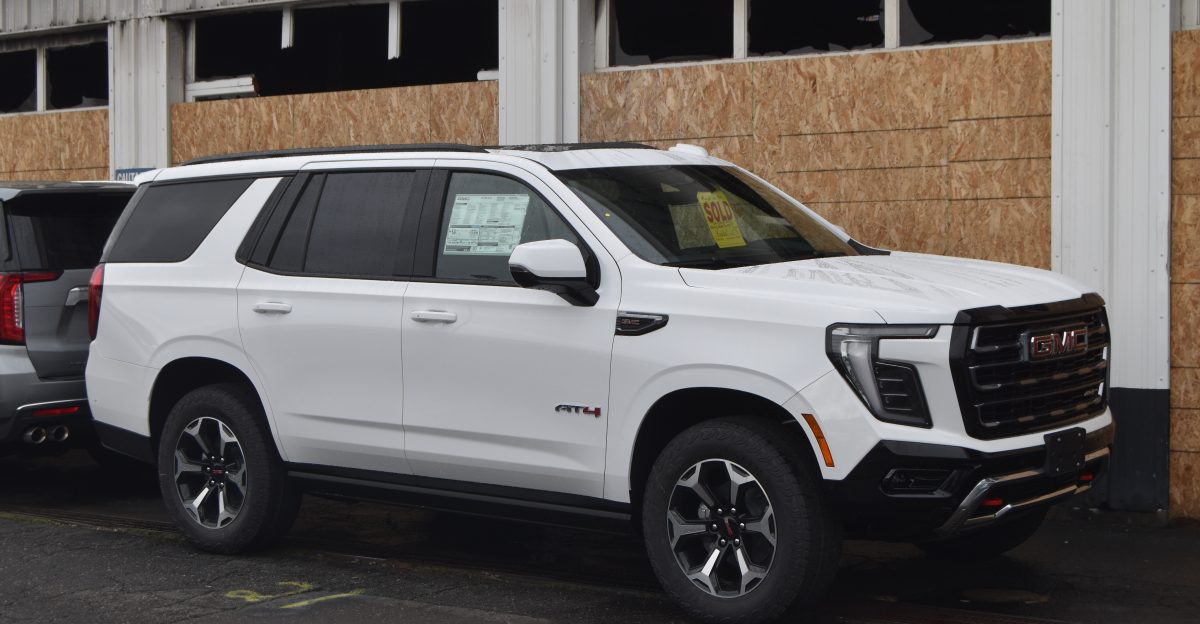
Those additional failures blew the original recall wide open. NHTSA first opened a preliminary evaluation in early 2025 and later expanded its investigation to include hundreds of thousands of vehicles outside the initial recall scope, including earlier model years that GM had excluded. In total, federal investigators have examined issues affecting on the order of 877,000 L87-equipped vehicles. NHTSA described the complaints bluntly: “Many of the complaints describe a sudden loss of motive power.” Highway speed, no warning, engine dead. The used market for L87‑equipped trucks and SUVs now faces a reckoning, and every owner who traded in before the expansion may have handed their problem to someone who doesn’t know yet.
The Ignition Switch Playbook
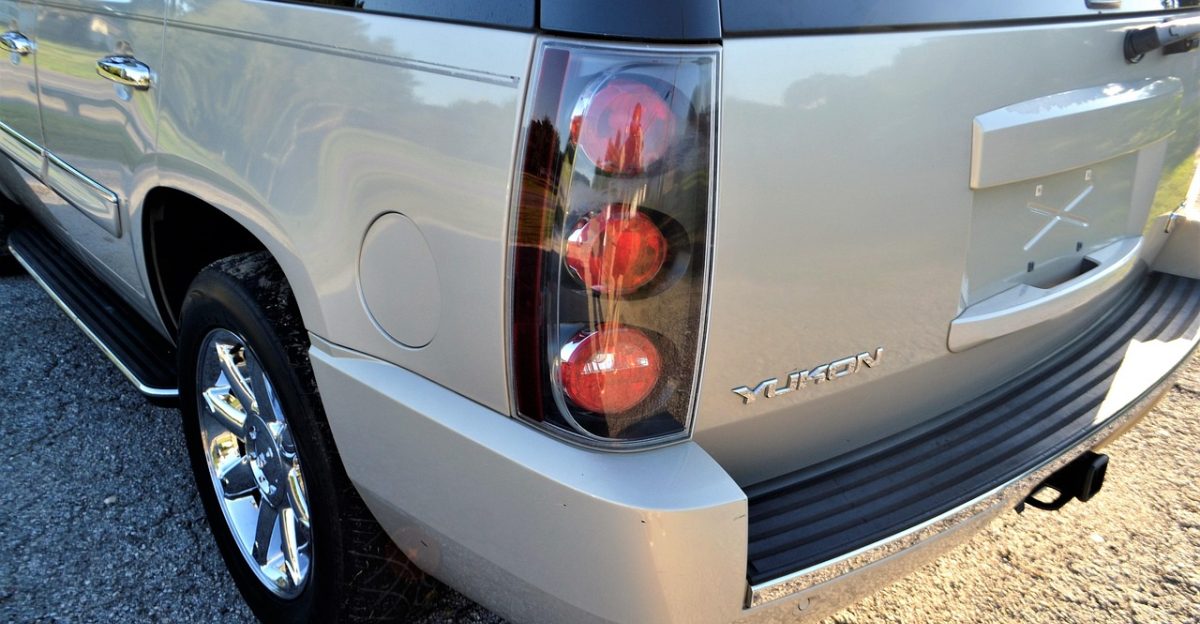
Years of mounting complaints. A recall that arrived only after tens of thousands of failures and an ongoing federal probe. A remedy that addressed symptoms instead of eliminating the underlying defect. All of this echoes GM’s 2014 ignition switch crisis, which ended in a $900 million settlement with the U.S. Department of Justice and a separate $35 million civil penalty from NHTSA. NHTSA’s current actions include an engineering analysis and detailed information requests seeking internal communications and technical records from GM. That language goes beyond routine regulatory inquiry and suggests investigators are building a timeline of what GM knew and when. Once you see that pattern, the recall starts looking less like accountability and more like containment.
No Quick Exit
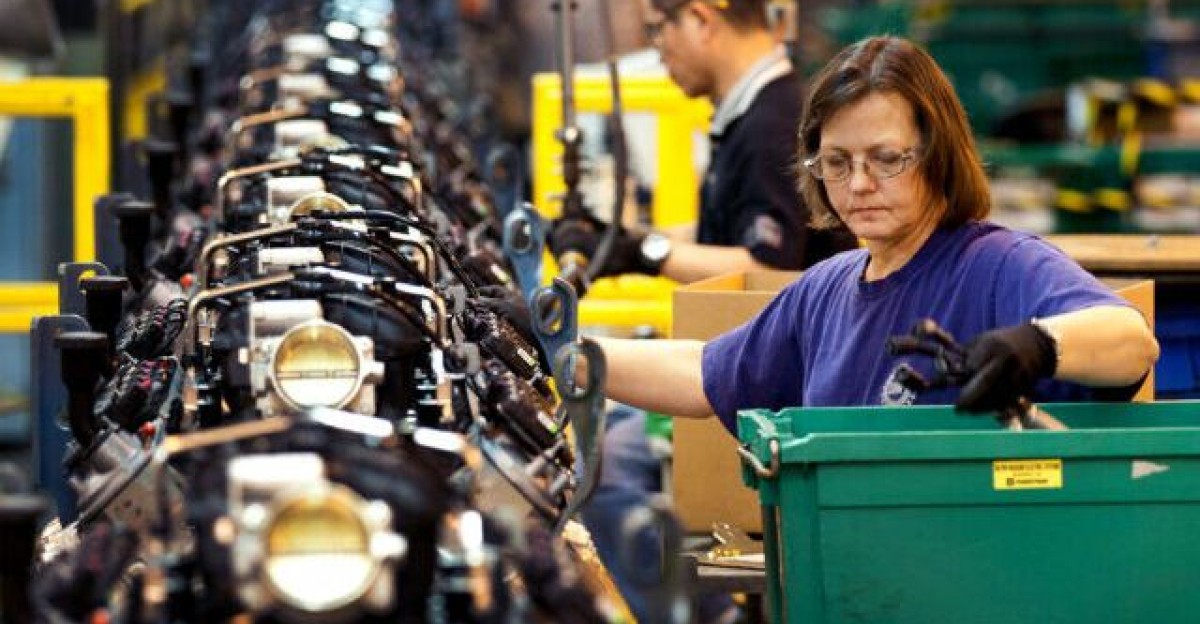
NHTSA’s engineering analyses can take up to 18 months to complete. If investigators determine this is a design flaw rather than a manufacturing anomaly confined to specific batches, GM could face mandatory changes to production and replacement engines. GM plants supplying L87 engines are already producing replacement units, and dealer service queues already stretch for weeks in some markets. Owners sit in a brutal bind: drive a truck that might seize at highway speed, or park it and eat the depreciation. GM has emphasized that supplier manufacturing issues caused the defect, but such arguments have not historically insulated automakers from responsibility once federal investigators begin forensic-level evidence collection.
What Every Truck Owner Should Understand
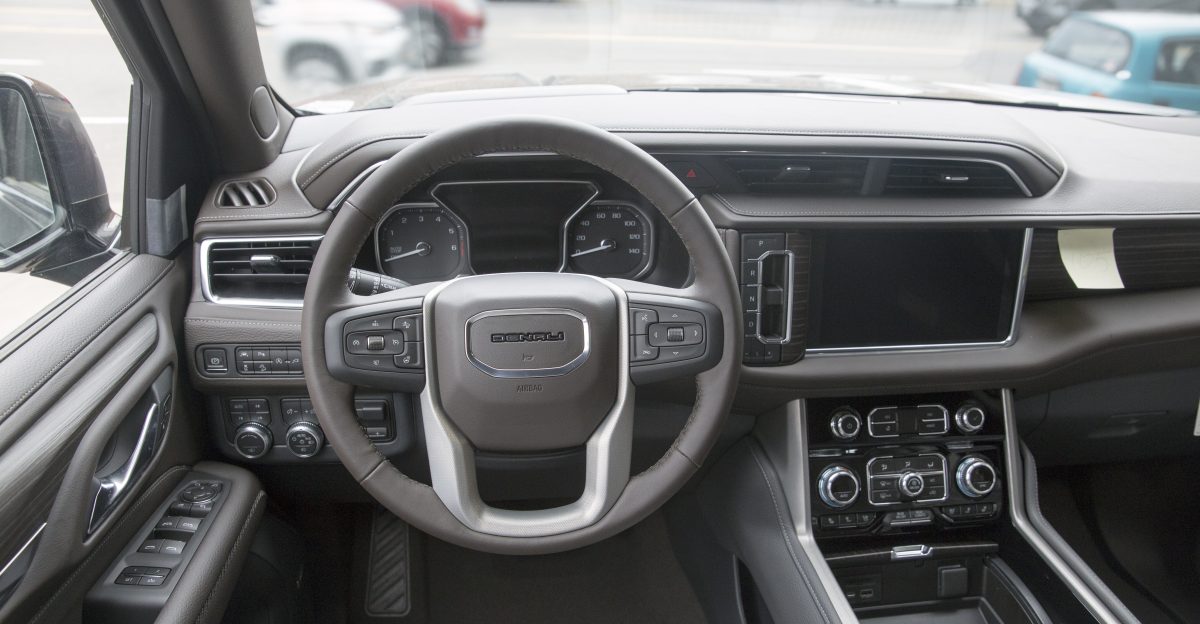
The lesson here goes beyond one engine. Recalls are only as honest as the remedy behind them, and manufacturers have every financial incentive to propose the least disruptive fix that passes regulatory review. GM’s initial failure-rate projections and its oil-change-based remedy have both come under renewed scrutiny as complaints continue. The oil change was a band-aid on a metallurgical wound. And a brand-new 2026 Yukon shows that even later production can still see failures in an engine family with lingering defect risk. The federal government now holds GM’s internal communications and records related to these engines. Whatever those files contain will determine whether this remains a recall story or becomes something much bigger.
Sources:
“GM recalls nearly 600K SUVs, pickups over engine failures.” WardsAuto, 1 May 2025.
“GM recalling 721,000 vehicles over engine issue.” Reuters, 29 Apr 2025.
“NHTSA Investigating Post-Recall GM 6.2L L87 Engine Failures.” GM Authority, 18 Jan 2026.
“L87 Engine Recall Drove Up GM Warranty Expenses In Q2 2025.” GM Authority, 23 Jul 2025.