World’s ‘Most Reliable’ Car Brand Hits 3 Recalls In 2 Weeks Covering 709,500 Vehicles
No warning light. No error message. Just a blank display where a rearview camera image should be, and whatever is behind that SUV is invisible. The owner paid a premium for this vehicle specifically because the brand ranks highest in dependability among premium automakers for four consecutive years. That reputation just collided with 144,200 recalled vehicles, a federal safety violation, and a defect Toyota took months to even identify.
Three Recalls, Nineteen Days
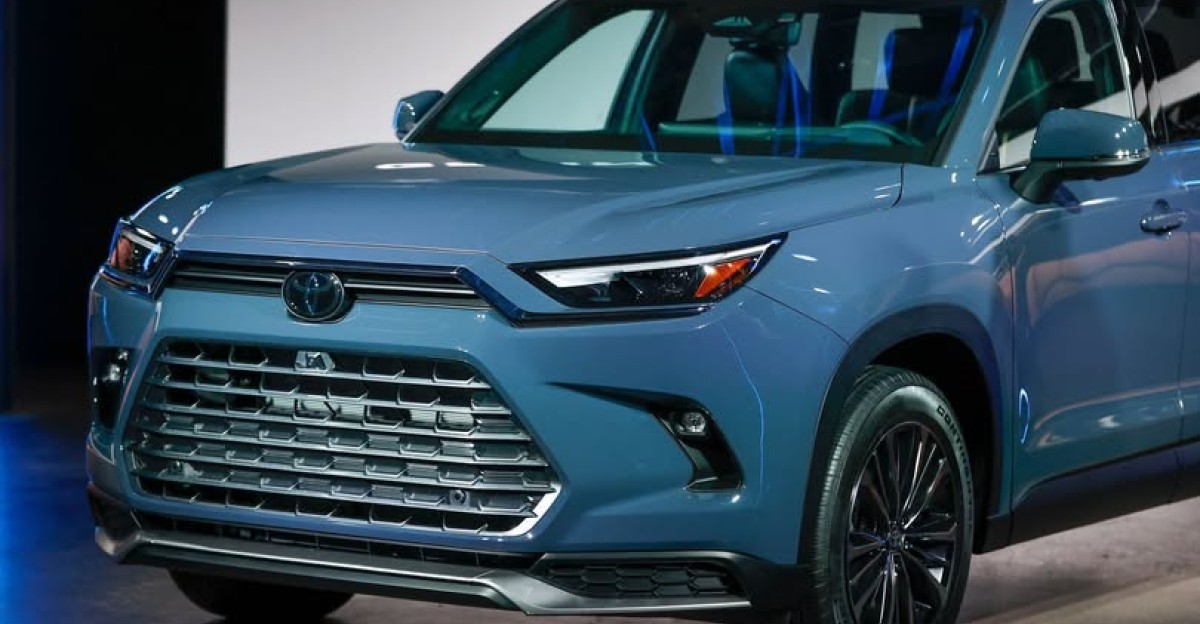
March 5, 2026: Toyota recalled 550,007 Highlander and Highlander Hybrid vehicles for second-row seat recliner assemblies that could fail. March 18: 144,200 Lexus NX, RX, and TX models pulled for rearview camera malfunctions. March 24: another 15,300 Lexus LX vehicles recalled for an occupant classification system that could prevent the front passenger airbag from deploying. Three different safety systems. Three separate announcements. Nineteen calendar days. Combined total: 709,500 vehicles from a brand that leads J.D. Power’s initial quality rankings overall.
A Camera That Goes Dark
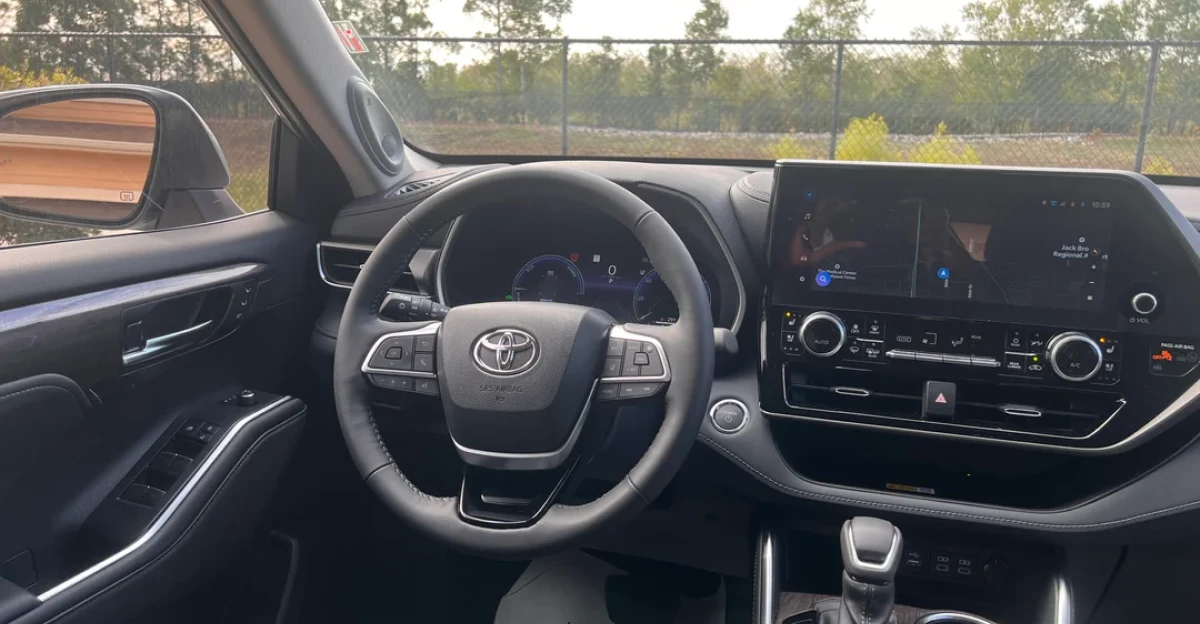
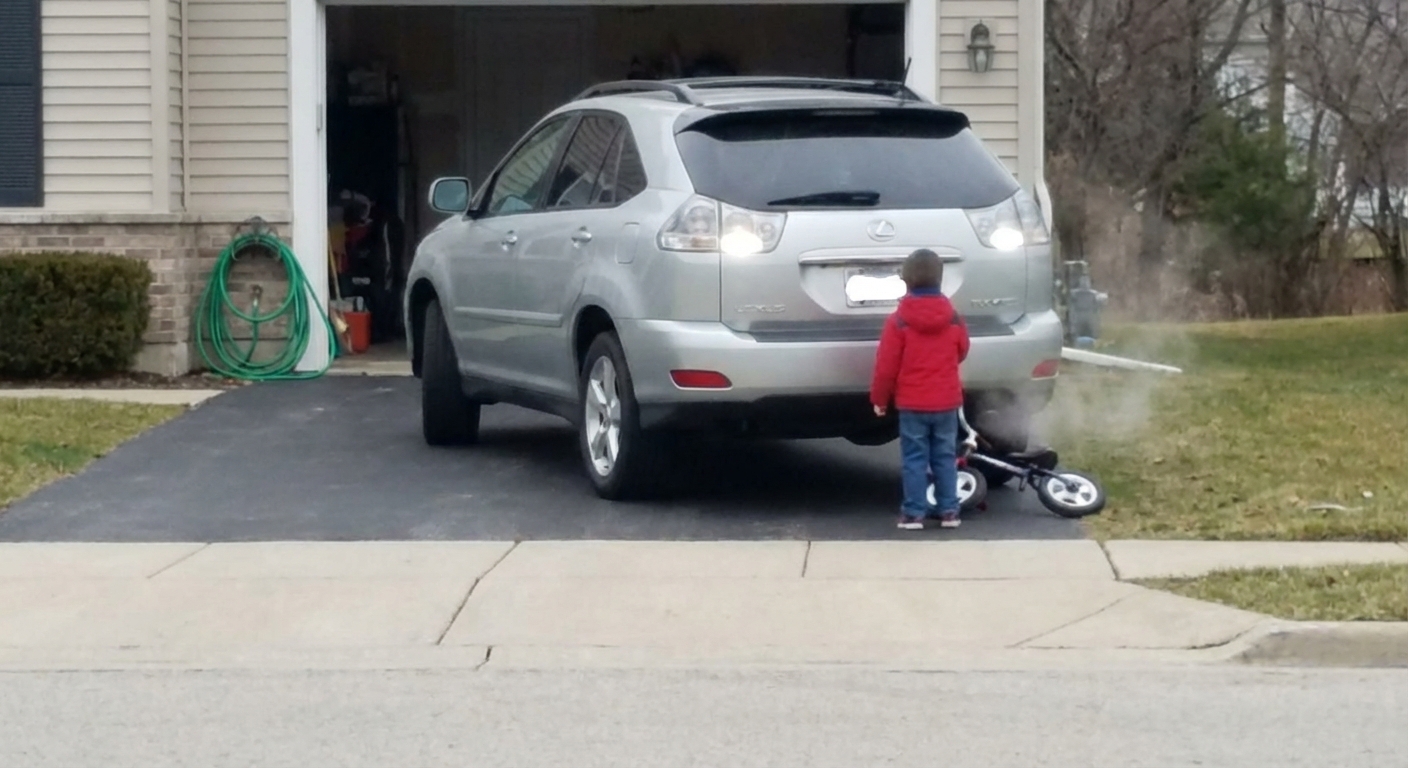
The camera recall targets 2022-2025 NX250 and NX350, 2023-2026 RX350, and 2024-2026 TX350 models. All non-hybrids. The root cause: a brief drop in electrical power during certain engine restart conditions interrupts the camera system before it fully loads. Shift into reverse and the screen stays blank. NHTSA stated that “a rearview camera that fails to display an image can reduce the driver’s view behind the vehicle, increasing the risk of a crash.” That language sounds clinical until you remember who tends to be standing behind parked cars.
The Hybrid Paradox
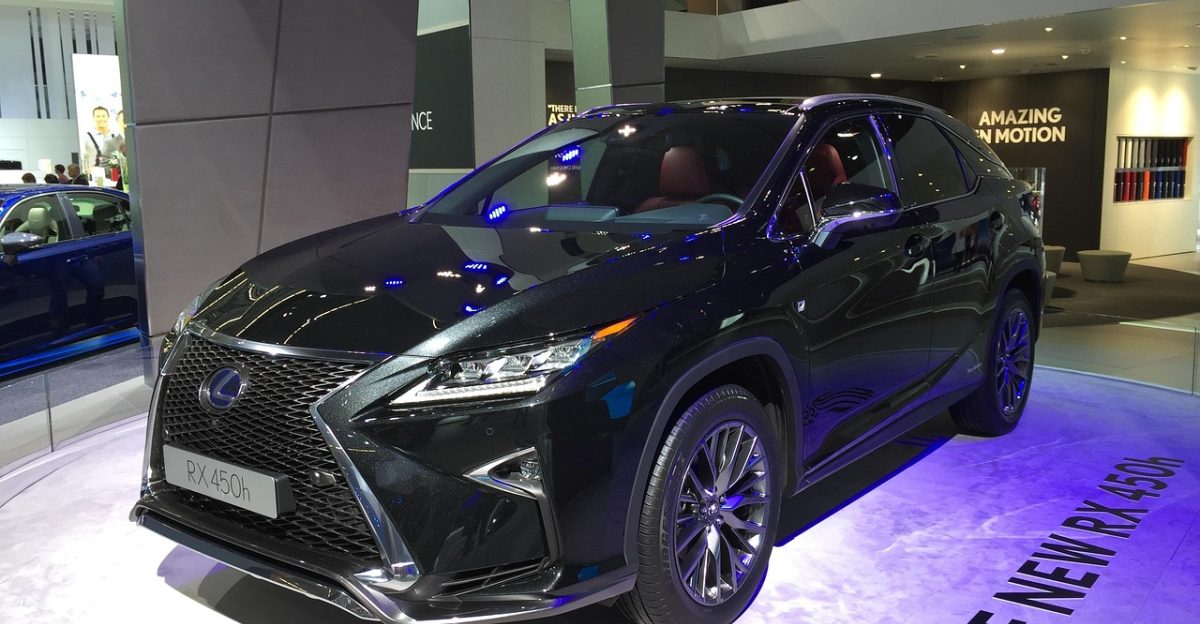
Here is the detail that inverts everything you assume about automotive engineering: hybrid versions of the exact same Lexus models are not affected. Zero hybrid variants recalled. The vehicles with more complex dual-powertrain systems, more electronics, more potential failure points, handled the restart voltage just fine. The simpler non-hybrid architecture failed. Toyota’s non-hybrid electrical system has a voltage sag vulnerability during restart that its more sophisticated hybrid power management avoids entirely. Simpler did not mean safer. It meant exposed.
A Routine Restart Broke Federal Law
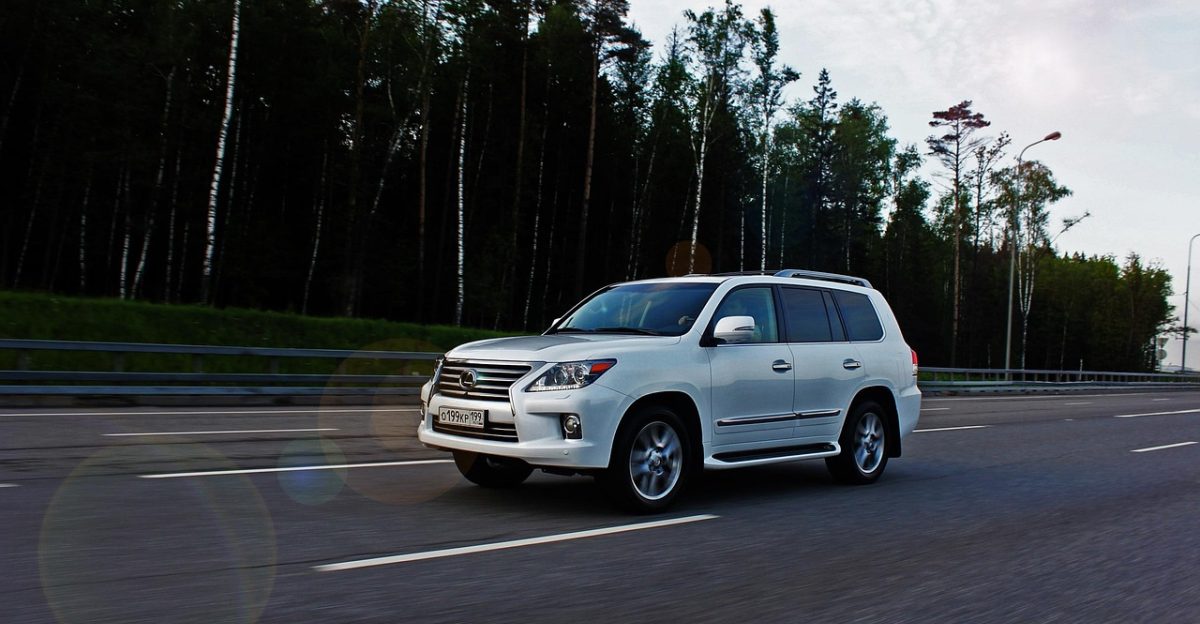
The trigger is absurdly ordinary. Turn off your Lexus. Restart it shortly after. The electrical system hiccups during that restart, starving the camera of power before it boots. That violates Federal Motor Vehicle Safety Standard No. 111, which has required functioning rear visibility since May 2018. Toyota began investigating inoperative cameras in early 2025 and took months of testing to isolate the voltage drop. A routine use case that escaped validation testing for years. The fix is a free software update or camera replacement at dealerships, with notifications expected by May 3, 2026.
The Numbers Behind the Blank Screen

Backup cameras exist because approximately 210 people die and 15,000 suffer injuries in backover accidents every year. After the federal mandate took effect in May 2018, child deaths from backover crashes dropped 78%. That single technology saved more children’s lives than most people realize. When that technology silently fails, the protection vanishes and the driver has no idea. Forward blind zones on major SUV models have grown 17-58% over the past 25 years, making cameras not a convenience feature but the only reliable rear visibility tool left.
Same Models, Different Failures, Five Months Apart
The Lexus NX and RX lines appeared in a separate, much larger recall on October 30, 2025, covering 1,024,407 vehicles for a Panoramic View Monitor software error. Different defect. Same camera system. Same models. Roughly five months later, those same model lines got recalled again for the electrical voltage issue. Two distinct camera failures in overlapping vehicles within months. Dealerships now face appointment surges from three concurrent March recalls requiring different expertise: seats, electronics, airbags. That is a logistics nightmare wearing a luxury badge.
Reliability Rankings Can’t Catch Design Gaps
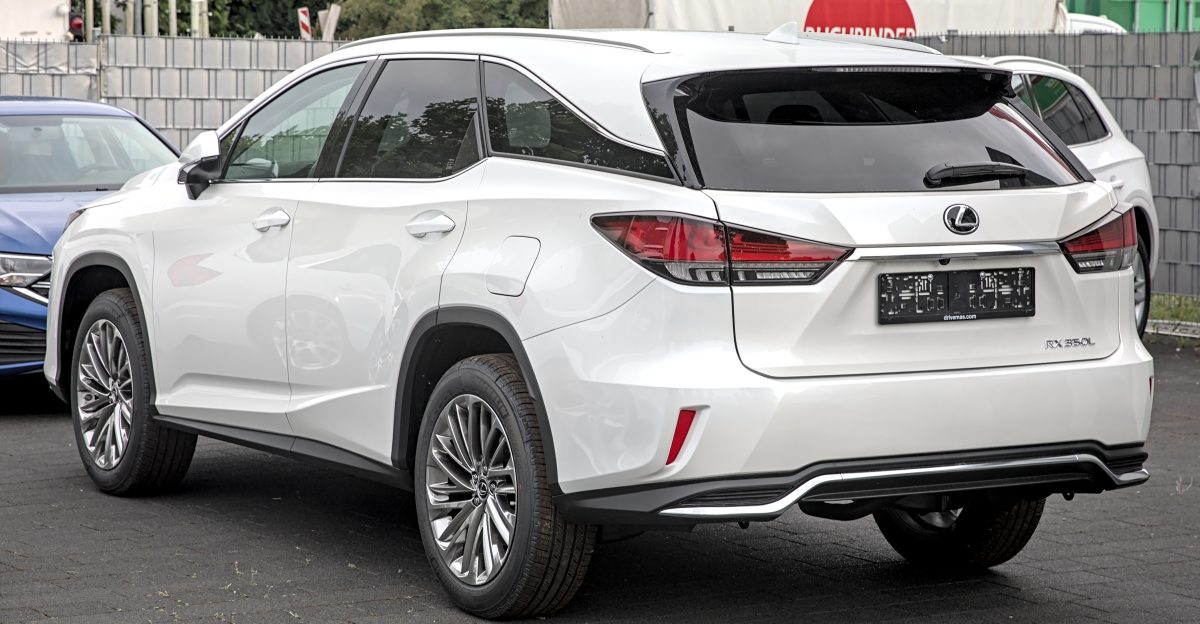
Lexus ranks highest overall in J.D. Power’s initial quality study and leads premium brands in dependability for four straight years. Those rankings measure aggregate fleet performance across thousands of data points. They do not catch a voltage sag in one powertrain architecture during one restart scenario. The March 2026 cluster reveals something rankings cannot: reliability is engineered subsystem by subsystem, and a brand can lead every dependability chart while harboring focused vulnerabilities in specific electrical designs, mechanical restraints, and sensor calibration. Once you see that gap, the rankings read differently.
An Industry-Wide Blind Spot
Toyota is not alone. Ford recalled over 1.4 million vehicles for camera defects. Volvo pulled back more than 400,000. The federal government mandated backup cameras but created no standard for the electrical and software reliability of the systems delivering them. Eight years into that mandate, manufacturers across the industry keep discovering that the technology designed to prevent 210 annual deaths can itself become a silent failure point. The camera exists. The law requires it. Nobody guaranteed it would stay on when you needed it most.
What Your Lexus Knows That You Don’t
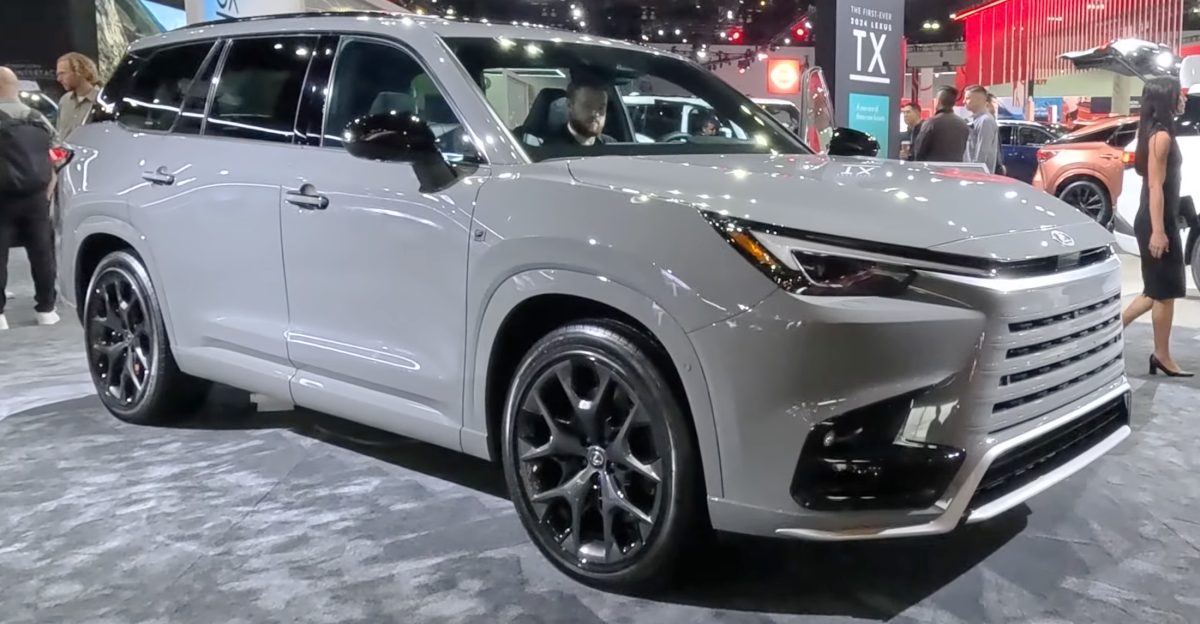
Owners of affected non-hybrid NX, RX, and TX models can check recall status through NHTSA’s website using their VIN. Notification letters arrive by May 3, 2026. The repair costs nothing. But the deeper question outlasts any software patch: if the brand ranked most dependable in America can ship 144,200 vehicles with an electrical architecture gap that a routine restart exposes, what does “reliable” actually measure? Most people trust the badge. The owners who read this now understand what the badge cannot promise.
Sources:
“Toyota Recalls Certain MY2021-2024 Toyota Highlander Vehicles.” Toyota Motor North America Newsroom, 5 Mar 2026.
“Toyota Recalls Certain Lexus NX, RX and TX Vehicles.” Toyota Motor North America Newsroom, 18 Mar 2026.
“Toyota Recalls Certain Lexus LX Vehicles.” Toyota Motor North America Newsroom, 24 Mar 2026.
“Lexus and Buick Lead the Pack in JD Power’s 2026 Dependability Rankings.” Autoweek, 12 Feb 2026.