
Mechanics Warn You To Absolutely Avoid Buying These Specific Used Toyota 4Runner Years
Mechanics Warn You To Absolutely Avoid Buying These Specific Used Toyota 4Runner Years before spending your hard earned money on the used market. Toyota built a massive reputation for building completely indestructible sport utility vehicles. The 4Runner badge usually guarantees hundreds of thousands of trouble free miles. However, certain manufacturing years completely failed to meet those high reliability standards. Professional technicians constantly see specific generations towed into their service bays requiring massive engine rebuilds and catastrophic frame replacements.
The 2003 V6 Head Gaskets
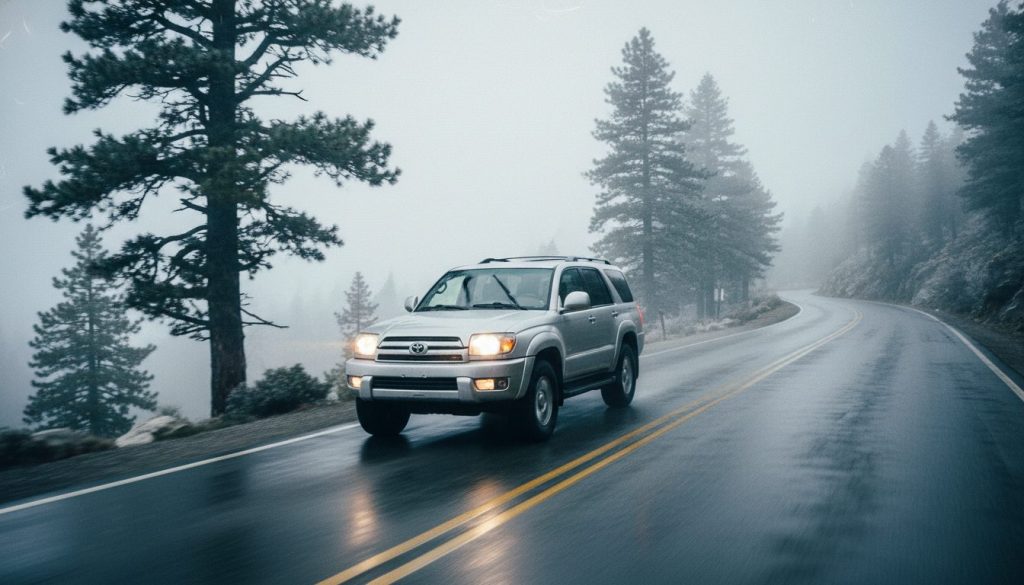
The introduction of the fourth generation brought a completely redesigned four liter V6 engine to the lineup. Early production units suffered from a severe manufacturing defect regarding the head gaskets. The sealing material degraded incredibly fast under normal thermal cycles. Coolant slowly leaked directly into the combustion chambers causing catastrophic engine failure. Repairing this issue requires pulling the entire motor apart. Technicians strongly advise skipping this specific launch year to avoid a financially ruinous repair bill completely destroying your wallet.
The 2004 Exhaust Manifolds
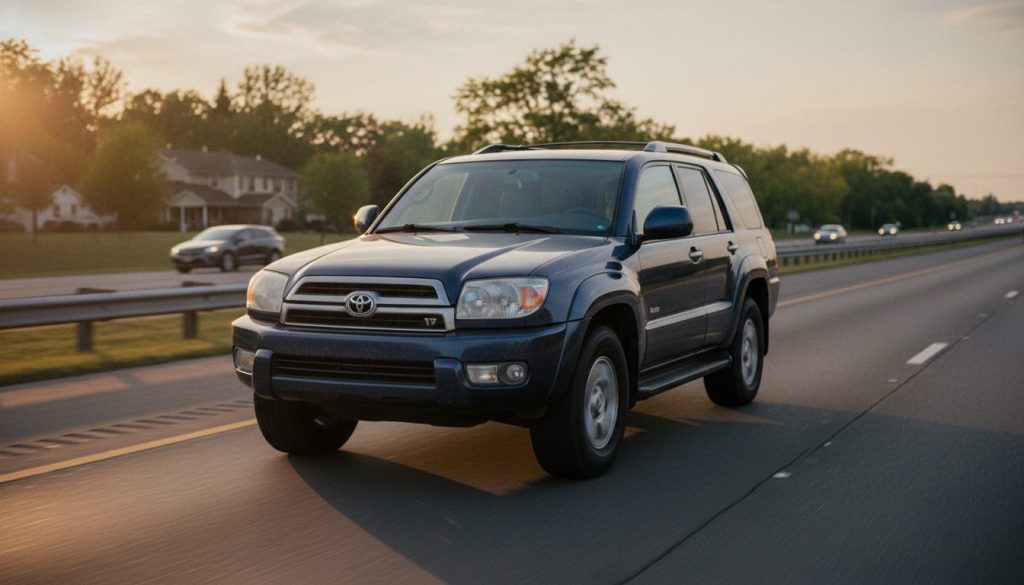
Buyers who opted for the optional V8 engine in this specific year frequently encounter a completely different mechanical nightmare. The exhaust manifolds bolted directly to the engine block are highly prone to cracking under extreme heat. Drivers immediately notice a loud ticking noise during cold morning starts. Replacing these cracked metal components is an incredibly labor intensive job requiring technicians to navigate a highly cramped engine bay. The labor costs alone make this model year a terrible financial investment today.
Severe 2005 Frame Rust
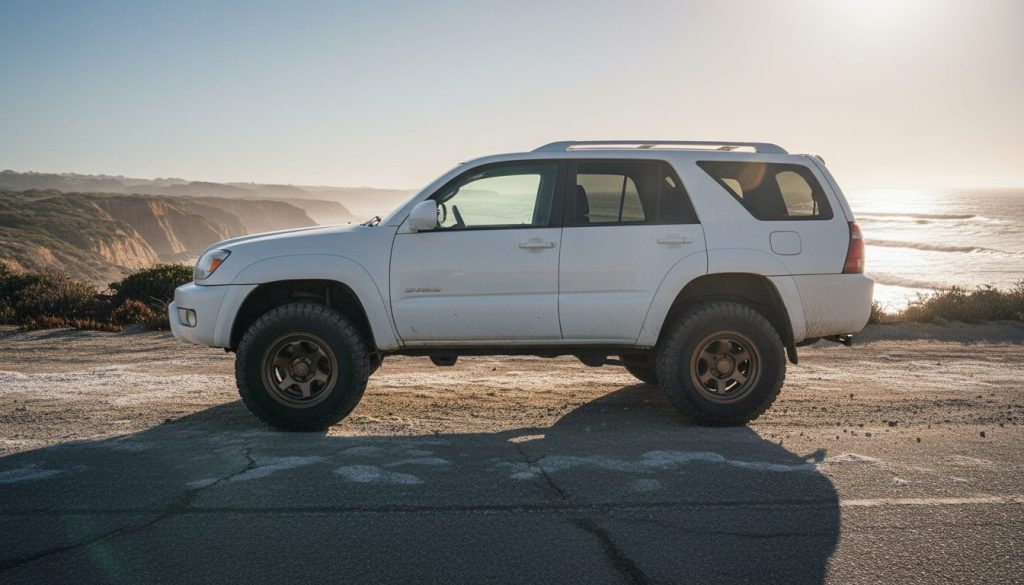
Toyota completely botched the anti corrosion treatment applied to the steel ladder frames during this specific production run. Vehicles driven in snowy climates where roads are salted experience aggressive structural rotting. The metal literally flakes away near the rear suspension mounting points making the vehicle completely unsafe to drive. Mechanics constantly condemn these chassis during routine state inspections. Attempting to weld patch panels onto the rotting steel is completely useless and finding a clean replacement frame remains virtually impossible.
The 2006 Brake Calipers
Front brake calipers on this model year suffer from a chronic design flaw causing the internal pistons to seize completely solid. This mechanical failure causes the brake pads to constantly drag against the heavy steel rotors generating extreme friction and intense heat. Drivers experience a massive loss in stopping power and terrible fuel economy. The only permanent solution requires installing completely redesigned aftermarket calipers. Ignoring this known issue rapidly destroys the entire front braking system and compromises passenger safety.
The 2007 Transmission Shudder
Automatic transmissions equipped in these specific models frequently develop a highly noticeable shuddering sensation at highway speeds. The internal torque converter fails to lock up smoothly causing violent vibrations throughout the entire cabin. Dealerships originally attempted to fix this mechanical issue by flushing the transmission fluid multiple times. That temporary solution rarely works for long term ownership. Mechanics warn that entirely replacing the heavy transmission assembly is the only way to actually cure this highly documented drivetrain failure completely.
The 2008 Alternator Failures
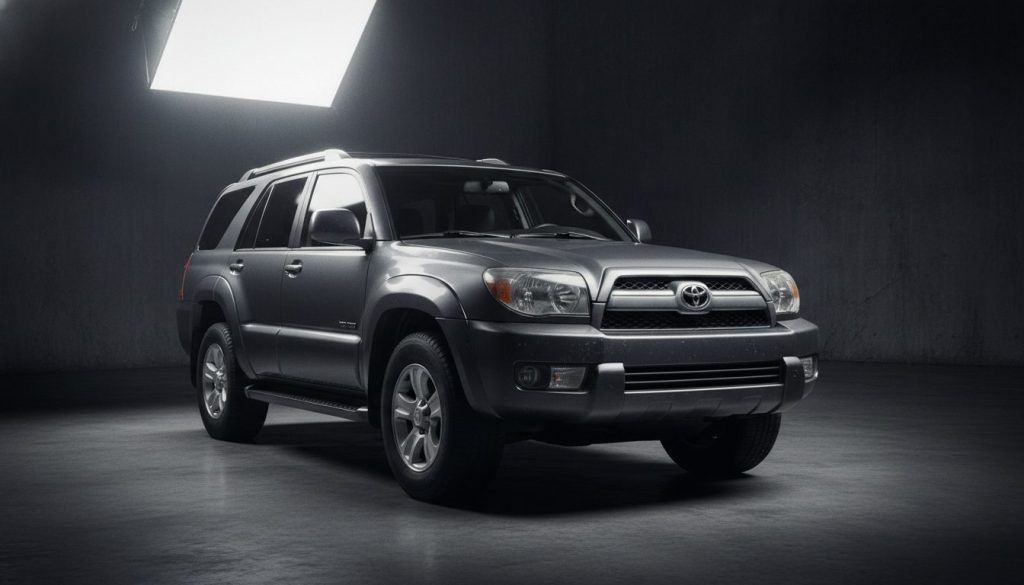
Electrical reliability took a massive hit during this production cycle due to incredibly weak factory alternators. The internal voltage regulators fail prematurely and stop charging the battery while driving. Owners routinely experience complete dashboard power loss right before the engine stalls completely in heavy traffic. The alternator placement deep inside the engine bay makes replacement incredibly difficult for average driveway mechanics. You will end up paying massive diagnostic fees and high labor rates just to restore basic vehicle electrical function.
The 2010 Interior Rattles

The debut of the fifth generation introduced a much blockier exterior design but suffered from terrible interior build quality. The dashboard and door panels utilized cheap plastic clips that easily broke during normal temperature changes. Driving over minor road imperfections causes maddening rattles and squeaks from every corner of the cabin. Dealerships spent years trying to isolate these annoying noises with foam insulation tape. Mechanics hate working on these interiors because removing the plastic panels usually cracks them completely in half.
The 2014 Multimedia Glitches

Toyota integrated a highly complex digital infotainment system that aged terribly and constantly fails today. The touchscreens frequently freeze upon startup locking drivers completely out of climate controls and basic audio functions. Internal software updates rarely fix the constant Bluetooth disconnection issues occurring during phone calls. The factory navigation system frequently loses GPS tracking forcing owners to rely entirely on their smartphones. Replacing the dead head unit with a modern aftermarket stereo requires expensive custom wiring harnesses and specialized labor.
The 2015 Fuel Pump Recalls

A massive engineering oversight resulted in severely defective low pressure fuel pumps installed directly inside the gas tank. The plastic impellers inside the pump absorb fuel and slowly deform over time. This physical swelling causes the pump to seize completely without any prior warning. The engine starves for gasoline and violently stalls at highway speeds creating a massive safety hazard. Dropping the heavy fuel tank to replace this faulty module requires hours of expensive labor from a certified automotive technician.