The Ford CEO Just Revealed A Massive Secret Project They Hid For Three Years
Operating in secrecy inside a nondescript California facility, a small team of elite engineers bypassed traditional Detroit bureaucracy. Jim Farley realized legacy manufacturing methods could not survive the upcoming pricing wars. He locked this specialized group away to rethink automotive production from scratch. Their mission focused entirely on creating a highly profitable, deeply affordable electric architecture. The results will change how American trucks are built forever.
The Hidden California Skunkworks Team

Ford leadership knew their standard corporate structure moved entirely too slowly to compete globally. Farley recruited Alan Clarke, a former high level Tesla executive, to lead an isolated division far away from Michigan. This specialized team operated with absolute creative freedom and zero traditional oversight. Nobody outside the immediate project knew exactly what was happening behind those locked doors. They operated exactly like a fast paced Silicon Valley startup with the financial backing of a century old industrial giant.
Recognizing The Existential Threat Abroad
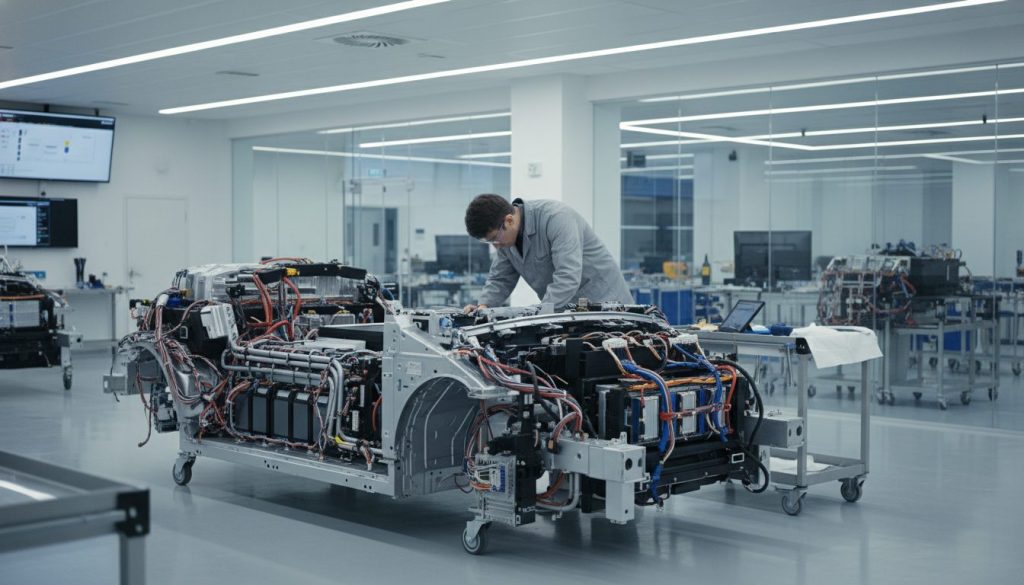
The motivation behind this massive secret project stems from a deeply humbling realization. Farley test drove several low cost electric vehicles manufactured by Chinese tech giants like Xiaomi and BYD. He discovered these foreign competitors were building highly advanced, incredibly cheap cars that completely outpaced American engineering timelines. Teardowns revealed vehicles operating with extreme efficiency and vastly simplified electrical wiring. Ford realized they needed a radical new approach immediately or they would eventually lose their entire domestic market share.
Rethinking The Century Old Assembly Line
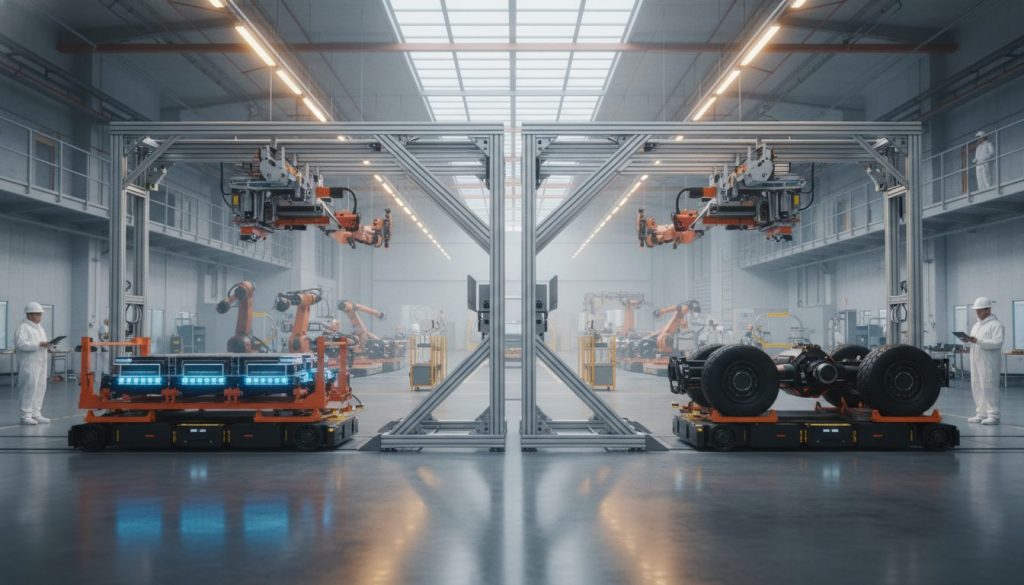
Henry Ford invented the moving assembly line, but this new project completely destroys that historical concept. Instead of sending a single chassis down a massive conveyor belt, the team designed an assembly tree system. Three completely separate major subassemblies are built simultaneously on adjacent lines. The front, rear, and battery sections only merge together at the very last moment. This structural change drastically reduces required factory floor space and significantly cuts down the time needed to finish vehicles.
Stripping Away Massive Manufacturing Complexity
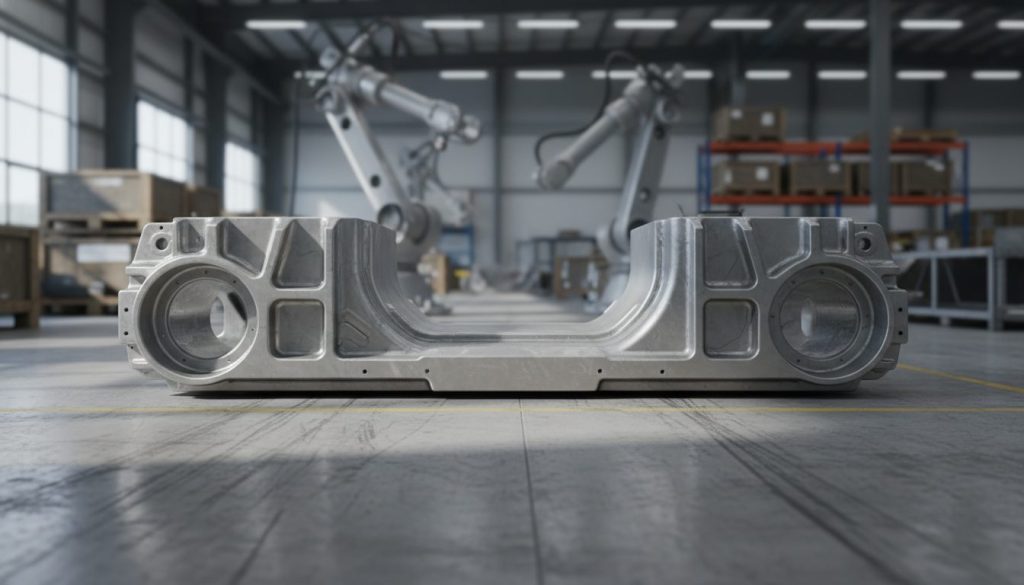
Traditional modern vehicles suffer from intense structural bloat and unnecessary mechanical complexity. The California engineering team ruthlessly eliminated thousands of individual parts to save money and weight. They utilized a process called unicasting, creating massive single aluminum pieces that replace dozens of smaller stamped steel components. The new electrical architecture removes nearly a full mile of heavy copper wiring compared to current models. This obsessive focus on simplicity drastically lowers production costs while making the final product highly durable.+1
The Thirty Thousand Dollar Electric Truck
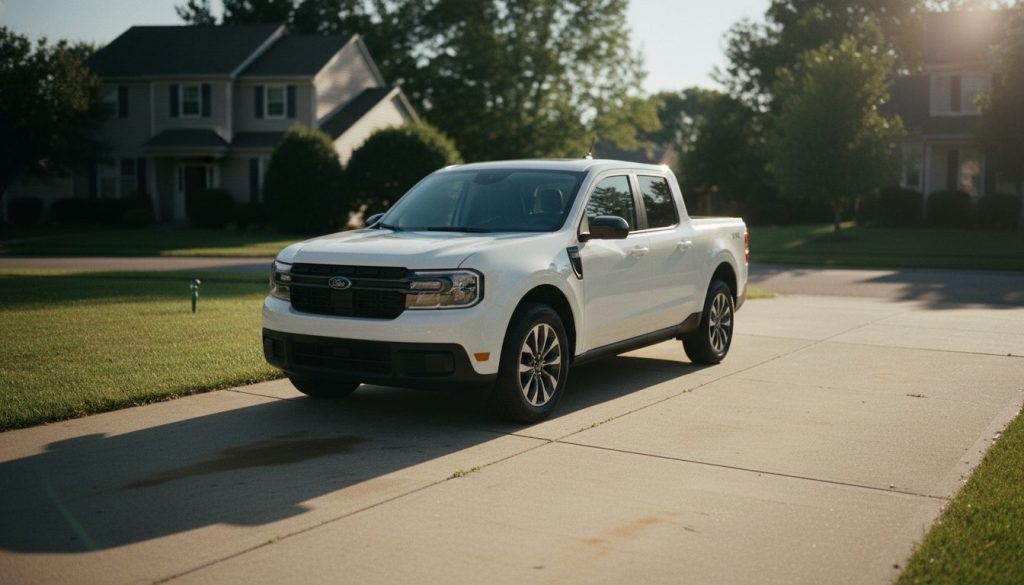
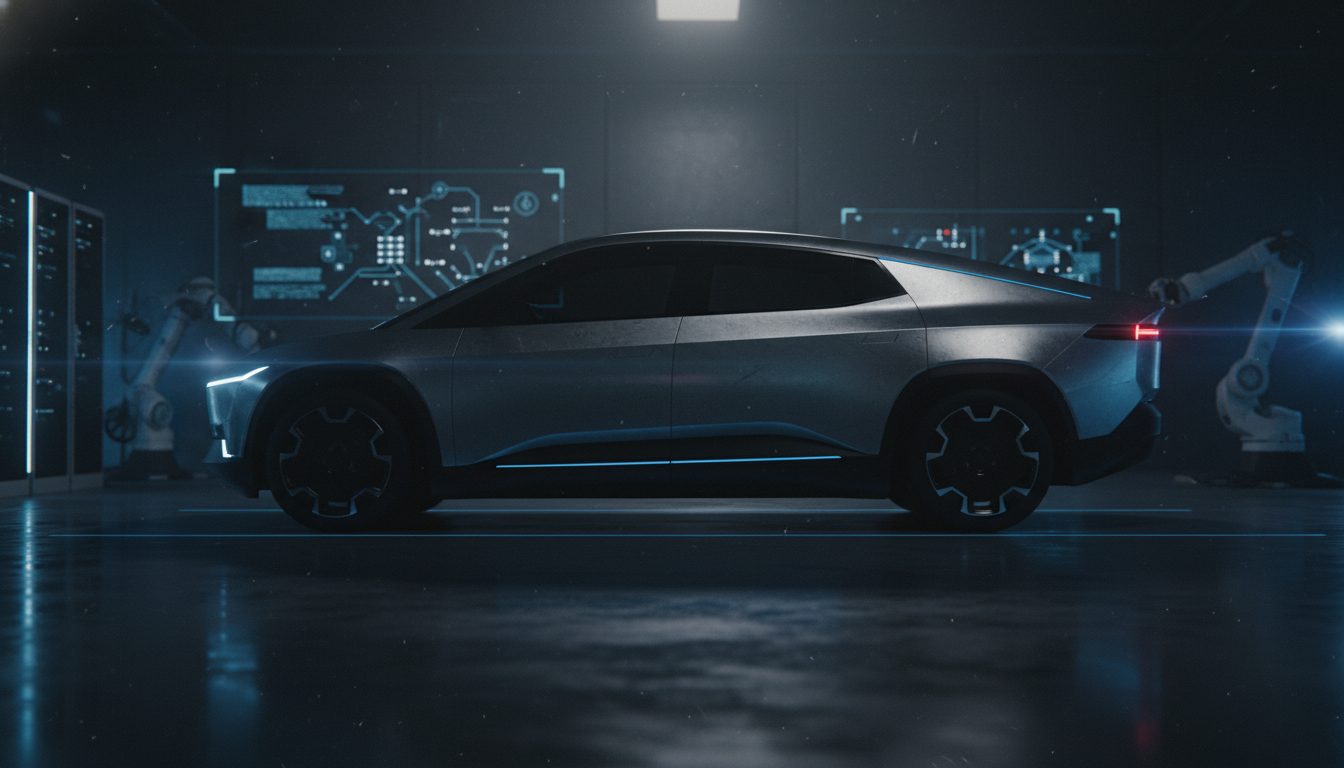
The very first vehicle born from this hidden engineering platform will be a highly affordable midsize pickup. Ford targets a starting price right around thirty thousand dollars, making it accessible to average working families. It will feature a footprint similar to the popular Maverick but offer significantly more interior cabin space. Buyers will get a practical cargo bed and a spacious front trunk for secure storage. This aggressively priced model directly targets buyers completely priced out of current options.
Shifting To Affordable Battery Chemistry
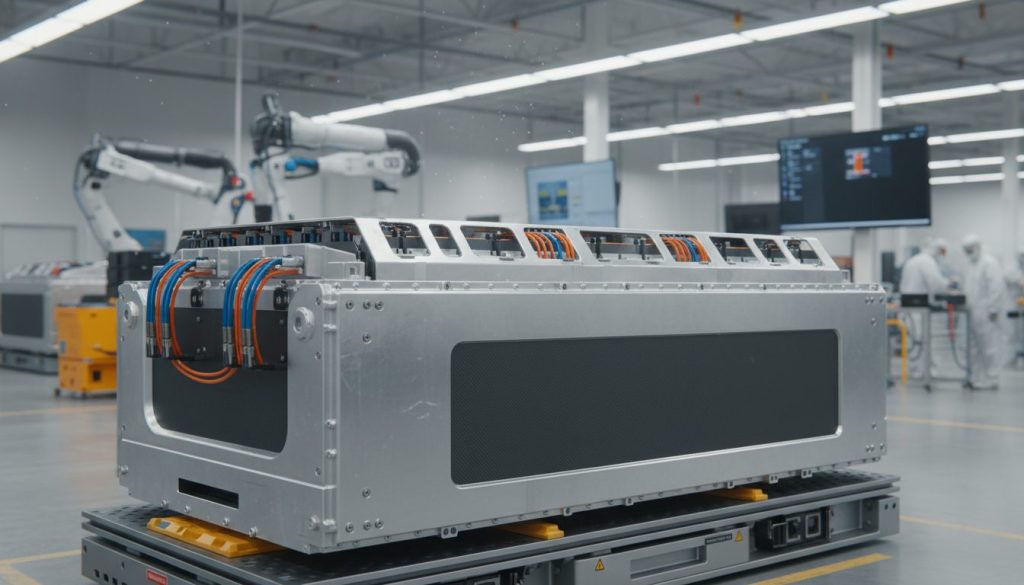
Battery costs remain the single biggest hurdle preventing cheap electric vehicle adoption across America. To solve this major financial problem, the secret project team shifted away from expensive lithium ion designs. The new truck will utilize lithium iron phosphate battery chemistry instead. These specific packs cost significantly less to manufacture and use widely available raw materials. While they offer slightly less total driving range, they are dramatically safer regarding fire risks and can be charged to maximum capacity every day.
Transforming Vehicles Into Mobile Power Plants
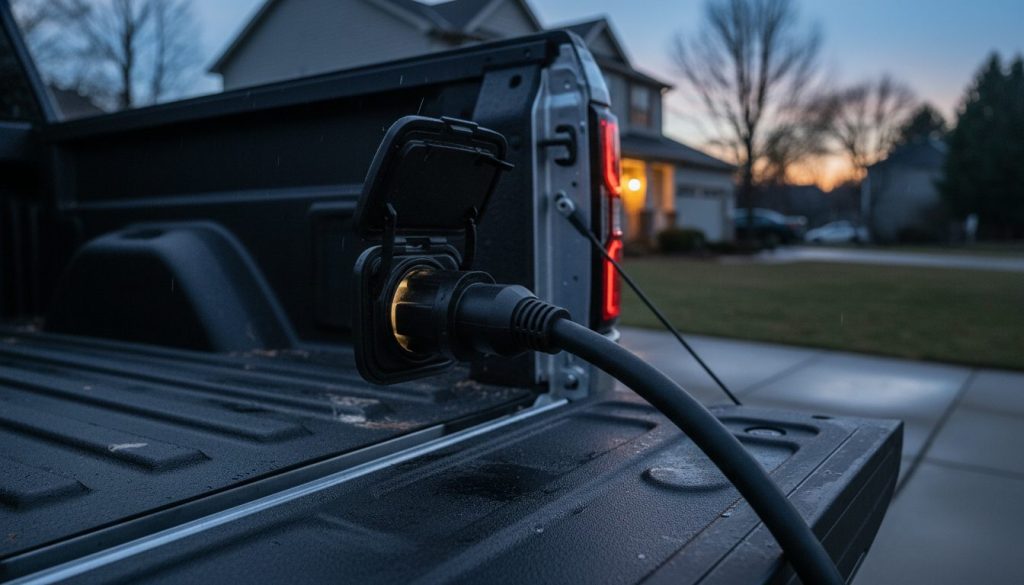
Modern consumers expect their vehicles to do much more than simply drive down the highway. Ford engineered this new affordable platform to act as a massive rolling battery bank for daily utility. The truck will feature multiple high voltage outlets capable of running heavy duty construction tools at remote job sites. During severe weather events or grid failures, owners can actually plug the truck directly into their house. It will provide emergency backup electricity keeping essential home appliances running.
Bringing Heavy Manufacturing Back To Kentucky
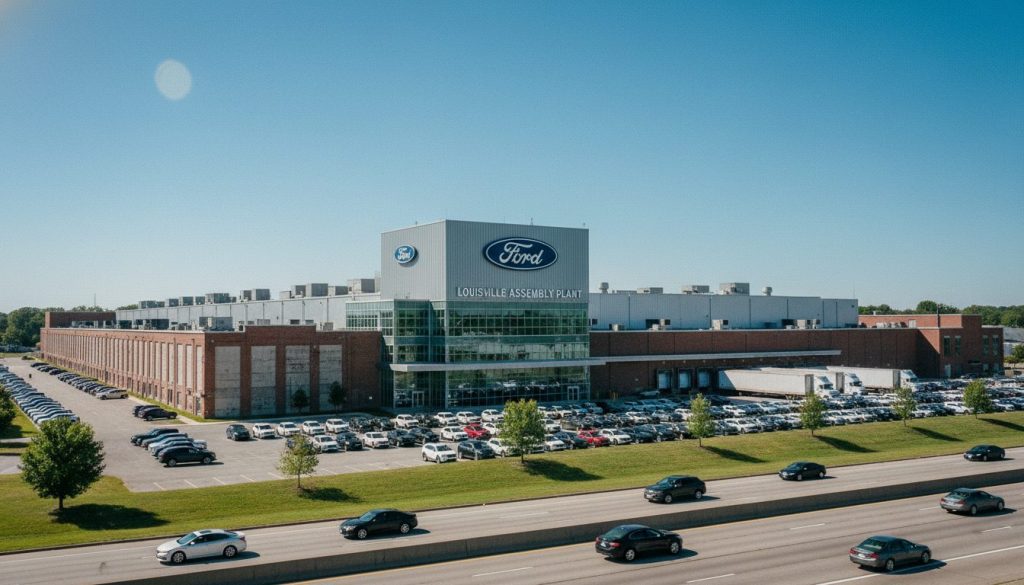
This radical engineering shift requires a massive financial investment in domestic manufacturing capabilities. Ford is spending two billion dollars to completely overhaul their historic Louisville assembly plant to handle this new architecture. This massive facility upgrade secures thousands of high paying hourly union jobs for American workers. Keeping production entirely within the United States helps the company avoid heavy import tariffs while ensuring strict quality control. It proves affordable vehicles can still be built profitably without using overseas labor.
Securing The Next Century Of American Dominance
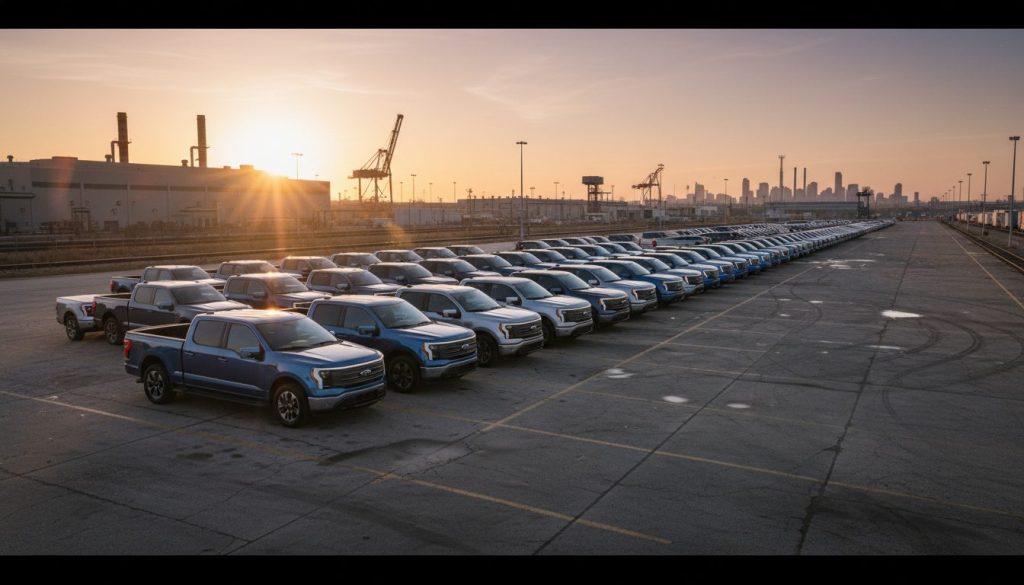
The entire automotive landscape is currently experiencing a brutal global pricing war. Legacy automakers who refuse to adapt will simply not survive the next decade of intense competition. This hidden skunkworks project represents a massive gamble on American engineering ingenuity. By combining Silicon Valley startup speed with immense industrial manufacturing muscle, Ford intends to dominate the affordable market. If successful, this highly secretive platform will secure the future of the company and completely redefine how the world buys transportation.