Why This Major Automaker Is Actually Ticketing Employees For Driving Rival Vehicles To Work
Why This Major Automaker Is Actually Ticketing Employees For Driving Rival Vehicles To Work as internal brand loyalty takes an unusual and controversial turn. In an industry built on competition, this move highlights how seriously some companies view employee alignment with their own products. It also raises broader questions about workplace policies and how far automakers are willing to go to protect their image.
The Strict Return To Office Policy At Stellantis
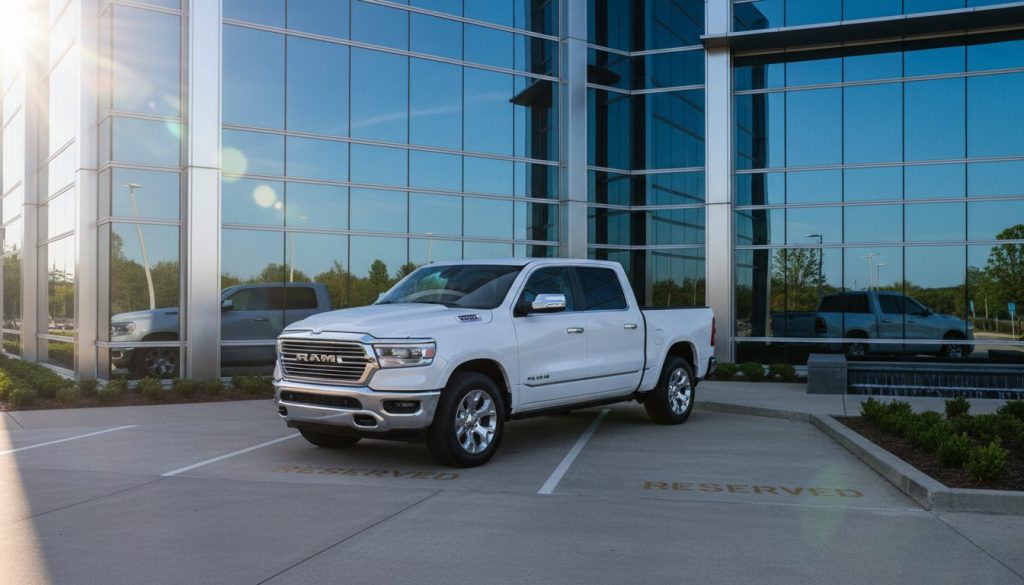
Corporate leadership ordered a mandatory return to the Michigan headquarters. Employees quickly realized finding a decent spot required absolute brand loyalty. Stellantis immediately started issuing formal citations to anyone parking a competitor vehicle inside designated premium zones. Commuting in a brand new Ram truck guarantees an excellent spot right near the entrance. Bringing a Honda forces workers into distant overflow lots. Refusing to comply means risking severe penalties before even scanning your ID badge at the front lobby doors.
A Longstanding Detroit Tradition Reignited

This aggressive lot enforcement channels a deeply ingrained Motor City tradition. Domestic automakers historically demanded extreme loyalty regarding personal vehicle purchases. Decades ago, driving an imported sedan to a domestic assembly plant often resulted in severe vandalism. Physical damage rarely happens today. However, the corporate culture still aggressively dictates personal spending. You must financially support the specific brand signing your paycheck to enjoy basic workplace conveniences. This old school mentality thrives inside modern executive boardrooms across the automotive industry.
The Severe Penalty Of Brand Disloyalty

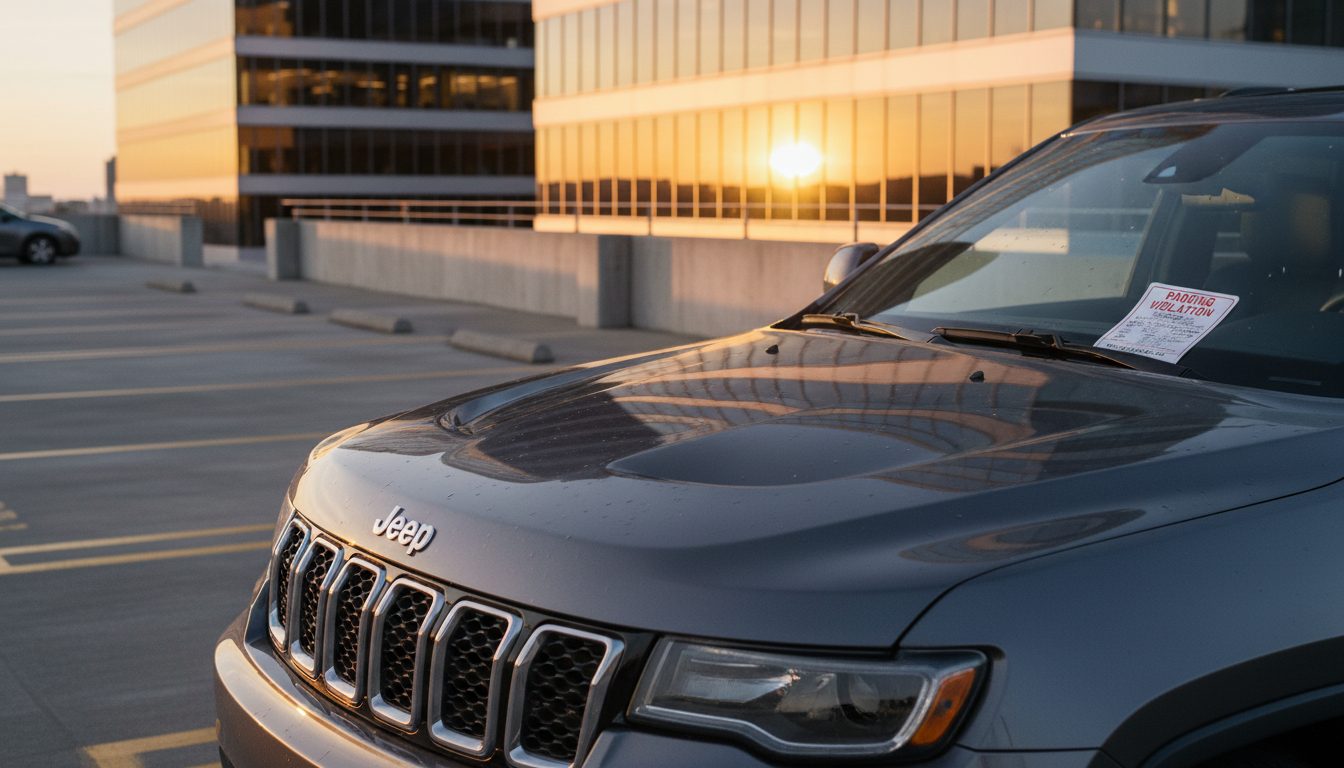
Getting caught with the wrong badge on your grille brings serious consequences. The first offense earns a physical ticket placed directly under the wiper blade. Repeat offenders face a much harsher reality. Security will physically immobilize the unauthorized vehicle using a heavy metal parking boot. Getting that boot removed requires a highly embarrassing conversation with upper management. The company treats these restricted areas as exclusive VIP zones. They strictly reserve the best pavement for their own product lineup.
Navigating The Sprawling Headquarters Lots

The physical layout of the corporate campus makes this policy incredibly frustrating. The Auburn Hills facility features massive parking decks and sprawling surface lots covering immense acreage. Walking from the distant competitor lot becomes miserable during severe winter weather. Those who purchase company vehicles enjoy short walks to the main lobby doors. Workers driving rival cars must endure long treks through freezing rain and snow just to reach their designated desk. It feels like a daily physical punishment.
How Security Enforces Preferred Parking Rules

Security patrols actively scan the premium parking areas throughout the day. They constantly look for unauthorized badges hiding among the approved fleet. Guards are trained to identify every make and model quickly. This ensures no rival product slips into the VIP section unnoticed. The security team maintains a strict database tracking repeat offenders who ignore the signage. This systematic approach leaves absolutely no room for error. Park a Ford Mustang in a Dodge Charger spot and they will catch you.
The General Motors Misstep With A Tesla
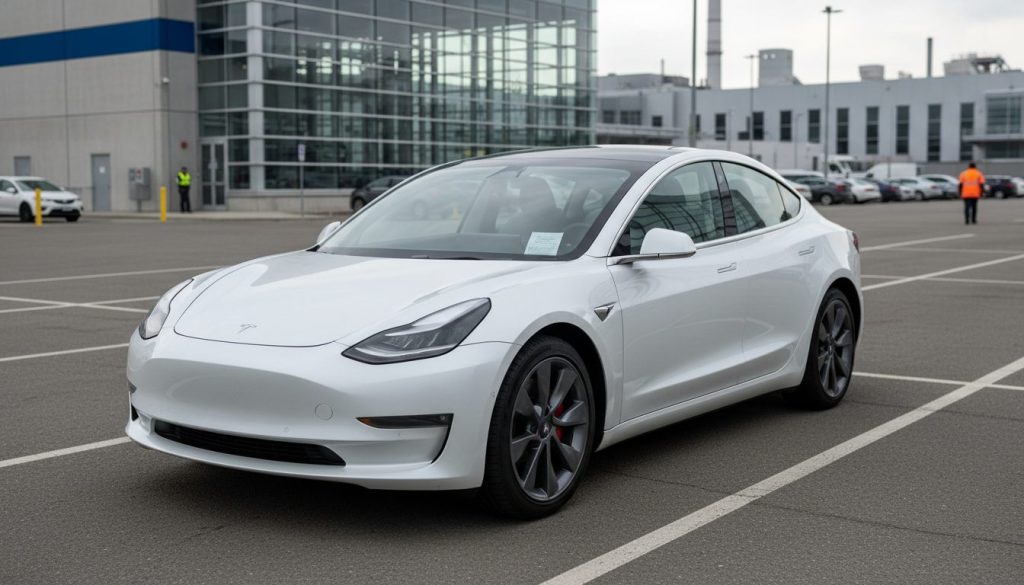
This aggressive lot segregation frequently creates highly embarrassing public relations blunders for legacy automakers. General Motors security once mistakenly ticketed a Tesla Model 3 at a manufacturing facility. The patrol guard classified the electric sedan as a foreign vehicle. That car was assembled entirely in America. These rigid enforcement tactics completely ignore the complex reality of modern automotive manufacturing. Domestic brands regularly build cars overseas. Meanwhile, foreign brands operate massive stateside factories employing thousands of American union workers.
Ford And The Historical Precedent Of Segregation
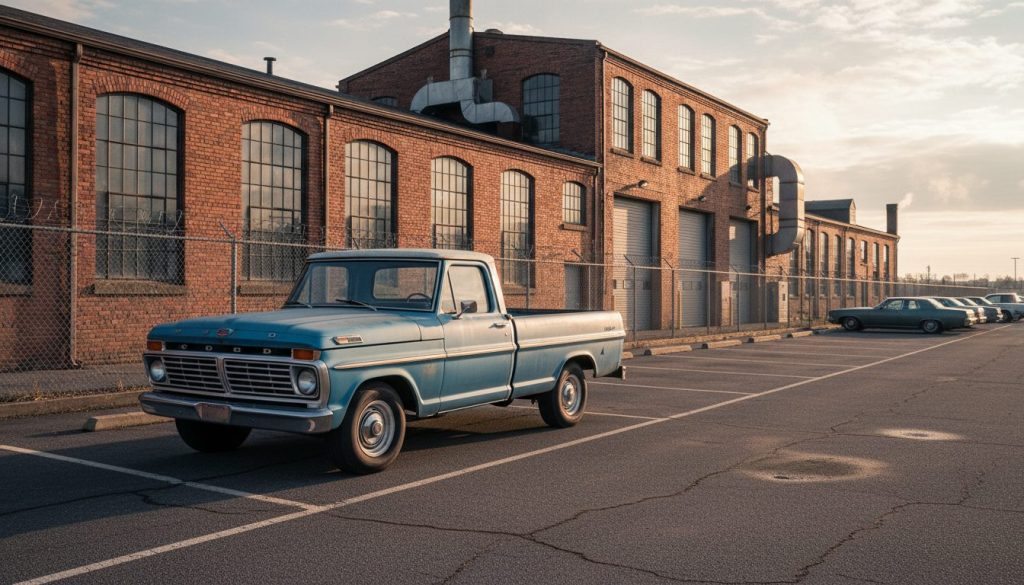
Ford Motor Company established the exact blueprint for these segregated parking strategies decades ago. Workers at the Dearborn assembly facilities who drove competing vehicles were completely banned from preferred areas. That blueprint spread rapidly across the industry. It remains a very common practice at manufacturing plants nationwide. The core philosophy centers on a simple concept regarding mutual financial support. The corporation provides the weekly livelihood. The employee is fully expected to reinvest in the corporate product portfolio without question.
The Union Perspective On Vehicle Ownership
Organized labor groups historically support these parking restrictions at domestic assembly plants. Union representatives strongly encourage their members to purchase vehicles built by their fellow brothers and sisters. The dynamics shift significantly when these rules apply to white collar corporate headquarters. Office workers frequently argue that corporate loyalty should not dictate their personal financial decisions. Executives often execute massive layoffs without warning. Employees therefore feel less inclined to blindly purchase products simply to secure a better parking spot.
Why Management Cares About Employee Commutes
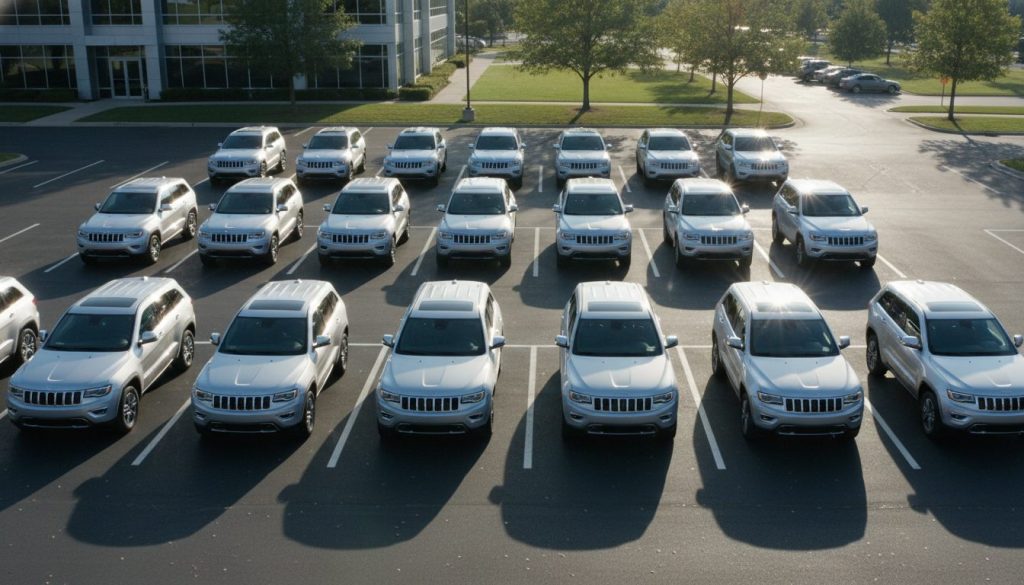
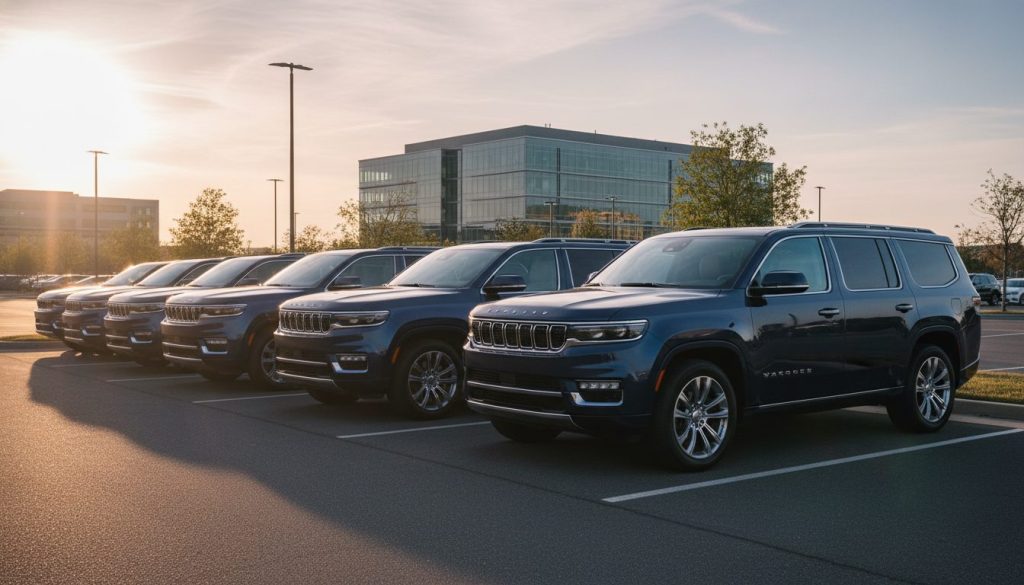
Corporate leadership views the headquarters parking lot as a massive billboard. They want visiting clients and wealthy investors seeing a sea of gleaming Jeep Grand Cherokees. That image projects absolute strength and internal confidence in the product lineup. Seeing rows of Honda Civics outside the executive offices sends a terrible message about employee faith. Management uses preferred parking as a highly visible incentive program. They desperately want to keep the immediate campus looking exactly like a captive corporate dealership.
Balancing Workplace Perks With Modern Realities

Forcing brand loyalty through parking citations creates a highly divisive atmosphere today. The industry desperately needs top engineering talent right now. Restrictive lot policies easily frustrate new hires relocating from the tech sector. Younger generations prioritize flexible working conditions over rigid corporate traditions. Automakers have every right to reward loyal employees with premium spots. Threatening to boot a competitor vehicle ultimately damages morale. It hurts the company culture far more than it boosts quarterly domestic sales figures.