Honda Posts First Annual Loss Since 1957 as $15.7B EV Retreat Cancels 3 Ohio-Built Models
Honda has reported its first annual loss since listing in 1957, announcing up to 2.5 trillion yen, about $15.7 billion, in charges on March 12, 2026. The decision followed the abrupt cancellation of 3 electric vehicles that were fully designed for production in Ohio. Executives pointed directly to the expiration of the $7,500 US EV tax credit on September 30, 2025, and rising tariff pressures as the trigger. The move signals a sharp reversal in Honda’s North American EV strategy. What unfolded next reveals how quickly decades of planning unraveled under shifting policy conditions.
Seven Decades Of Profit Disappear Overnight
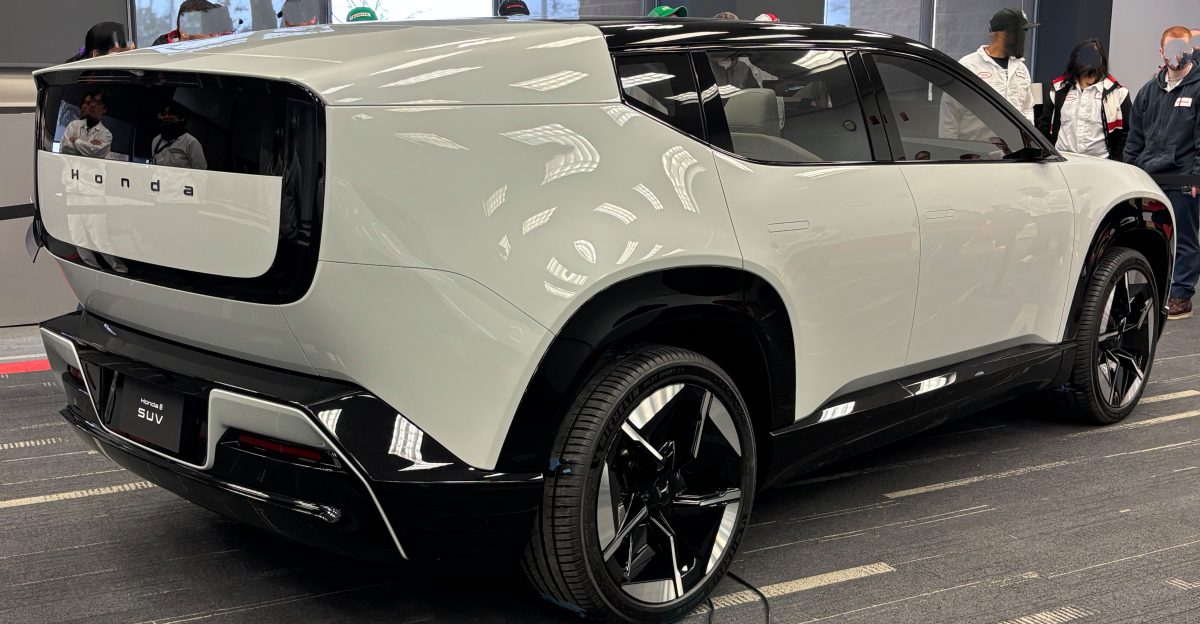
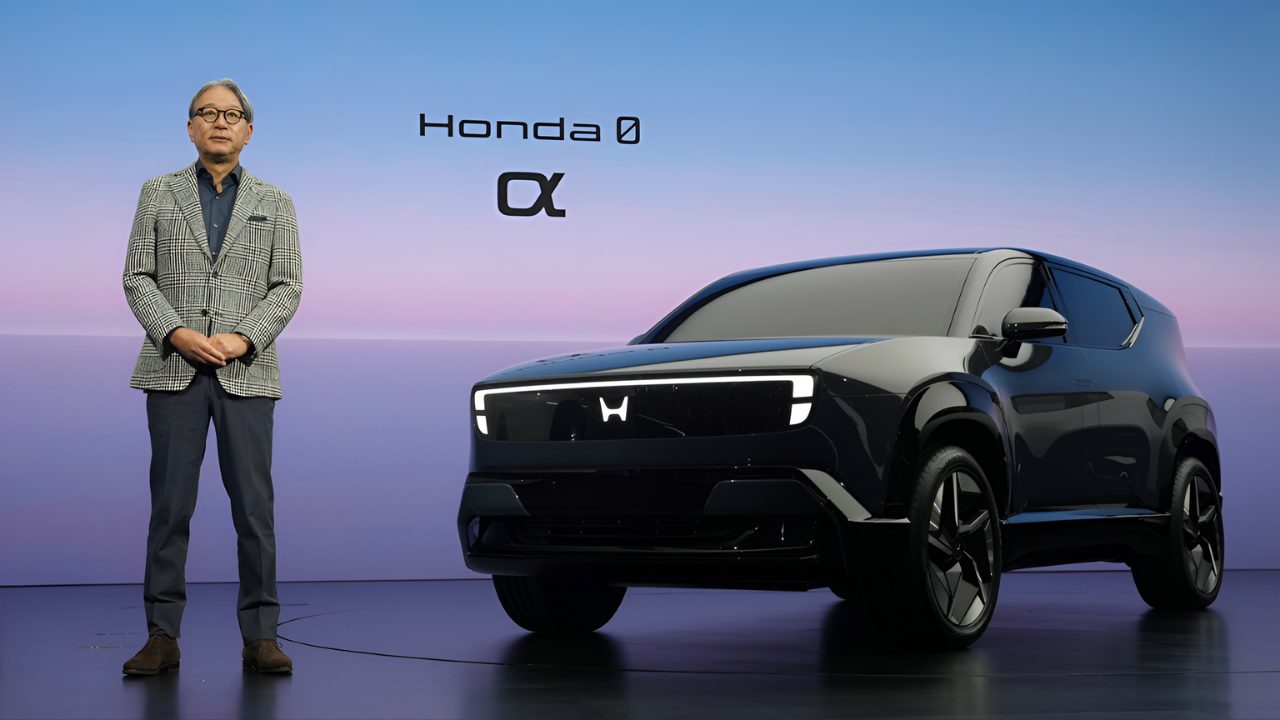
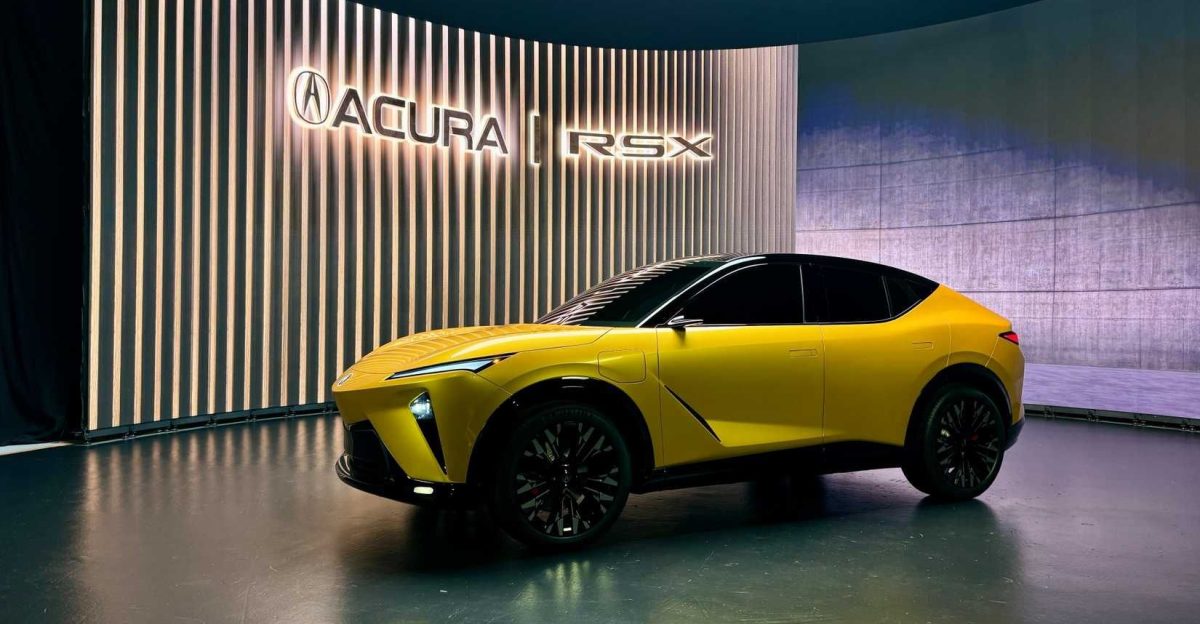
For decades Honda survived oil crises, recessions, the 2008 financial crash, and the global pandemic without posting a loss. Listing on the Tokyo Stock Exchange in December 1957, it maintained profitability every year until now. The March 12, 2026 announcement confirmed 3 finished EV models would never reach customers: the Honda 0 SUV, Honda 0 Saloon, and Acura RSX crossover. All were intended for the Marysville Auto Plant in Ohio. Their cancellation erased years of development overnight and set off deeper financial consequences across the company and future strategic uncertainty.
The Investment That Lost Its Foundation

Honda committed $4.4 billion to an Ohio battery joint venture with LG Energy Solution. The investment relied heavily on the $7,500 federal EV tax credit that had existed since 2008. On September 30, 2025, that credit expired with no phase-out. Eighteen years of policy ended overnight. EV sales growth stalled sharply in the months following the credit’s expiration. The financial assumptions supporting Honda’s expansion collapsed almost instantly, leaving executives to reconsider every major decision tied to electrification plans as external policy shifts erased expected profitability overnight completely.
Industry Losses And A Rare Admission

Ford, GM, Stellantis, and Volkswagen have all reported multi-billion-dollar EV-related charges and write-downs in recent quarters as the industry grapples with shifting demand and policy headwinds. Most companies avoided directly linking losses to policy changes. Honda broke that pattern. CEO Toshihiro Mibe called the move an “agonizing decision” and openly referenced tariffs and subsidy removal. That level of transparency shifted attention across the industry, raising new questions about what others chose not to say publicly and why silence persisted for so long.
Demand Stayed Strong Despite The Retreat

Honda’s Prologue EV sales surged 963% year over year, showing that customer demand remained strong. Buyers continued entering showrooms looking for electric options even as production plans slowed. The issue was not demand but margins under new cost pressures. Honda scaled back its multi-billion-dollar electrification investment and redirected focus toward hybrids. The shift reflected a recalculation of profitability rather than a rejection of EV technology. That distinction reshaped the narrative around what actually caused the pullback and who ultimately bears responsibility for the disruption.
The Economic Impact Behind The Headlines
US auto manufacturing capacity has declined relative to the economy’s size over recent decades, reflecting long-term competitive pressures and offshoring trends. Wharton’s budget model estimates tariffs reduce long-run GDP by 6% and wages by 5%. The same model suggests a $22,000 lifetime earnings loss for middle-income households. Honda’s $15.7 billion charge reflects one company’s exposure, yet the wider impact extends across industries, revealing how policy decisions influence competitiveness over decades rather than single production cycles, setting up consequences that extend far beyond one automaker.
Ohio Workers And Supply Chains Feel The Shock
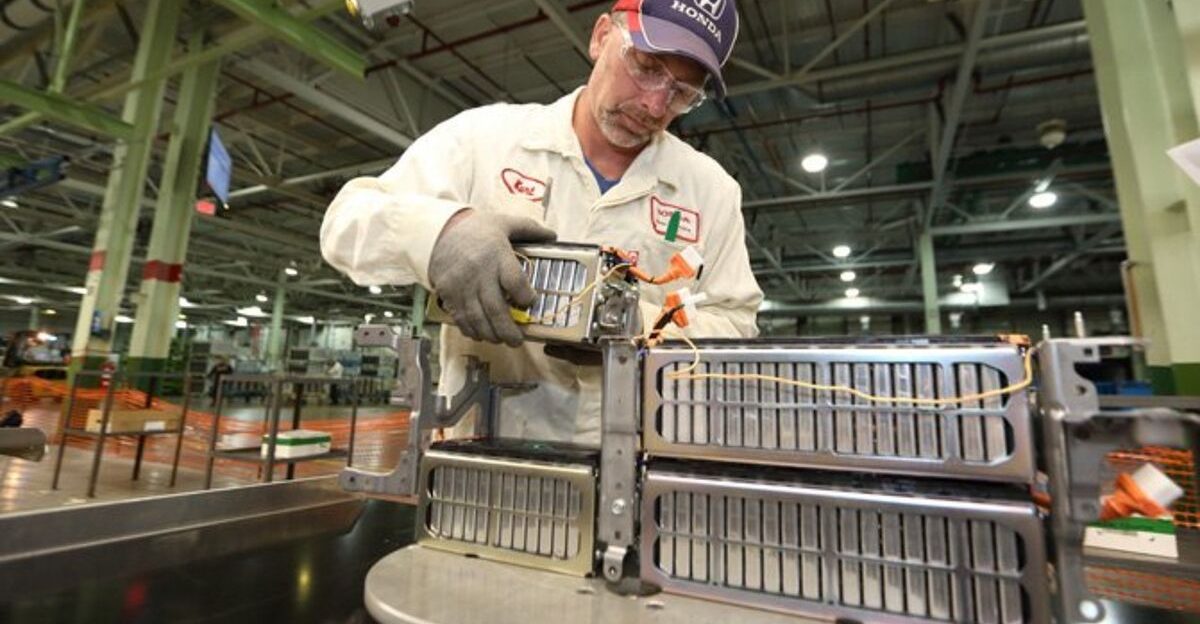
Employees at Honda’s Ohio battery plant now face an uncertain future. The $4.4 billion facility remains in place, yet its economic purpose has weakened. Days after Honda’s March 12, 2026 announcement, Sony-Honda Mobility canceled the Afeela vehicle and refunded reservation deposits. Three fully developed EV models were halted before reaching showrooms, leaving sunk costs behind. The ripple effects reached suppliers, contractors, and regional economies, raising concerns about how far the disruption could extend across manufacturing networks tied to these canceled programs.
A New Reality For Automakers

Honda’s decision introduced a shift in how automakers communicate financial risks. Analysts such as Seth Goldstein from Morningstar stated, “no automaker is abandoning plans to sell EVs.” Honda’s actions suggested a more cautious interpretation. Companies may continue pursuing EVs but with adjusted timelines and reduced exposure. Investors began questioning whether executives anticipated policy risks earlier. The broader concern now centers on whether long-term industrial investments remain viable under shifting regulations, a question that continues to influence where future capital is deployed.
Political Pressure Begins To Shift
Political context shaped how openly Honda addressed its losses. Presidential approval stood at 47% in January 2025 and declined to 36% by March 24, 2026. Corporate leaders often weigh political risk when making public statements. Honda’s willingness to cite tariffs and subsidy changes suggested a shift in that calculation. Capital increasingly flows toward regions with perceived policy stability, including Mexico and China. If more automakers speak openly, policymakers may face growing scrutiny from investors and workers, raising stakes that extend beyond financial performance.
What This Turning Point Really Means
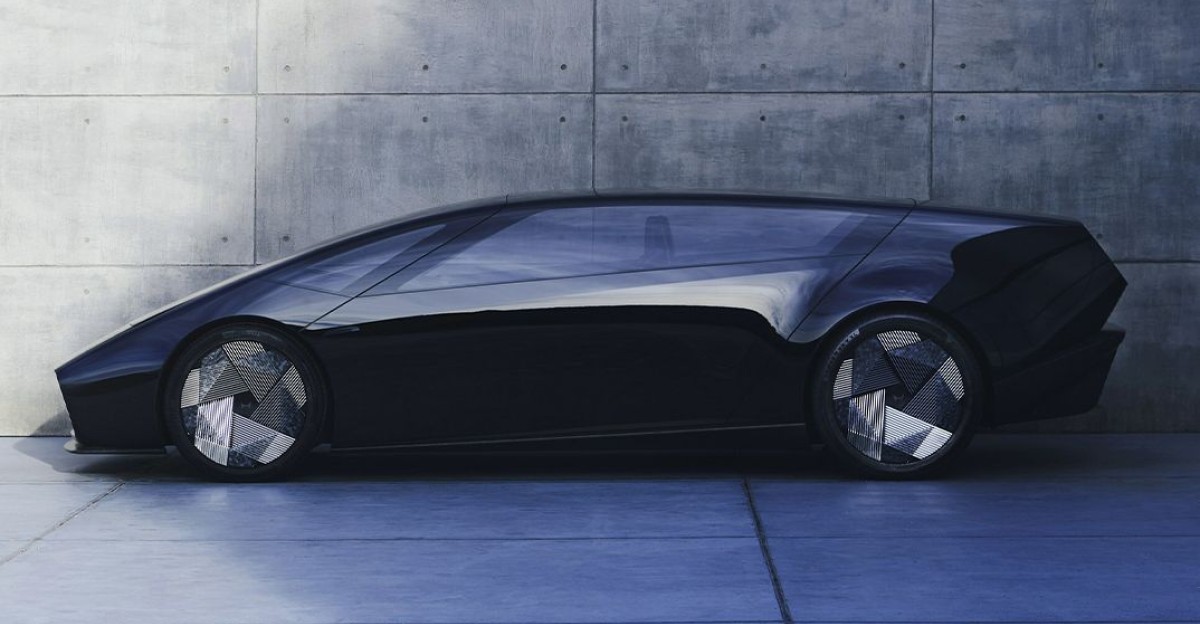
Public perception often frames EV challenges as weak consumer interest. Honda’s data tells a different story. Prologue sales rose 963% while 3 new EV models were canceled. Demand existed, yet profitability constraints drove decisions. Honda is now prioritizing hybrids instead of accelerating its EV rollout. Policymakers face limited options: adjust incentives, maintain current policies, or increase trade measures. Each path carries consequences for industry stability. The next automaker to revise plans or speak openly may determine whether this moment becomes an isolated event or a lasting shift.
Sources:
Honda flags first annual loss, hit by $15.7 billion EV charge. Reuters, March 11 2026
Revision to forecast for consolidated financial results; Honda Motor Co. Honda Global, March 11 2026
Honda warns of $16bn hit on its pivot away from EVs. Deutsche Welle, March 12 2026
Honda scraps its EV future in $15.7bn retreat. Automotive Manufacturing Solutions, March 17 2026
Honda cancels radical 0 Series EVs just months before launch. CarExpert, March 11 2026
963% surge: Honda hits explosive EV sales growth in the US. Gulf News, July 18 2025
The Economic Effects of President Trump’s Tariffs. Penn Wharton Budget Model, March 15 2026