Consumer Reports Names 5 Popular EVs With The Best Real-World Range Amid Fuel Crisis
Gas prices in the United States have jumped 30% in recent weeks, pushing more drivers toward electric vehicles and putting one question front and center: how far can they really go? Consumer Reports answered that by testing 26 EVs on real highways at 70 mph until their batteries were fully drained. The results revealed wide gaps between official EPA estimates and actual performance, with some models exceeding expectations by up to 51 miles. For buyers weighing costs and reliability, these findings reshape how electric range should be judged before making a purchase decision.
Why EPA Range Numbers Fall Short

The Environmental Protection Agency tests vehicles using standardized lab drive cycles that top out at about 60 mph, according to Consumer Reports findings. Real highways operate at 70 to 75 mph, where energy use rises sharply. Consumer Reports found that about half of the EVs it tested fell short of their EPA estimates at highway speeds. Automakers are allowed to self certify range figures, leading to uneven accuracy across brands. For buyers spending about $60,000, that gap can mean missing a charger by dozens of miles.
Highway Driving Changes Everything For EVs
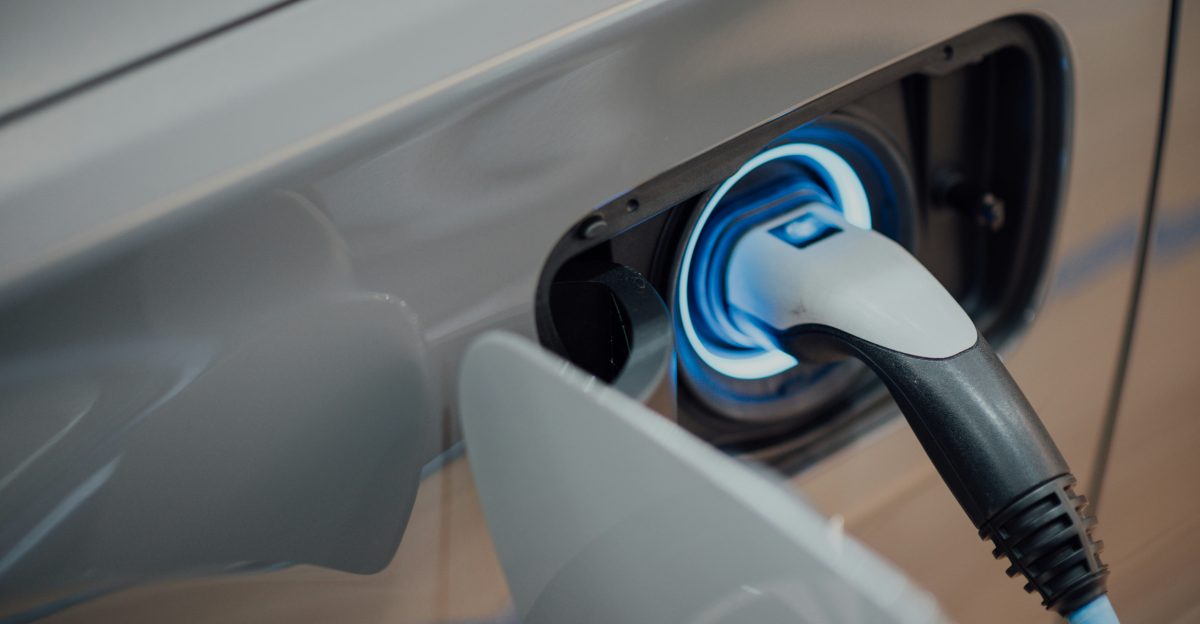
Electric vehicles lose efficiency faster at highway speeds than gasoline cars, according to Consumer Reports testing data. Driving at 70 mph with air conditioning increases battery drain and reduces usable range quickly. Alex Knizek, director of auto test development at Consumer Reports, warns that running out of charge on a highway means calling a tow truck, which can be both inconvenient and costly and can waste hours of your day. With gas prices nearing $4 per gallon, more drivers are reconsidering how far EVs can reliably travel.
How Consumer Reports Tested Real Range

Consumer Reports bought vehicles anonymously and tested them on Connecticut highways at a constant 70 mph. Drivers continued past zero miles on the display until each vehicle stopped completely, capturing total usable range. This method includes factors like temperature, wheel size, and climate control, which lab tests ignore. The nonprofit documented each run to ensure consistency across models. Five vehicles stood out by exceeding EPA estimates by 15 to 51 miles, offering drivers more confidence during long distance trips across busy interstate routes.
1. BMW i4 M50
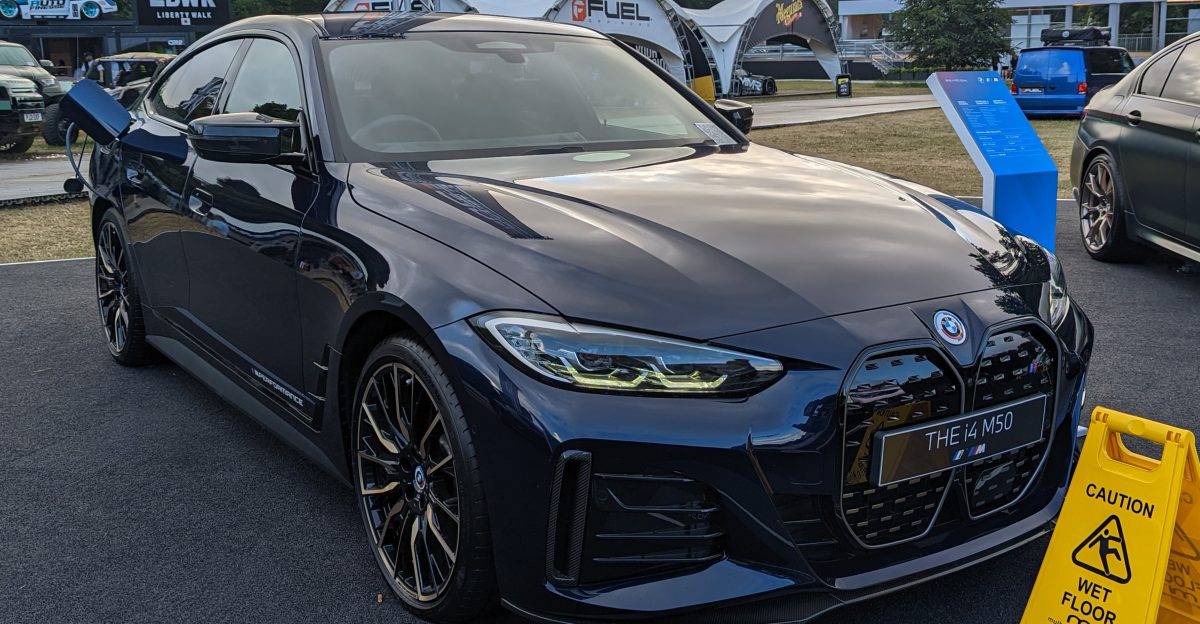
The 2023 BMW i4 M50 achieved 318 miles of highway range compared to its roughly 271 mile EPA rating, exceeding expectations by 47 miles. That equals about 17% more driving than the federal sticker promises, according to Consumer Reports testing. Equipped with an 81.5 kWh battery and all wheel drive, the sedan balances performance with efficiency. BMW’s conservative certification approach leaves drivers with extra usable range on long trips. Among all vehicles tested, this model delivered the highest margin above its official estimate.
2. BMW i5 M60
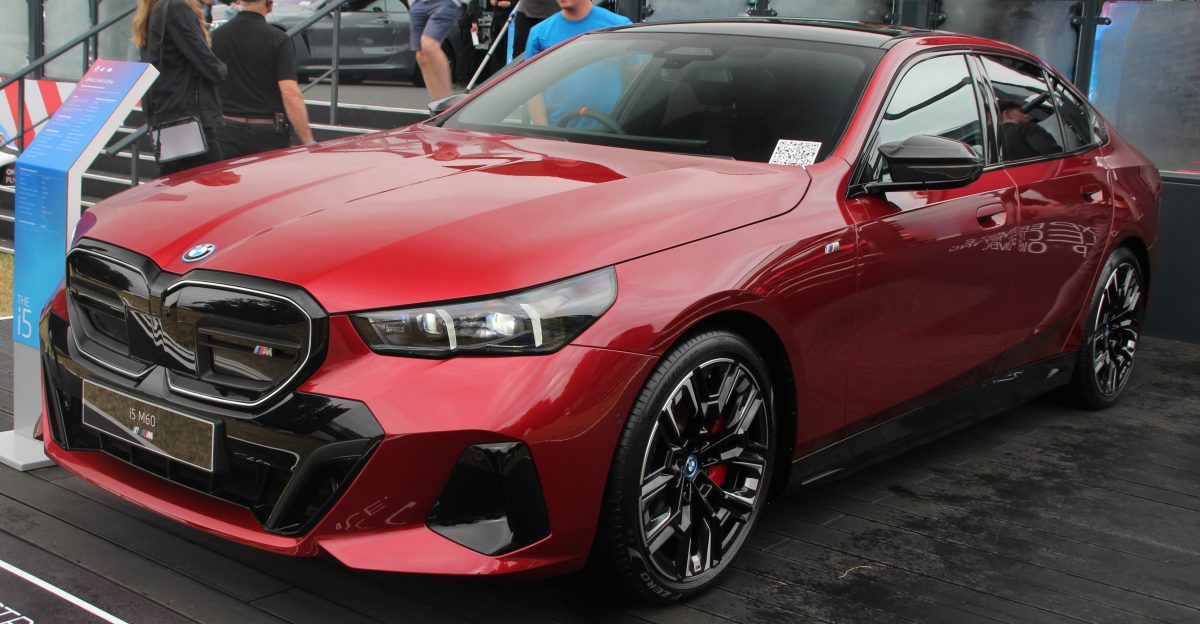
The BMW i5 M60 recorded 295 miles of highway range, surpassing its 250 mile EPA estimate by 45 miles. That represents an 18% improvement in Consumer Reports testing. The sedan’s large battery and efficient management help sustain range at highway speeds. Even with larger 20 inch wheels, aerodynamic design helps preserve efficiency. This performance suggests BMW’s engineering focuses on real world outcomes rather than optimistic lab numbers, reinforcing a pattern that becomes clearer when comparing other premium EVs in the results.
3. Mercedes EQE SUV
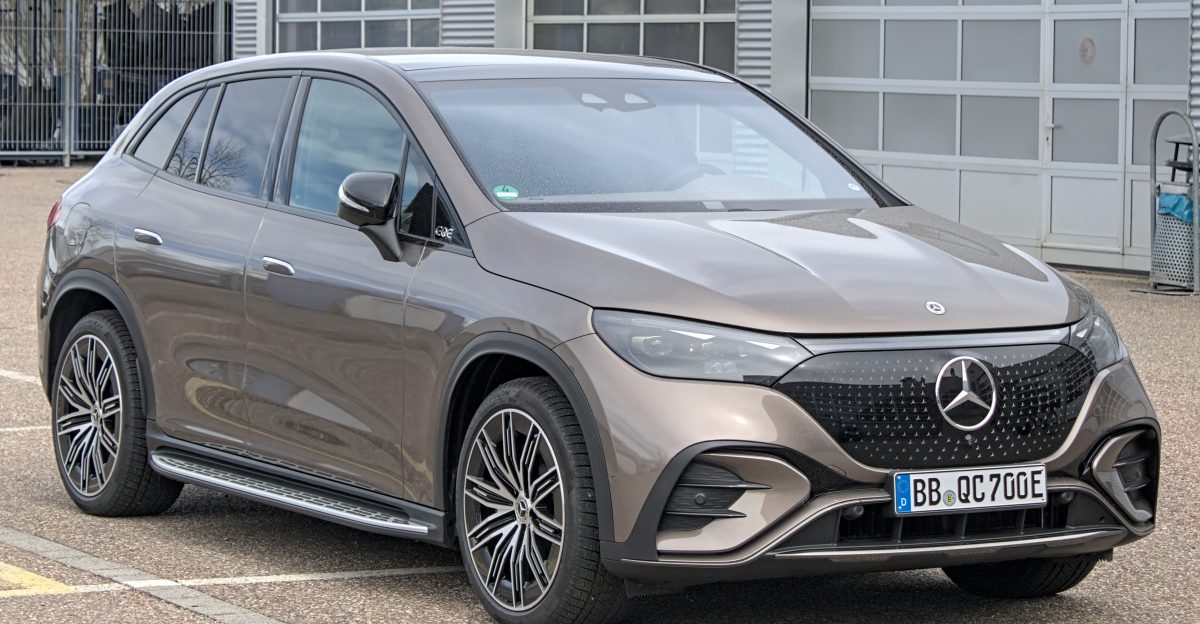
The 2023 Mercedes-Benz EQE SUV 350 4Matic reached 284 miles in highway testing, outperforming its 253 mile EPA rating by 31 miles. That equals a 12% gain under real conditions. Despite the higher drag of an SUV body, the vehicle’s energy management system maintains efficiency at steady speeds. Consumer Reports data highlights how thermal control plays a role in preserving range. For families considering electric SUVs, this result shows that size does not always reduce performance, hinting at how smaller models might perform next.
4. Mini Countryman SE
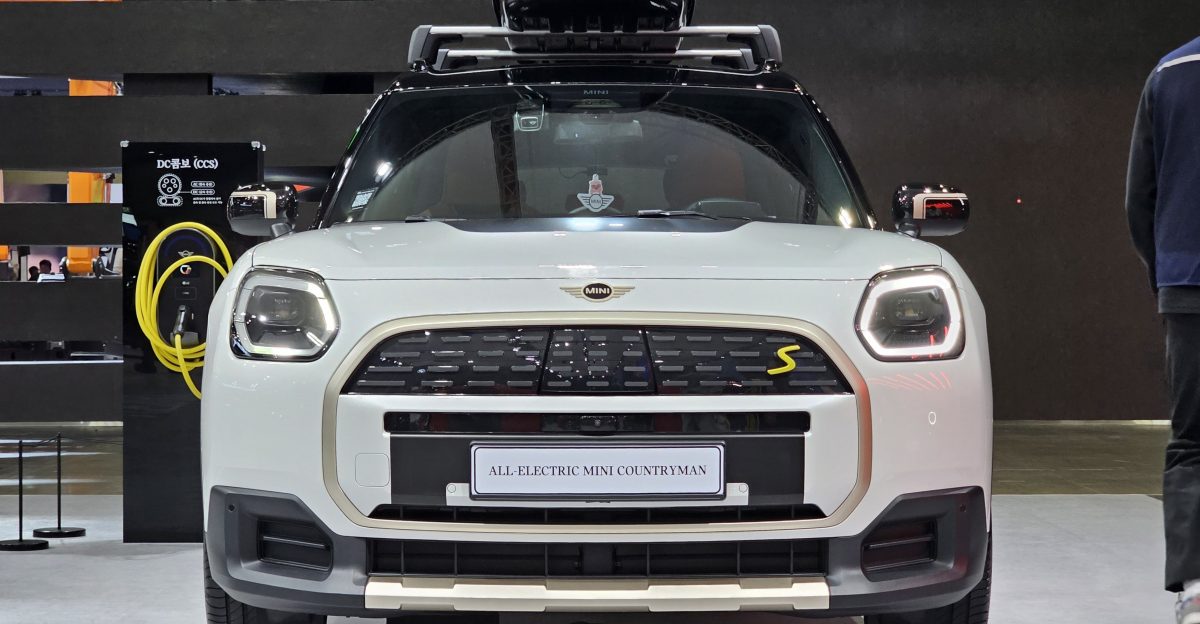
The 2025 Mini Countryman SE All4 achieved 237 miles on highways, beating its 212 mile EPA estimate by 25 miles. That translates to a 12% improvement in Consumer Reports testing. Its compact size and 18 inch wheels contribute to better efficiency at sustained speeds. The powertrain maximizes output from a smaller battery, making it a strong option in the crossover segment. This result shows that range gains are not limited to luxury vehicles, raising curiosity about how performance focused EVs handle similar conditions.
5. Hyundai Ioniq 5N
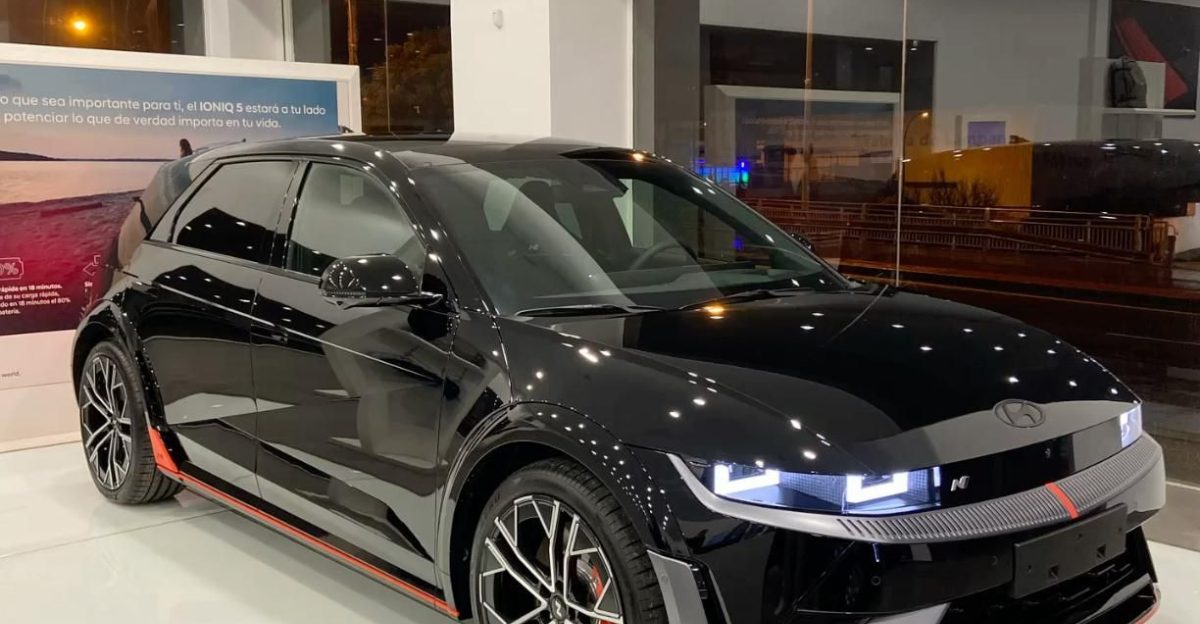
The 2025 Hyundai Ioniq 5N delivered 236 miles of highway range compared to its 221 mile EPA rating, exceeding expectations by 15 miles. That equals a 7% improvement despite its 21 inch wheels and more than 600 horsepower output. The vehicle uses an 800 volt system to manage energy efficiently during sustained driving. Consumer Reports confirmed the results at 70 mph under controlled conditions. This performance highlights how engineering decisions can preserve range even in high output vehicles, shaping expectations for future models.
What These Results Mean For Buyers
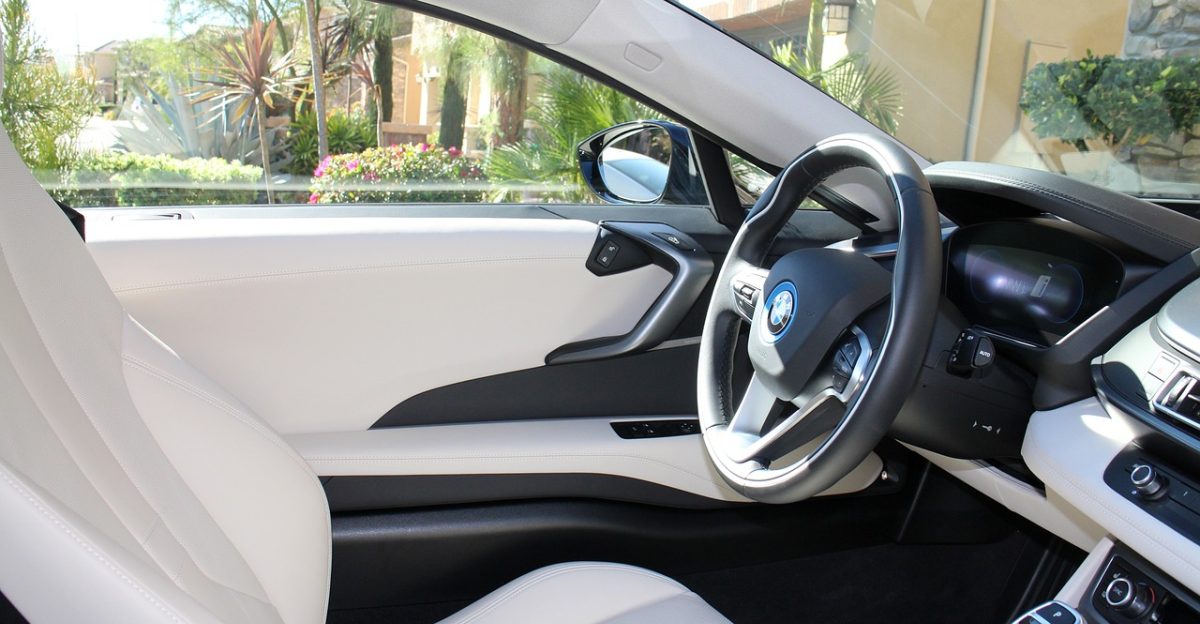
These five EVs show that real world range depends on engineering choices more than EPA estimates alone. Consumer Reports testing highlights how some automakers provide conservative figures that lead to better on road performance. With vehicles priced between $40,000 and $80,000, range accuracy directly affects daily usability and long distance travel planning. Buyers who rely only on federal labels risk unexpected shortfalls. Independent highway testing offers clearer guidance, helping drivers choose vehicles that deliver consistent performance when it matters most.
Sources:
Consumer Reports Names 5 Popular EVs With the Best Real-World Range. TheStreet, March 22, 2026
Real-World Electric Car Range Comparison. Consumer Reports, December 4, 2023
US Pump Prices Jump 30% Since Middle East War Began. Reuters, March 19, 2026
Fuel Economy and EV Range Testing. Environmental Protection Agency, accessed March 2026