$30B ‘Dieselgate’ Automaker VW Recalls 138,000 EVs After Batteries Start Catching Fire
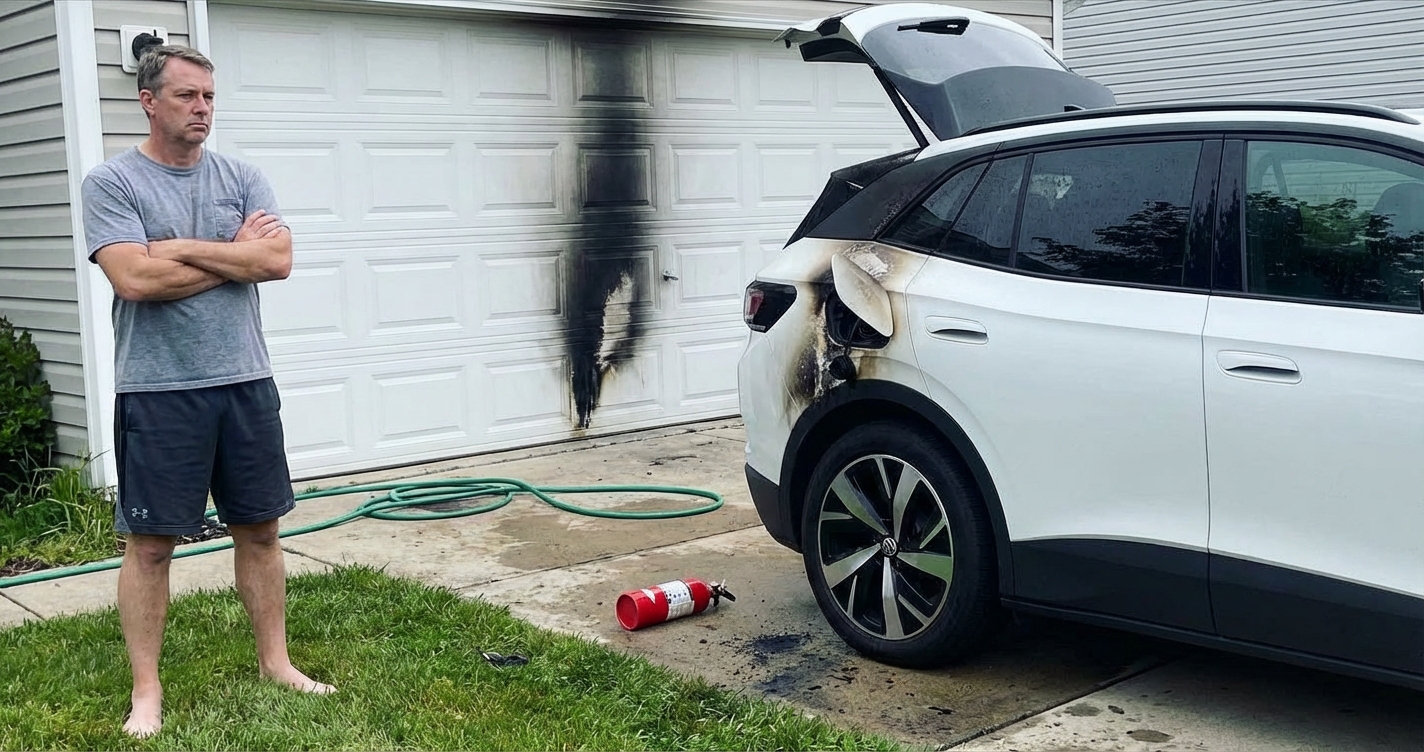
Somewhere in Illinois, in January 2024, a Volkswagen ID.4 plugged into a Level 3 charger started burning. Not smoking. Burning. The owner wasn’t inside. Nobody died. But the fire didn’t care about Volkswagen’s $30 billion Dieselgate redemption tour or the billions more poured into building an electric future. It just burned, hot enough to melt the promise that German engineering had finally cleaned up its act. Four more ID.4 fires followed through 2025, including incidents in California, Utah, and Colorado. Volkswagen kept selling the cars.
A Familiar Pattern Returns
Five battery fires across 2024 and 2025. California, twice. Utah. Illinois. Colorado. Each traced back to the high-voltage battery module. Volkswagen launched an internal investigation, pulled affected packs, and shipped them for CT imaging by June 2025, though results were initially inconclusive. After another thermal event in Colorado in August 2025, a teardown analysis conducted in late September identified a supplier defect: misaligned electrodes in battery cells manufactured by SK Battery America, a subsidiary of South Korea-based SK On. The same company trusted to build the heart of VW’s electric fleet had delivered cells with a flaw that could trigger thermal runaway. The $30 billion lesson from Dieselgate was supposed to prevent exactly this.
The Myth of Reform
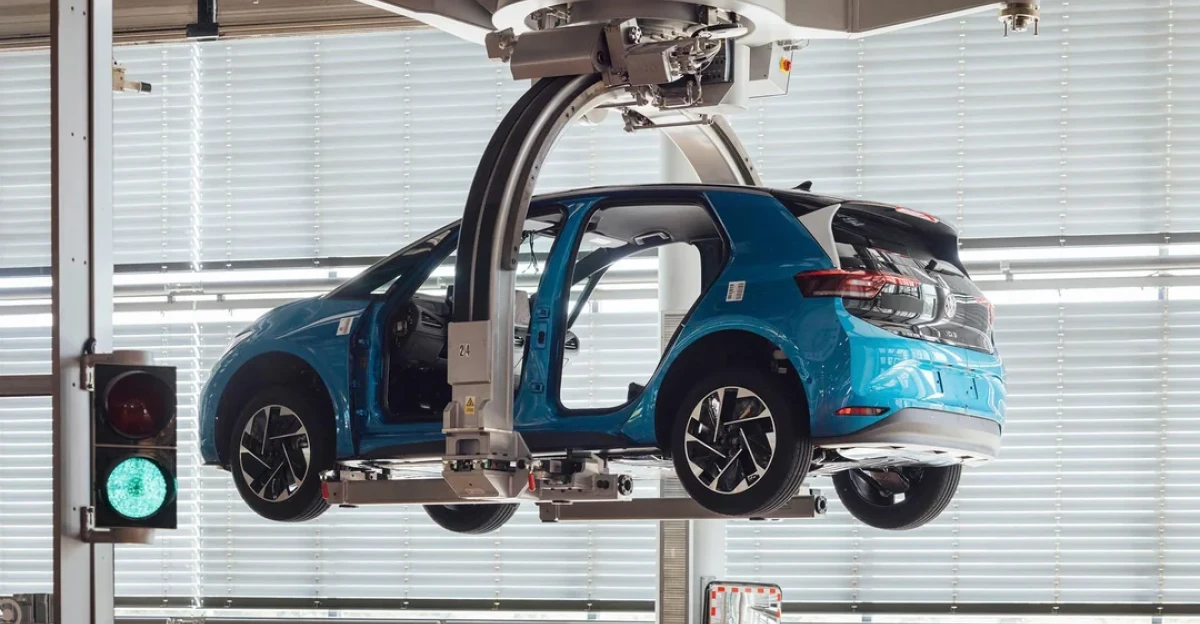
Volkswagen spent a decade telling the world it had changed. Announced plans to invest roughly €180 billion in electrification through 2030. Built electric vehicle production capacity across Europe and China. The entire MEB platform was supposed to serve as proof that the company had moved past the emissions scandal. But massive capital investment doesn’t automatically buy quality control. The battery defect escaped factory inspection, reached consumers, and only surfaced when cars started catching fire in driveways and parking lots. Sound familiar? Dieselgate followed the same arc: internal deviation, external discovery.
Approximately 138,000 Vehicles, Two Continents
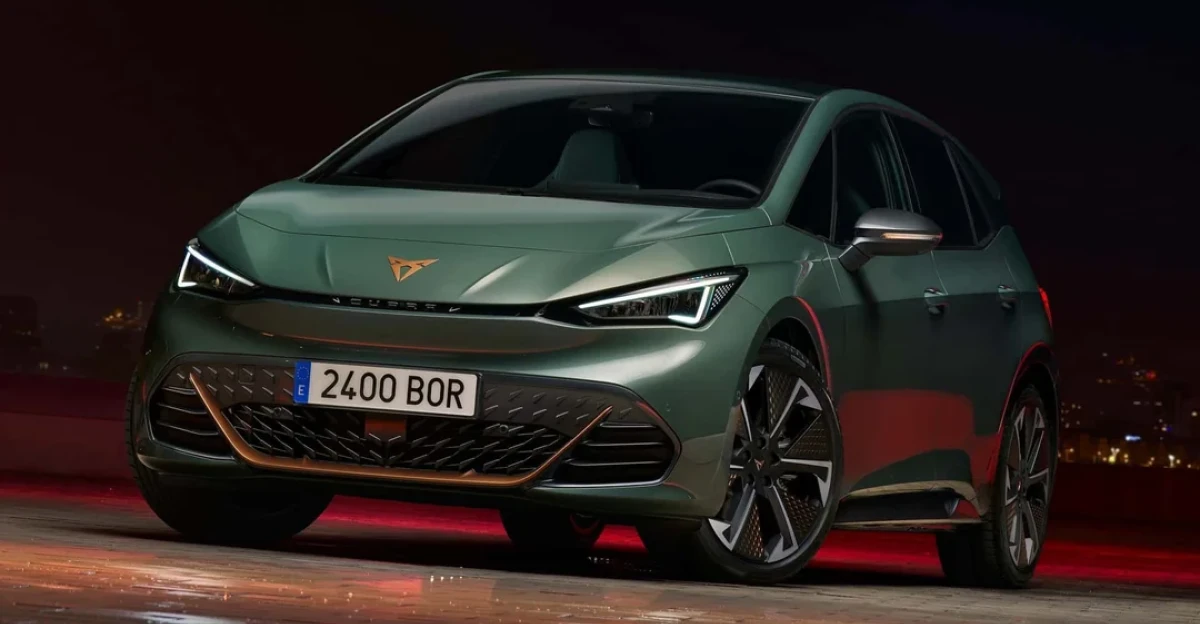
The recall landed in stages starting late 2025 and expanding in early 2026. In Europe, Volkswagen announced plans to recall around 94,000 MEB-platform vehicles: ID.3, ID.4, ID.5, ID. Buzz and Cupra Born models. Germany alone accounted for roughly 28,000 units. In the United States, three separate recalls covered 44,551 ID.4s: an initial December 2025 recall of 629 vehicles, followed by two January 2026 recalls covering 670 and 43,881 vehicles respectively. Total global scope: approximately 138,000 electric vehicles pulled back for battery inspection and potential module replacement. For the 670 highest-risk U.S. ID.4s in the more urgent recall, Volkswagen issued interim guidance that read like a warning label for a grenade: park outside immediately after charging, limit charge to 80%, avoid DC fast charging entirely. Those 670 vehicles were slated for immediate battery pack replacement.
The Hidden Mechanism
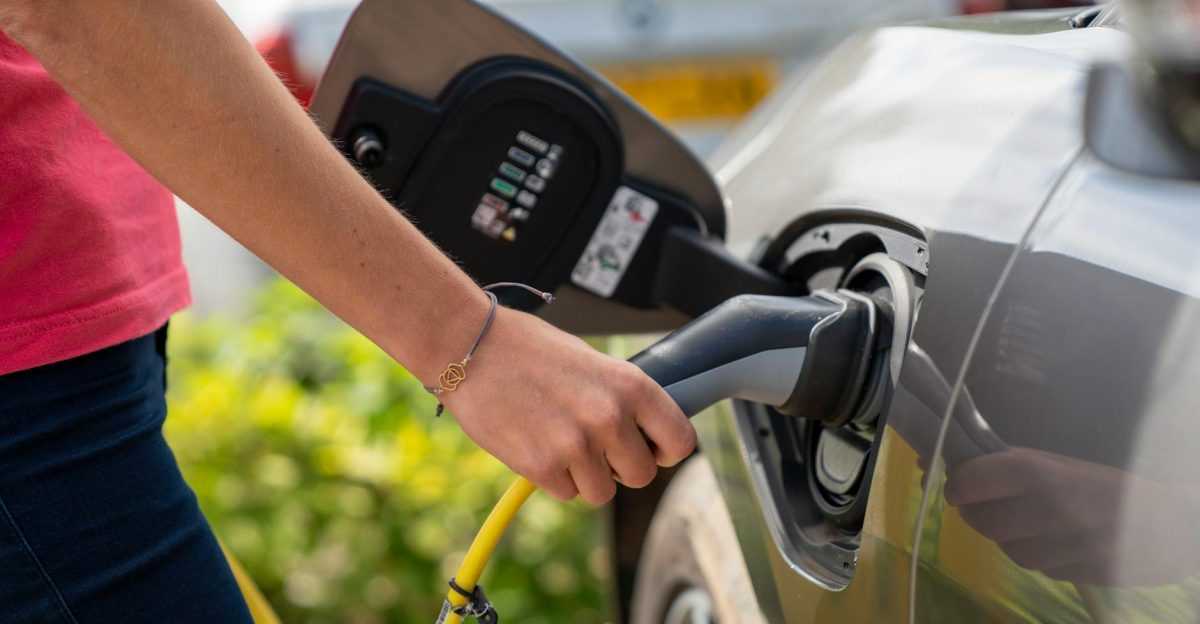
Thermal runaway is the technical term. The reality is simpler and worse. When a lithium-ion cell’s separator fails and electrodes make contact, an unstoppable chain reaction begins: exothermic decomposition, extreme temperatures, flammable gas release. Fire becomes physics, not probability. SK Battery America’s misaligned electrodes created exactly the conditions for that chain reaction. Volkswagen’s own interim safety guidance confirms the company’s engineers treat fire as a genuine, not theoretical, risk. That guidance is the quiet admission buried inside the recall paperwork. The automaker knows what these batteries can do.
The Numbers Nobody Wants to See
UK fire brigades responded to roughly 1,330 lithium-ion battery fires in 2024, according to QBE Insurance data. That’s more than three per day. A 93% surge since 2022. Fires involving electric vehicles specifically rose 77% in the same window, reaching 232 incidents. Volkswagen’s recall sits inside that accelerating trend, not outside it. Meanwhile, consumer EV skepticism continues to climb, with charging infrastructure and battery safety among the top concerns. VW Group’s global vehicle deliveries edged down 0.2% in 2025 to 9.02 million units, while deliveries in China fell 6% amid stronger competition from local manufacturers.
The Ripple Hits Everyone
Volkswagen announced plans to cut roughly 50,000 jobs in Germany by 2030, with about 35,000 from the core VW passenger cars division. The company scaled back its five-year investment plan from €180 billion to roughly €160 billion. That’s not a trim. That’s an automaker flinching. Operating profit dropped 54% in 2025 to €8.9 billion. And the recall doesn’t just hit Volkswagen. Every automaker building on lithium-ion chemistry now faces the same consumer trust erosion. One company’s defective supplier cells become the entire industry’s credibility problem. The ripple from those fires reaches far beyond Wolfsburg.
A New Rule, Not an Exception
Dieselgate was supposed to be the anomaly. The once-in-a-generation failure that forced reform. Eleven years later, the pattern repeats: a critical vehicle system compromised by supplier deviation, escapes factory quality checks, and is discovered only through real-world incidents. Once you see that pattern, every reassurance rings hollow. Financial penalties don’t fix organizational culture. Roughly $30 billion in Dieselgate costs bought settlements, not systemic change. The battery recall proves it. Volkswagen’s second major safety crisis in a decade suggests this is a structural vulnerability, not bad luck. The precedent is now set.
What Breaks Next
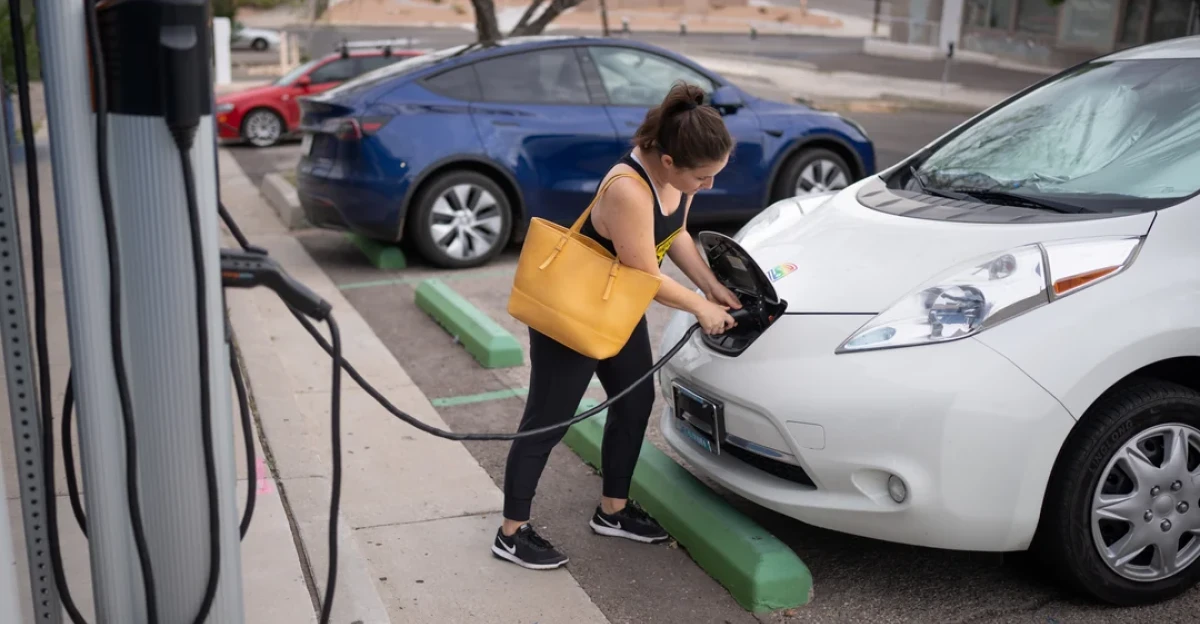
With consumer EV skepticism climbing and charging infrastructure concerns widespread, the timing of Volkswagen’s recall couldn’t be worse. Every month the recall drags on, every ID.4 owner told to park outside and charge to 80%, erodes the trust Volkswagen spent a decade and hundreds of billions trying to rebuild. The job cuts haven’t even fully landed yet. The financial bleeding from Dieselgate never truly stopped.
The Question Volkswagen Can’t Answer
Volkswagen paid more than $30 billion to survive Dieselgate. Rebuilt its entire product strategy around electric vehicles. Bet the company’s future on batteries. And the batteries caught fire. The person who reads this and understands the pattern knows something most people don’t: the money was never the fix. The fix required changing how Volkswagen vets suppliers, tests components, and catches defects before customers do. That change either hasn’t happened or hasn’t worked. And with approximately 138,000 recalled vehicles as evidence, the next crisis isn’t a matter of if.
Sources:
WardsAuto, “Volkswagen recalls more than 44,000 EVs for battery fire risk,” February 5, 2026
Reuters, “Volkswagen recalls nearly 100,000 EVs over battery issues,” March 24, 2026
BBC News, “Volkswagen diesel emissions fixing bill hits $30bn,” September 28, 2017
International Fire & Safety Journal, “UK lithium-ion battery fires rise 93% in two years,” January 8, 2026
Anadolu Agency, “Volkswagen to cut 50,000 jobs in Germany by 2030 as profit plunges,” March 9, 2026
Yahoo Finance, “Volkswagen sets out €160bn investment plan through 2030,” December 8, 2025