$15.7B Honda EV Strategy Implodes—65,000 Vehicles Recalled as Speedometers Shut Down Mid-Drive
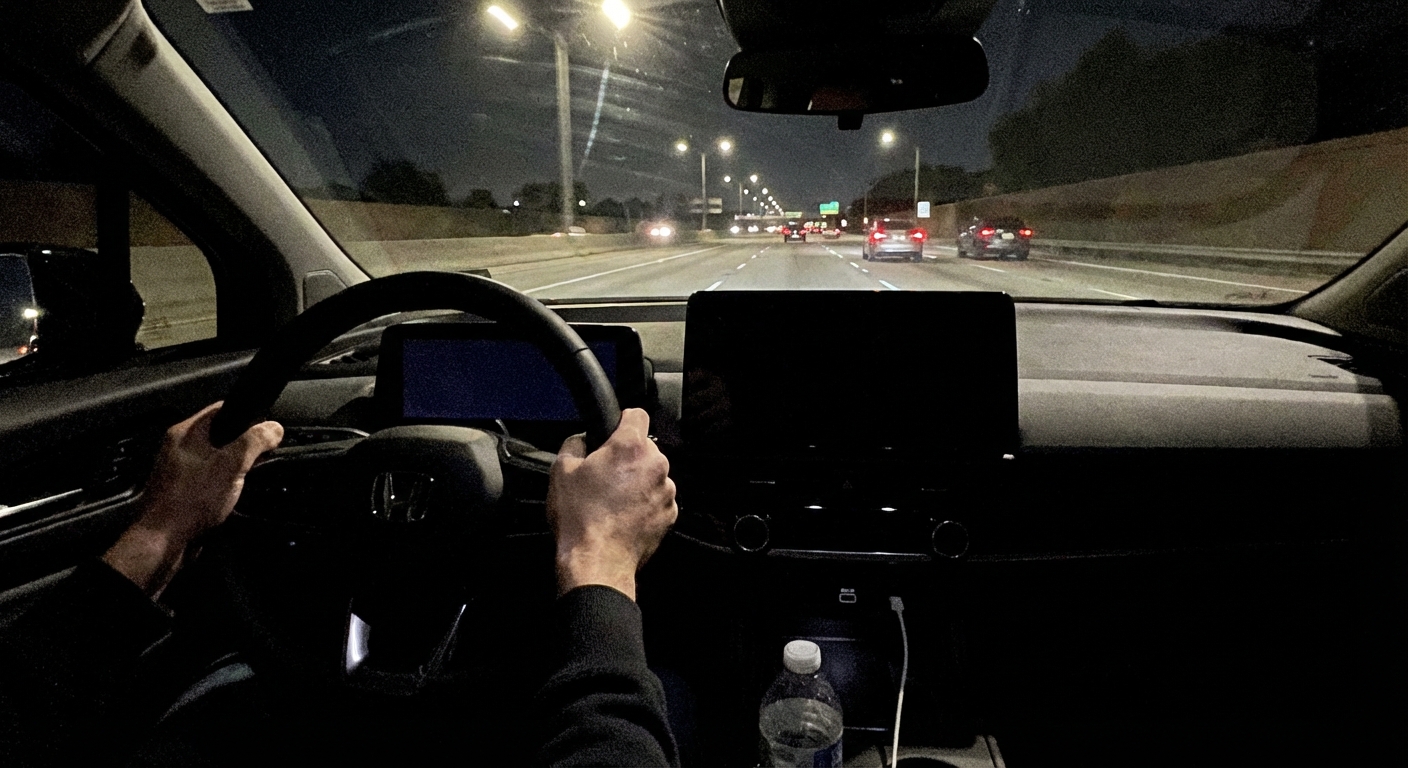
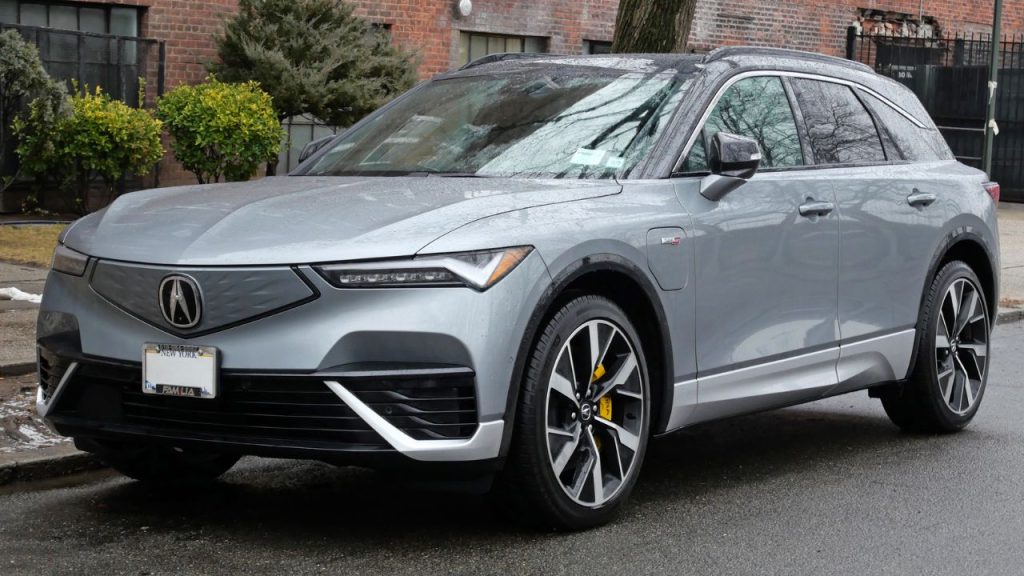
Picture this: you’re cruising at highway speed in your brand-new electric SUV, and the entire instrument cluster vanishes. No speedometer. No warning lights. No turn signal indicators. Just a black screen staring back at you while traffic closes in. That scenario is now a documented reality for owners of 65,135 Honda Prologue and Acura ZDX electric vehicles, all 2024 models, all affected by software defects in the Radio Control Module that can cause displays to go blank. Honda filed the recall. But the recall barely scratches the surface of what went wrong.
The $15.7 Billion Confession
Eight days after the recall went public, Honda announced expected losses of up to $15.7 billion related to its EV business restructuring and cancelled three planned electric models: the Honda 0 SUV, Honda 0 Saloon, and Acura RSX. The company posted its first annual loss in nearly 70 years. Honda’s official statement said the company was unable to deliver products that offer value for money better than that of newer EV manufacturers, resulting in a decline in competitiveness. Honda separately warned of its inability to keep up with newer companies in China, citing their strengths in software-driven vehicles and shorter development cycles. Then the software proved Honda right.
The Myth of Legacy Quality
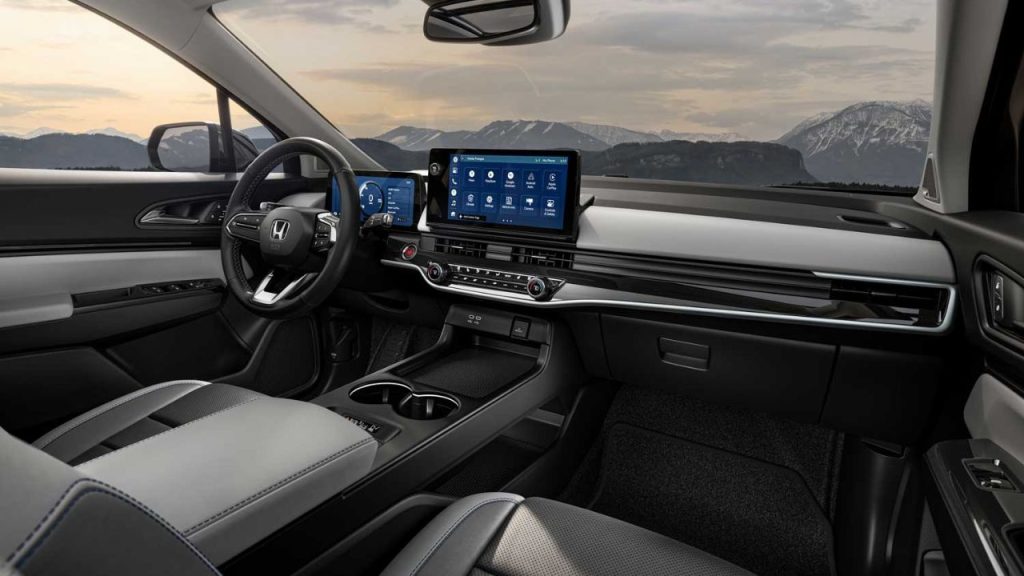
Most buyers assumed a 2024 Honda, built in partnership with GM—the Prologue at the Ramos Arizpe plant in Mexico, the ZDX at the Spring Hill Assembly plant in Tennessee—would carry more rigorous software testing than some startup out of Shenzhen. That assumption just died. The Radio Control Module, the single unit responsible for the speedometer, warning lights, turn signals, and rearview camera display, shipped with software defects that NHTSA documents describe as multiple issues within the Radio Control Module. As of February 19, 2026, Honda had logged 148 warranty claims. Zero crashes. Zero injuries. But 65,135 owners living on borrowed time.
Honda Said It Couldn’t Compete. Then Proved It.
Honda told the world it was unable to deliver products that offer value for money better than that of newer EV manufacturers, resulting in a decline in competitiveness. That was March 12, 2026. Eight days earlier, on March 4, NHTSA had already published the recall for six software defects in a safety-critical module across 65,135 vehicles. Honda and GM, combined market cap in the hundreds of billions, couldn’t ship a Radio Control Module that reliably displays a speedometer. The admission wasn’t hyperbolic. It was understated. The recall was the receipt.
One Module, Six Ways to Fail
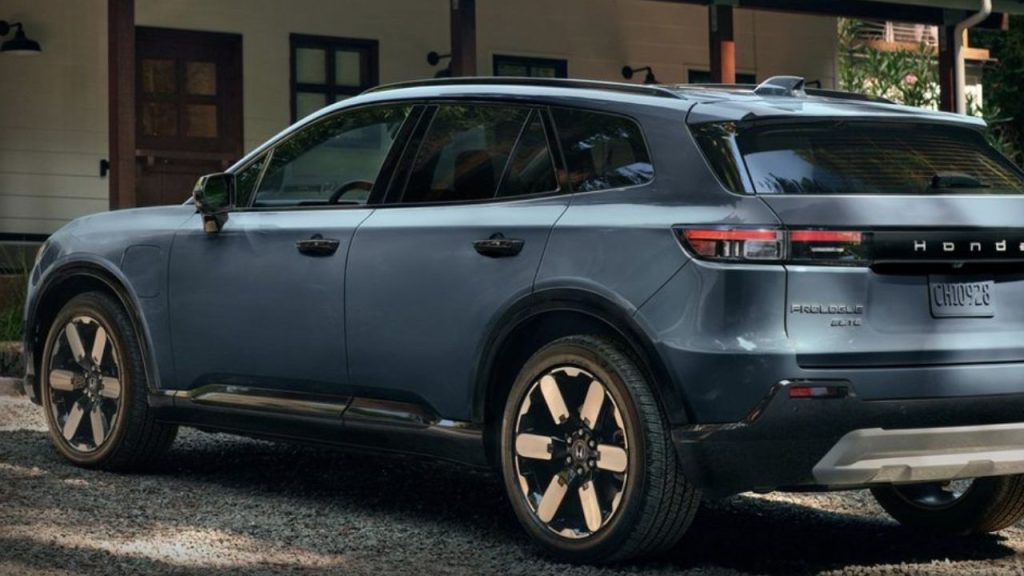
The hidden architecture tells the real story. Honda centralized every safety-critical display into one Radio Control Module with no redundancy. Speedometer, warning indicators, rearview camera feed: all routed through a single point of failure. Six independent bugs means six separate ways that module can blank your screen while you’re driving. The defect is intermittent. Restart the car, it might come back. Might not. The permanent fix requires a dealer visit for a software reprogramming. Owner notifications don’t begin until April 20, though dealers were already notified on February 27—meaning owners can seek the free repair now, but roughly 65,000 have not yet been officially informed.
The Numbers Behind the Collapse
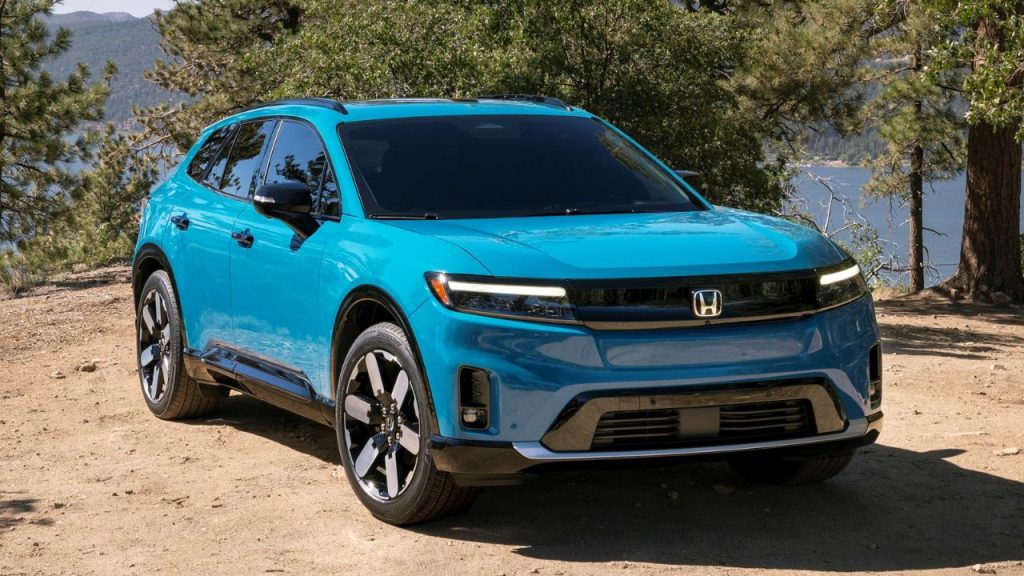
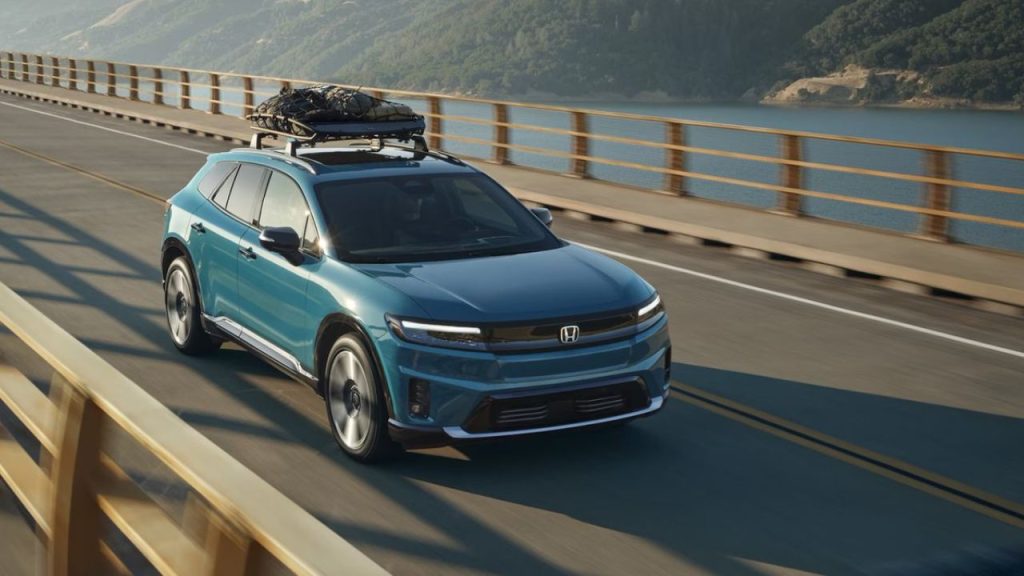
Honda sold 39,194 Prologues in 2025, but only by offering steep discounts throughout the year. After the federal EV tax credit was eliminated, Prologue sales collapsed 86% in November 2025 compared to November 2024. One of the sharpest single-month EV sales declines for a major brand following the tax credit expiration. Meanwhile, the Acura ZDX moved roughly 19,000 units during its entire existence. Dealers were stacking more than $20,000 in incentives just to clear inventory. Honda wasn’t selling EVs. Honda was paying people to take them.
Trapped With a Dead Nameplate
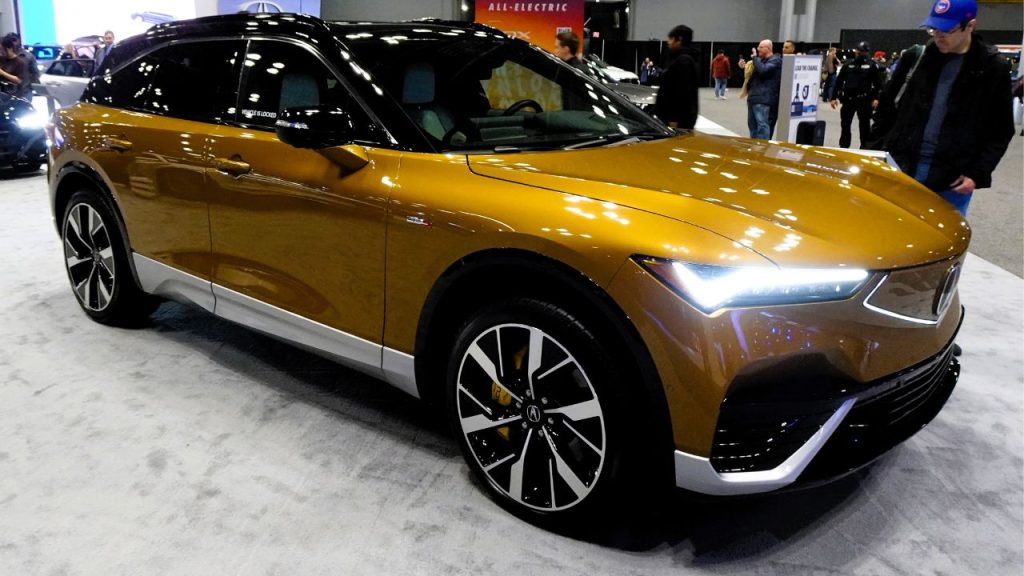
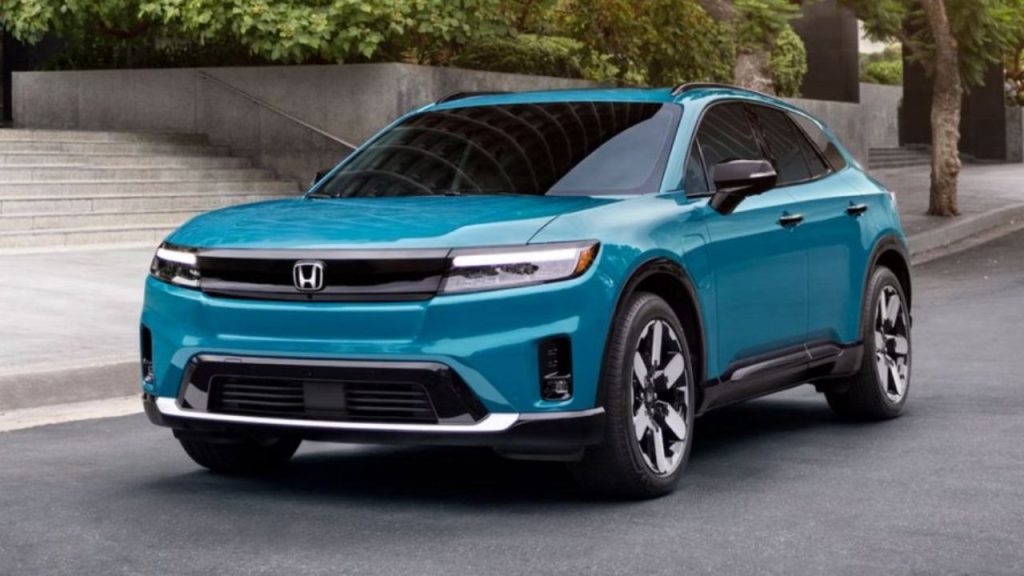
The Acura ZDX launched in mid-2024 and died in September 2025. One model year. Among the shortest production lifecycles for an Acura nameplate in modern history. Six months after production ended, the recall landed. ZDX owners now hold a discontinued luxury EV carrying a documented safety defect with no future production pipeline, no successor model, and a resale value in freefall. Prologue owners face a similar depreciation cliff. Competitors like Toyota, Hyundai, and Tesla will point to this recall as proof that legacy automakers can’t keep up.
An Industry Breaking Itself
Honda isn’t alone. Audi recalled vehicles in 2025 for blank instrument panel defects. Ford has issued large-scale backup camera recalls. The pattern is unmistakable: every major automaker rushing into EVs is shipping vehicles with software-critical defects in safety systems. Owners are beta testers for half-finished platforms while manufacturers simultaneously announce strategic retreats and billion-dollar writedowns. Once you see that pattern, Honda’s recall stops looking like an isolated failure and starts looking like a new industry standard nobody asked for.
The Clock Is Running
Owner notifications begin April 20, 2026. Until then, 65,135 drivers don’t officially know their screens can blank at highway speed. If warranty claims grow after notification, NHTSA could expand the recall scope or investigate whether six bugs represent a design flaw rather than a manufacturing anomaly. If the dealer software update fails to hold, class-action litigation becomes likely. ZDX owners, stuck with a discontinued model and cratering resale value, may petition for manufacturer buyback. Honda’s first EV chapter isn’t closing quietly.
The Rules Have Inverted
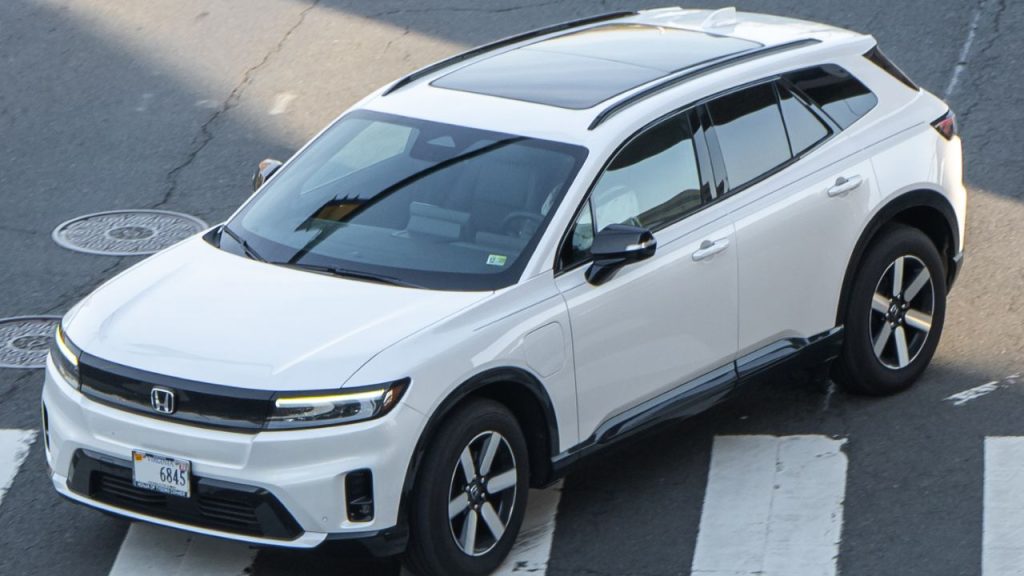
Honda may eventually discontinue the Prologue—reports from Automotive News and AutoForecast Solutions suggest production could end by December 2026—and shift ZDX support into legacy mode. Extended warranties or buyback incentives could follow to prevent lawsuits. The company will emphasize “zero injuries” and “free repair.” But the deeper damage is reputational. The old assumption was simple: legacy automakers equal quality, startups equal risk. Six defects in one module from two of the world’s largest automakers challenge that equation. The recall leaves 65,135 owners waiting for a fix—and a broader question unanswered about Honda’s software.
Sources:
“Honda Recalls More Than 65,000 Prologue, Acura ZDX EVs for Blank Screens.” National Highway Traffic Safety Administration recall summary / TFLcar, 5 Mar 2026.
“Honda Scraps Its EV Future in $15.7 Billion Retreat.” Automotive Manufacturing Solutions, mid Mar 2026.
“Honda Prologue Sales Hit Nearly 40,000 in 2025 With Big Discounts, Then Crash After Tax Credit Ends.” Electrek, 4 Jan 2026.
“Acura ZDX Is Completely Sold Out as Acura Ends Production After One Model Year, Offers Up to $30,000 in Incentives.” CarsDirect, late Sep 2025.