Ford Has Recalled Every Single Model It Makes Since 2020—Except One Car It Stopped Making
Somewhere in Dearborn, a team of safety engineers Ford says it doubled in size spent the first months of 2026 doing exactly what they spent all of 2025 doing: issuing recalls. Nineteen of them by March 18. Covering more than 7 million vehicles. Trucks that can’t stop trailers. SUVs with blind backup cameras. Sedans that catch fire while parked. The defects span every category Ford builds: software, hardware, drivetrain, suspension, electrical. And the pace is accelerating, not slowing. Ford’s fix-it strategy produced the opposite of fixed.
The Record Nobody Wanted
Before Ford’s 2025 campaign, the industry recall record belonged to General Motors: 77 recalls in 2014, a year defined by the ignition-switch scandal. Ford shattered that with 153 recalls in a single calendar year. Nearly double GM’s worst. That number alone would be staggering. But the 2026 pace projects to roughly 76 annualized recalls at the current quarterly rate, and Ford’s own history suggests acceleration, not stabilization. The company entered 2026 already carrying open investigations from October 2025. The largest single recall hadn’t even landed yet.
4.38 Million Trucks, One Software Flaw
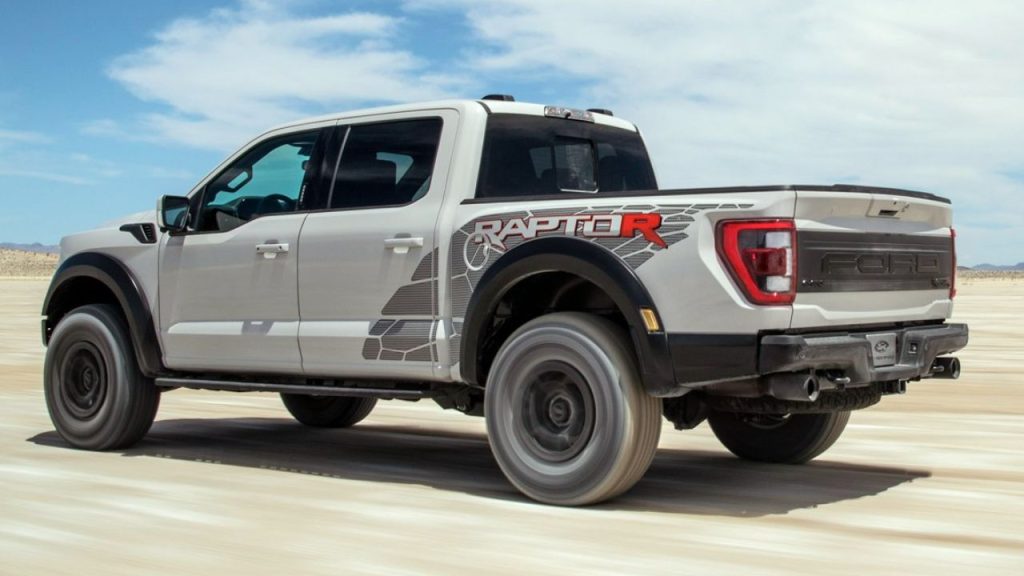
That recall arrived in February 2026: 4.38 million vehicles across the F-150, Super Duty, Ranger, Expedition, Navigator, Maverick, and Transit. The Integrated Trailer Module loses communication between the towing vehicle and the trailer. When it fails, brake lights go dark. Turn signals stop. Trailer braking disappears. NHTSA warned the defect “can reduce a driver’s ability to control an attached trailer.” Ford started investigating in October 2025. Four months passed before customers heard a word. Over-the-air updates won’t finish rolling out until May 2026.
The Strategy That Backfired
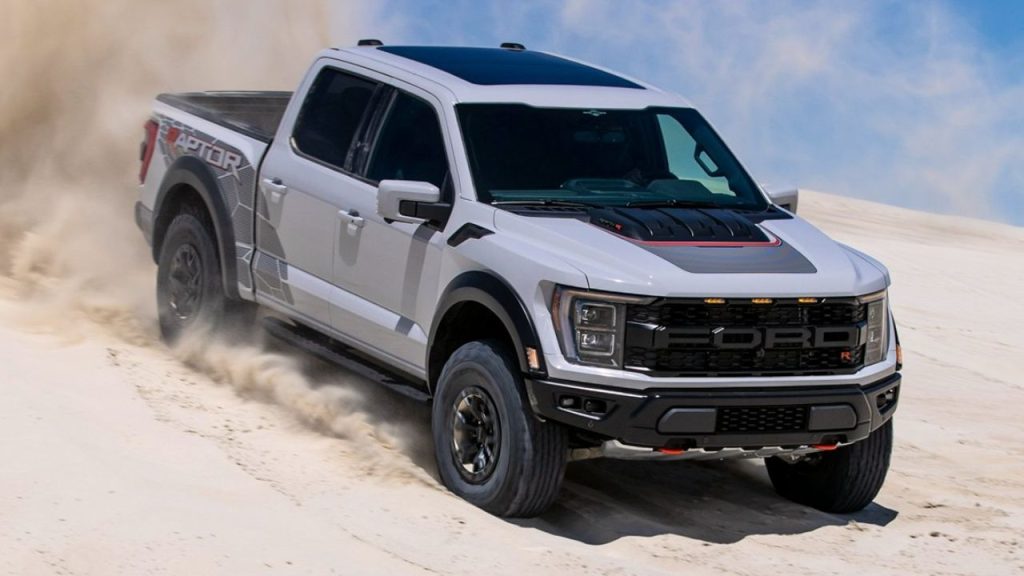
Ford’s own words from summer 2025: “The increase in recalls reflects our intensive strategy to quickly find and fix hardware and software issues and go the extra mile to help protect customers. Ford has more than doubled its team of safety and technical experts in the past two years and significantly increased testing to failure on critical systems.” Then the company posted 153 recalls. Then 19 more in three months. More experts. More testing. More recalls. The investment didn’t prevent defects from reaching driveways. It revealed how many were already there.
Cameras That Go Blind in Traffic
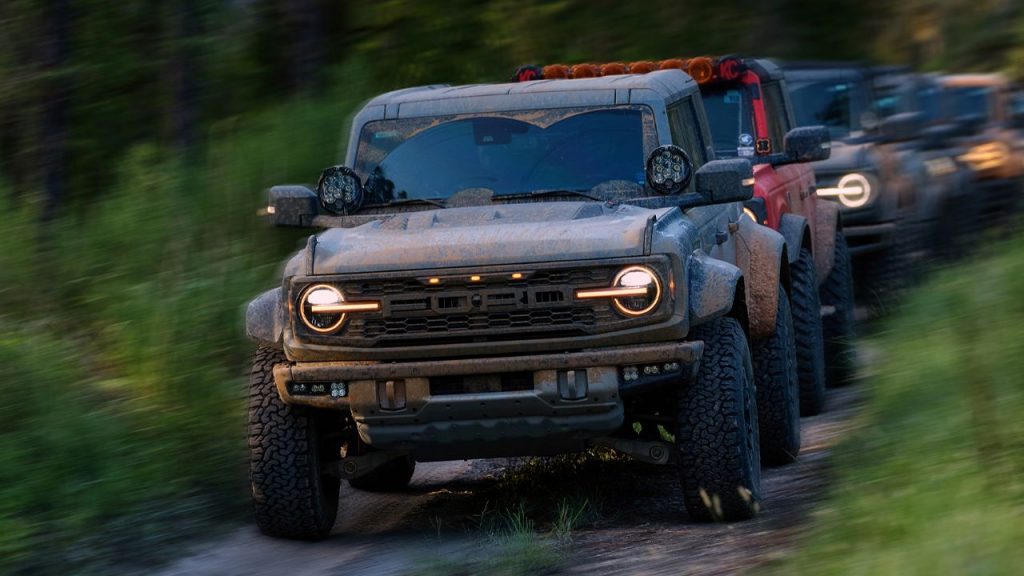
Approximately 2.3 million Ford and Lincoln vehicles carry rearview camera and advanced driver-assistance failures across multiple recall campaigns. One root cause stands out: the Image Processing Module overloads when tracking high volumes of moving objects in dense traffic. It resets. If it resets enough times across multiple ignition cycles, the rearview camera and ADAS features die permanently. The system designed to protect drivers in the most dangerous conditions fails precisely when those conditions appear. NHTSA’s assessment: “The loss of these systems can reduce a driver’s ability to detect hazards, increasing the risk of a crash.”
Fires, Lockups, and Rollaways
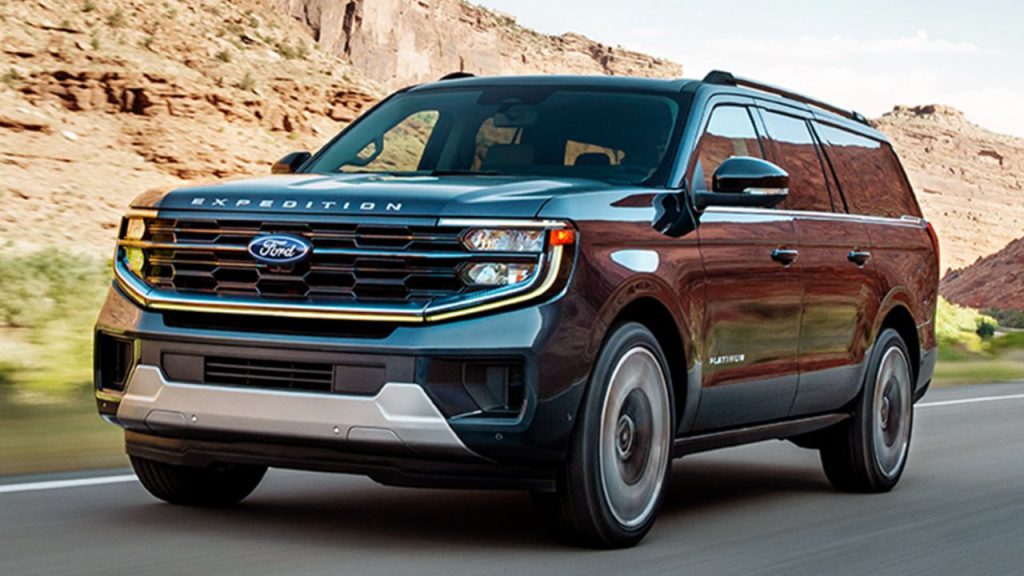
The camera failures get headlines. The rest of the list reads like an engineering horror catalog. Engine block heater solder joints crack, leak coolant into electrical cords, and cause fires while vehicles sit plugged into household outlets overnight: 116,672 vehicles, 12 reported fires. Fuel pumps fail mid-drive: 850,318 vehicles. Cracked fuel injectors create fire risk: 694,271 vehicles, an estimated $570 million repair bill. Park modules bind and prevent park engagement, leaving vehicles free to roll: 272,645 F-150 Lightnings, Mach-Es, and Mavericks. EGR valves kill drive power without warning: 47,804 vehicles.
The Explorer That Won’t Stay Fixed
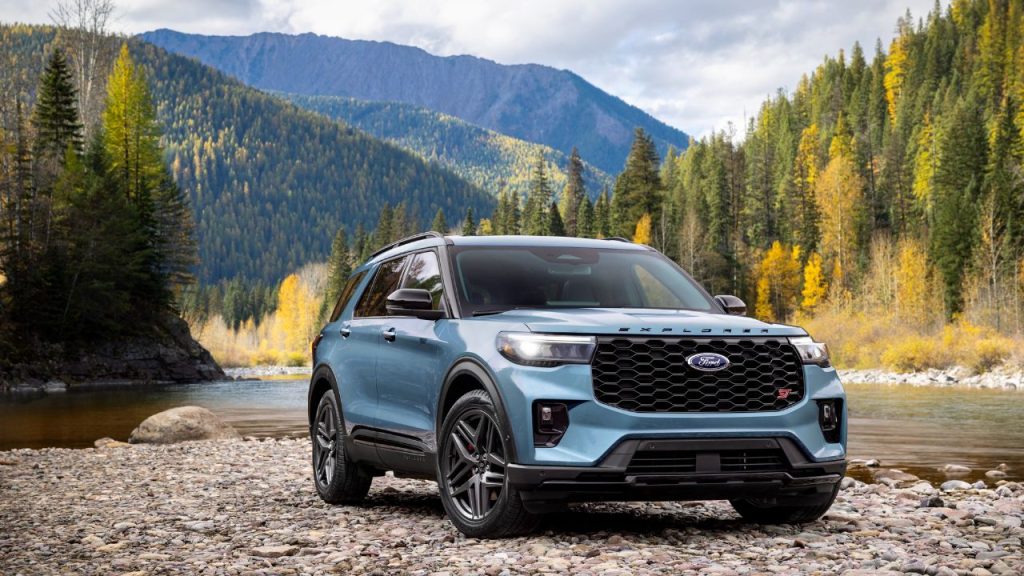
Ford recalled 413,000 Explorers in 2026 for rear suspension toe link fractures. Two crashes reported, no injuries. That sounds like a routine fix until you check the history. Ford recalled the same component on 2014-2015 Explorers. Then recalled 630,000-plus Explorers in 2021 for the same part. Now a third campaign covering 2017-2019 models. Three separate recall waves for one suspension component across six years. The defect keeps coming back because the underlying design keeps producing the same failure. That pattern tells you more about Ford’s crisis than any single number.
Sixteen Models, Zero Exceptions
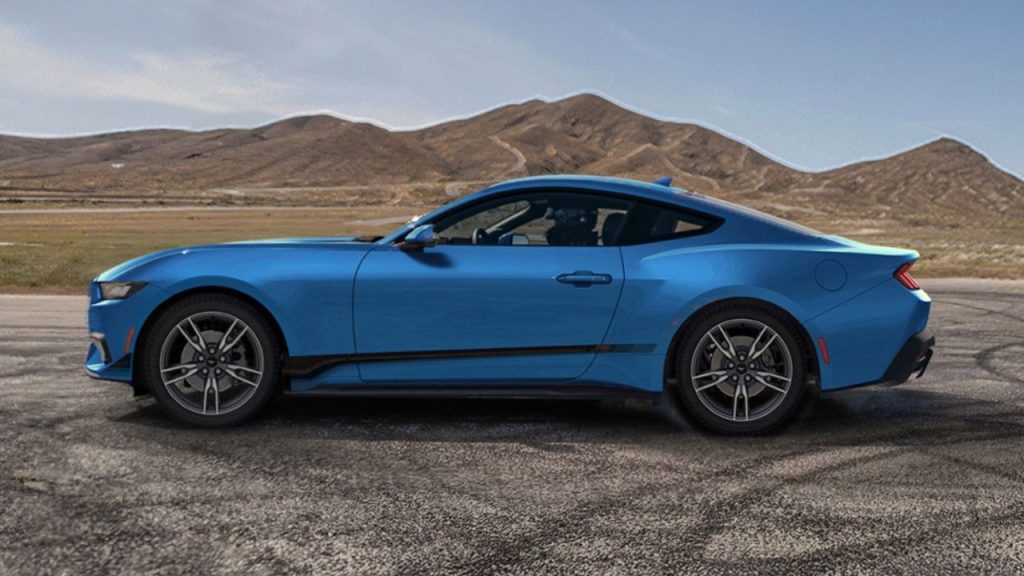
F-150. Explorer. Escape. Bronco. Bronco Sport. Mustang. Mustang Mach-E. Ranger. Maverick. Expedition. Super Duty. Transit. E-Transit. Transit Connect. Edge. F-150 Lightning. Every Ford model produced from 2020 through 2026 has been recalled at least once. The only nameplate to largely escape the crisis: the Ford GT, a limited-production supercar Ford stopped building after 2022. The one model that avoided systemic quality failures is the one Ford discontinued before those failures spread. Once you see that, the recall numbers stop looking like bad luck and start looking like a broken factory.
The Investigation That Hasn’t Landed Yet
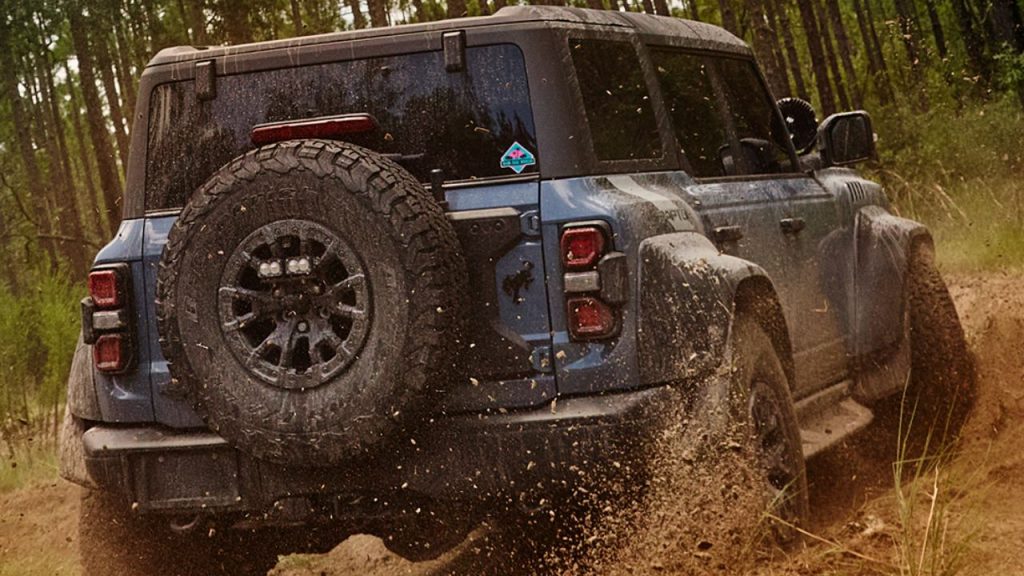
NHTSA is investigating approximately 1.3 million 2015-2017 F-150 pickups for 6R80 transmission unexpected downshifts that lock the rear wheels. That probe hasn’t produced a recall yet. If it does, it adds another million-plus units to the pile. Meanwhile, the EGR valve recall’s final remedy won’t arrive until September 2026. Ford estimates only 1 to 10 percent of recalled vehicles actually carry the defect, but applied to 7 million Q1 units, that still means roughly 70,000 to 700,000 trucks and SUVs with real problems waiting for real fixes.
The Only Model That Escaped
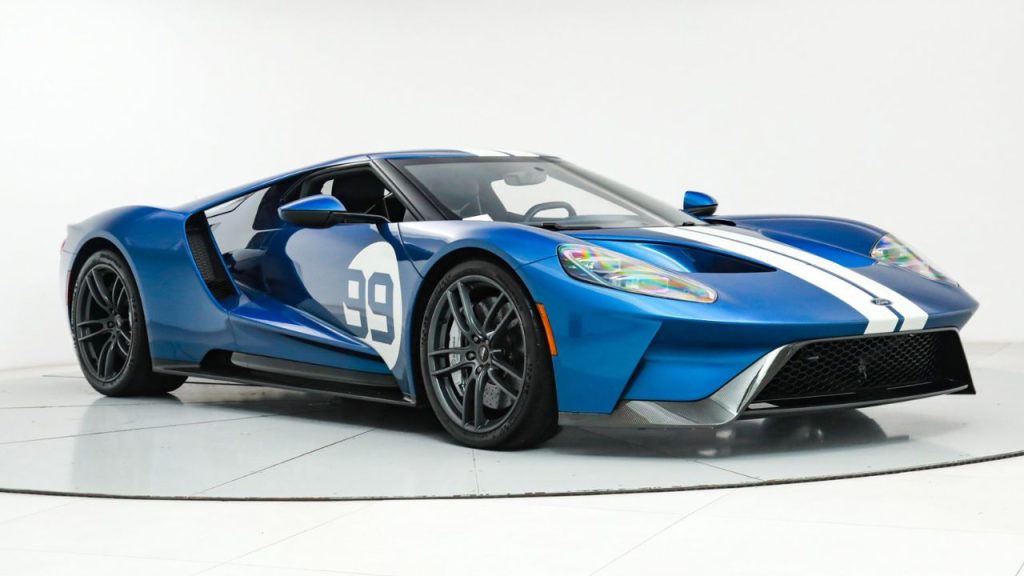
Ford’s entire current production lineup carries open recalls. Its dealerships face service bottlenecks processing millions of repairs while trying to sell new inventory. Its customers sit in vehicles with disabled safety cameras, compromised trailer brakes, and fire-prone fuel systems. And the only Ford that mostly sidestepped the whole mess is a supercar that started at $447,000 and that nobody drives to work. That’s the framework most people miss: Ford’s quality crisis isn’t a parts shortage or a software glitch. It’s a manufacturing methodology producing defects faster than doubled safety teams can catch them.
Sources:
“Dubious Record: Ford Hits 100 Safety Recalls This Year.” Kelley Blue Book, 17 Aug 2025.
“Ford Recalling 4.3 Million Vehicles with Trailer Brake Issue.” Car and Driver, 25 Feb 2026
“Ford Update on Quality and Recalls.” Ford Motor Company, 15 Jul 2025.
“Ford Recalls Nearly 413K Explorer SUVs for Rear Suspension Toe Link Fractures.” Ward’s Auto, 8 Mar 2026.