Tesla Semi Sheds 1,000 Lbs and Matches Diesel Payload as Leno Calls It “The Death of Diesel”
Jay Leno recently took an 82,000-pound electric truck for a spin, hauling a fully loaded trailer down the highway. Then he said something no diesel trucker would expect to hear from a fellow driver behind the wheel of a massive Class 8 rig: “I don’t feel like I’m pulling anything.”
That line, coming from a guy who has driven just about everything with an engine, made a bigger impression than any spec sheet Tesla could have handed out. The truck Leno tested is rolling off Tesla’s Nevada production line this year. It comes in two versions: a Standard Range with 300 miles and a Long Range with 500 miles. The numbers behind these trucks are about to reshape the freight industry’s entire cost structure.
Eight Years of Skepticism
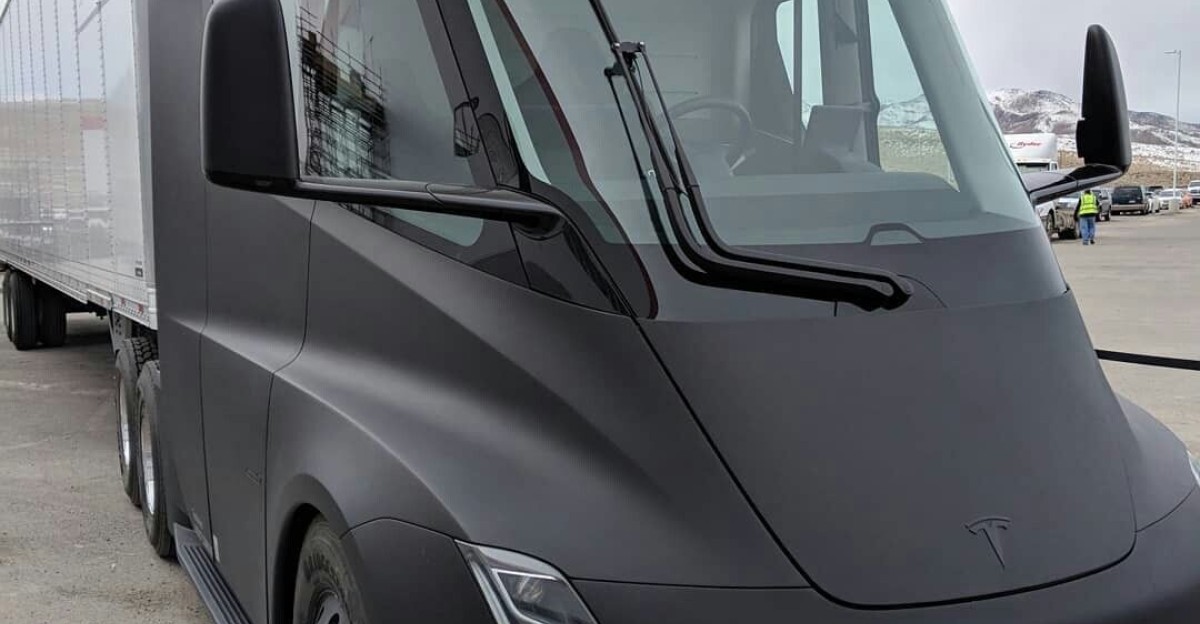
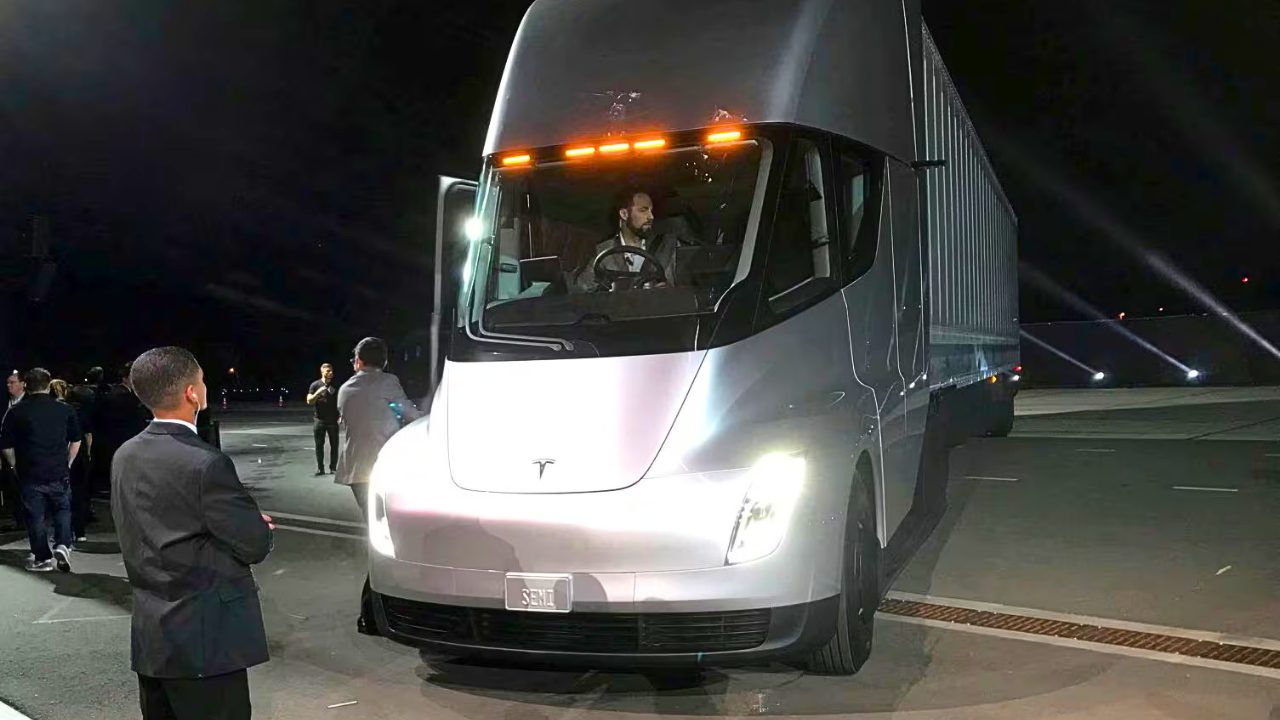
Tesla first showed off the Semi concept in November 2017 and aimed to start production by 2019. That deadline slipped by, followed by years of delays, battery shortages, and skepticism from industry insiders who doubted electric trucks could ever match diesel on payload and range.
The first commercial Semis reached PepsiCo in December 2022, more than five years late. By May 2024, PepsiCo’s California fleet had grown to 50 Semis out of Fresno, with plans to reach 86 trucks across three facilities. This pilot fleet racked up 13.5 million miles. One truck reached nearly 440,000 miles on its original battery pack, and critics still questioned the technology.
The Payload Myth Cracks
The main complaint about electric trucks has always been weight. Batteries are heavy, so more battery weight means less cargo. The numbers didn’t work for most fleets. This assumption shaped fleet managers’ spreadsheets for years. Tesla’s production Semi changed that. Engineers cut about 1,000 pounds from the truck. A 2,000-pound federal weight exemption for zero-emission vehicles covers the rest.
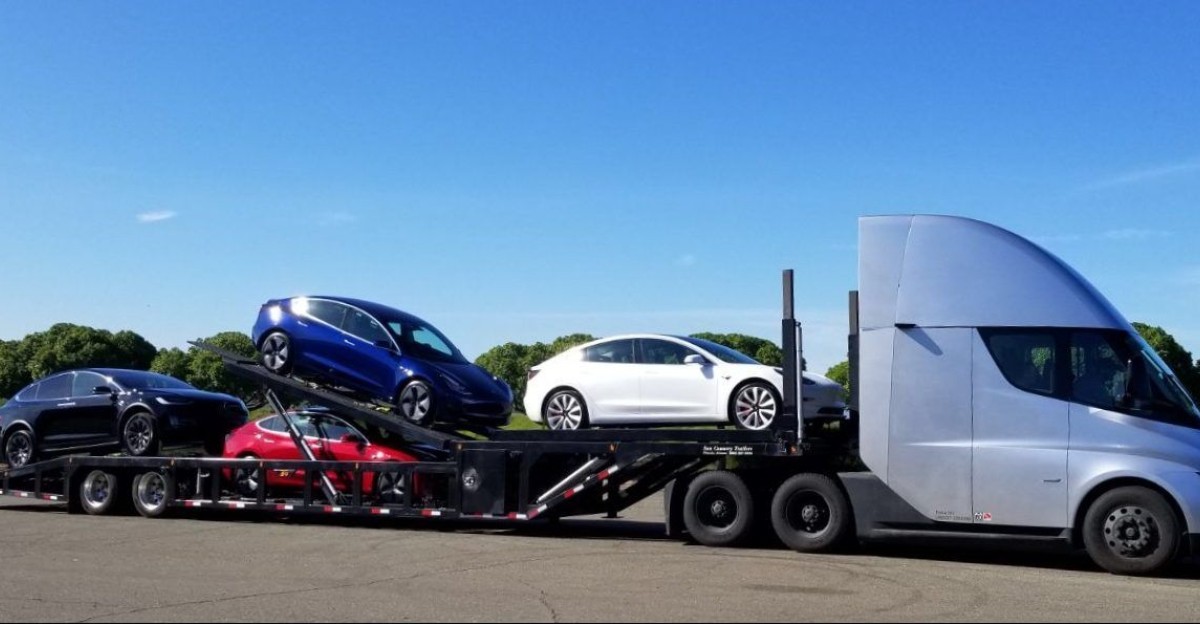
The 500-mile Long Range Semi hauls as much as a conventional diesel Class 8 truck. Customers move 45,000-pound loads every day. The weight problem no longer blocks adoption.
The Diesel Parasite Nobody Questioned
Semi Program Director Dan Priestley pointed out an issue few in the industry addressed: “Why do we have an electric truck that is then also pulling a diesel engine on the back of it? It doesn’t make sense. And also they’re really noisy. They actually consume a lot of fuel.” He meant the diesel pony motors that power refrigerated trailers.
Tesla routed up to 25 kW directly from the Semi’s battery, using Cybertruck power electronics through an Electric Power Take Off system. This eliminated the entire auxiliary engine. Thousands of pounds of unnecessary weight are now gone. The obstacle was not physics but inefficiency that had been accepted as normal. Tesla ended that practice.
Two Axles, One Trick Nobody Else Has
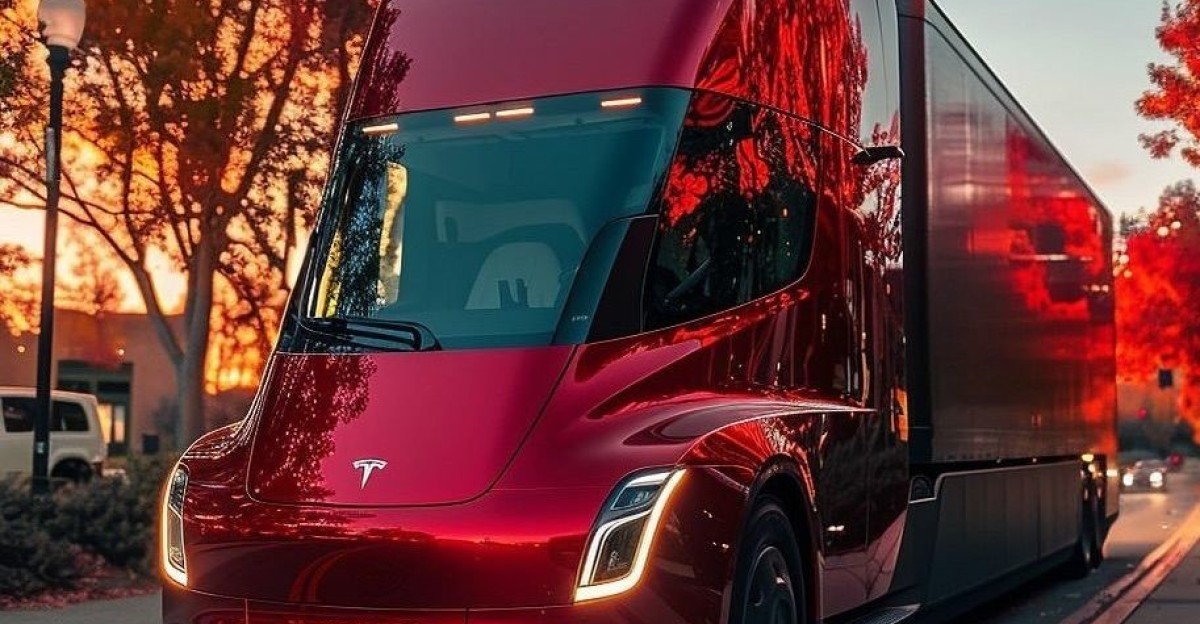
The Semi’s powertrain solves a problem that competitors still have not figured out. It uses three independent motors across two rear axles. One axle delivers torque for acceleration and hill climbs, then disengages at highway speeds. The other axle handles cruising and eliminates parasitic drag. Combined, these motors generate more than 1,073 horsepower. With a full load, the Semi accelerates from 0 to 60 mph in about 20 seconds. Diesel trucks take 45 to 60 seconds for the same task.
On steep hills, the Semi maintains highway speed while diesels slow down. Tesla used components like 4680 battery cells, stators, inverters, and steering actuators from the Cybertruck. This creates supply chain advantages unavailable to most truck startups.
Fifteen Cents a Mile
Mone Transport ran a Tesla Semi for 4,700 miles in Texas and recorded 1.64 kWh per mile, better than Tesla’s official estimate of 1.7 kWh. ArcBest’s ABF Freight Division managed 1.55 kWh per mile over nearly 4,500 miles, including a 7,200-foot climb over Donner Pass. The operating cost averaged about 15 cents per mile. Diesel trucks run at 48 to 50 cents per mile.
This 70 percent difference leads to large savings over a truck’s life, even more so with lower maintenance. No oil changes, no DEF fluid, no DPF regeneration. The numbers are clear.
The Fleet That Won’t Go Back
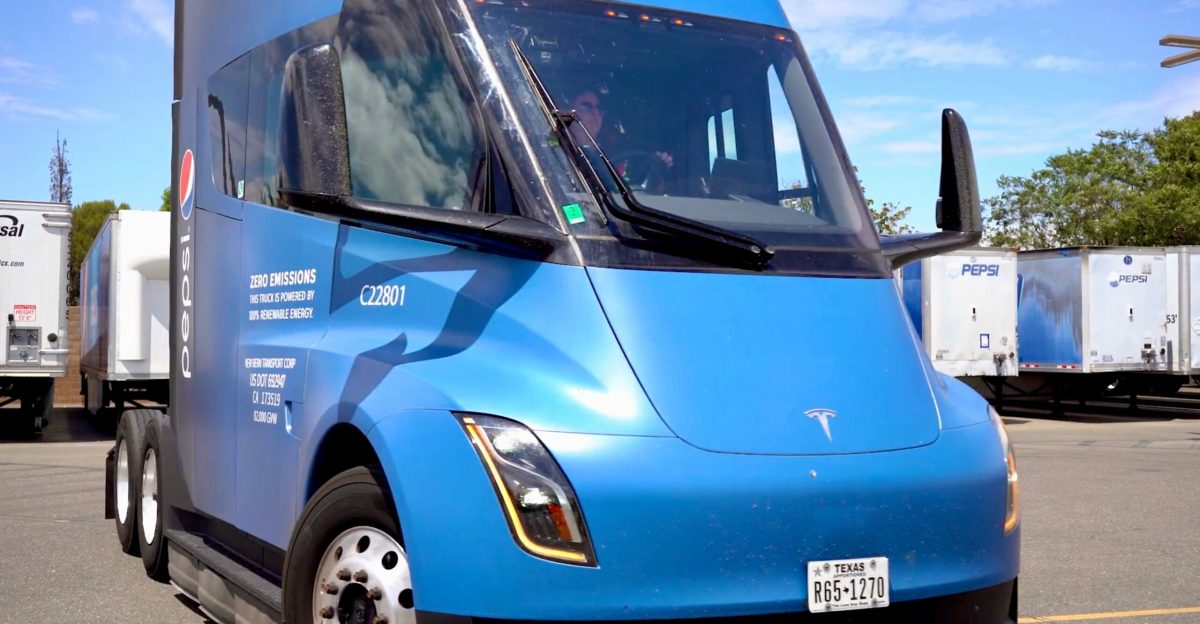
PepsiCo drivers tested the Semi and refused to return to diesel. The pilot fleet reached 95 percent uptime, higher than most diesel trucks. When breakdowns happened, 80 percent of trucks returned to service within 24 hours and half were fixed in an hour.
DHL Supply Chain began using a Semi in Central California in late 2025, running about 100 miles a day and charging once a week. If Tesla reaches 50,000 trucks per year, that represents up to 20 percent of the U.S. Class 8 truck market, which typically sees 250,000 to 300,000 new trucks each year.
A New Rule, Not an Exception
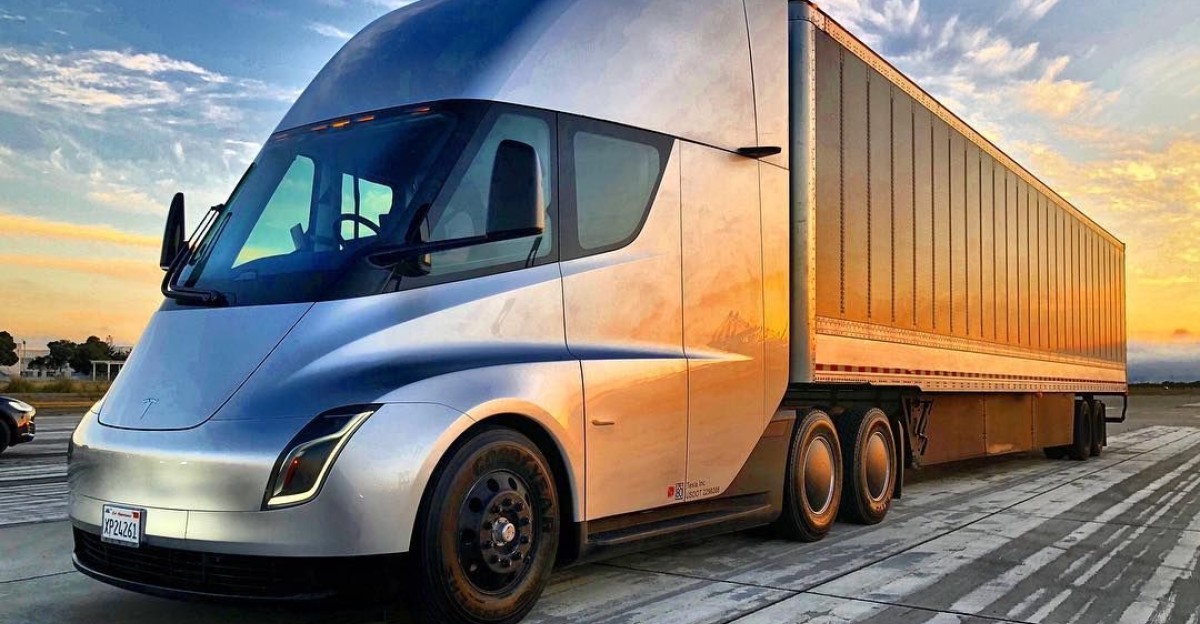
Every innovation Tesla revealed during the Leno episode questioned long-standing industry assumptions. The company swapped 12-volt wiring for a lighter, more efficient 48-volt system. Hydraulic steering was replaced with electric actuators from the Cybertruck.
Diesel pony motors were removed in favor of battery-powered ePTO. Traditional mechanic shops gave way to mobile service vans with one-hour repairs. The Semi took eight years not due to complex science, but because the industry never asked whether a truck needed to carry a diesel engine at all.
The Dominoes That Haven’t Fallen
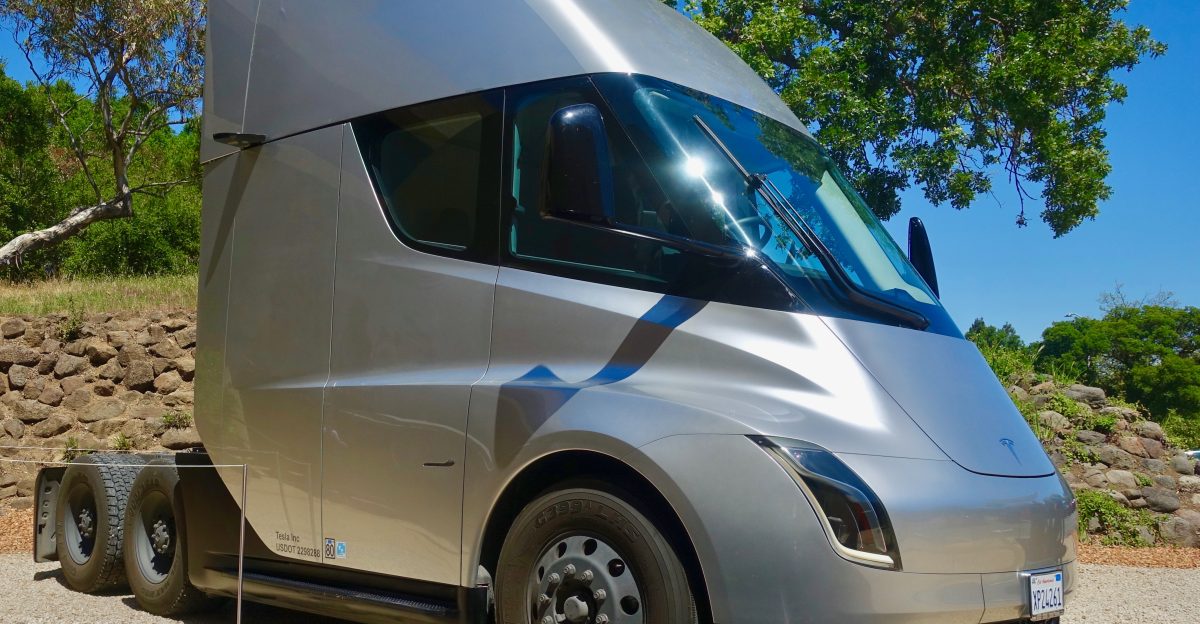
Tesla began mass production in March 2026, with Hight Logistics receiving the first trucks. The full ramp is targeted for June 30, 2026. Tesla also opened its first public Megacharger in Ontario, California, and plans 37 charging sites for trucks by the end of the year, reaching 46 by early 2027.
Diesel manufacturers such as Daimler, Volvo, and Navistar now compete against a rival whose charging times match mandatory DOT driver breaks. This alignment removes scheduling problems. If adoption increases, used diesel truck prices could drop sharply. Competition for freight contracts has intensified.
The Counter Move
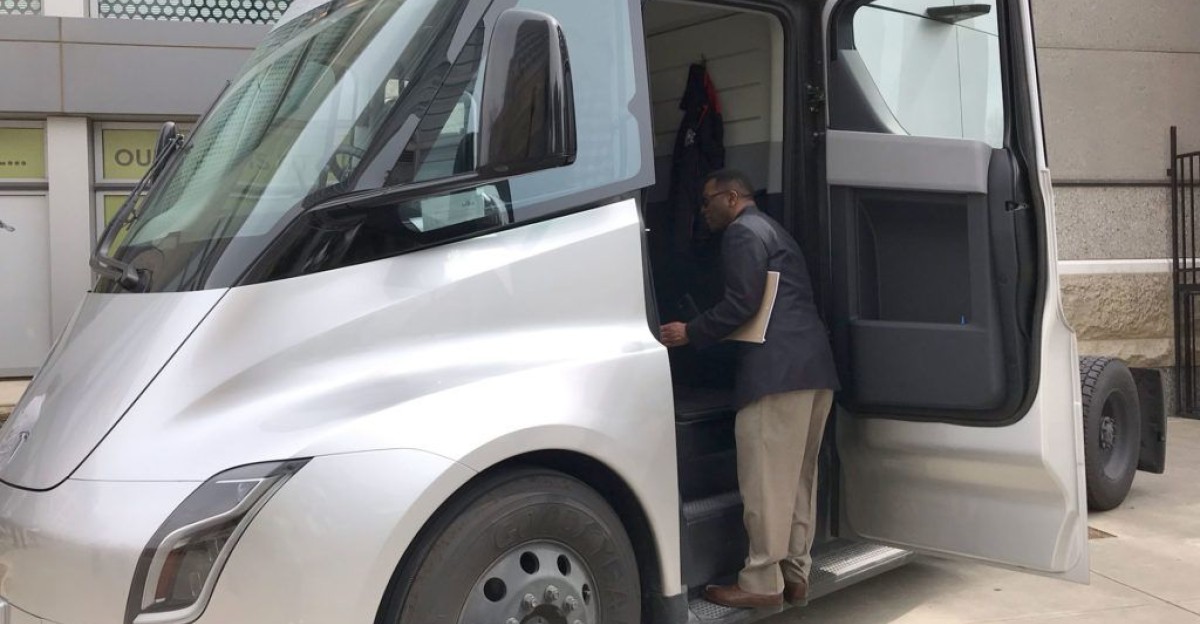
Diesel manufacturers may introduce synthetic fuels or hybrid technology to delay the transition. Competitors will partner with charging networks to build their own infrastructure, but Tesla’s vertically integrated battery cell production at Gigafactory Nevada provides a cost advantage that is difficult to match. Both Semi versions are designed for autonomy.
If Tesla’s self-driving system for trucks reaches Level 4, the competition shifts from cost to operational model. Fleet managers who recognize this have a framework for the future and about 18 months to prepare.
Sources:
Jay Leno’s Garage (YouTube) — “Jay Leno Drives the 500-Mile Tesla Semi: The Death of Diesel?” — March 22, 2026
Electrek — “Tesla Semi has a million-mile battery, claims Tesla” — March 22, 2026
FreightWaves — “PepsiCo to add 50 Tesla electric semi-trucks to California fleet” — May 23, 2024
CCJ Digital — “ABF Freight’s Tesla Semi Pilot Reveals Impressive Efficiency and Performance Data” — July 8, 2025
Electrive — “DHL Supply Chain integrates Tesla Semi into California fleet” — December 4, 2025
Electrek — “Tesla opens its first Megacharger station to Semi customers in Ontario, California” — March 7, 2026