NHTSA Recalls 2.3M Vehicles In A Single Week—Government Admits Half Of All Recalls Never Get Fixed
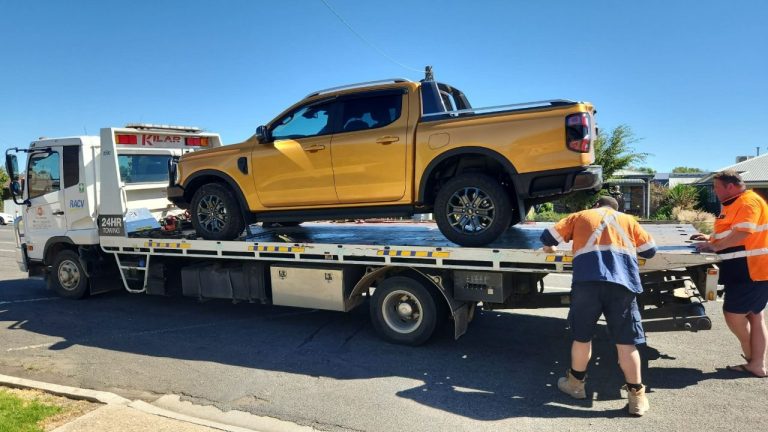
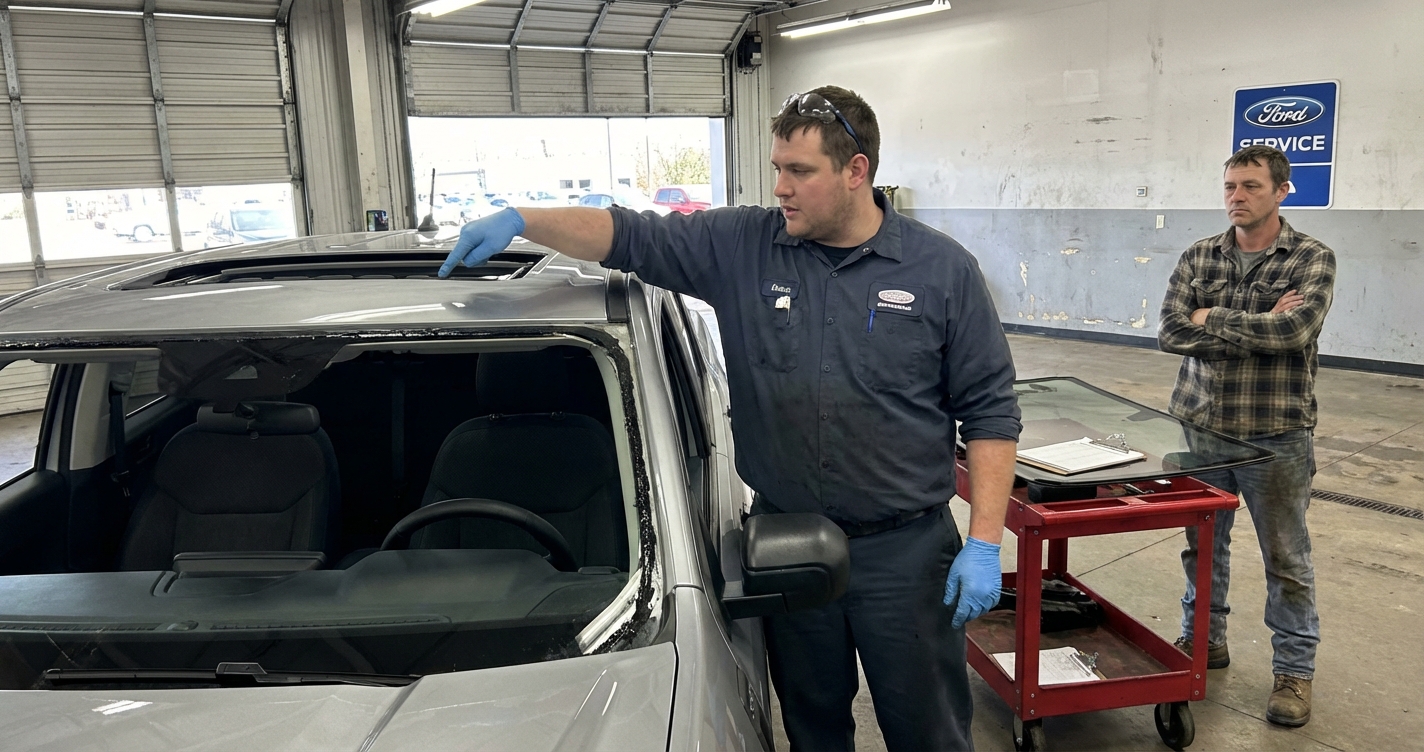
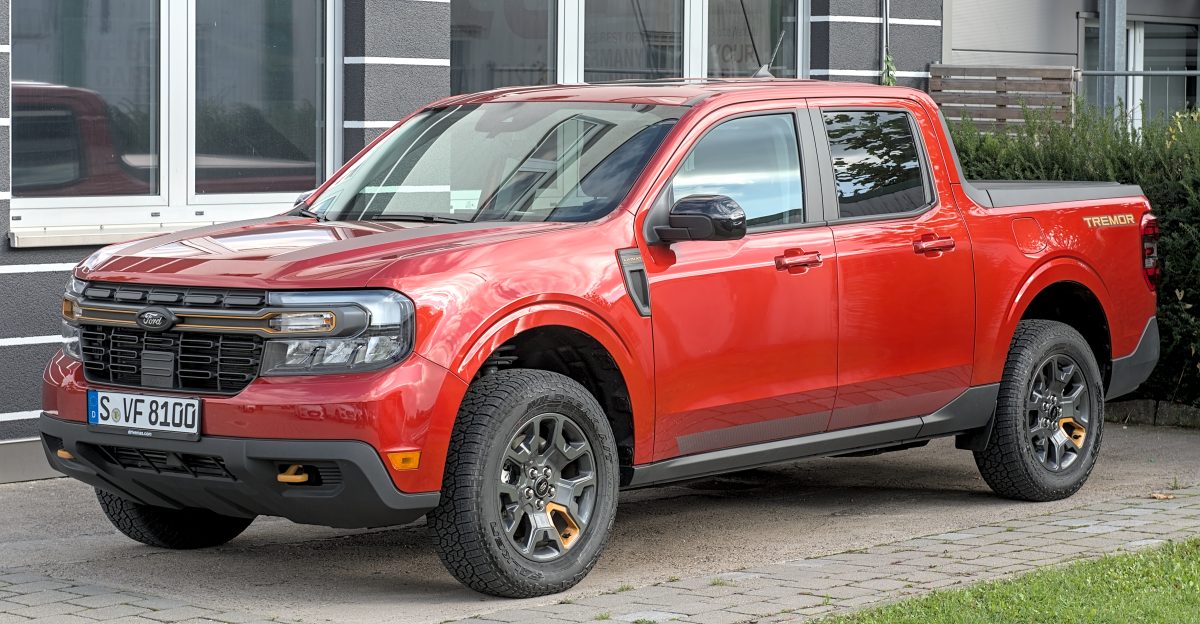
Somewhere on a highway, a Ford Maverick’s moonroof glass separates from the frame and peels off at speed. No impact. No collision. The adhesive just fails. That image sat at the center of more than 20 federal safety recalls NHTSA pushed out in a single week in late March 2026, covering everything from $30,000 pickups to $350,000 Rolls-Royce Cullinans. Taken together, those 20-plus safety notices—including several large Ford campaigns already active that week—touched well over 2 million vehicles nationwide. Passenger cars, motorcycles, school buses, semi-trucks, RV trailers. The scope touched every vehicle class on American roads, and the defects ranged from absurd to terrifying.
Price Doesn’t Protect
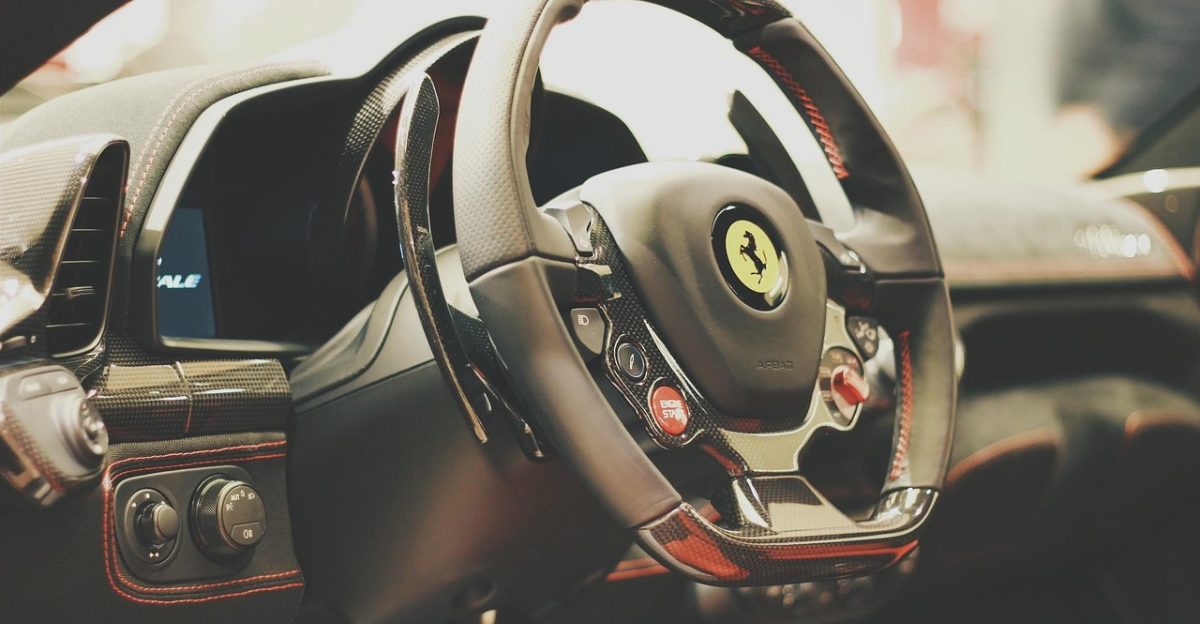
Ferrari recalled 80 brand-new 12Cilindri coupes because the window tint was too dark to meet federal standards. Rolls-Royce recalled a small batch of Cullinans because rear seat belt bolts may not have been tightened, then told owners: do not use the rear seats. Do not load the trunk. A $350,000 SUV you’re forbidden to fully occupy. Meanwhile, Nissan recalled tens of thousands of vehicles because a body-structure component can crack, causing a door or other part to fail at highway speeds with no warning. Budget car, supercar, same federal machinery.
Ford’s Pattern
Ford accounted for 21 separate recalls in the first quarter of 2026 alone, affecting roughly 7.4 million vehicles. More than several major rivals combined. That pace follows 2025, when Ford issued around 153 recalls covering about 12.9 million vehicles, shattering its own 2024 record of 89, which had already broken GM’s 2014 record of 77. Two consecutive years of breaking the all-time record. Most Americans assume a recall means the problem gets solved. Ford’s volume alone suggests something deeper is failing.
The Dead Zone

Here is the number that reframes every recall you’ve ever read about: NHTSA-reported completion data in some years have fallen into the mid-50% range, and across many campaigns, a substantial share of recalled vehicles never get repaired over the life of those campaigns. NHTSA can force manufacturers to identify defects. Fund free repairs. Mail notifications. But the agency cannot compel a single owner to drive to the dealership. At least a dozen people died in crashes involving unrepaired recalled vehicles in one airbag category alone between 2015 and 2024. The recall system’s fatal weakness lies between the manufacturer’s obligation and the owner’s front door.
Two Announcements
Every recall is actually two separate messages. The first goes to the manufacturer: fix this, at your expense, no exceptions. That one carries the force of federal law. The second goes to the owner: we recommend you get this fixed. That one is a suggestion. NHTSA’s own spokesperson has confirmed it in various statements: the agency does not possess the legal power to compel consumers to repair their recalled vehicles. One mandate. One invitation. The gap between them, measured in millions of unrepaired vehicles, is where the system breaks.
Numbers Underneath
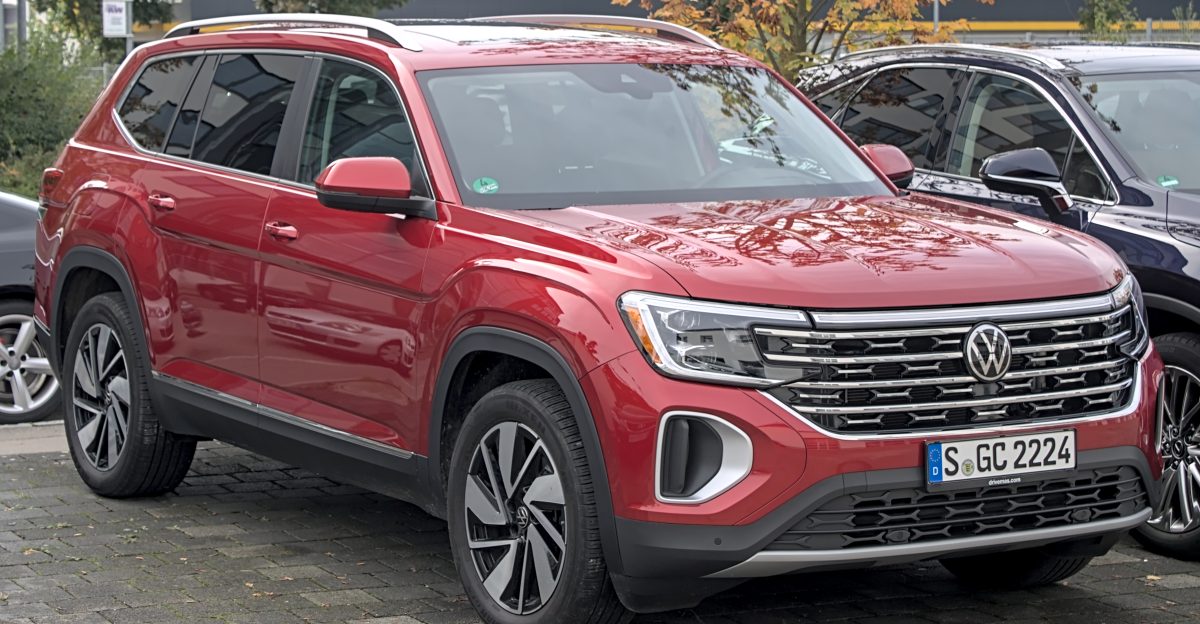
Volkswagen recalled tens of thousands of Jettas because a transmission ground wire may not have been plugged in during assembly. Human error. Someone forgot a wire, and now all those cars carry a fire risk from an open electrical circuit. Honda recalled more than 19,400 motorcycles because a handlebar lock screw can detach and jam the steering. Mack Trucks recalled TerraPros because a software error lets the engine start with the transmission in gear. A multi-ton truck rolling forward on its own. Because of the code.
Who’s Riding
The ripple extends past car owners. Micro Bird issued school bus recalls spanning models as old as the early 2000s, covering wheelchair tie-down retractors that may fail to lock automatically. Disabled children riding buses for decades have been potentially unsecured in crashes. Aluminum Trailer Company recalled RV trailers because the generator exhaust vents directly under the slide-out bedroom, funneling carbon monoxide into the cabin while families sleep. New Flyer recalled electric transit buses for software that could cause unintended acceleration or deceleration, carrying hundreds of city passengers daily.
The New Rule
This was at least the fourth consecutive year the U.S. recorded around a thousand or more annual vehicle safety recalls. Not a spike. A plateau. Ford’s structural recall volume suggests the problem is baked into modern manufacturing complexity, not a temporary quality lapse. And automakers are adapting: over-the-air software updates let manufacturers push fixes wirelessly, bypassing the owner-must-show-up bottleneck entirely. The incentive now is to classify more defects as software problems rather than hardware. Cheaper to fix. Higher completion rates. The recall system is quietly reshaping itself around its own enforcement gap.
Limbo Owners
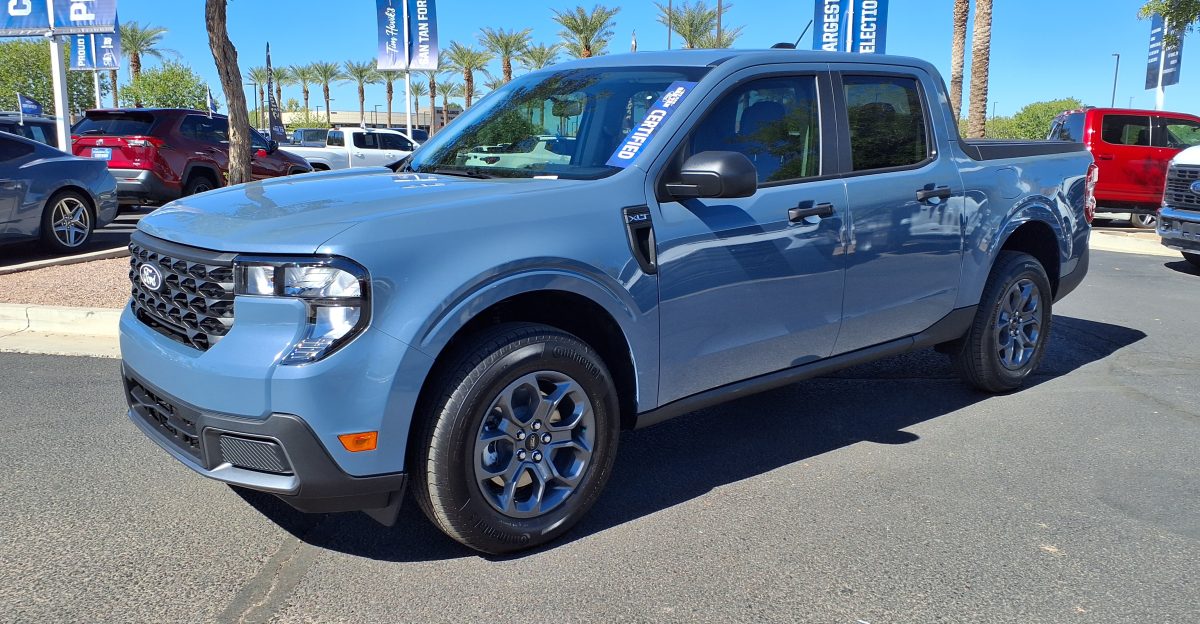
Some owners can’t comply even if they want to. Ford’s Maverick moonroof parts aren’t expected to be widely available until spring 2026. Owners will receive a letter informing them that their roof glass may detach while driving, along with the news that no repair is available yet. Ford will hold some affected trucks at dealerships and may provide rentals, but the gap between notification and fix is weeks of knowing your vehicle is officially dangerous. Multiply that limbo across every recall where parts lag behind notices, and the non-completion problem starts looking less like apathy and more like structural inevitability.
Your VIN
A recall is not a repair. NHTSA said so itself, in practice if not in those exact words. The agency that can ground a $350,000 Rolls-Royce, force Ferrari to re-tint 80 windshields, and make your neighbor fix the Nissan whose door might fly open next to you on the interstate cannot make your neighbor fix the Nissan whose door might fly open next to you on the interstate. Based on federal data, millions of vehicles from recent recall years remain unrepaired on American roads right now. You can check your own 17-digit VIN at NHTSA.gov without waiting for a letter. Put differently, a significant share of recalled vehicles never receive the free repair. Many owners never show up. That’s the system working exactly as designed.
Sources:
“Massive Recall Surge: NHTSA issues alerts for millions of vehicles across 13 manufacturers.” WBIW, 15 Mar 2026.
“Ferrari 12Cilindri Recalled Because the Window Tint Is Too Dark.” Car and Driver, 19 Mar 2026.
“Ford Recalled More Cars Than The Next 9 Brands Combined In 2025.” Carscoops, 3 Jan 2026.
“Vehicle Safety Recall Completion Rates Report to Congress.” National Highway Traffic Safety Administration, 2018 (covering 2012–2016 data, updated via recall‑completion analysis).