World’s ‘Most Reliable’ Brand Recalls 550,000 SUVs After Discovering Its Own Supplier Sabotaged The Seats
Somewhere on a highway right now, a family is riding in a Toyota Highlander with second-row seats that may not lock in a crash. Canada already told owners to stop putting passengers back there. The United States hasn’t. And the 550,007 owners affected by this recall won’t even receive official notification letters until April 20, six weeks after Toyota filed the paperwork. The vehicle in question just earned a spot on Consumer Reports’ 10 most reliable cars of 2026.
Reliability Premium
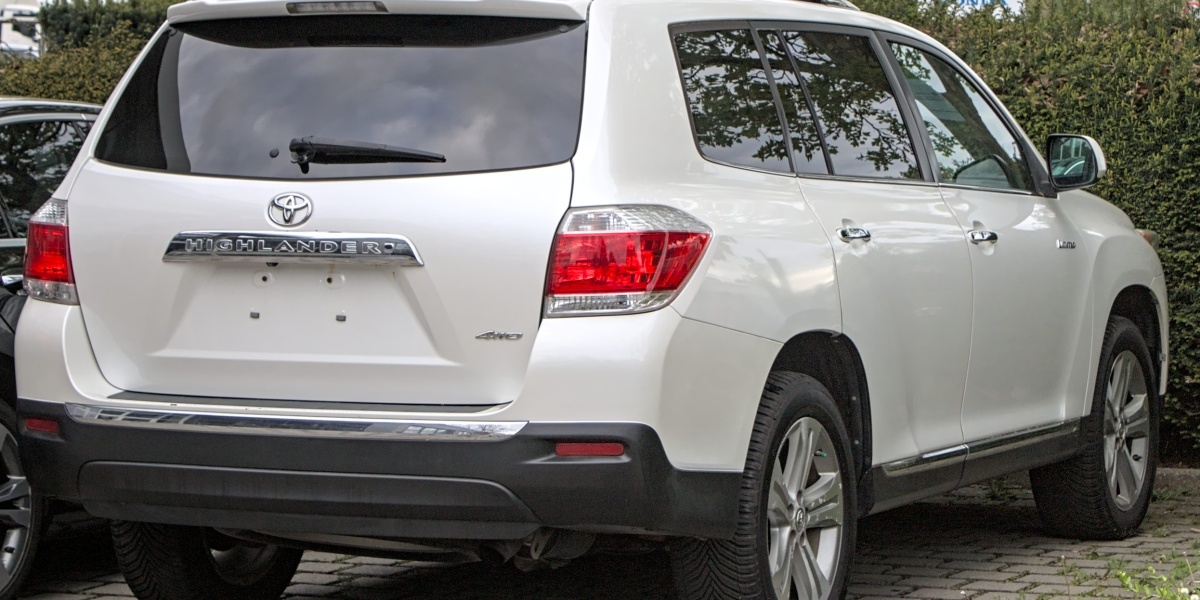
Toyota earned the No. 1 most reliable brand ranking from Consumer Reports in 2026, surveying 380,000 vehicles and awarding Toyota a reliability score of 66, the highest of any manufacturer. The Highlander specifically landed at No. 9 most reliable car overall. Families pay a premium for that badge. The Highlander outsold most competitors during the recalled model years: 264,128 units in 2021 alone, followed by 222,805 in 2022. People bought this SUV because the data told them to. The data missed something.
The Invisible Change

In April 2021, Toyota Boshoku Indiana, the sole supplier of second-row seat recliner assemblies for the Highlander, altered the outer clearance between the recliner guide and ratchet. The modification changed the force balance between the locking spring and the return spring. Toyota’s standard protocol requires a 90-day testing cycle before any design change reaches production. Toyota Boshoku skipped it entirely. Didn’t submit the change. Didn’t notify Toyota. The modified parts rolled into Highlanders for 29 straight months before a single human noticed.
The Discovery
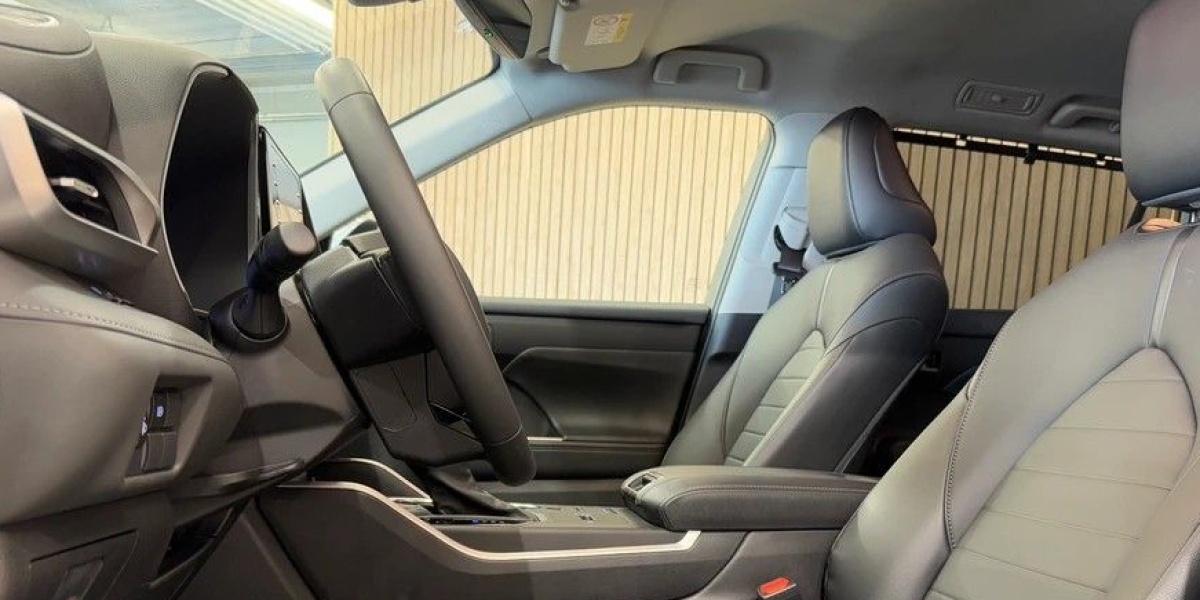
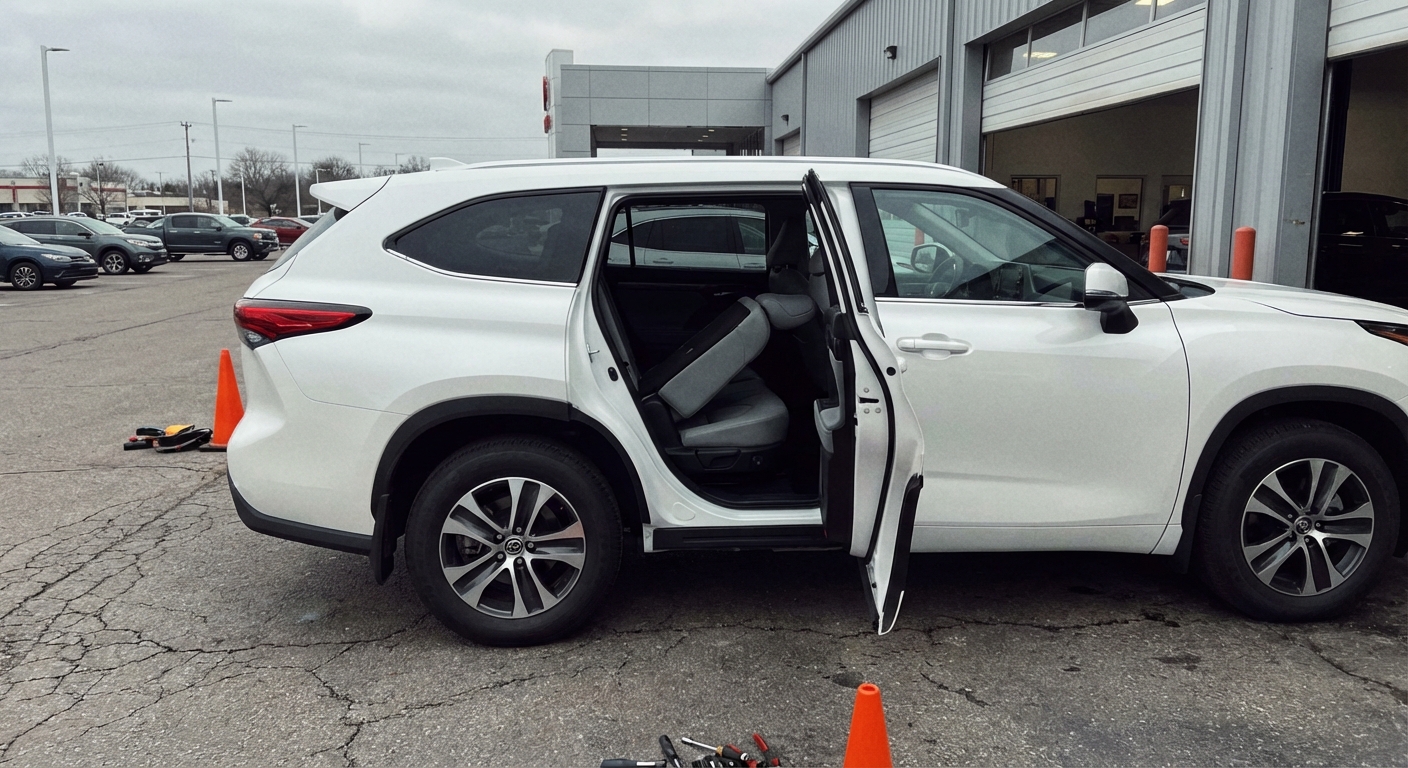
October 2023. A worker at a Toyota assembly plant noticed something small: a newly built Highlander’s second-row seat back skipped its first recline position and locked into the second. One observation. One worker. Not a sensor. Not an algorithm. A pair of human eyes caught what Toyota’s entire supplier governance system could not. Nine more months passed before Toyota learned, in July 2024, that its own affiliated supplier had made the unauthorized modification three years earlier. The quality system famous for catching everything had a blind spot.
The Test Results
Toyota built 20 test seats replicating the supplier’s modified design. Five failed. That is a 25% failure rate on a component engineered to restrain passengers in a highway-speed crash. The required spring torque sits between 12.7 and 15.8 Newton-meters; the supplier’s change disrupted that window. Field inspections of 343 production vehicles found 12 with the defect. Toyota then admitted something remarkable: it cannot estimate what percentage of the 550,007 recalled vehicles actually contain the defective part.
Two Countries
Canada’s Transport Canada told Highlander owners outright: “refrain from using the second-row seats for transporting passengers until the necessary repairs are completed.” Nearly 40,000 Canadian vehicles fell under a separate recall. In the United States, Toyota’s own language acknowledged the seat back “may fail to properly restrain occupants, increasing the risk of injury in the event of a crash at higher speeds.” Same defect. Same supplier. Same part. But American owners received no equivalent advice to keep passengers out of the back row.
The Dealer Wave

This is a hardware defect. No over-the-air software update fixes a misaligned spring. Every one of the 550,007 owners must physically drive to a Toyota dealership, where technicians will replace the return springs in the seat-back recliner assemblies at no cost. Toyota bears all parts and labor expenses. Toyota Boshoku Indiana’s Princeton facility also produces interior components for the Toyota Sienna, raising an unanswered question about whether the same supplier modified Sienna recliner assemblies during the same production window.
New Rules
After the recall, Toyota implemented a policy that did not previously exist: all suppliers must now document design modifications within a 48-hour notification window before changes reach production. Think about that. The company Consumer Reports praised for “rigorous quality control where workers can stop assembly immediately if they detect even a minor mechanical defect” had no real-time mechanism to catch a supplier rewriting the specs on a safety component. The rule exists now because the gap nearly swallowed half a million families.
The Clock
Toyota discovered the seat anomaly in October 2023. It learned about the unauthorized supplier change in July 2024. It decided to recall in February 2026. Owner letters go out April 20, 2026. That timeline means roughly five years will pass between the moment defective springs entered production and the moment most owners learn their vehicle is affected. In J.D. Power’s 2026 dependability study, Toyota dropped from fourth to eighth place, recording 185 problems per 100 vehicles. The cracks showed up in two rankings simultaneously.
What You Know
Toyota’s reliability crown is built on aggregate data over millions of miles. That crown is real. But aggregate reliability rankings have no mechanism to detect a single supplier quietly altering a single safety component in a single factory in Princeton, Indiana. The system catches visible problems brilliantly. Invisible ones defeat it. You can check your VIN at NHTSA.gov today, weeks before the letter arrives. If any unrepaired Highlander is involved in a crash with an unlocked seat back, Toyota’s 16-month escalation timeline becomes the first exhibit in the courtroom.
Sources:
“Part 573 Safety Recall Report 26V128 (Toyota Highlander/Highlander Hybrid Second-Row Seat Back Locking Issue).” National Highway Traffic Safety Administration, 26 Feb 2026.
“Toyota Recalls 550,000 Highlander SUVs Because Seat Backs May Fail to Lock.” CBS News, 12 Mar 2026.
“Toyota Is Conducting a Safety Recall Involving Certain 2021–2023 Toyota Highlander and Highlander Hybrid Vehicles.” Toyota Canada Newsroom, 5 Mar 2026.
“The 10 Most Reliable Car Brands in 2026, According to Consumer Reports.” Yahoo Autos (summarizing Consumer Reports brand reliability scores), 7 Mar 2026.