The 10 States Where American Drivers Pay The Most In Gas Taxes
Drivers across the United States are paying up to 89.3 cents per gallon in gas taxes in 2026, according to Kiplinger, as inflation-linked hikes and state policies continue pushing rates higher nationwide. These taxes fund highways and infrastructure, but the burden varies sharply depending on location. In the highest-taxed states, drivers now pay nearly four times more than those in the lowest-taxed regions. With 26 states adjusting rates this year, costs are rising automatically and steadily. These shifts reveal where fuel expenses hit hardest, starting with the states charging drivers the most per gallon today.
#1 — California’s Costly Fill-Ups Add Up
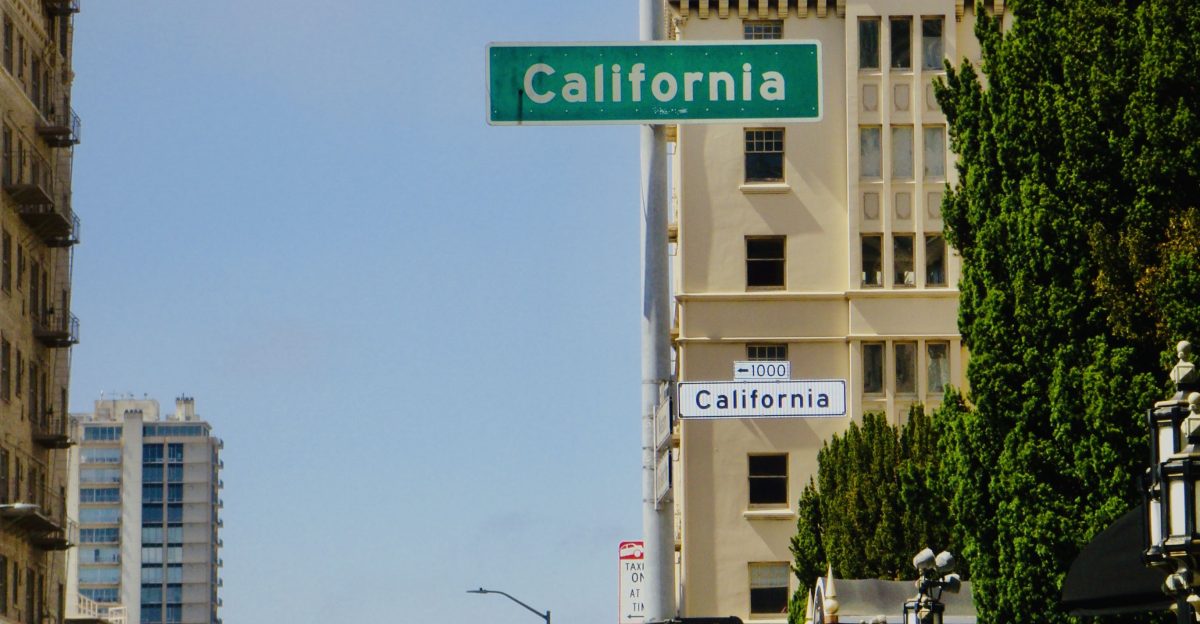
California leads the nation with a state gas tax of 70.9 cents per gallon, according to Kiplinger’s 2026 data. When combined with the federal tax of 18.4 cents, drivers pay 89.3 cents per gallon before fuel costs. The state’s automatic inflation adjustment raises rates yearly without legislative votes. California also mandates a CARB gasoline blend, increasing refining costs and pump prices. The U.S. Energy Information Administration confirmed this structure is among the most aggressive nationwide. A standard 15-gallon fill-up includes over $13 in taxes, a number that keeps climbing steadily.
#2 — Illinois Drivers Face Layered Taxes
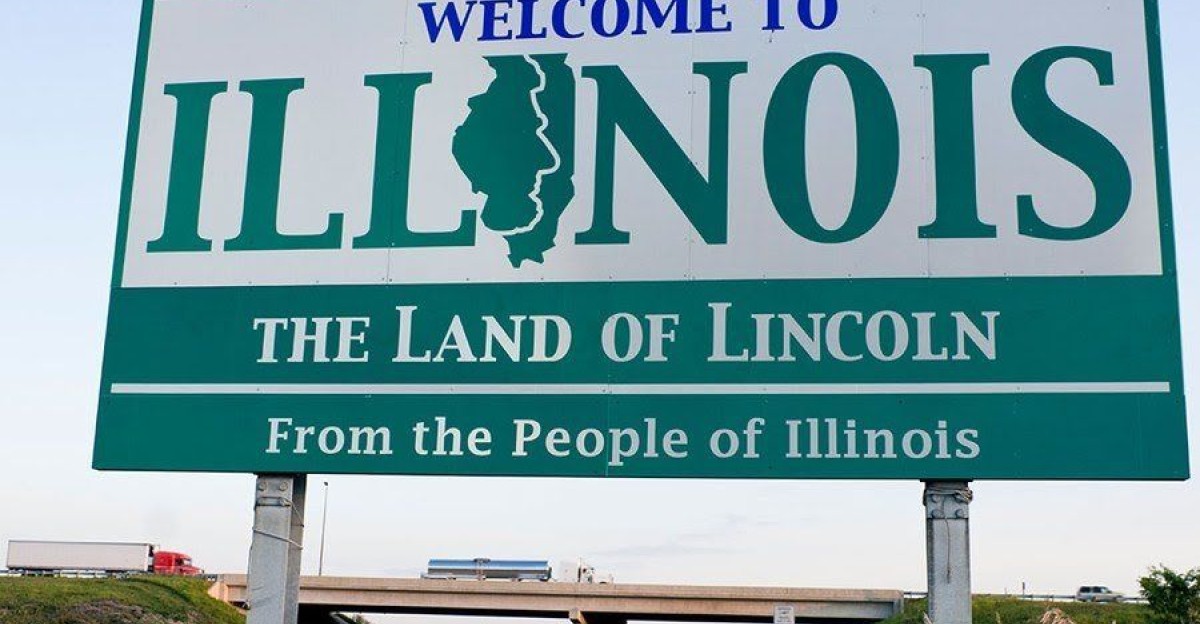
Illinois imposes a 66.4 cents per gallon state gas tax, ranking among the highest nationwide. When federal, local, and sales taxes are included, drivers pay about 84.8 cents per gallon, according to the Illinois Policy Institute in February 2026. The tax doubled in 2019 from 19 cents to 38 cents and has climbed to 48.3 cents through automatic increases. Illinois also applies a sales tax on gasoline, creating a tax-on-tax effect. Drivers now pay about $131 more annually compared to pre-2019 levels, a shift that continues influencing household budgets across the state.
#3 — Washington’s Rapid Tax Increases Stand Out
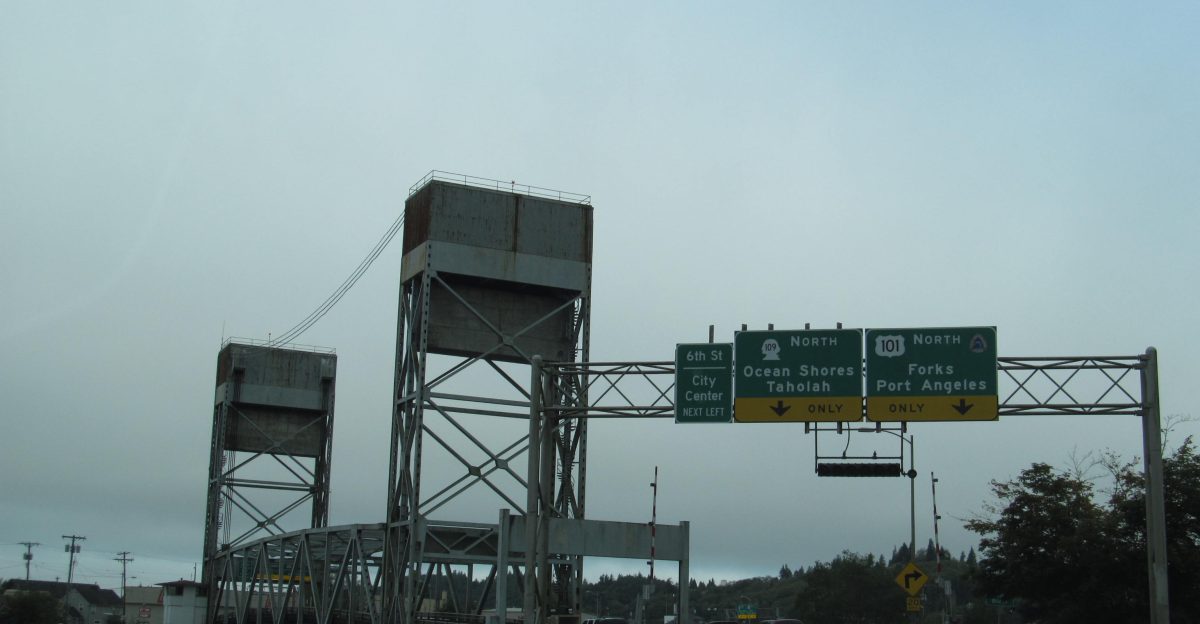
Washington drivers pay 59.0 cents per gallon in state gas taxes, placing it among the highest nationwide, according to Kiplinger. The EIA reported a 6.2-cent increase between January 2025 and January 2026, the largest single-state jump. With federal taxes included, drivers pay about 77.4 cents per gallon. The state uses inflation indexing tied to infrastructure costs, allowing rates to rise automatically. For average consumption, households spend roughly $290 annually in state gas taxes alone. That steady climb highlights how quickly policy changes can reshape long-term fuel expenses across the state.
#4 — Pennsylvania’s Formula Keeps Taxes High
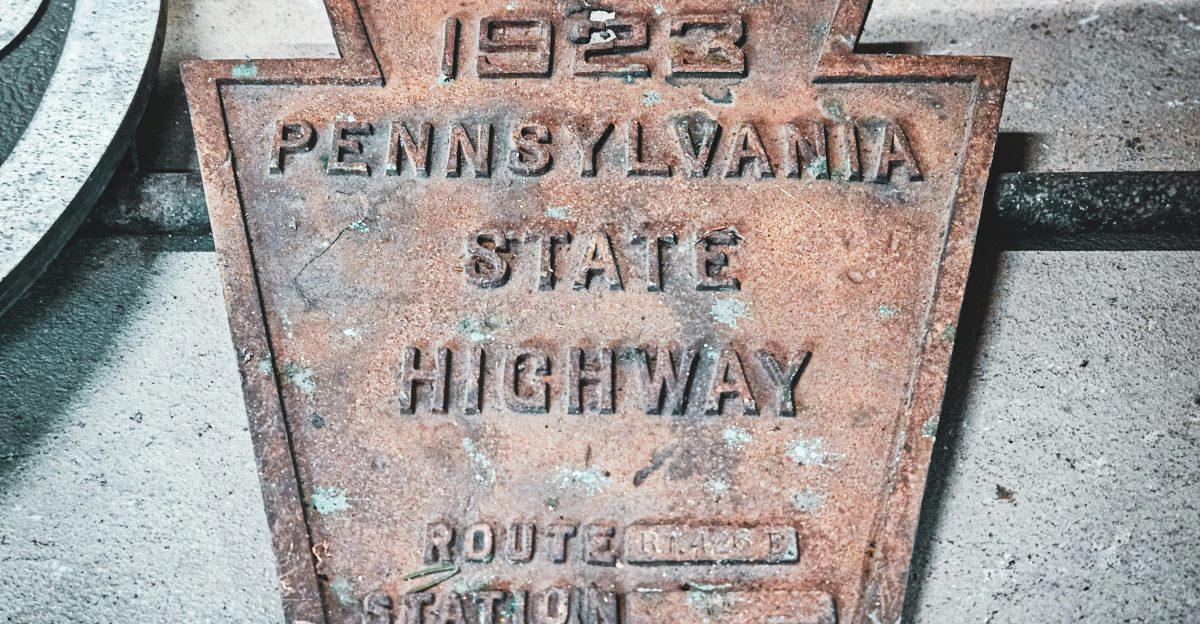
Pennsylvania charges 58.7 cents per gallon in state gas taxes, confirmed by the Pennsylvania Department of Revenue for 2026. Its wholesale-price-based formula keeps rates among the highest in the country. Including federal taxes, drivers pay about 77.1 cents per gallon. The structure has drawn criticism because some revenue funds non-highway projects, frustrating motorists expecting direct road improvements. A driver using 375 gallons annually pays roughly $220 in state gas taxes alone. That ongoing debate around spending priorities continues to shape how residents view the cost of driving across Pennsylvania.
#5 — Indiana’s Hybrid System Raises Costs
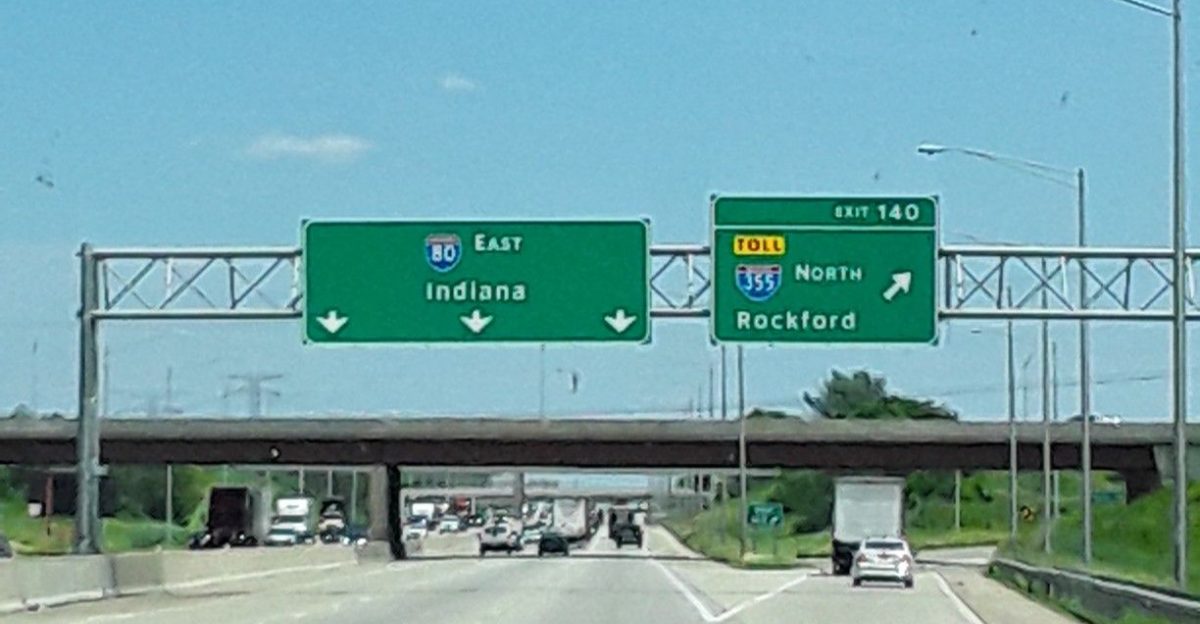
Indiana’s gas tax stands at 54.5 cents per gallon, placing it near the top nationally, according to Kiplinger. Including federal taxes, drivers pay about 72.9 cents per gallon. The state combines a fixed excise tax with variable fees that adjust based on fuel consumption and infrastructure needs. The EIA noted a rate adjustment in 2026 tied to funding strategies. Rural households feel the impact most due to higher driving distances. On average, drivers pay over $200 annually in state gas taxes alone, a burden that grows with every mile traveled across the state.
#6 — Michigan’s Steep Annual Increases Continue
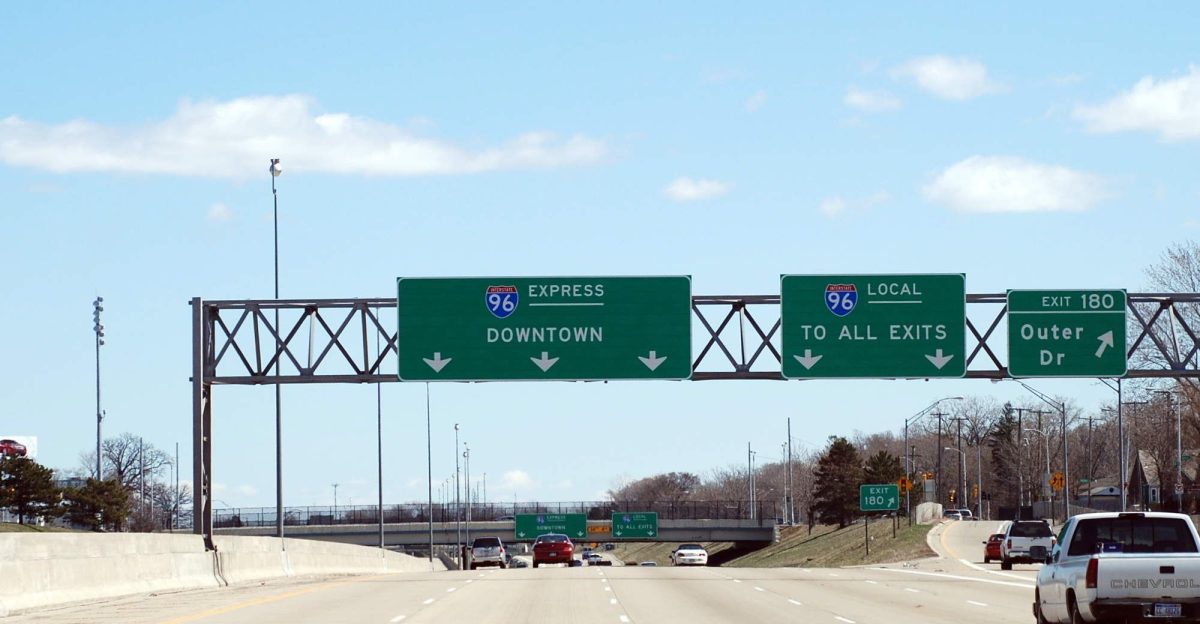
Michigan drivers pay 48.2 cents per gallon in state gas taxes, ranking sixth nationwide. The EIA reported a 5.2-cent increase between January 2025 and January 2026, one of the largest annual jumps. Combined with federal taxes, drivers now pay about 66.6 cents per gallon. The state uses an inflation-based indexing system, ensuring automatic increases each year. A household filling up 25 times annually with 15 gallons per visit pays roughly $181 in state gas taxes alone. Those steady increases signal how future costs may continue rising without direct legislative action.
#7 — Maryland’s Variable Rates Keep Climbing

Maryland imposes a 46.2 cents per gallon state gas tax, placing it among the highest-taxed states. Including federal taxes, drivers pay about 64.6 cents per gallon. The state uses a variable-rate system tied to fuel prices and infrastructure needs, allowing automatic adjustments. The Institute on Taxation and Economic Policy notes this structure affects states representing 51% of the U.S. population. Maryland drivers spend around $173 annually on state gas taxes alone. That flexible system ensures rates shift regularly, raising questions about how predictable fuel costs remain for everyday commuters.
#8 — New Jersey’s Tax Structure Draws Criticism
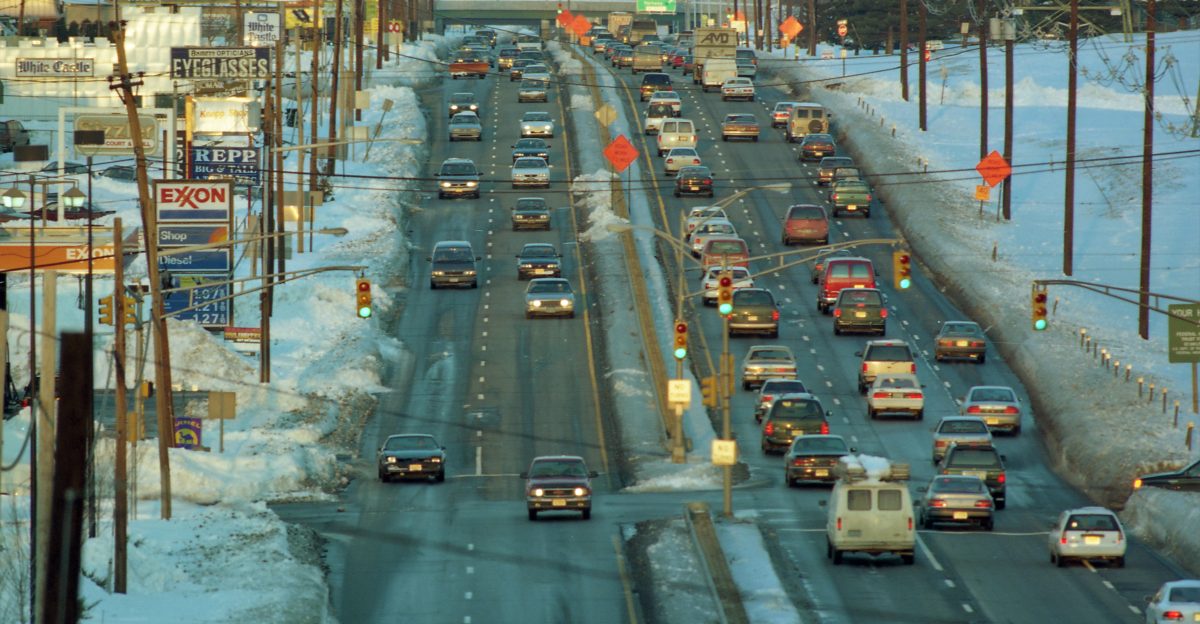
New Jersey drivers pay 45.0 cents per gallon in state gas taxes, ranking eighth nationally. With federal taxes included, the total reaches about 63.4 cents per gallon. The EIA confirmed that rates adjust annually based on fuel consumption and revenue targets. Critics argue that some funds support non-highway projects, including transit systems. A driver consuming 375 gallons annually pays roughly $169 in state gas taxes alone. That distribution of funds continues to fuel debate, especially among drivers who rely heavily on personal vehicles for daily transportation across the state.
#9 — Virginia’s Hybrid Model Expands Burden
Virginia’s gas tax stands at 41.6 cents per gallon, placing it among the highest in the country. Including federal taxes, drivers pay about 60.0 cents per gallon. The state uses a hybrid system combining fixed excise taxes with variable rates tied to wholesale fuel prices. The EIA reported adjustments in 2026 as part of a transportation funding overhaul. Drivers spend approximately $156 annually on state gas taxes alone. Rural residents often face higher costs due to longer commutes, highlighting how geographic factors influence the real-world impact of these tax structures.
#10 — Rhode Island’s Small State, Big Costs
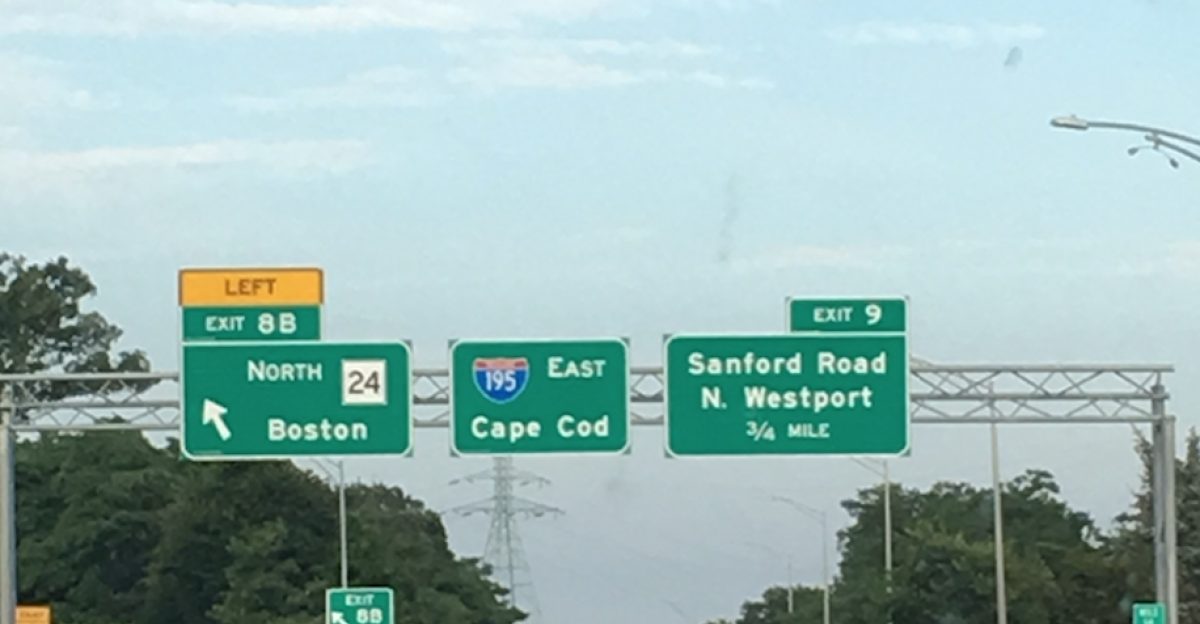
Rhode Island rounds out the top 10 with a 41.1 cents per gallon state gas tax, according to Kiplinger. Including federal taxes, drivers pay about 59.5 cents per gallon. The state uses automatic adjustments tied to inflation and infrastructure costs, ensuring rates increase regularly. Despite its size, the tax burden stands out, especially for commuters traveling longer distances. A driver using 375 gallons annually pays roughly $154 in state gas taxes alone. These patterns across all 10 states point to a broader trend shaping what drivers can expect next.
Sources:
10 States With the Highest Gas Tax in 2026. Kiplinger, March 19, 2026
Many states slightly increased their taxes and fees on gasoline at the start of 2026. U.S. Energy Information Administration, March 18, 2026
Illinois No. 3 in U.S. for high gas taxes. Illinois Policy Institute, February 3, 2026
2026 Motor Fuel Tax Rates. Pennsylvania Department of Revenue, 2026
Options to Stabilize the Highway Trust Fund. Bipartisan Policy Center, 2026
State Gas Taxes 2025. Institute on Taxation and Economic Policy, 2025