Toyota Pumps $1B Into Kentucky and Indiana for 50,000 US Workers
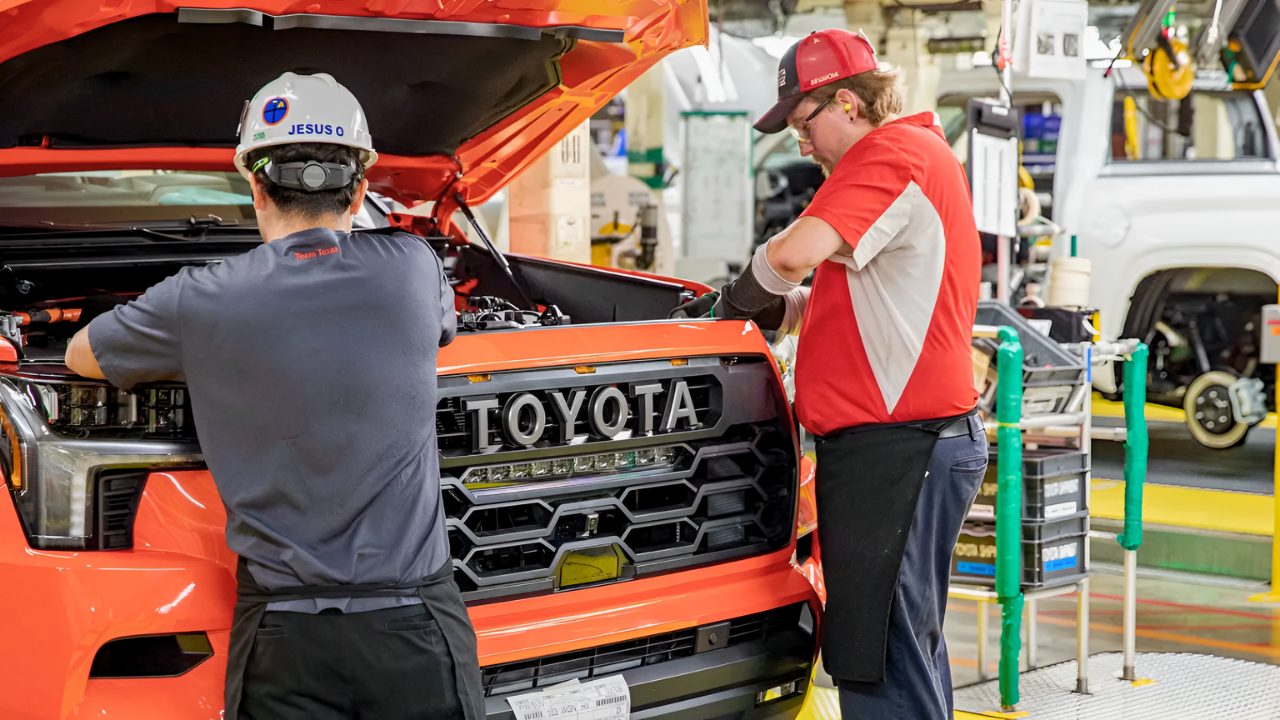
Toyota just pumped $1 billion into two of its oldest American factories. The Georgetown, Kentucky, plant gets $800 million. Princeton, Indiana, gets $200 million. Both announcements landed March 23-24, 2026, timed to the plants’ 40th and 30th anniversaries. Kentucky will tool up for a second battery electric vehicle alongside increased Camry and RAV4 capacity. Indiana expands Grand Highlander production. While it sounds like a growth story, it’s not. Toyota posted a roughly $40 million North American operating loss over the first nine months of its 2026 fiscal year despite selling a record 2.51 million vehicles in the U.S. in 2025. That math tells a different story entirely.
Tariff Escape
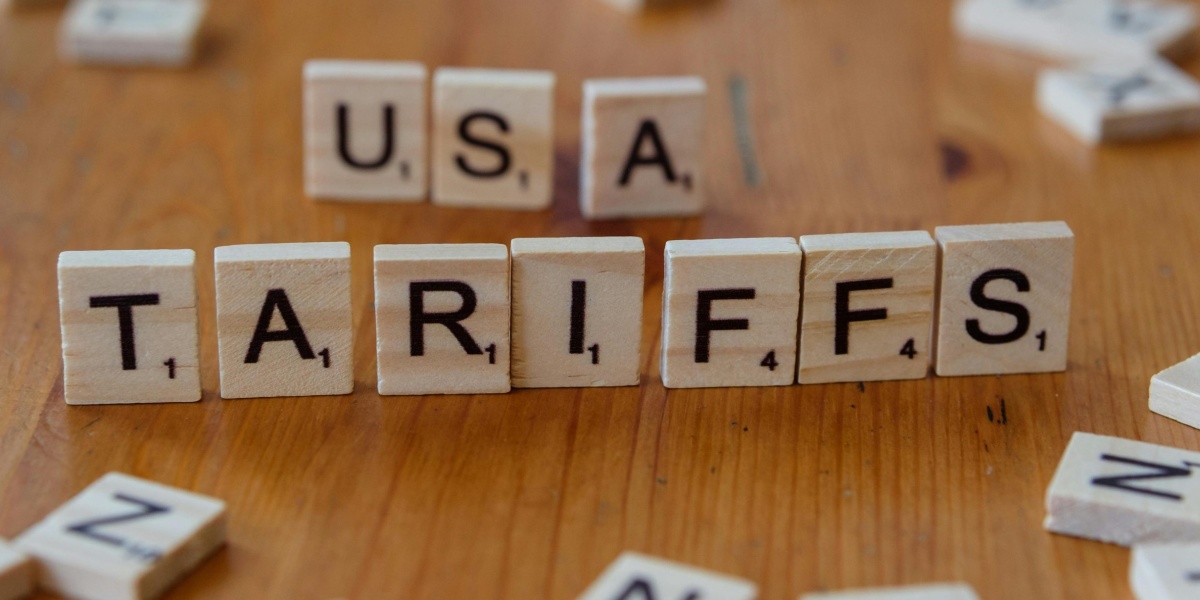
The 25% tariff on Japanese vehicle imports changed Toyota’s calculus overnight. Every car shipped from Japan to the US now carries a brutal cost penalty, and Toyota absorbed roughly $8 billion in negative tariff impact on operating income over the first nine months of fiscal 2026. Record sales volume couldn’t outrun that margin destruction. So the company accelerated a plan announced in November 2025: up to $10 billion in US operations over five years. Build where the tariffs can’t touch you. That’s the real engine behind this announcement, and it powers everything that follows.
Hybrid Vindication
Here’s what the tariff pressure landed on top of: the federal EV tax credit expired September 30, 2025. Pure battery vehicle demand dropped sharply in the months that followed, while conventional hybrid sales climbed around 27.6% to roughly 2.05 million units in 2025. Toyota’s US electrified lineup hit 1,183,248 vehicles sold in 2025, representing 47% of its total US sales. Almost half. The company everyone called slow on EVs just watched the market sprint back toward hybrids. Toyota plans 6.7 million hybrid vehicles globally by 2028, up from 5 million planned for 2026.
Competitors Scramble
Ford, Honda, and GM have been pulling back from some of their most aggressive EV commitments as subsidy-driven demand weakens and costs remain high. Toyota doubled down. The Kentucky plant, already Toyota’s largest manufacturing facility globally at 9.2 million square feet and 550,000 annual vehicle capacity, will retool production lines for battery electric assembly. Indiana’s 4.5-million-square-foot Princeton facility produced over 427,000 vehicles in 2025 and now adds Grand Highlander capacity. While rivals cancel or delay EV programs and absorb write-downs, Toyota converts fixed costs into sunk costs, making any future exit from US manufacturing economically unthinkable.
Battery Bottleneck
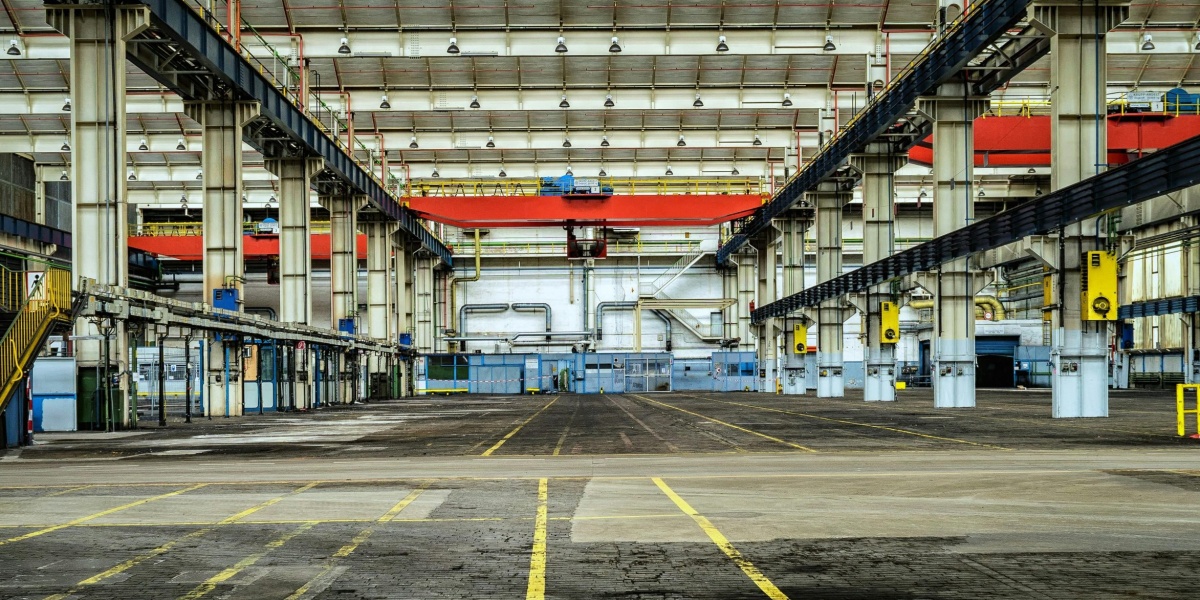
The surprise ripple hits the battery supply chain. Toyota opened its first battery manufacturing facility outside Japan in North Carolina in November 2025. That plant represents nearly $14 billion in investment, creates up to 5,100 jobs, and will produce about 30 gigawatt-hours annually at full capacity. It becomes a central hub for Toyota’s US electrified production. A drought, a storm, or a labor dispute in North Carolina wouldn’t literally idle every line, but it would send shockwaves through Kentucky’s new BEV production, Indiana’s hybrid components, and every electrified Toyota rolling off an American line.
Hidden Formula
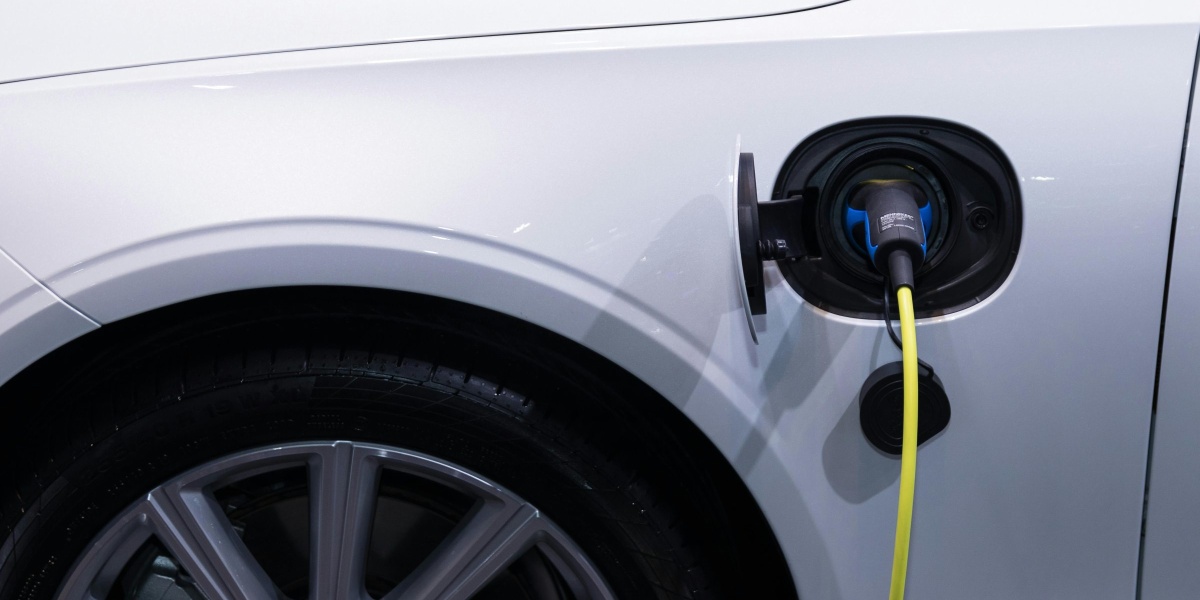
Toyota operates on a philosophy often summarized as “1:6:90.” For every battery electric vehicle’s worth of rare-earth materials, the company can build six plug-in hybrids or ninety conventional hybrids. Supply-chain mathematics, not engineering idealism, dictates the product mix. Tariffs force more production to Kentucky and Indiana. Subsidy collapse undercuts EV demand. Rare-earth scarcity favors hybrids. Three pressures, one outcome: hybrid dominance through geography. That formula reaches from Toyota’s boardroom to North Carolina’s battery floor to your dealership lot to the monthly payment on your next car.
Philosophy or Survival
Mark Templin, Toyota North America’s chief operating officer, framed the billion-dollar commitment this way: “Toyota’s investment in the U.S. is for the long-term, tied to our philosophy of building where we sell and buying where we build.” Philosophy. Long-term. The words sound principled. But about 17,300 workers at the Kentucky and Indiana plants face production-line retooling from sedans and existing SUVs to electric vehicles and more hybrids. The Lexus ES has already moved production back to Japan to free up capacity. Retraining programs are launching. The $4.4 million in workforce development grants to Kentucky schools and Eastern Kentucky University tells you the skill gap is real.
New Playbook
Toyota just wrote the template that every foreign automaker will study. BMW, Mercedes, Volkswagen: all face the same 25% tariff wall on imports. Toyota’s response—localize production and hedge with hybrids—becomes the default survival strategy for any company shipping cars to America. That shifts US automotive manufacturing further toward tariff-sheltered domestic production rather than pure export competitiveness. Kentucky’s Governor Beshear called the state “the battery capital of the United States.” He’s not far off. States are now competing for automotive investment the way they once competed for military bases. The rules changed.
The Workforce Question
Toyota directly employs approximately 50,000 people across its 11 US manufacturing plants. The Kentucky and Indiana facilities account for about 17,300 of those workers—roughly 10,000 in Georgetown and 7,300 in Princeton. This $1 billion investment sits within a broader $10 billion, five-year commitment to US operations announced in November 2025. The company isn’t just betting on these two plants. It’s anchoring an entire domestic manufacturing ecosystem designed to weather tariff volatility, supply chain disruptions, and shifting consumer demand. The investment protects existing jobs and creates new capacity, but the real story is a survival strategy, not an expansion triumph.
Winners and Losers
Toyota owners get vindication. Their practical hybrid choice just proved smarter than the EV early-adopter bet, at least in this policy environment. Pure EV startups like Rivian and Lucid face tougher funding and credibility tests as post-subsidy demand softens. Tesla loses some margin advantage as legacy automakers bring hybrid and localized capacity online. Consumers lose variety as manufacturers consolidate around a hybrid safety play designed to survive tariffs, scarce battery materials, and disappearing subsidies. Toyota’s “wrong” bet on hybrids is now the only bet that makes money.
Sources:
“Toyota Announces $1 Billion Investment in Kentucky and Indiana Plants.” Toyota Global Newsroom, 24 Mar 2026.
“Toyota Motor North America Reports 2025 U.S. Sales Results.” Toyota Motor North America, 4 Jan 2026.
“Toyota Investing Another $1B in Its U.S. Manufacturing Operations.” Supply Chain Dive, 25 Mar 2026.