Michelin’s New Mining Tire Saves 5,300 Gallons Per Truck—Fleet of 50 Cuts $1.2M in Costs
On March 17 in Nashville, a Michelin executive took the podium and broke a long-standing industry silence. Emily Ledbetter, Michelin’s Retread Marketing Manager, admitted to a room full of fleet operators something rarely acknowledged: “none of us are 100% accurate and consistent in our work on a daily basis.”
She was talking about human tire inspectors, every single one, stretching back decades. As she spoke, Michelin was preparing to show a new machine designed to support human judgment with machine-level consistency. The 1,200-point scanner was already humming and ready for action.
The Cost No One Saw Coming
Ledbetter’s confession resonated in a room where everyone felt the financial strain. Rolling resistance alone swallows up to a third of every diesel dollar spent by heavy-duty trucks. Most of that, about 85 to 90 percent, comes from hysteresis, the energy lost each time a tire flexes against the pavement.
For half a century, fleet purchasing departments have focused on getting the lowest sticker price, while operations teams quietly dealt with the aftermath: blown tires, roadside breakdowns, and wasted fuel piling up over millions of miles. For decades, no one bothered to connect those two sets of books.
Breaking the Old Tire Trade-Off
For years, everyone accepted a simple trade-off: efficient tires just don’t last as long. Buy the cheap ones, replace them often, and live with the consequences. Michelin’s X Line Grip D changed that logic. It offers 20 percent more mileage and 20 percent lower rolling resistance than the XDN2 it replaces. The industry never thought both numbers could improve at once.
At the same time, the EPA’s new Phase 3 greenhouse gas standards are starting to roll out for 2027 models, just ten months after the Nashville announcement. Some heavy-duty vehicles will need to cut CO₂ emissions by up to 60 percent by model year 2032. The old excuse for cheap tires doesn’t hold up anymore.
Michelin’s New Standard
Michelin called on the industry to change. Their TreadVision system uses AI and lasers to gather 1,200 data points with every tire inspection, automating a process that humans have performed with varying accuracy for fifty years. Another innovation, Smart Predictive Tire, tracks pressure and temperature in real time, giving managers advance warning before a tire fails.
In pilot programs, fleets saw up to 80 percent fewer roadside emergencies, up to nine percent longer tire life, and up to four percent lower fuel consumption. One system, three major improvements. Years of hidden waste are now visible.
Proving It in Harsh Conditions
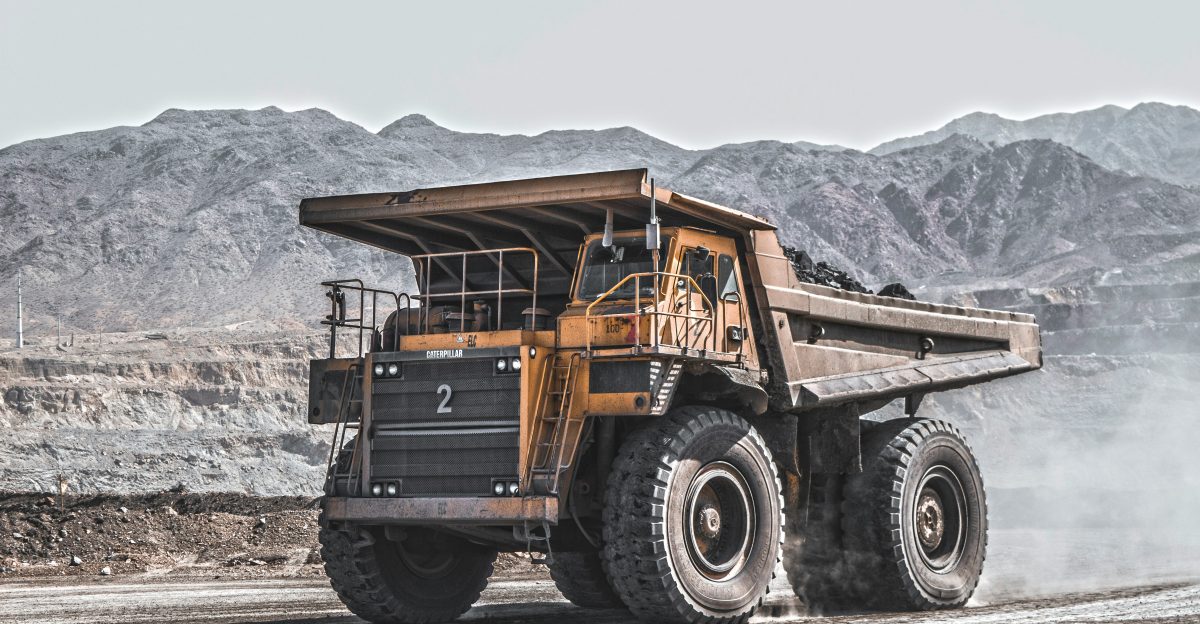
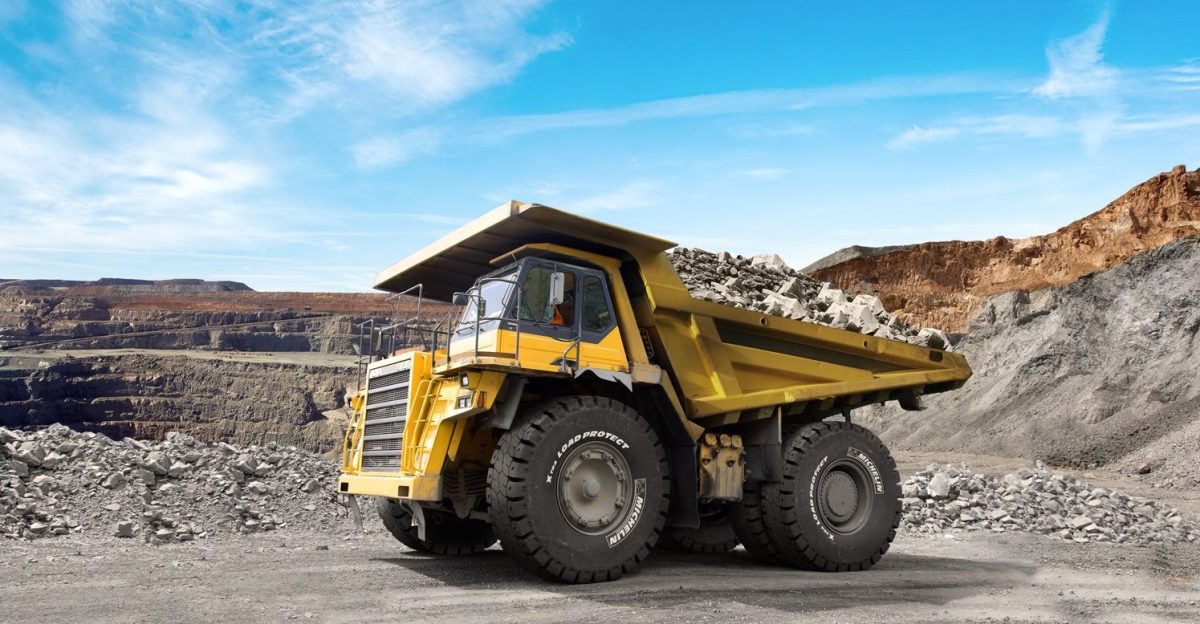
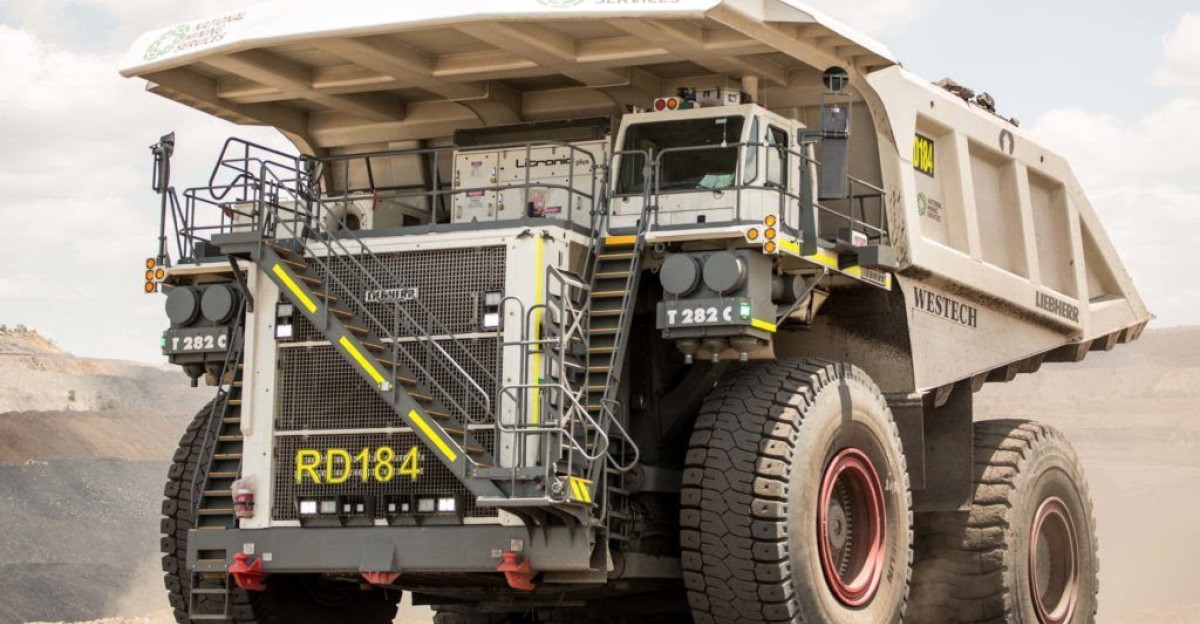
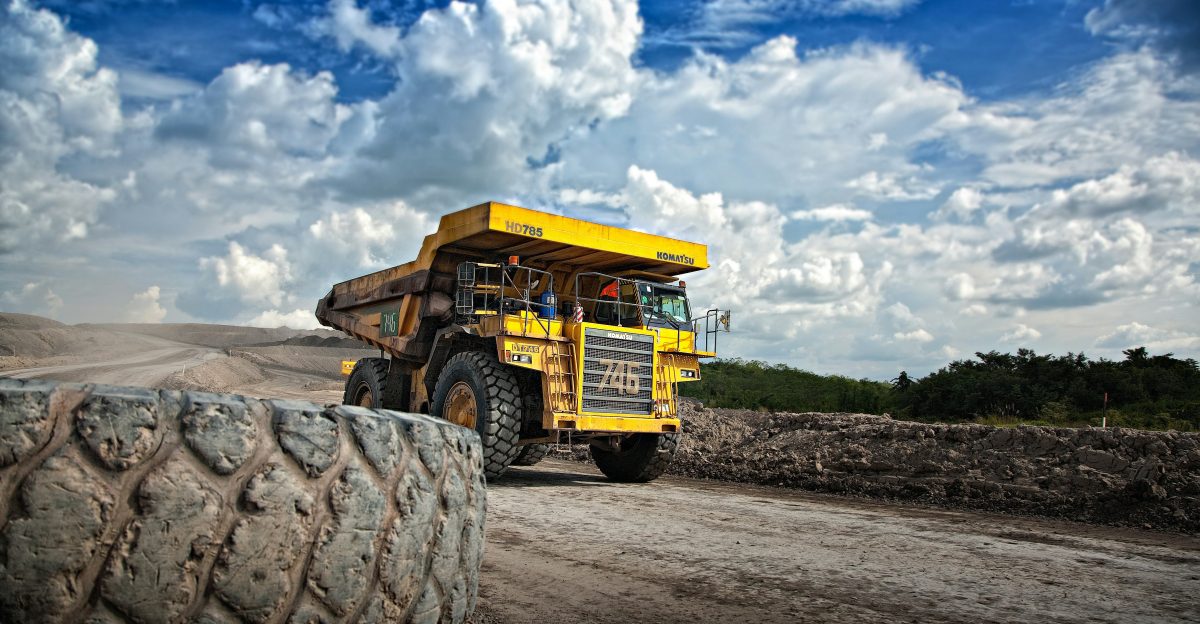
The XDR 4 SPEED ENERGY tire put these promises to the test under the toughest conditions. In a 50-truck mining fleet, it is projected to deliver 3.6 percent better fuel efficiency compared to its predecessor, the XDR 250 C.
That is about $24,000 in annual savings for each truck, totaling nearly $1.2 million for the fleet. These savings also cut roughly 2,600 tons of CO₂ emissions every year. In mining, where tires endure punishment that destroys ordinary highway rubber, meaningful efficiency gains seemed impossible. Michelin proved otherwise.
The True Value of Retreading
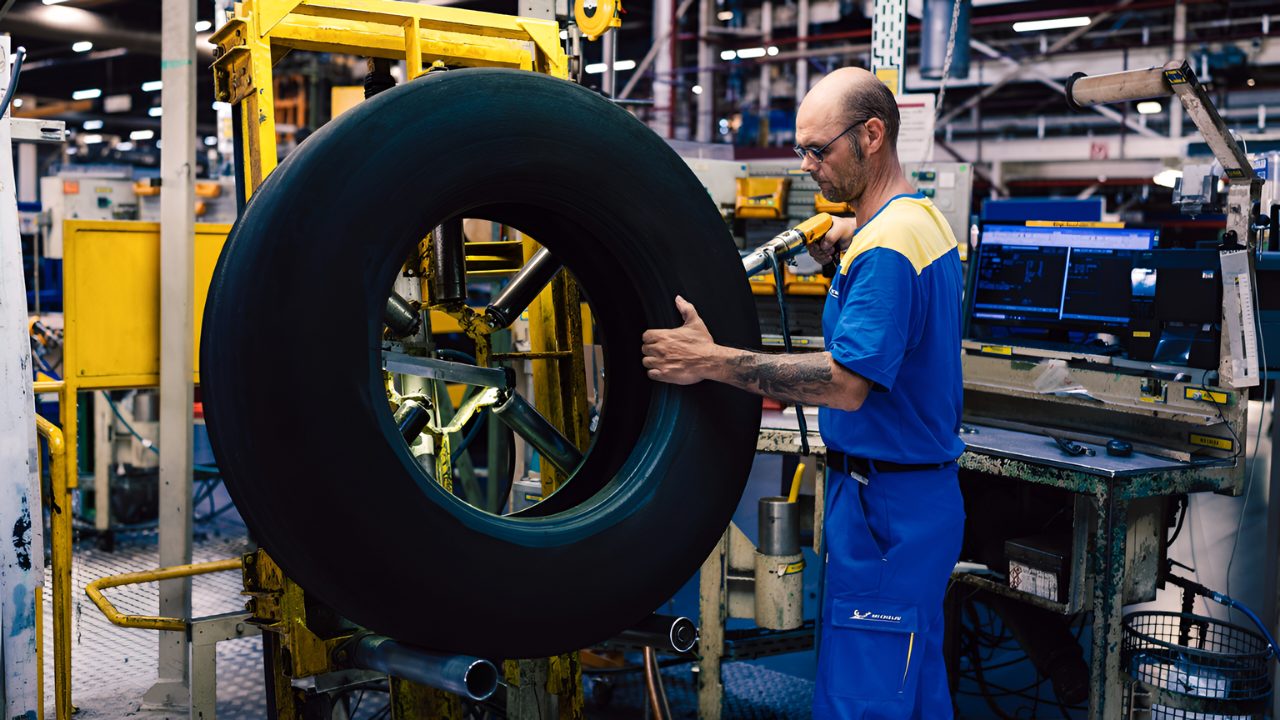
Building a brand-new commercial tire takes about 22 gallons of oil. Retreading one requires only about 7 gallons. That is a 68 percent savings in resources. Still, less than half of commercial tires ever get retreaded, because most purchasing departments focus on upfront price instead of long-term value.
The tire casing is about 75 percent of a tire’s weight and carbon footprint. Retreading reuses all that material and replaces only the tread. If a quality casing gets retreaded twice, it triples the value of the original investment. Budget-focused purchasing has wasted money for years and called it savings.
The Roadside Emergency Tipping Point
If all 8.2 million heavy-duty trucks in the United States adopted Smart Predictive Tire, it could prevent around 6.56 million emergency roadside calls each year. Fleets would save between $492 million and $656 million in service costs and lost productivity. The roadside tire assistance industry, a $3 billion business, could see 40 to 60 percent of its demand disappear due to predictive monitoring.
A business built on preventable breakdowns suddenly faces extinction. With one technology announcement, Michelin threatened an entire industry most people never realized existed.
Regulations Rewrite the Playbook
Tire efficiency is about to become a compliance requirement for the first time since the EPA began regulating emissions in 1970. The Phase 3 greenhouse gas rules will require every truck manufacturer to use low-rolling-resistance tires when certifying new vehicles, not just after they are sold.
Companies that produce budget tires but lack retreading or monitoring technology will feel pressure as manufacturers move toward premium specifications. A buying decision that fleet managers treated as a commodity for fifty years is now a regulatory countdown with just 10 months to go.
Time Pressure for Fleets
Recent world events such as the conflict in Iran and disruptions in the Strait of Hormuz sent fuel prices soaring in late February 2026, just weeks before Michelin’s major announcement in Nashville. This geopolitical shock compounds the regulatory pressure. Fleets that upgrade to premium tires now can secure better prices and establish a solid operational baseline before the Phase 3 rules begin.
Those that wait may be forced to scramble, face vendor shortages, and pay more. Continental, Bridgestone, and Goodyear are already racing to create their own predictive monitoring systems. The window for competitive advantage is measured in months, not years.
How Fleets Pull Ahead
Fleet managers reading this are now ahead of much of their competition. Tire selection has become the most powerful lever to control fuel costs, downtime, and regulatory compliance at the same time. Fleets that focus on lifecycle data, predictive monitoring, and higher-quality specifications prepare their organizations for a new regulatory era in just 10 months.
The era of cheap, budget tires lasted 50 years by relying on an outdated myth. Michelin has shown why it is finished.
Sources:
Transport Topics — “Michelin Debuts AI Retread Platform, Predictive Tire Tech” — March 17, 2026
Fleet Owner — “Michelin Connected Fleet Launches Smart Predictive Tire to Reduce Tire-Related Breakdowns” — March 16, 2026
Heavy Equipment Guide — “New Energy-Efficient Tire From Michelin Reduces Fuel Consumption for Mining Vehicles” — October 6, 2024
Trucking Info — “Michelin: New X Line Grip D ‘A Leap Forward’ in Drive Tires” — July 7, 2025
U.S. EPA — “Final Rule: Greenhouse Gas Emissions Standards for Heavy-Duty Vehicles—Phase 3” — March 29, 2024
Bloomberg — “Fuel Prices Jump More Than Oil as Iran War Hits Supply” — March 2, 2026