Electric Mandate Collapses as Diesel’s Biggest Weekly Spike Since 1994 Meets $35B in Tariffs
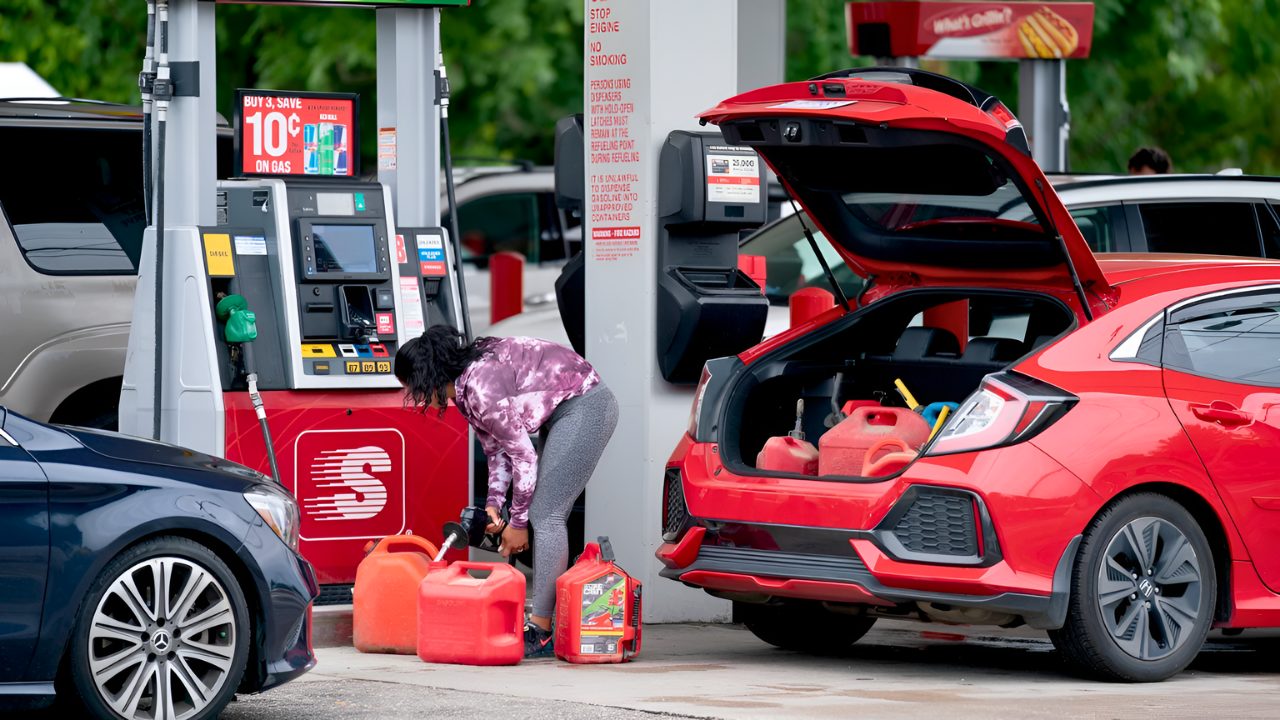
Diesel crept past $4.95 a gallon the week of March 17, 2026, the sharpest weekly surge in recent tracked history. Truckers watched the pump numbers spin. Fleet managers recalculated routes. And somewhere in Washington, the administration that promised cheaper vehicles for every American family sat on a policy framework that was quietly eating itself alive. The price at the pump told one story. The price of building a car in America told a worse story, and almost nobody had connected the two yet.
The Promise
The White House had been explicit. Eliminating the Biden-era EV mandate would “lower the average cost of a new vehicle by close to $3,000.” The EPA rescinded its 2009 endangerment finding. Congress killed the $7,500 EV tax credit. The DOJ sued California to block its own state-level mandate. Every regulatory lever pointed in the same direction: cheaper cars, more consumer choice, American manufacturing unleashed. That was the pitch. Automakers heard it and started writing checks in the opposite direction.
The Invoice
While Washington celebrated deregulation, tariffs landed like a sledgehammer. The administration imposed 15% duties on EU, Japanese, and Korean vehicles, 25% on Canadian and Mexican parts, and 100% on Chinese-built EVs. Automotive News tallied the damage: $35.4 billion in tariff costs absorbed by automakers in a single year. Toyota alone faced $9.1 billion. That $35.4 billion divided across roughly 12 million annual U.S. vehicle sales works out to approximately $2,950 per vehicle. The promised $3,000 in savings had a twin.
The Offset
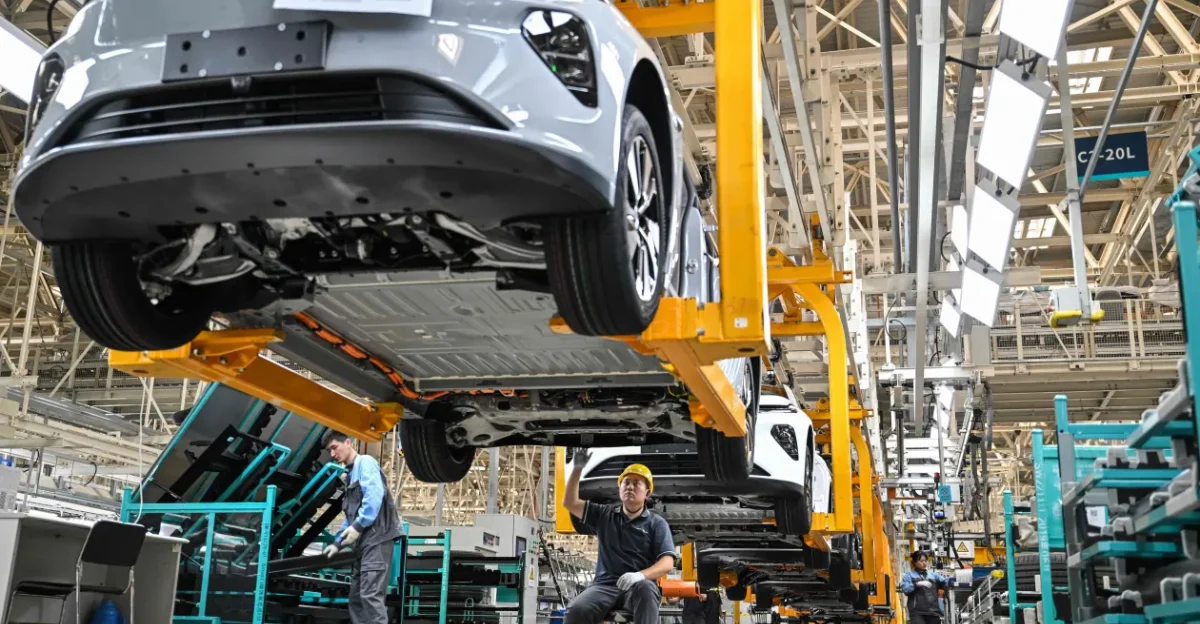
Three thousand dollars saved. Twenty-nine hundred and fifty dollars added back. One hand gave; the other took. The net benefit to the average American car buyer: roughly fifty bucks. Maybe. The administration’s own tariff structure neutralized its own deregulation promise at almost the exact same dollar amount per vehicle. That is not a rounding error. That is a policy framework canceling itself out while claiming victory on both ends simultaneously.
The Retreat
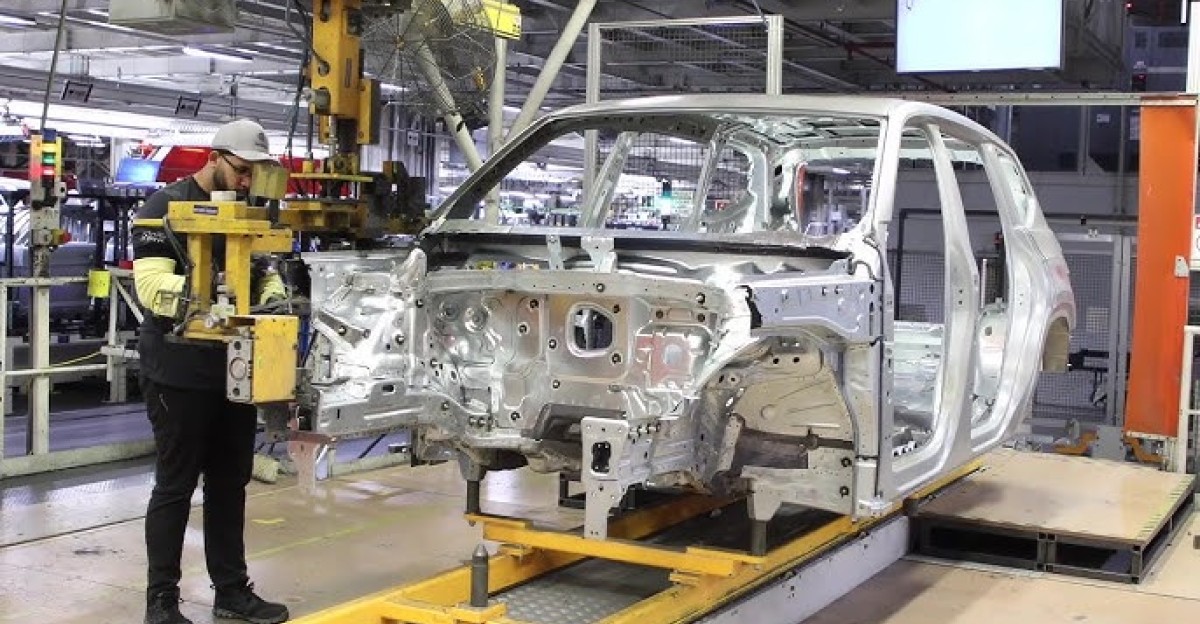
Automakers did what balance sheets demanded. EV market share peaked at 10.5% in Q3 2025, then cratered to 5.8% by Q4. Sales dropped 46% in a single quarter. Stellantis wrote down $26 billion. Ford took a $19.5 billion charge. GM absorbed over $7 billion. Combined industry EV write-downs exceeded $50 billion. The Detroit Auto Show pivoted its entire floor to hybrids. Regulation had forced manufacturers to compete on electric. Without it, they stopped competing and started retreating.
China’s Open Lane
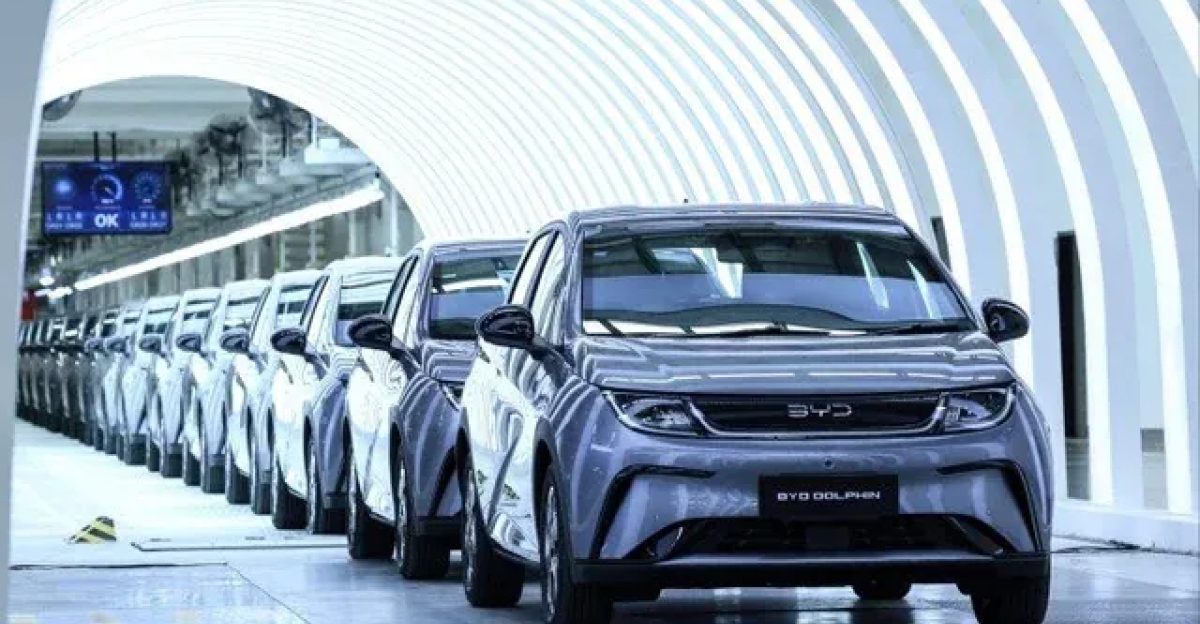
While American automakers bled capital, China kept building. Chinese factories now produce 60% of the world’s electric vehicles. BYD sold 2.25 million battery-powered cars in 2025, surpassing Tesla’s 1.65 million. Chinese battery prices average $84 per kilowatt-hour. North American prices run 44% higher. The tariff wall was supposed to block Chinese competition. Instead, it trapped American manufacturers in a high-cost position while Canada quietly cut its Chinese EV tariffs from 100% to 6.1%.
The Collateral
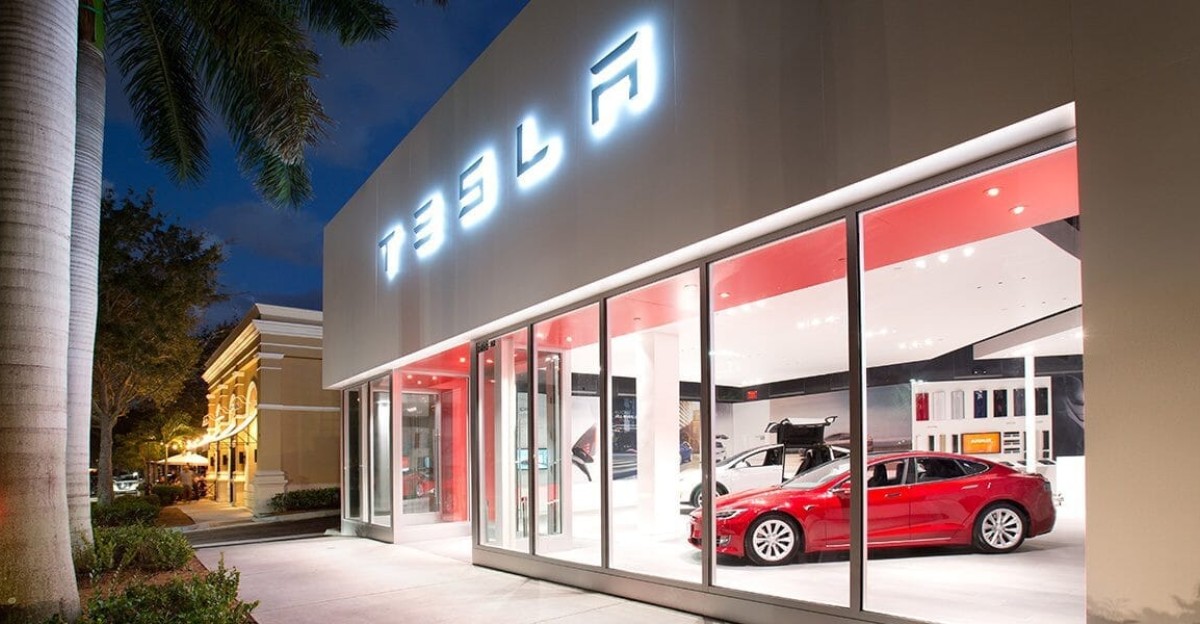
Tesla lost $2.17 billion in annual regulatory credit revenue overnight. Profits dropped 46% year over year. Rivian watched $325 million in credits vanish. Nearly 75% of 2025 EV transactions were leases, meaning a flood of roughly a million returned vehicles will hit the used market through 2029. Supply chain manufacturers reported 45% cite tariffs as their leading cost pressure. Rural manufacturing communities with underutilized plants became targets for consolidation. The policy aimed at consumers landed first on workers.
The Irony
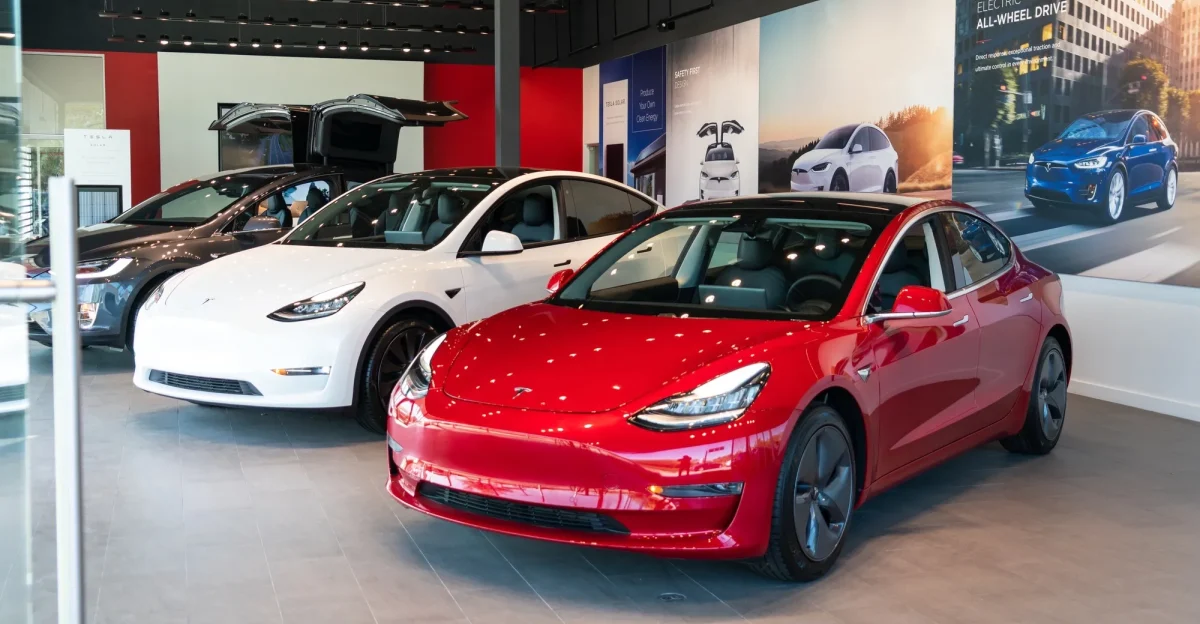
Used EVs will already cost $897 less than comparable gas cars by August 2025. Average annual EV fueling runs $485 versus $1,117 for gasoline. Maintenance costs 50% less. Lifetime savings range from $7,000 to $11,000. At elevated oil prices, Wood Mackenzie projects EVs achieve a lower total cost of ownership than gas vehicles regardless of any mandate. The administration eliminated a regulation that the market was about to make irrelevant anyway, then added tariffs that made the transition harder.
Frozen Capital
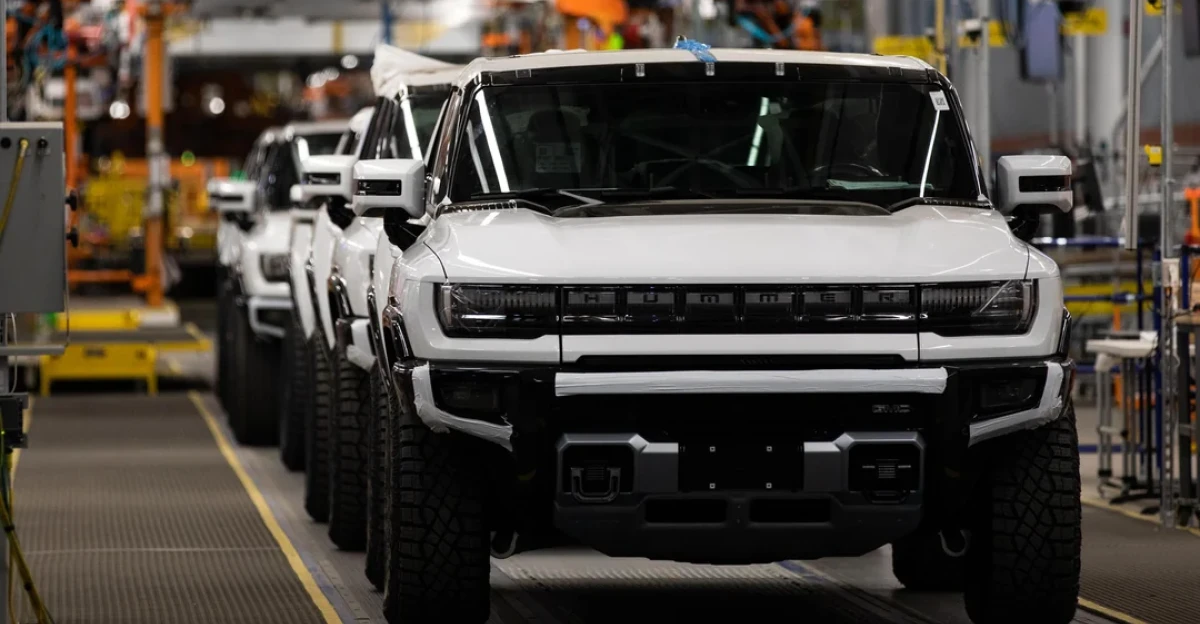
U.S. vehicle production fell from 12.2 million units in 2016 to 9.2 million by 2021. China now builds 30 million. That gap grew while American automakers froze over $100 billion in planned EV capacity investments, paralyzed by policy uncertainty. No manufacturer commits decade-long capital when regulations are reversed every 4 years. The precedent is set: long-term industrial planning in America now carries political risk that no spreadsheet can model. States like California and New York are spending billions filling the federal void.
The Trap
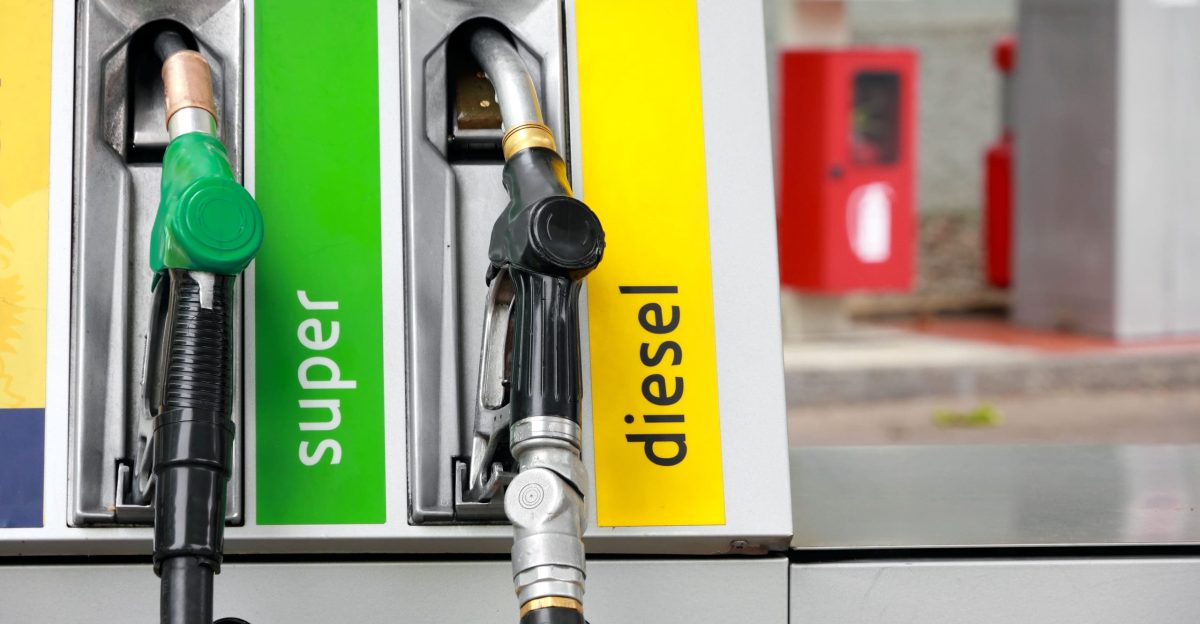
Every American who fills a diesel tank at $4.95 is subsidizing a policy contradiction. Deregulation promised affordability. Tariffs guaranteed cost inflation. Together they created a vacuum that Chinese manufacturers, with batteries half the price and production three times the scale, are racing to fill. The person who understands this story knows something most people at the gas pump don’t: the fight over electric vehicles was never really about mandates. It was about who controls the next century of manufacturing, and that fight just tilted east.
Sources:
Cox Automotive, “Q4 2025 EV Sales Report Commentary,” January 2026
Stellantis/Reuters, “Stellantis Plunges on $27 Billion Bill for EV Pullback,” February 2026
Ford/WSJ, “Ford Takes $19.5 Billion Charge to Write Down EV Investments,” December 2025
Automotive News/YouTube, “Trump Tariffs Cost Automakers $35 Billion,” March 2026
Forbes, “Canada Drops Tariffs on EVs from China,” January 2026
WSJ/Rigzone, “Record Diesel-Price Surge Hits U.S. Truckers, Retailers and Manufacturers,” March 2026