US Trucking Capacity at Risk of Unprecedented Collapse as Diesel Spikes 38% in 30 Days
Diesel prices in the United States have surged 38% within just 30 days, squeezing trucking capacity nationwide as rising fuel costs force carriers to cut routes, park trucks, and exit the market, even with steady freight demand. The shift is already pushing up shipping rates, tightening supply chains, and raising the cost of everyday goods across the country. Industry data from FreightWaves and federal agencies shows the constraint is no longer about driver shortages or demand spikes, but about whether trucks can operate profitably at all, setting off a chain reaction that reaches far beyond the highway.
Fuel Costs Become The New Governor

Diesel prices now act as a direct throttle on how much freight America can move. A 38% increase in just 30 days forces carriers to make hard decisions about which loads remain profitable. Every truck on the road operates within tight fuel margins, and when costs surge, low-paying routes are abandoned first. This does not require regulation or enforcement changes. It is a financial ceiling. Output drops without trucks breaking down. The shift is immediate, and it spreads across every lane in the country.
Why Prices Are Rising At Stores
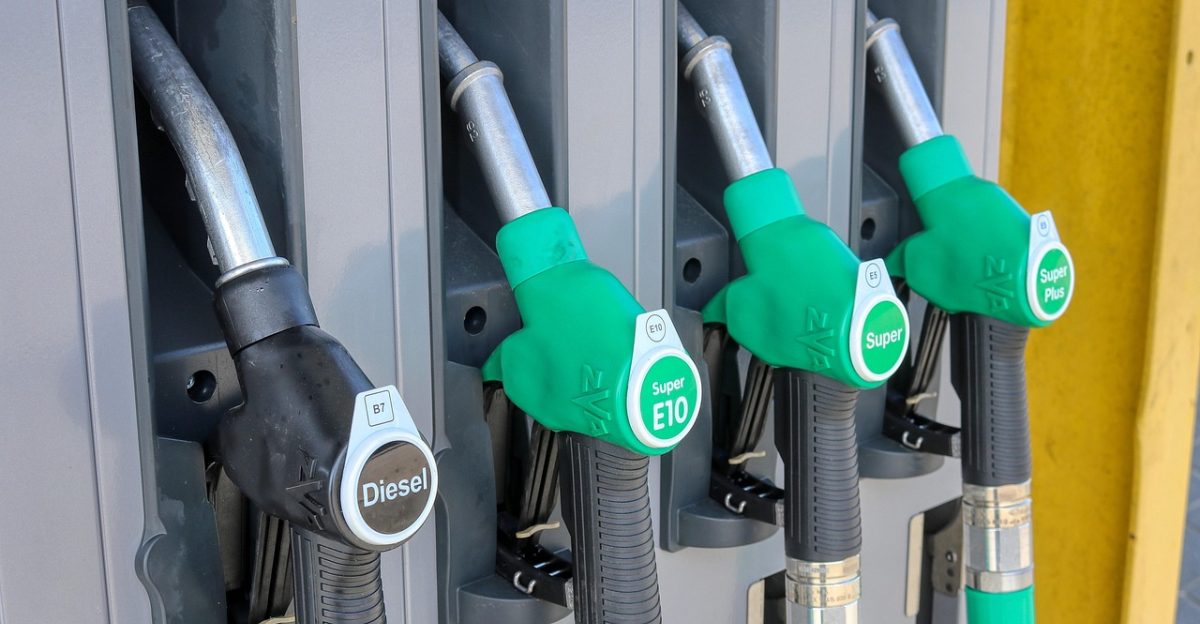
The direct impact lands on consumer prices. When trucking supply contracts due to fuel costs, freight rates rise quickly as carriers pass on expenses. A diesel spike of 38% can push transportation costs up by double digits across key routes, according to freight market data. That increase applies to every pallet moved nationwide. Groceries, household goods, and refrigerated shipments all absorb the added cost. Shoppers may not see diesel on receipts, but the price is embedded in every item reaching the shelf.
Small Carriers Begin To Exit Fast
Marginal carriers face the most pressure during sudden cost surges. Smaller fleets and owner-operators often operate on thin margins, leaving little room to absorb a 38% jump in diesel prices. When fuel expenses exceed revenue on certain routes, those trucks stop running. Some operators scale back. Others exit entirely. Each exit removes capacity from the national pool. Larger carriers can absorb some demand, but they raise rates to maintain margins. The market begins tightening quickly as supply disappears faster than demand shifts.
One Spike Ripples Across Entire Economy

The effect does not stay contained within trucking. Food distribution, construction materials, retail inventory, and agriculture all depend on the same freight network. When diesel prices surge, every sector competes for a smaller pool of affordable capacity. A delayed fertilizer shipment during planting season can affect harvest yields months later. Retail restocking slows. Construction timelines stretch. A single fuel spike in March can quietly influence pricing and availability across industries well into the second half of the year.
The System Runs On Cost, Not Trucks
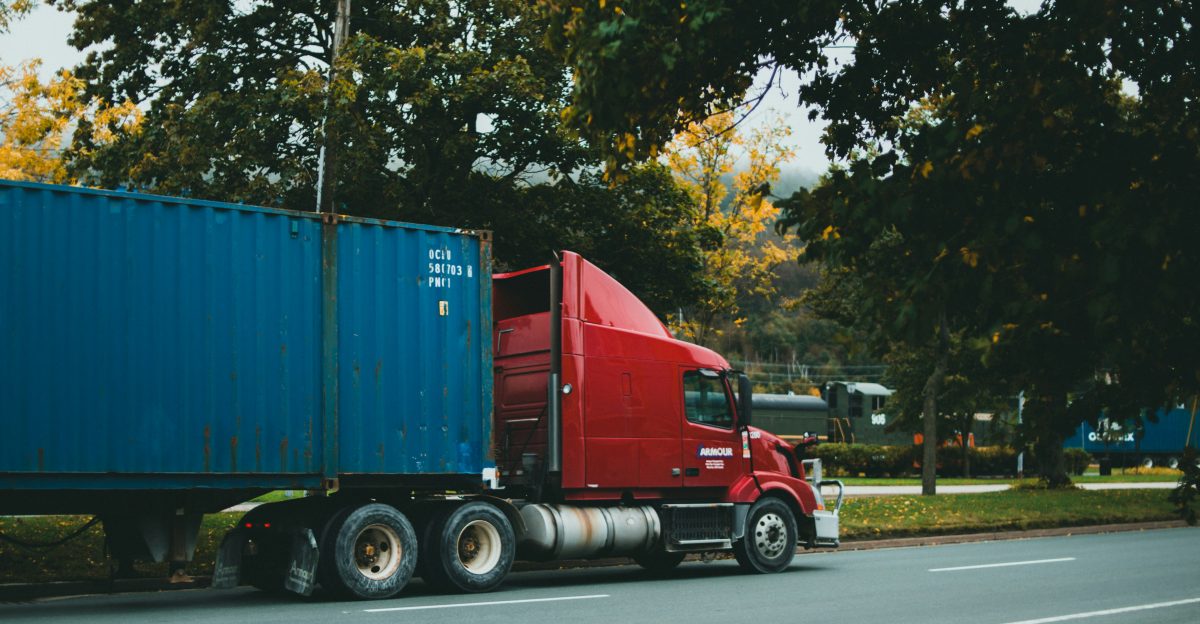
Trucking capacity is shaped by economics as much as equipment. Diesel prices, insurance costs, and operating expenses determine how many trucks actually move freight. When costs rise sharply, effective capacity shrinks even if the total number of trucks stays the same. The system adjusts automatically. Fuel rises. Margins compress. Carriers exit or reduce miles. Rates increase. Prices follow. That chain does not require new regulations or demand surges. It is built into how the freight market functions across the country.
Drivers Stay But Miles Keep Shrinking

The workforce remains in place, but usable output declines. Many drivers are still employed, yet fewer miles are driven when fuel costs make certain routes unprofitable. Owner-operators may park trucks temporarily rather than run at a loss. Larger fleets optimize routes and reduce empty miles, limiting overall capacity. Employment data may appear stable, but freight movement tells a different story. The gap between available drivers and deliverable miles continues to widen as operating costs reshape how the industry functions daily.
A Different Kind Of Market Tightening
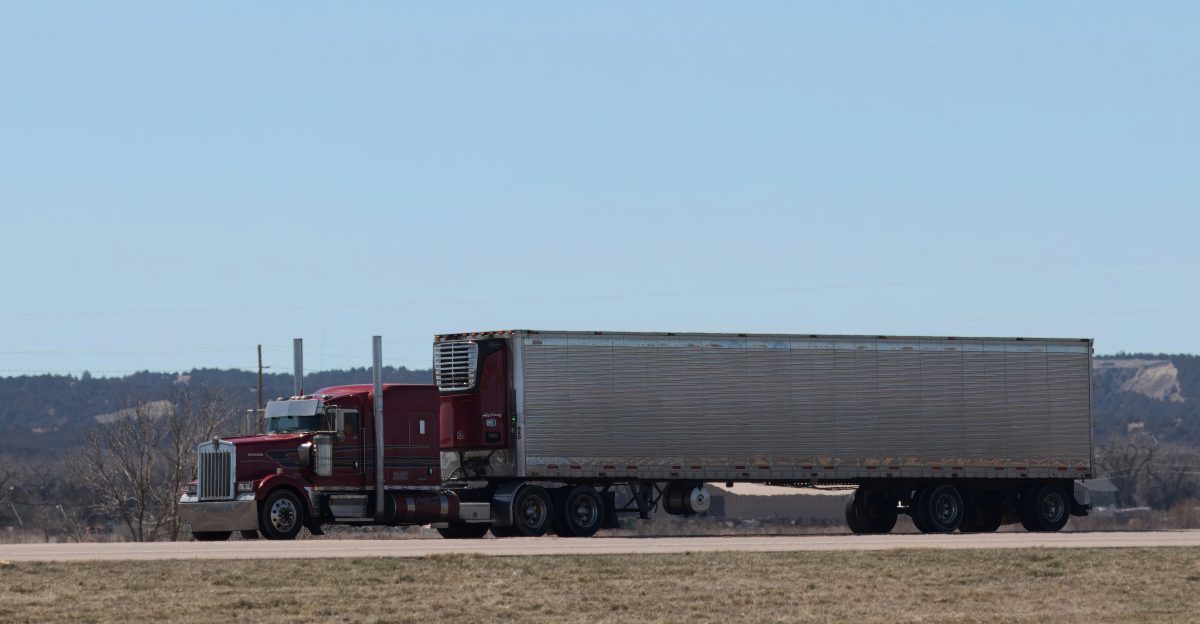
Freight markets have always moved in cycles, but this shift follows a different pattern. Past tightening often came from strong demand. This time, supply contracts due to cost pressure. A 38% diesel increase within 30 days accelerates that contraction faster than traditional cycles. Trucks do not return simply because demand softens. They return when operating costs stabilize. That difference changes how long disruptions last and how quickly capacity can recover once the pressure begins easing.
Who Gains And Who Falls Behind
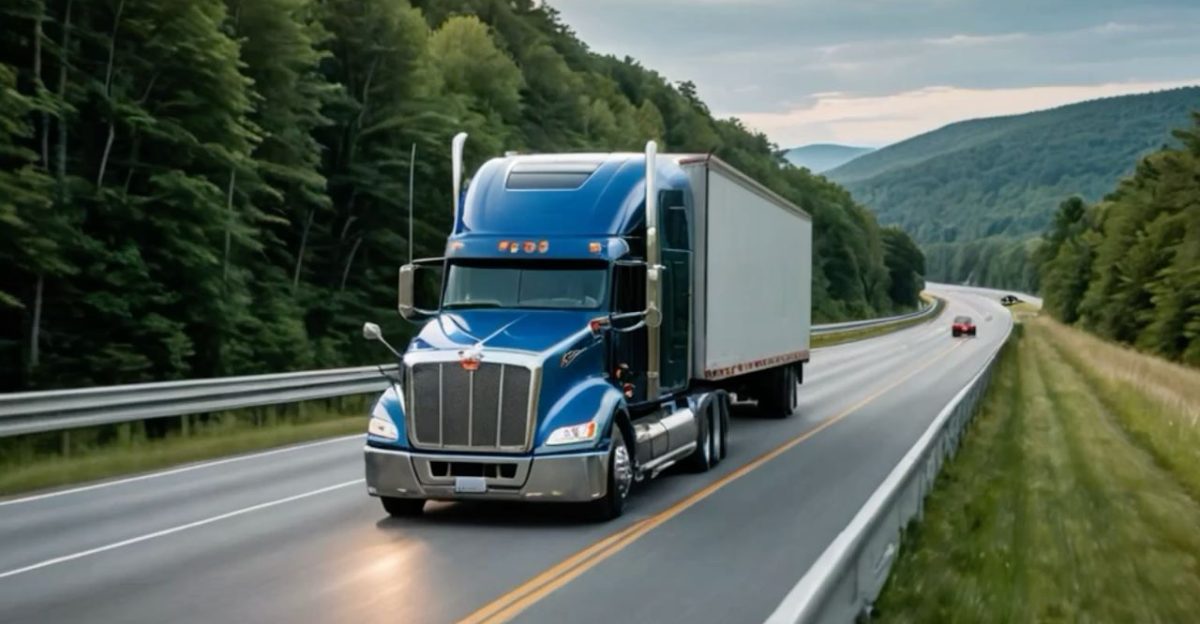
Large carriers with strong balance sheets benefit during cost shocks. They secure fuel contracts, maintain operations, and absorb freight from smaller competitors exiting the market. Smaller shippers face rising rates and limited access to capacity. Brokers with strong networks navigate the shift more effectively than those relying on spot markets. The same cost surge creates uneven outcomes across the industry. Some expand their share. Others struggle to secure basic transportation, raising a clear question about resilience across the supply chain.
What Happens If Diesel Keeps Climbing
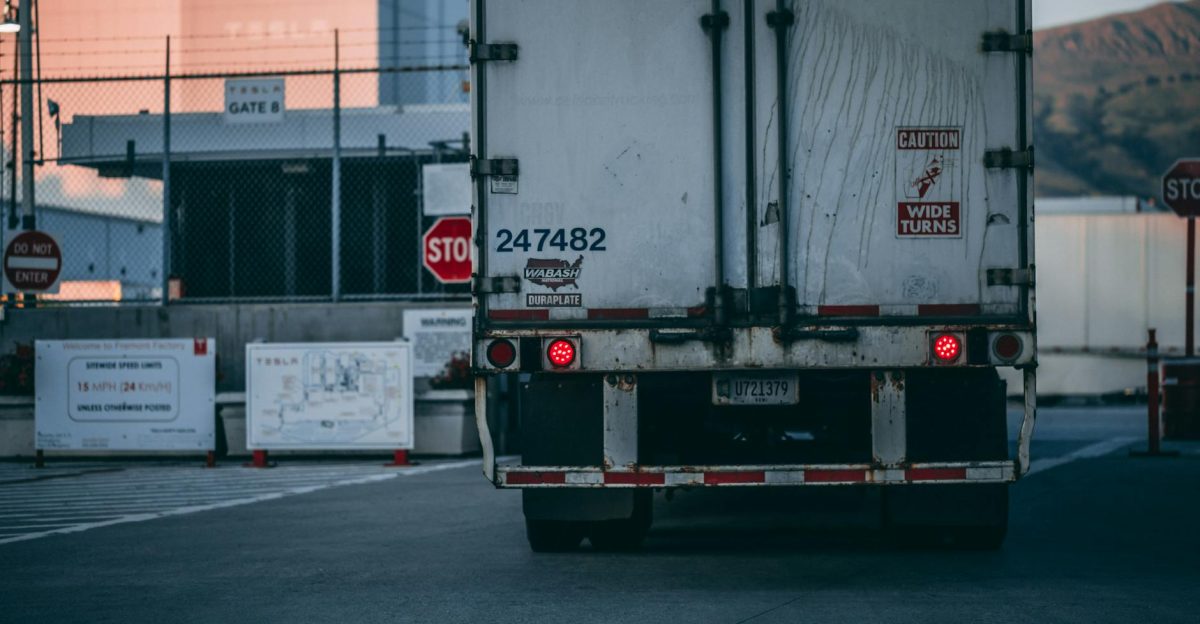
The pressure is still building. Continued diesel increases would push more carriers out of the market and tighten capacity further. Shippers are already adjusting by shifting freight to rail, increasing inventory buffers, and extending lead times. None of these changes replace lost trucking capacity. The system continues to adjust around rising costs rather than solving them. A 38% spike in 30 days has already reshaped freight movement nationwide, and the next shift depends on where fuel prices move from here.
Sources:
Record Diesel-Price Surge Hits U.S. Truckers, Retailers and Manufacturers. Wall Street Journal, March 10, 2026
National Trucking Capacity Is About to Tighten Significantly. FreightWaves, March 22, 2026
2026 Brings a ‘Marginless Recovery’ as Capacity Shakeout Accelerates. CCJ Digital, December 3, 2025
Why 2026’s Freight Market Faces Structural Capacity Squeeze. CCJ Digital, December 21, 2025
Carrier & Broker Failures in 2024–2025 and Why 2026 May Bring One Last Wave. Factoring.org, January 20, 2026
BofA Thinks Freight’s Four-Year Slump Could End in 2026. Finimize, January 9, 2026
Hours of Service (HOS). Federal Motor Carrier Safety Administration (FMCSA), accessed March 24, 2026