Hertz Dumped 30,000 Teslas at Under $20K—Lost $2.9B on 100,000 EVs Bought in 2021
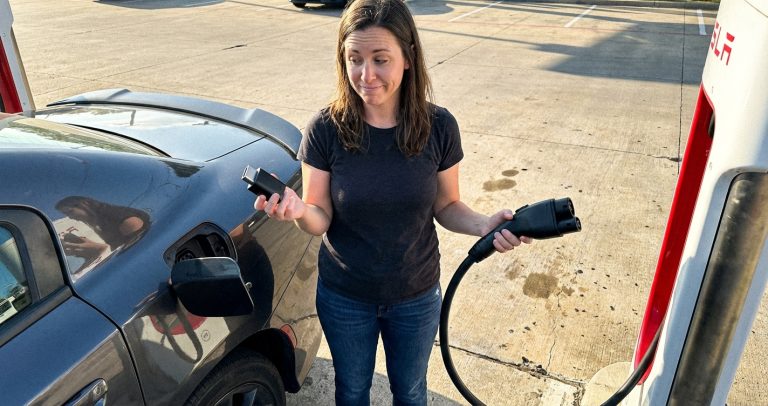
The charger blinked red. Again. Forty minutes gone, barely any battery gained, and the whole evening shot. That’s the EV moment nobody puts in the brochure. Not the quiet ride or the instant torque — the dead time. Minutes you’ll never get back, staring at a screen that won’t cooperate. One owner hit that wall enough times to ditch electric entirely. And honestly? The reasons go way deeper than one bad charging session.
The Promise
The sales pitch was solid. Cheaper fuel. Less maintenance. Fewer parts to break. Consumer Reports backed it up — EVs skip oil changes and run simpler drivetrains. For owners charging overnight in their own garage on a Level 2 setup, the math genuinely works. The EV dream, at its best, delivers exactly what they promised. Which is what makes the next part so frustrating. Because that best-case scenario depends on a variable most buyers never even think to check before signing.
The Crack
Here’s where it falls apart. Most people assume a car is just a car. Plug it in, drive it, done. Then J.D. Power dropped the data. Public charging experience — not range, not performance — was the biggest driver of owner satisfaction. Owners stuck using public networks had a completely different experience from those using garage chargers. Turns out the “car” purchase was never really about the car. Your driveway, your electrical panel, and your zip code were making the decision for you.
The Real Product
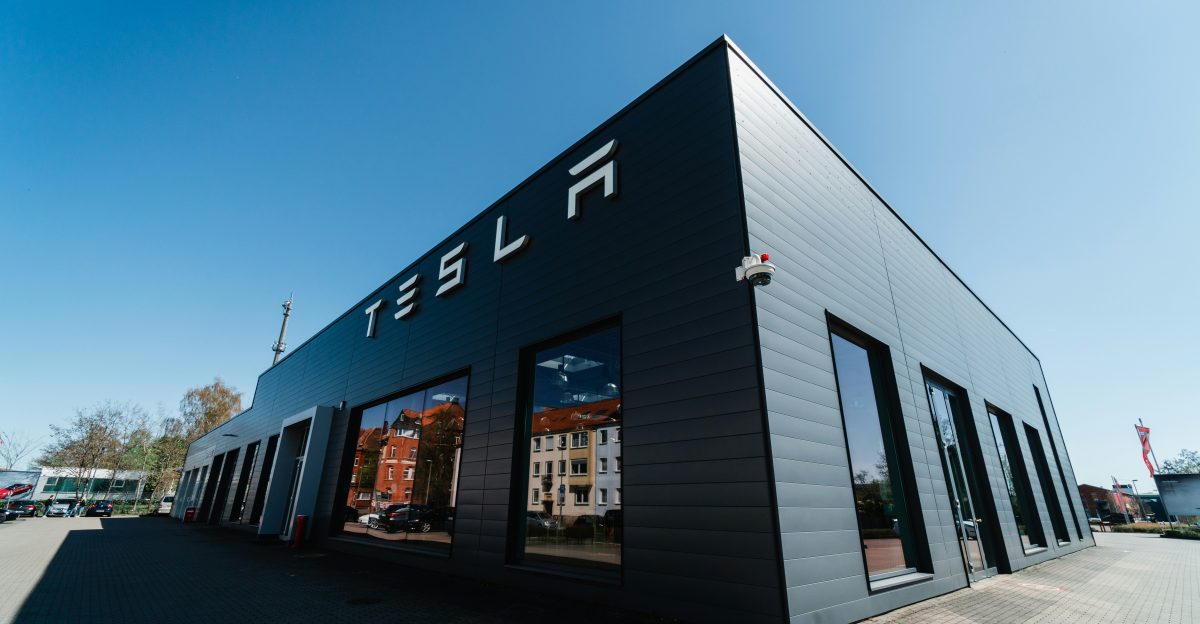
Buying an EV without home charging is like buying a phone with no outlet at home. You’ll find power eventually, but your whole life starts orbiting around the search. The Department of Energy breaks it down: Level 1 at 120 volts is painfully slow, and Level 2 at 240 volts requires dedicated wiring that most renters can’t access. Miss that detail, and you’re at the mercy of public stations. Broken screens. Wait times. Pricing you don’t control.
Rate Roulette
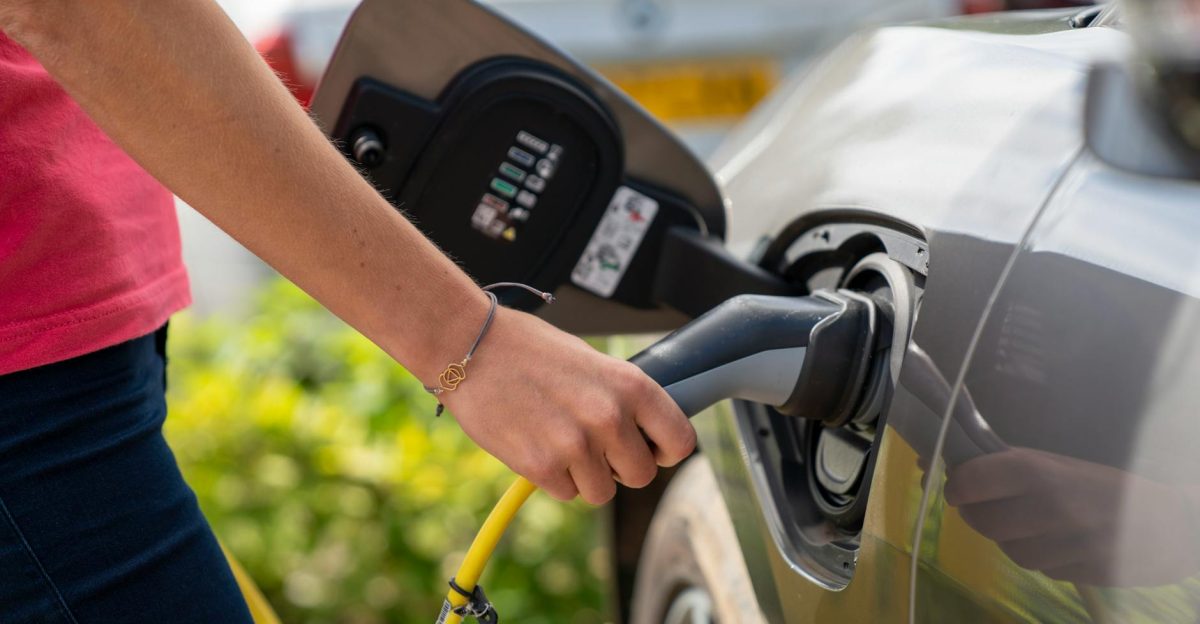
Here’s a fun one. The EIA tracks electricity prices state by state, and the variation is wild. Your rate depends on geography, season, time of day, and your local utility’s mood. So “fuel savings” isn’t a fixed number — it’s a moving target tied to your zip code. Consumer Reports flagged it directly. Two identical EVs in different states can have completely different operating costs. That cheap fuel promise? It depends entirely on where you live.
Two Experiences
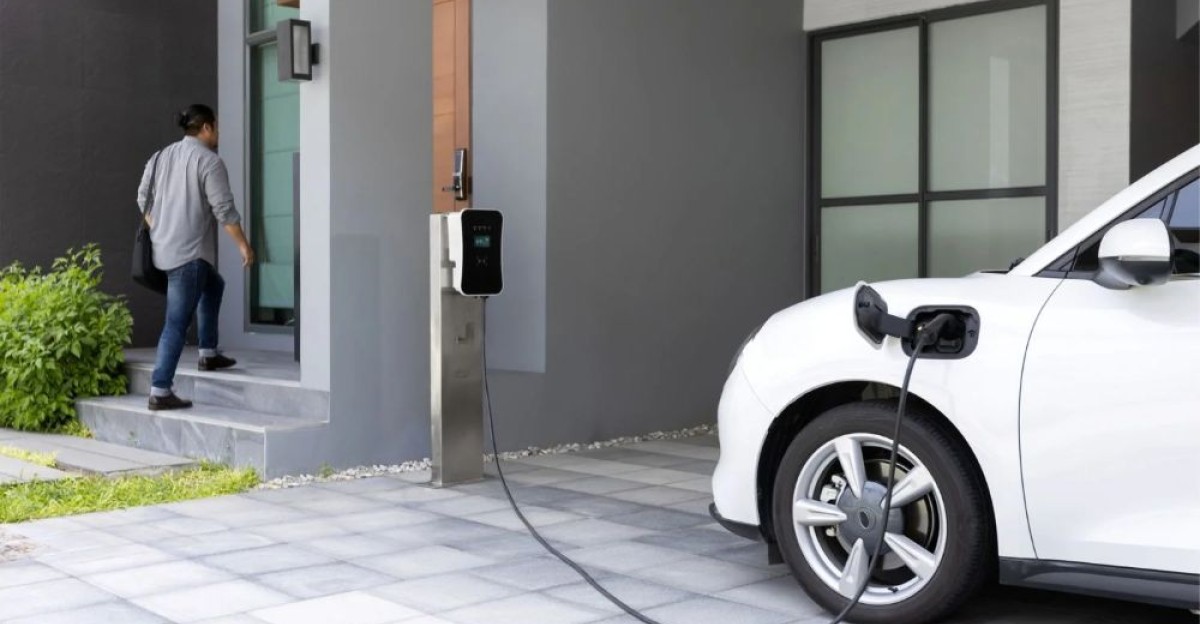
This is where it gets real. Garage owners with Level 2 chargers wake up to a full battery every morning. They never touch a public station. Their costs stay predictable. Everyone else? DC fast chargers that cost more. Public Level 2 stations that take hours. Availability that depends on luck. J.D. Power confirmed it — satisfaction tracks directly with charging access. Same car, same price, totally different ownership experience. The only difference is housing. That’s not a car problem. That’s an infrastructure problem.
Who Pays Next
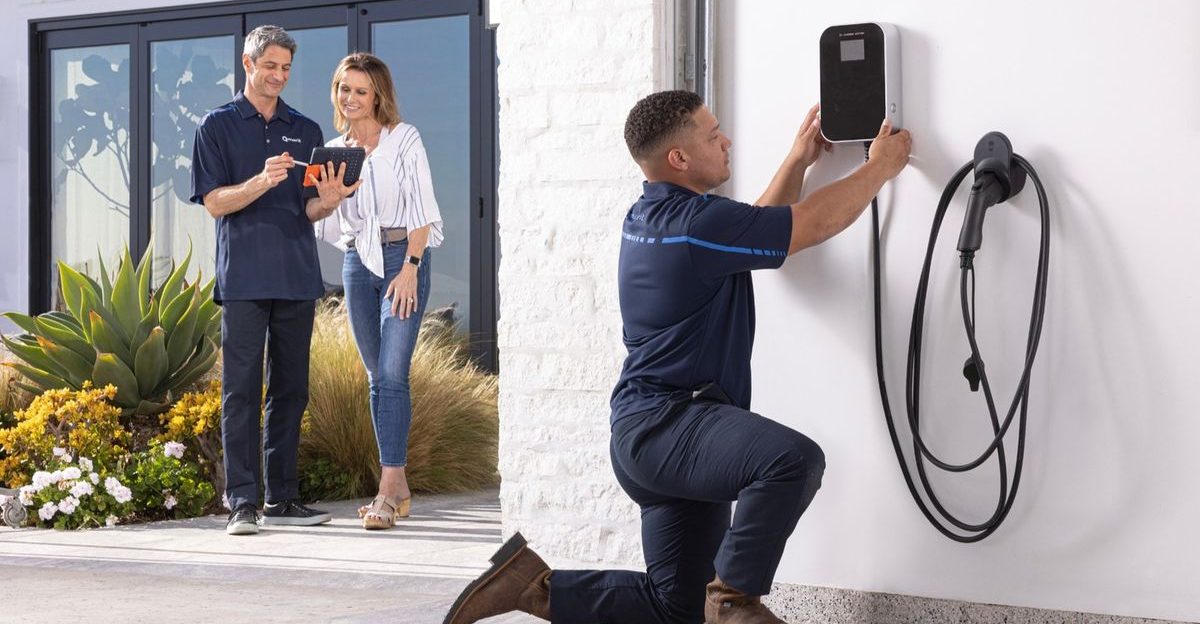
The ripple effect is already here. Buyers are screening for home-charging feasibility before they even test drive. Car shopping just became a housing audit. Automakers and charging networks are competing on reliability now, not just specs. Utilities face heat over rate design as EV demand climbs. And the group most exposed? Renters and apartment dwellers with zero access to dedicated charging. The infrastructure gap doesn’t just inconvenience them; it also harms them. It prices them out of the entire ownership model.
New Rules
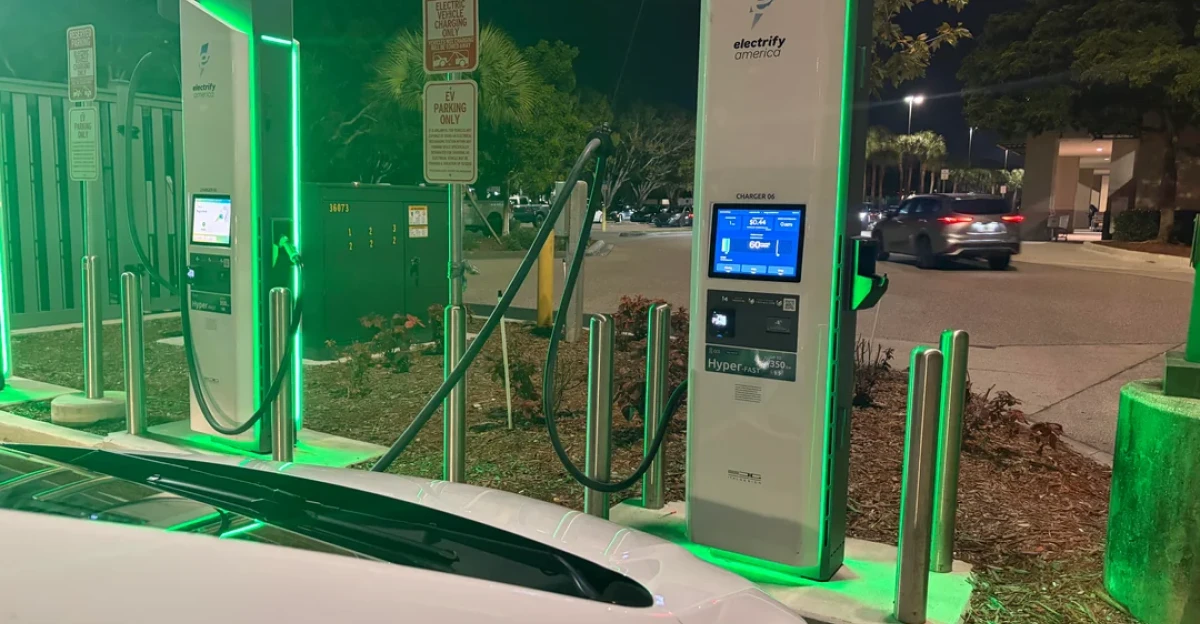
This stopped being a one-off complaint when J.D. Power started tracking it year after year. Public charging frustration is now a recurring metric in ownership studies. That shifts the whole EV conversation from ideology to infrastructure performance. The IEA backs it up — adoption growth depends directly on charging buildout. Nobody’s really arguing about whether EVs are good cars anymore. They’re arguing about whether the system behind them is ready. Spoiler: In a lot of places, it’s not.
The Stall
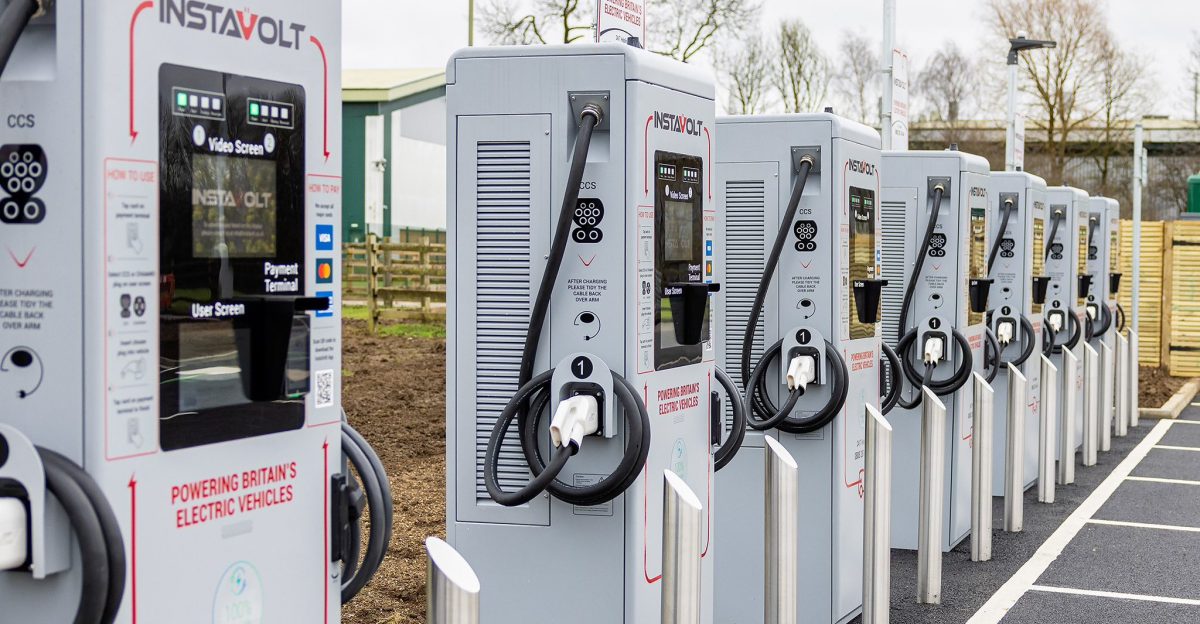
If public charging stays frustrating, adoption stalls hardest where it’s needed most. Rural areas. Older housing. Infrastructure-poor regions. The pattern writes itself — buyers default to gas, charging networks avoid low-density markets, and the gap widens. AAA already tracks fuel, maintenance, and depreciation together, and energy cost is the variable that swings the most. The owner who walked away wasn’t being dramatic. The system asked more than it delivered. Simple as that.
The Upgrade
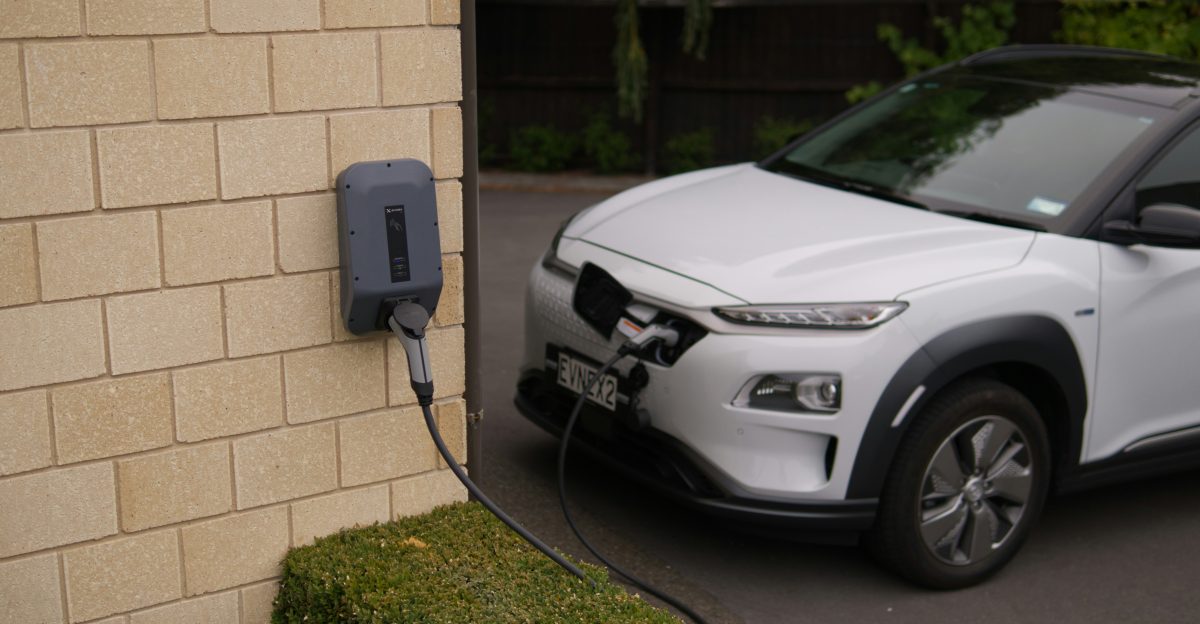
The fix is forming. Workplace charging. Multifamily installations. Faster public buildouts. Whether it arrives fast enough is the real question. Here’s what most people still get wrong — they debate the car. Engine versus motor, brand versus brand, range versus range. The actual decision is about your electrical panel, your utility rate, and whether a working charger exists between your house and where you’re going. The smartest shoppers aren’t comparing vehicles anymore. They’re auditing the infrastructure.
Sources:
J.D. Power, EV ownership and charging satisfaction studies, 2024
International Energy Agency, Global EV Outlook, 2024
U.S. Department of Energy (AFDC), Alternative Fuels Data Center – home charging documentation, ongoing
Consumer Reports, EV maintenance and charging cost analysis, ongoing
U.S. Energy Information Administration, state electricity price tracking, ongoing
AAA, Your Driving Costs annual report, 2024