Gas Jumps $1 a Gallon In 3 Weeks As Largest Oil Stockpile Release In History Covers Just 20 Days
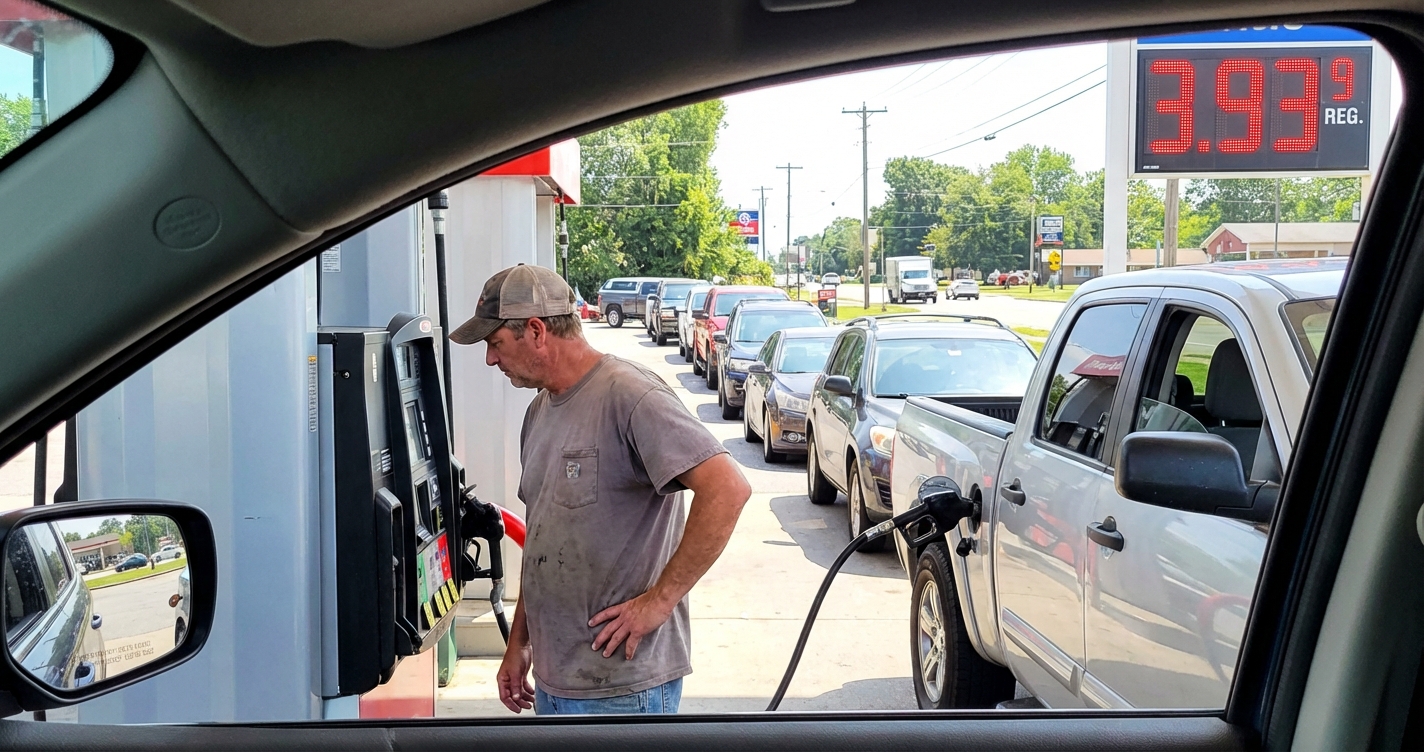
The number kept climbing. Drivers across the South and Southwest watched their pump totals spin past $50, past $60, past $70 for a regular fill-up. In Dallas, a QuikTrip that charged $2.50 a gallon weeks ago now read $3.22. In Las Cruces, New Mexico, $3.88. In Florida, prices jumped about 80 cents in roughly nine days. Nobody had changed their commute. Nobody had moved. The fuel just cost more, everywhere, all at once.
The surge in prices

The national average sat at $2.98 on February 26. By around March 22, it reached roughly $3.90. That near-95-cent surge over a little more than three weeks produced one of the largest four-week gas price spikes in at least 30 years, per the EIA. Only Hurricane Katrina in 2005 generated a bigger monthly jump. New Mexico absorbed an increase approaching 45%. Louisiana, Mississippi, Oklahoma, and Texas saw prices climb roughly a third. Three states now exceed $5 a gallon: California at $5.66, plus Washington and Hawaii. The war hadn’t even been going a month.
The narrow strait that moves the world
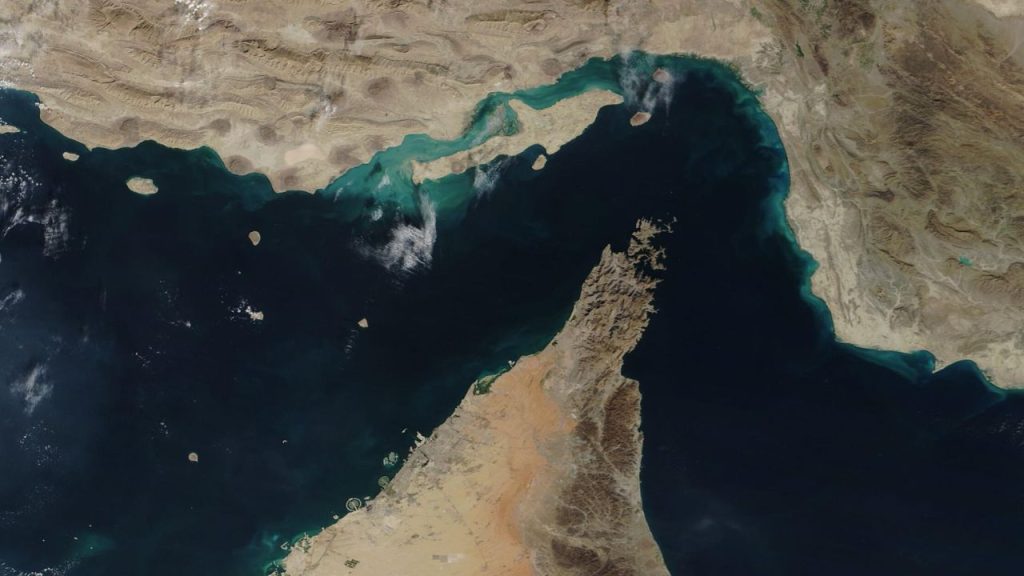
The Strait of Hormuz carries about 20 million barrels of oil per day, roughly 20% of global petroleum trade, through a channel 21 miles wide. The IRGC declared it closed and threatened to fire on any transiting vessel. Multiple tankers took damage. Two people died. Approximately 150 vessels sat stranded. But the physical attacks weren’t what sealed the strait. Before a single mine hit the water, five major marine insurers cancelled war risk coverage for the entire Persian Gulf. No insurance meant no shipping.
The quiet power of insurance
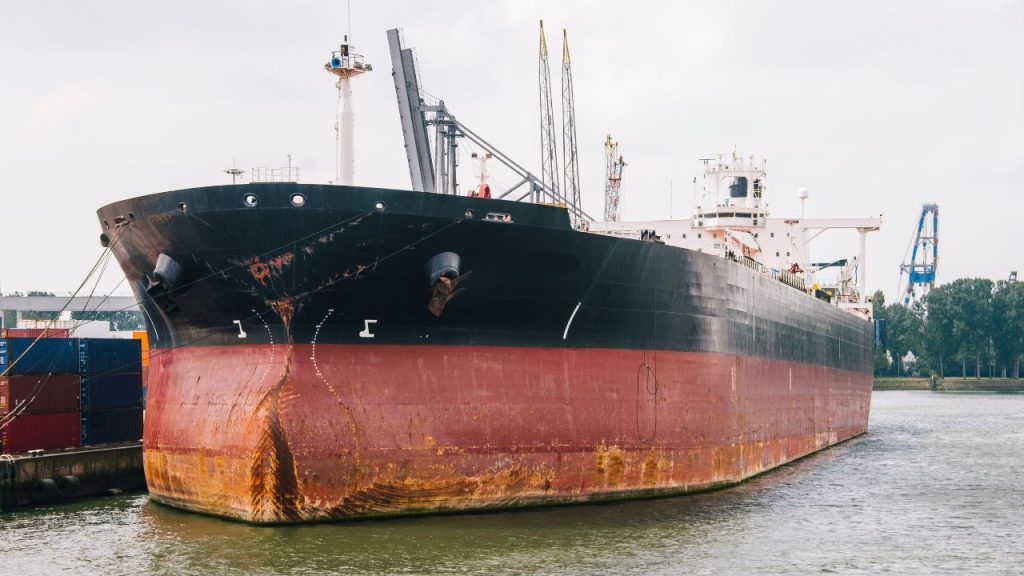
American Club, Gard, Skuld, Standard Club, London P&I Club: all pulled out. When coverage returned, premiums roughly quadrupled to around 1% of hull replacement value. Supertanker charter rates hit about $800,000 a day. Those costs cascaded straight to the pump. The world’s most important oil chokepoint didn’t close because of missiles. It closed because of spreadsheets in London insurance offices. Finance, not firepower, shut down about 20% of global oil supply. And every American driver absorbed the bill within days.
The record release from oil reserves
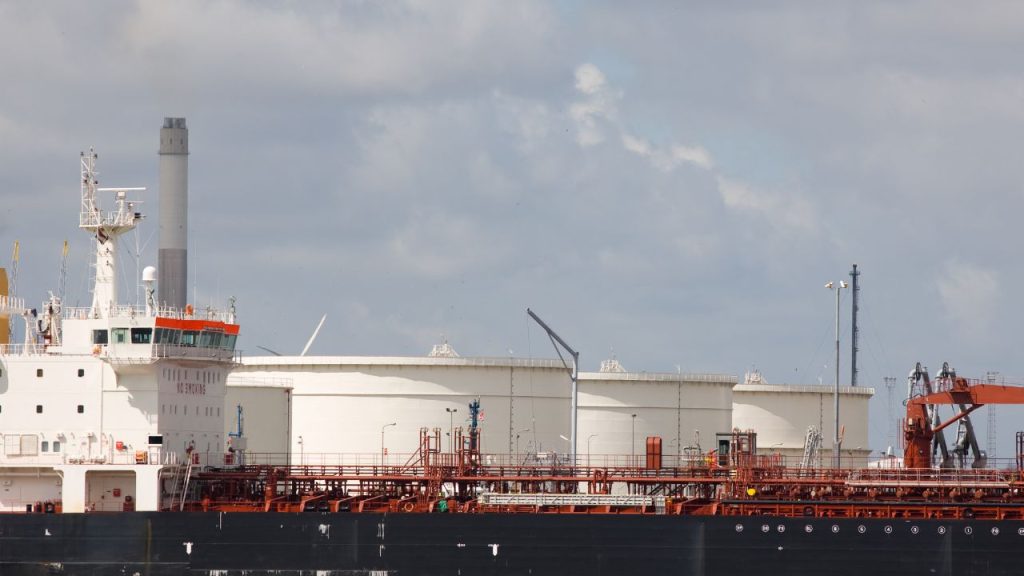
Thirty-two IEA nations responded with the largest coordinated emergency oil reserve release ever recorded: about 400 million barrels. The U.S. contributed 172 million from the Strategic Petroleum Reserve. Energy Secretary Chris Wright stepped to the microphone on March 11 and offered reassurance about U.S. energy security. That same release will drain the SPR to about 243 million barrels, its lowest level in over 40 years. Strong as ever, at a four-decade low. That contradiction is the whole story.
What 400 million barrels really buys
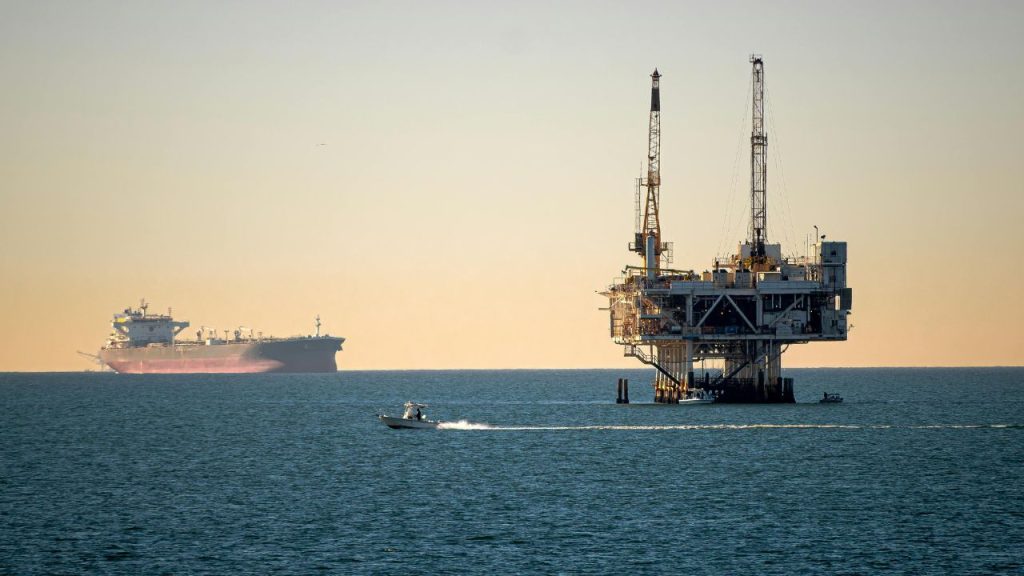
Here is what 400 million barrels actually buys: if all Hormuz flows ceased, the entire global reserve release covers roughly a 20-day supply gap at current volumes. Twenty days. The governments of 32 nations fired their biggest bullet, and it barely purchases about three weeks of breathing room. Meanwhile, crude oil surpassed $100 a barrel. West Texas Intermediate had already surged about 35% in a single week by early March. The EIA’s earlier 2026 gas price projections, around the mid-$3 range in some scenarios, were surpassed by nearly every state before spring even started.
The bill for households
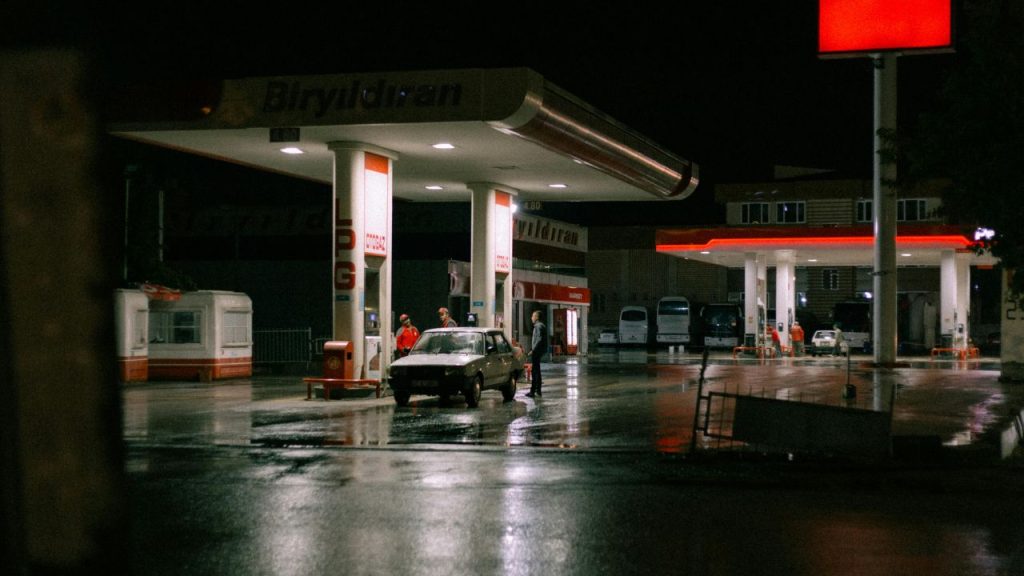
Stanford’s Institute for Economic Policy Research estimates the average American household will pay an extra $740 in gas costs this year. That figure is nearly double the $360 average increase in federal tax refunds. The refund bump vanished before people could spend it. Bank of America data showed gasoline expenditures surging 14% year-over-year by mid-March. Oxford Economics projects 2026 will deliver the slowest consumption growth since 2013, excluding pandemic years. The pain is K-shaped: lower and middle-income families spend a larger share of income on fuel.
The myth of protection by production
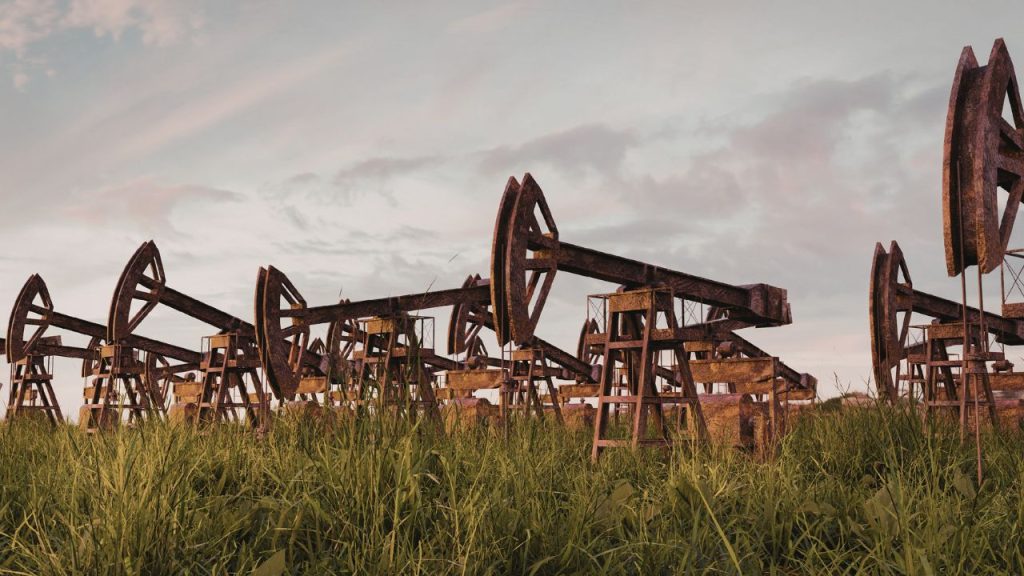
America produces more oil than any country on Earth. Prices still jumped roughly 30%. That single fact demolishes the comfortable assumption that domestic production shields your wallet. It does not. Oil is priced on a global market. When Hormuz closes, American crude doesn’t stay in America at American prices. It reprices to the global panic rate. Kuwait and UAE have already curtailed output as storage tanks fill behind the blockade. The first effective closure of the world’s most critical oil chokepoint just proved energy independence is a production stat, not a price shield.
The ticking clock on reserves
The SPR will sit at about 243 million barrels once the drawdown finishes. That is the thinnest emergency cushion since the early 1980s. A second release would be politically radioactive. If the war extends, if no ceasefire materializes, if no safe-passage agreement reopens Hormuz, analysts warn gas could approach $5 nationally. Airlines face jet fuel surcharges. Trucking costs spike. Every product that moves by diesel gets more expensive. The 20-day clock started ticking the moment those reserves hit the market, and nobody has announced a plan for day 21.
The real price of a gallon
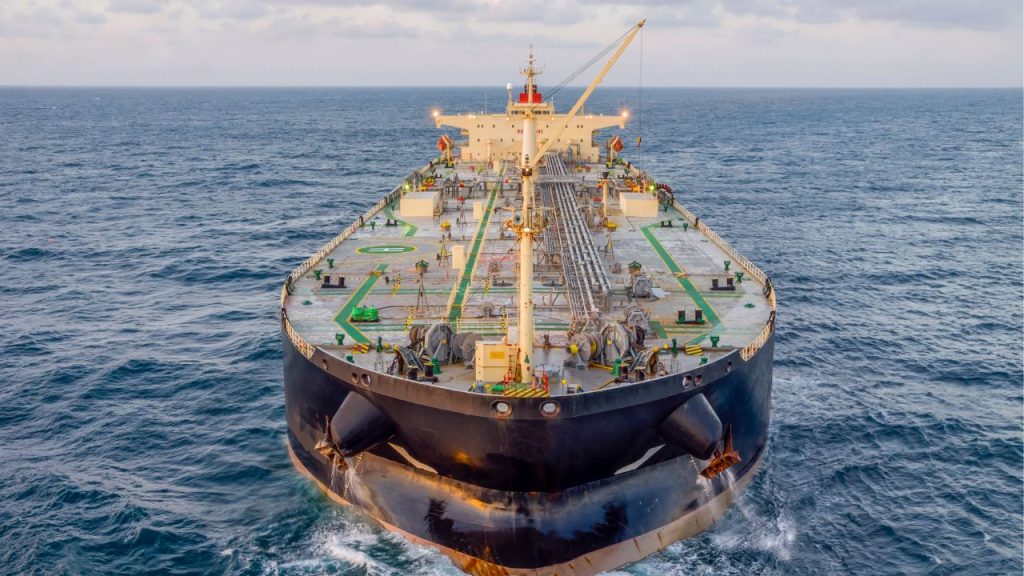
The only real fix is a ceasefire or a Hormuz safe-passage deal. Everything else is a bandage on a hemorrhage. The administration has floated government-backed shipping insurance, but details lag behind the crisis. Here is what most people still don’t understand: your gas price was never set in a Texas oil field. It was set in a 21-mile strait and a handful of London underwriting offices. Once you see that, every “energy independence” promise sounds different. The pump doesn’t care who produces the most oil.
Sources:
“IEA agrees to release 400 million barrels of oil from strategic reserves.” Al Jazeera, 11 Mar 2026.
“IEA to release 400 million barrels of oil in move to lower energy prices.” Yahoo Finance, 11 Mar 2026.
“Marine Insurers Cancel War Risk Cover as Iran Conflict Escalates.” Insurance Journal, 1 Mar 2026.
“Planned release of strategic reserve would put U.S. supplies at lowest levels in 44 years.” CBS News, 12 Mar 2026.