VW’s Worst Profits in 10 Years Trigger 50,000 Job Cuts
Volkswagen’s CEO defended cutting 50,000 jobs to offset high German production costs, but that framing tells only part of the story. Fifty thousand. That’s the workforce of a mid-size American city, set for elimination by 2030 because building cars in Germany costs too much relative to competitors, U.S. tariffs and other trade effects weighed on VW’s bottom line in 2025, and Chinese rivals seized market share. The CEO framed it as necessary, a competitive move. Most people heard that headline and moved on. The part worth paying attention to is everything that happens next, because 50,000 jobs don’t vanish from an economy cleanly. They drag entire regions down with them.
The Cost Trap
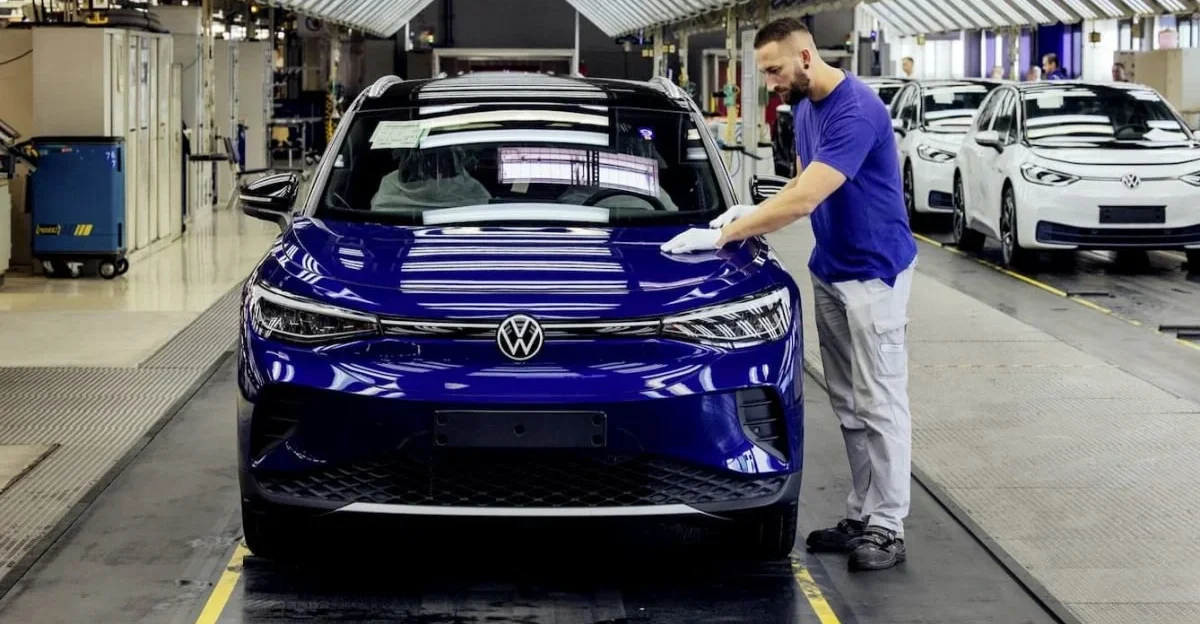
Germany’s problem is structural. High energy costs, high wages, heavy regulatory overhead. Those numbers are tracked by Destatis and the OECD, and they’ve made German manufacturing progressively more expensive relative to competitors for years. But domestic costs weren’t the only force collapsing VW’s margins. U.S. tariffs and related effects are expected to burden VW by as much as $5.8 billion on a full‑year basis. Deliveries in China dropped around 8% year‑on‑year as local competitors gained ground. And the Porsche‑heavy “Progressive” segment saw operating profit crater from €5.3 billion to €0.1 billion on a paused EV pivot amid weak demand. The combined result: group operating profit fell 53% to €8.9 billion on €321.9 billion in revenue, leaving an operating margin of just 2.8%, well below VW’s 8 to 10% target range. Now layer on the EV transition: legacy automakers need billions to fund electric platforms while their traditional combustion lines generate shrinking margins. VW is caught running two businesses at once, one bleeding cash and one demanding it. That math doesn’t leave room for sentimentality. It leaves room for layoffs.
Workers First
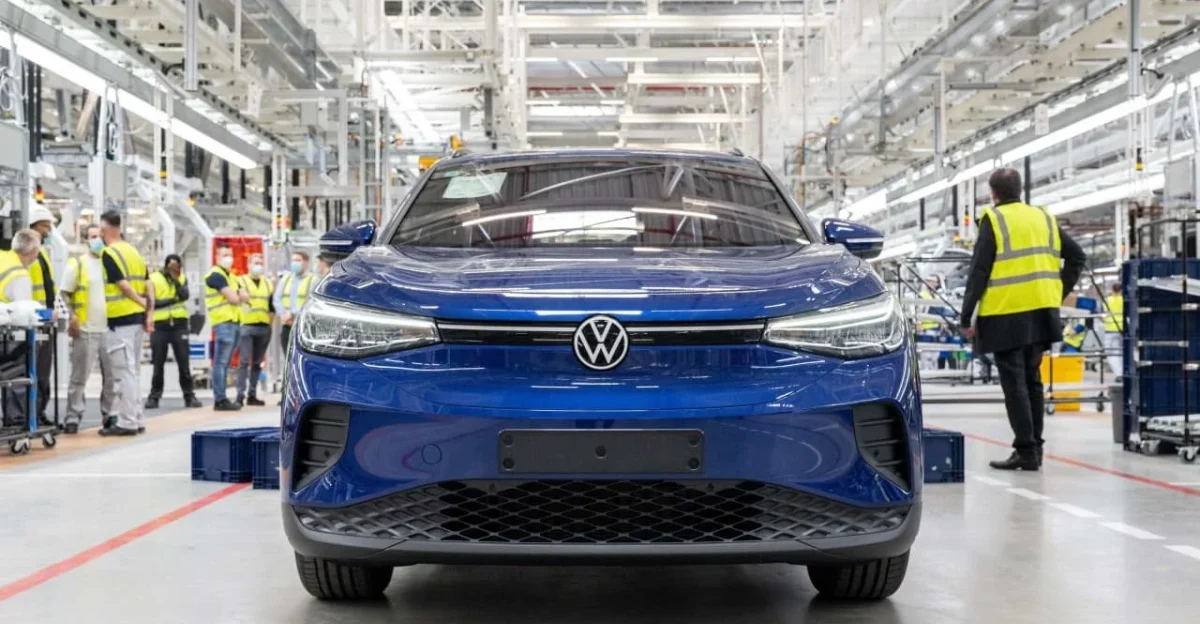
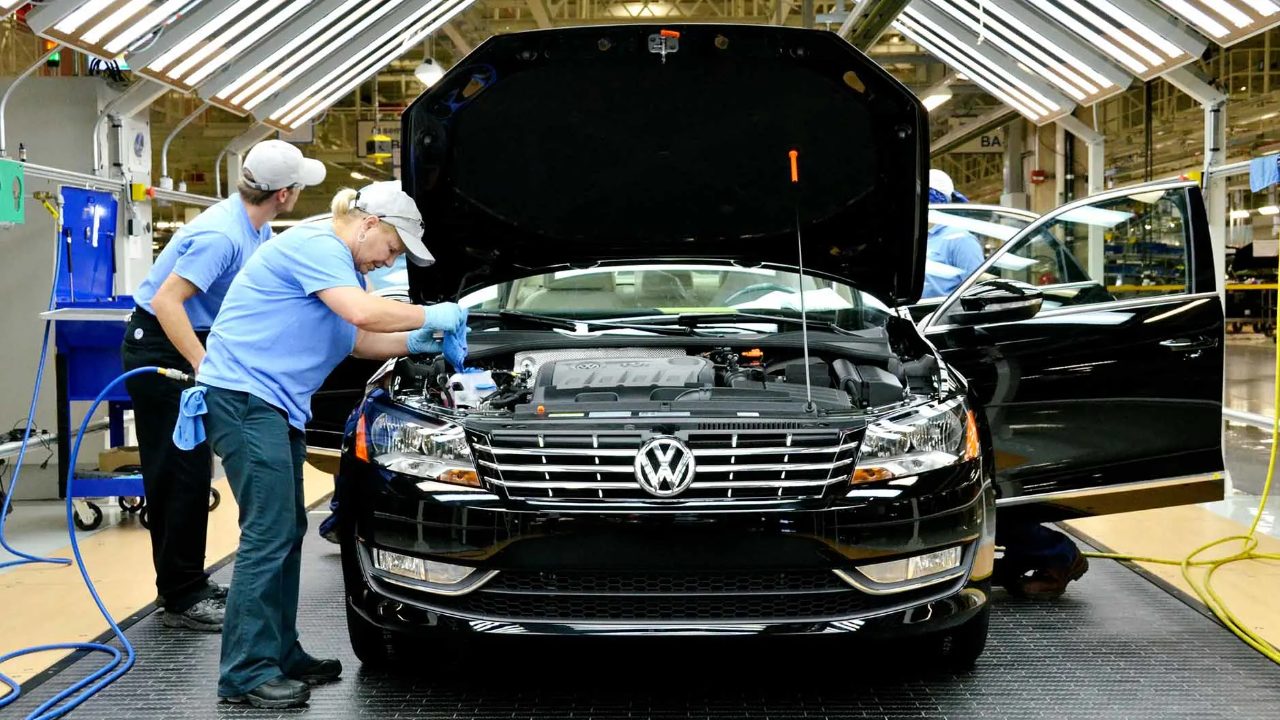
The immediate hit lands on the factory floor, though not all at once. Thirty-five thousand of the 50,000 cuts were already negotiated with IG Metall in a December 2024 deal that focused on job protection and avoided plant closures. The March 2026 profit report and follow‑on planning took the total headcount reduction to 50,000 positions. All 50,000 are planned through 2030 via managed attrition and similar measures, but the trajectory is clear: entire shifts disappearing, apprenticeship pipelines drying up, and families recalculating mortgages. These aren’t abstract budget lines. They’re welders, assemblers, and engineers who built careers around the idea that Volkswagen was permanent. IG Metall, Germany’s industrial powerhouse union, negotiated the original restructuring deal and continues to push for job guarantees and investment commitments tied to German sites. The cuts are being framed as competitiveness. The workers absorbing them experience it as betrayal. Supplier communities bracing for the ripple haven’t even started counting yet.
Supplier Squeeze
When a manufacturer the size of Volkswagen pulls 50,000 roles out of its operations, the suppliers feel it next. Parts makers, logistics firms, tooling shops. Their contracts are tied to production volumes that just got slashed. ACEA data tracks how EU auto market conditions shape the entire supply chain, and a contraction at the OEM level cascades downward fast. Smaller firms lack the cash reserves to absorb sudden volume drops. Regional economies built around VW plants face a second wave of layoffs that nobody in Wolfsburg is defending publicly.
Beyond Autos
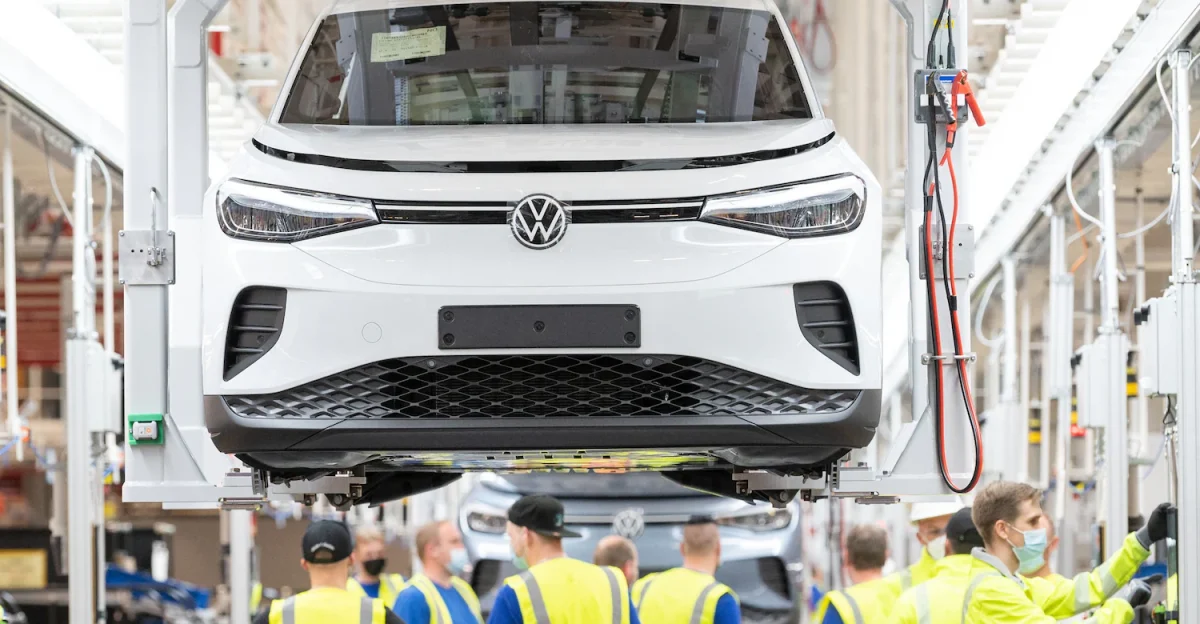
Here’s where it crosses a line most people aren’t watching. Germany’s auto sector doesn’t exist in isolation. It feeds steel demand, chemical suppliers, software firms, logistics networks, and even local retail and housing markets near production hubs. When VW contracts, those adjacent industries absorb reduced orders, lower tax revenue, and weaker consumer spending from displaced workers. One automaker’s cost memo just became a regional economic event touching sectors that have nothing to do with cars. The boundary of this story keeps moving outward.
Two-Speed Trap
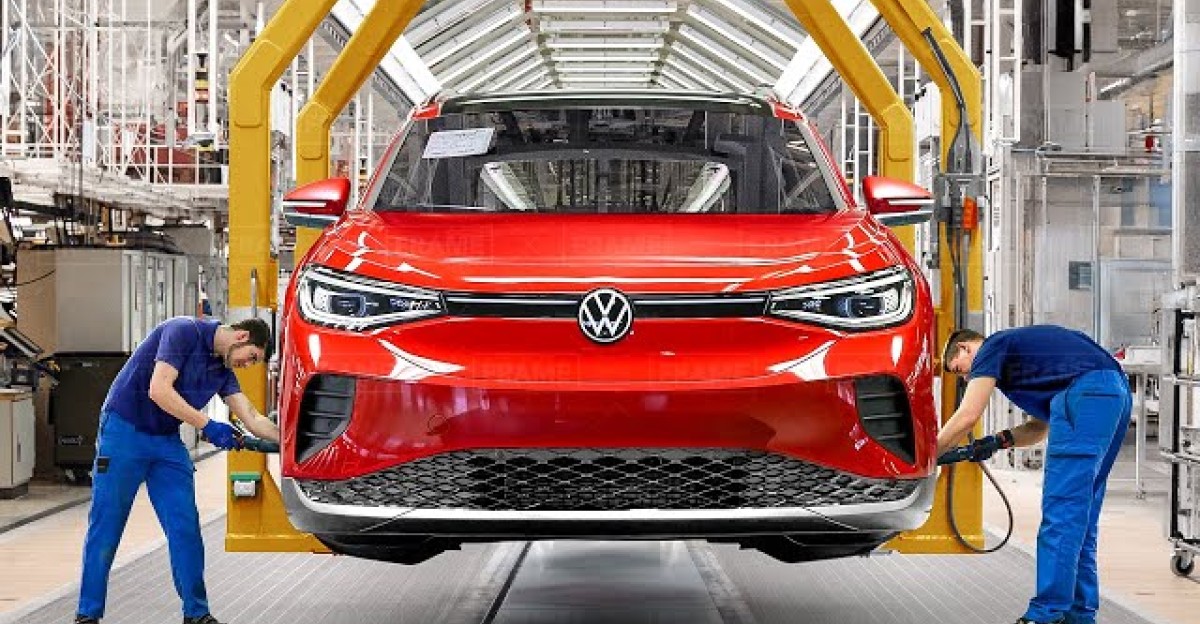
Every one of these ripples traces back to the same structural failure. VW is running a two-speed balance sheet: funding an electric future while defending legacy combustion cash flows. The collapse of the Porsche‑led Progressive segment, from €5.3 billion in operating profit to just €0.1 billion, is the starkest illustration of how badly that balancing act can fail. The IEA documents how global EV competition compresses margins and forces structural cost resets across the industry. Germany’s high cost base turns that pressure into a jobs crisis. Energy costs hit the factory. Margin compression hits the boardroom. The layoff notice hits the kitchen table. Same mechanism at every level. Same result: pain transferred downward.
Human Cost
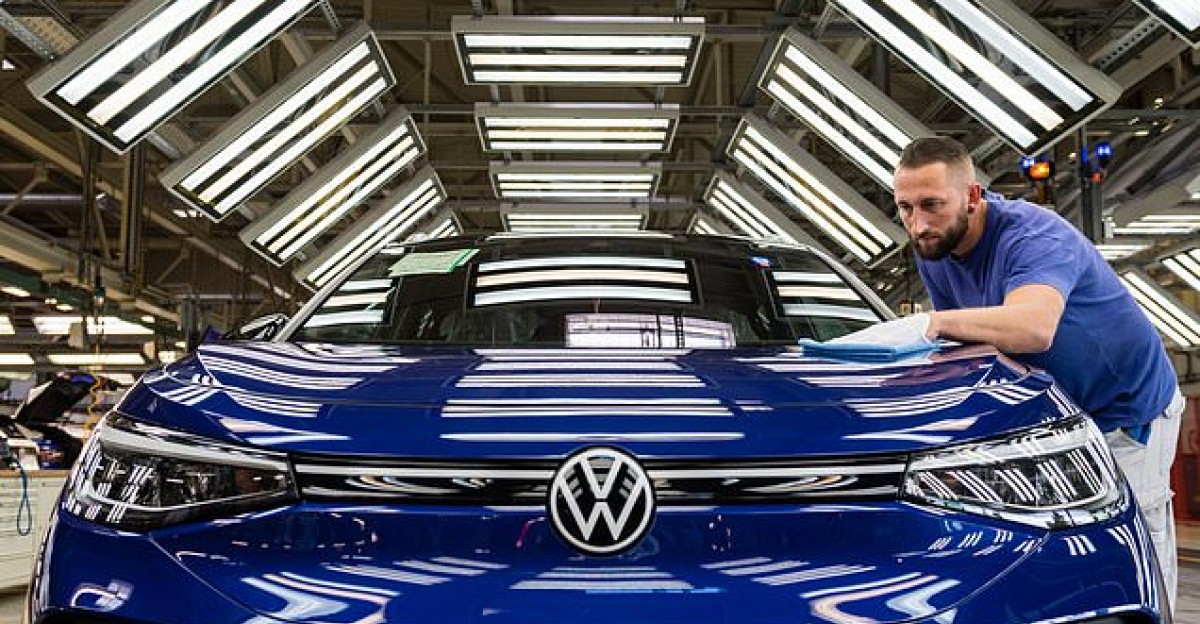
VW has communicated multi‑year performance and cost programs through official corporate channels, framing the restructuring as a strategic discipline. But corporate language sanitizes what’s actually happening. Contractors and apprentices tied to production volumes face elimination first, often without the severance protections full‑time employees receive. The December 2024 IG Metall deal shields core employees primarily from compulsory redundancies and plant closures, but non‑permanent workers lack equivalent cover. The people closest to the assembly line carry the heaviest burden of a cost problem they didn’t create. Skilled work was supposed to matter in Germany. That social contract is being rewritten in real time, and the new version favors spreadsheets over seniority.
New Playbook
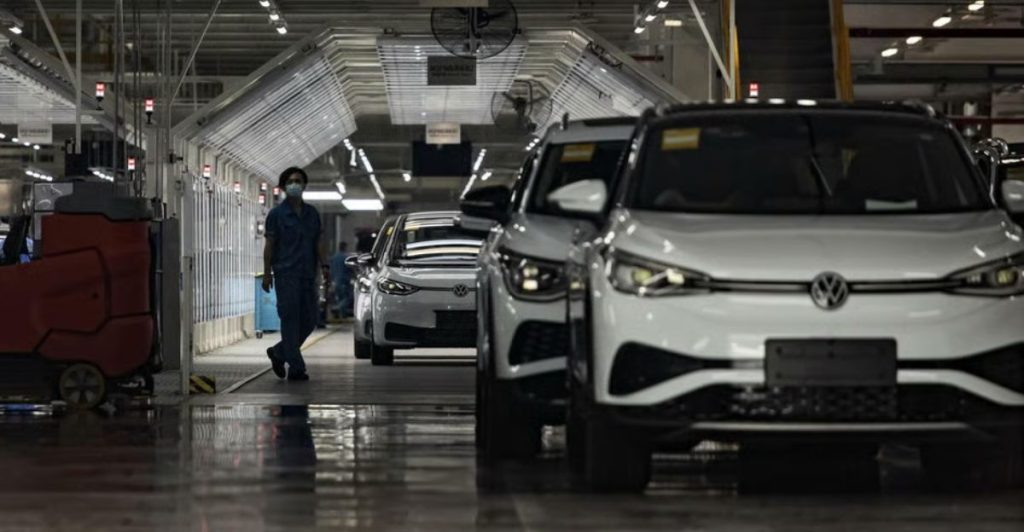
This sets a precedent that extends well beyond Wolfsburg. In December 2025, VW closed the Transparent Factory in Dresden — its first‑ever German car plant closure in roughly 80‑plus years of operations. McKinsey reportedly advised VW in March 2026 to close eight of its ten remaining German plants over the long term. Other EU automakers facing identical cost pressures now have a template: cite “German production costs,” point to EV investment demands, and restructure. The phrase “competitiveness” becomes a standard justification for headcount reduction across the continent. Once one flagship employer successfully defends mass cuts as survival math, the political cost of doing the same thing drops for every competitor watching. VW just wrote the playbook. The question is how many companies will copy it within the next eighteen months.
Winners and Losers
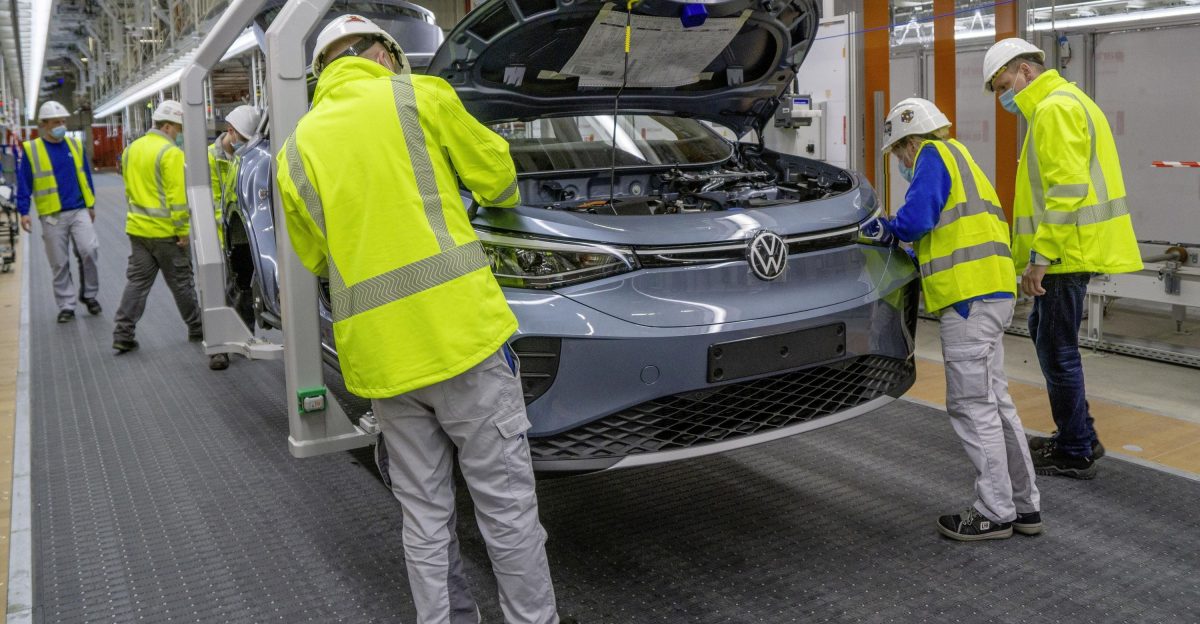
The losers are obvious: workers, suppliers, and towns built around production. The winners are quieter. Lower‑cost manufacturing regions outside Germany stand to absorb shifted capacity. Investors backing the restructuring expect margin recovery. Competitors in China, where VW deliveries fell about 8% as domestic brands gained ground, gain further advantage while VW spends years reorganizing. The deepest irony sits right at the center: “Made in Germany” built VW’s global reputation, and now that same origin is the cost problem management wants to solve. Knowing who profits from the pain reframes the entire “competitiveness” argument.
Not Over
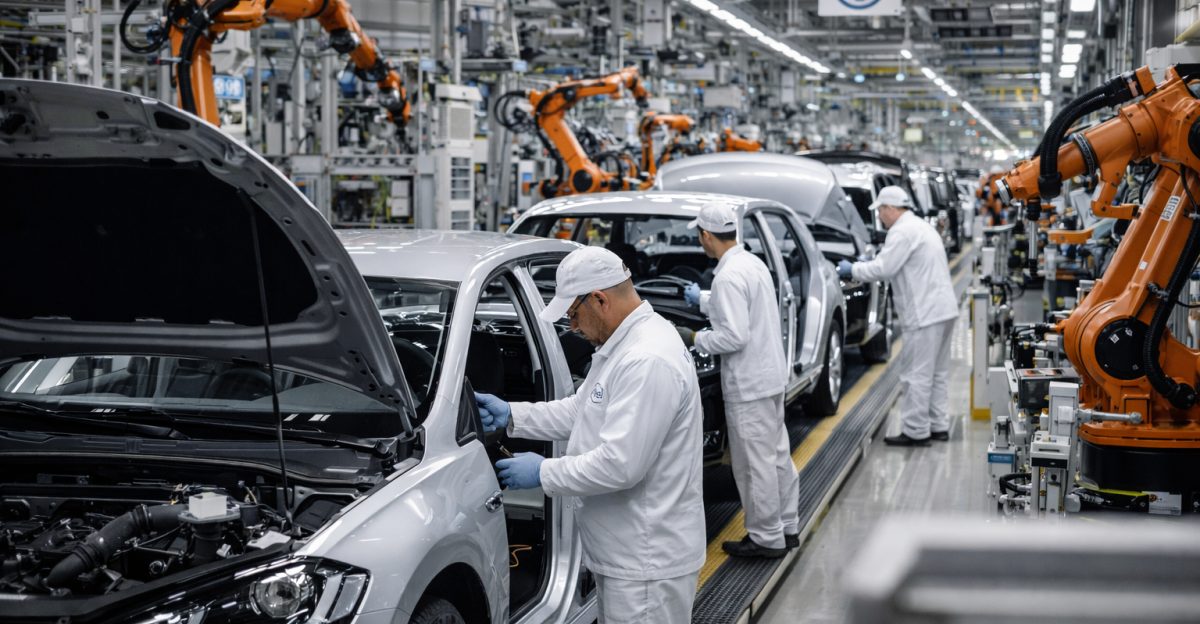
Unions are pushing back with demands for job guarantees, managed attrition, and investment commitments tied to German sites, building on the December 2024 deal that already secured protections against plant closures and compulsory layoffs for core employees. VW’s counter‑move will shape whether this stays a restructuring or becomes a full relocation of production capacity abroad. If plants close, supplier contraction deepens. If capacity shifts east or south, Germany’s industrial identity absorbs a wound that takes a generation to heal. The cascade of 50,000 job cuts is still accelerating. Anyone who read the headline and thought they understood the story only saw the first ripple.
Sources:
“Volkswagen Group strengthens financial resilience in 2025 – strong fourth quarter in a challenging environment.” Volkswagen Group, 9 Mar 2026.
“Volkswagen stung by tariffs, China battle as profit halves.” Reuters, 9–10 Mar 2026.
“Volkswagen to cut 50,000 jobs as profits drop to lowest level since 2016.” BBC News, 10 Mar 2026.
“Volkswagen plans to cut 50,000 jobs as profit slides.” DW News, 11 Mar 2026.