Uber’s 25‑Deal‑Style Robotaxi Push Targets a $40B Market as Waymo Tops 250,000 Rides a Week
Uber’s latest robotaxi push is framed as a “25-deal blitz” chasing a $40 billion market, but the numbers tell a more nuanced story. CEO Dara Khosrowshahi said in December 2025 the company works with “more than 20 autonomous-vehicle partners,” while reporting shows “at least a dozen deals.” Meanwhile, Waymo’s cited 250,000 weekly rides reflects early 2025, far below its current scale. The market itself could exceed $25 billion by 2030, with higher projections reaching $100 billion. Those gaps reshape how this strategy should be understood, starting with who is involved.
Uber’s Massive Network Of Riders And Drivers

Uber sits at the center of the shift, connecting 202 million monthly active users with roughly 8.8 million drivers and couriers worldwide. In Q3 2025 alone, the company processed $25.11 billion in gross mobility bookings. CEO Dara Khosrowshahi has called autonomy a “trillion-dollar-plus” opportunity, while cautioning that commercialization will take time. The platform’s scale gives it unmatched demand, but also exposes it to disruption if autonomous fleets bypass it entirely, a risk that becomes clearer when looking at Waymo’s accelerating growth trajectory.
Waymo’s Rapid Growth Changes The Equation
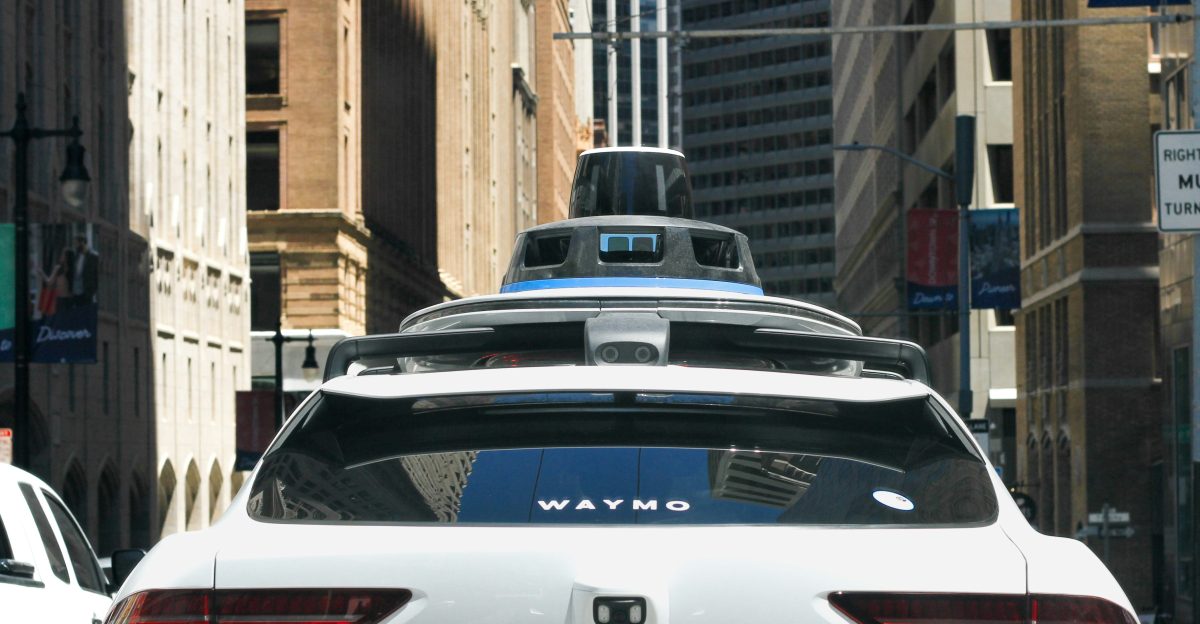
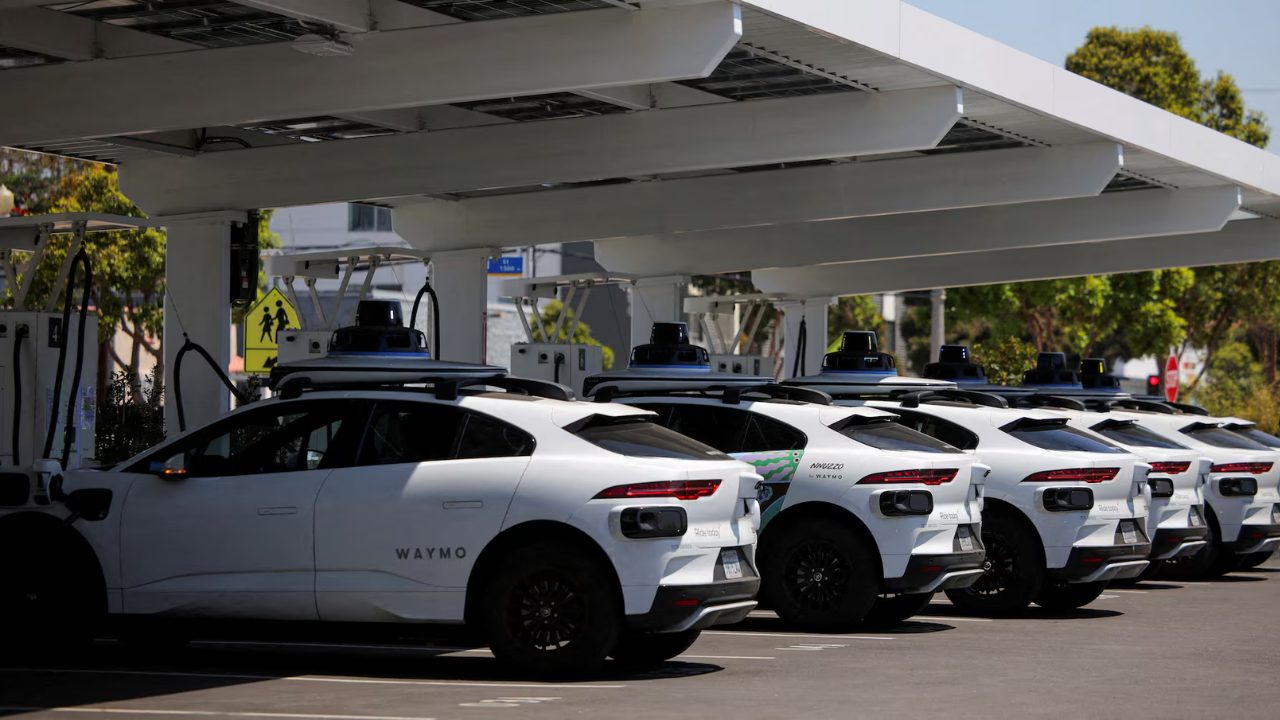
Waymo has moved far beyond early pilot phases. The company delivered more than 15 million paid rides in 2025 and surpassed 20 million lifetime trips by year-end. Its valuation reached $126 billion after a $16 billion funding round. Co-CEO Tekedra Mawakana described the moment as “an inflection point,” adding, “In 2025, we quadrupled the number of trips that we are providing.” The company is targeting over 1 million paid rides per week by the end of 2026, raising the stakes for every partner and competitor involved.
A Crowded Field Of Autonomous Partners Emerges
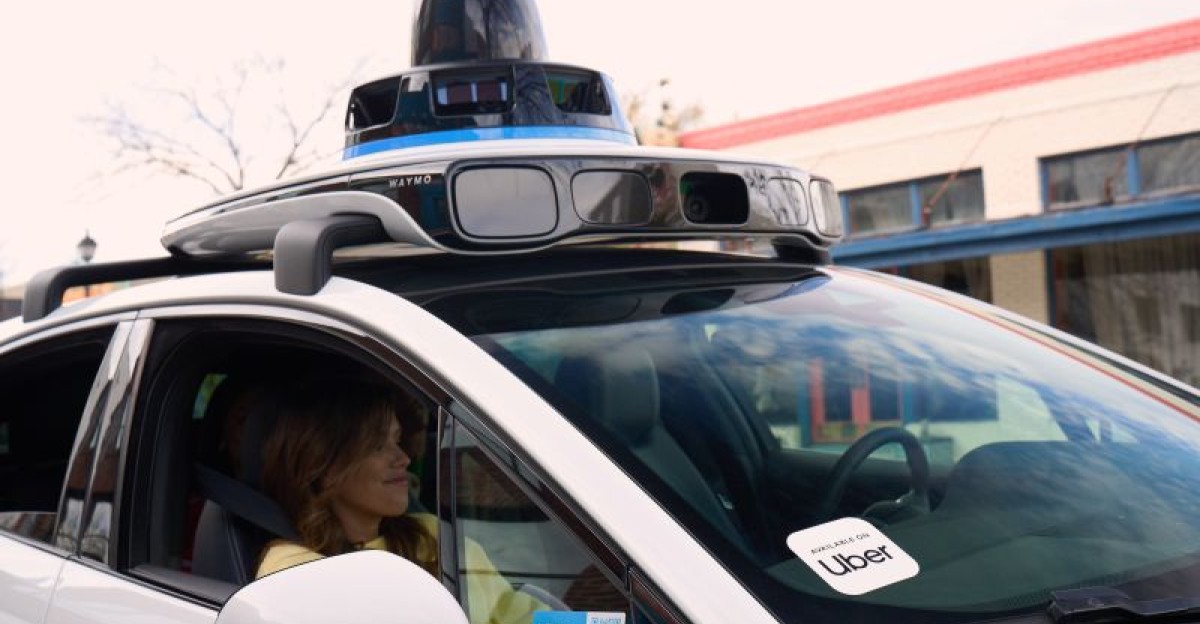
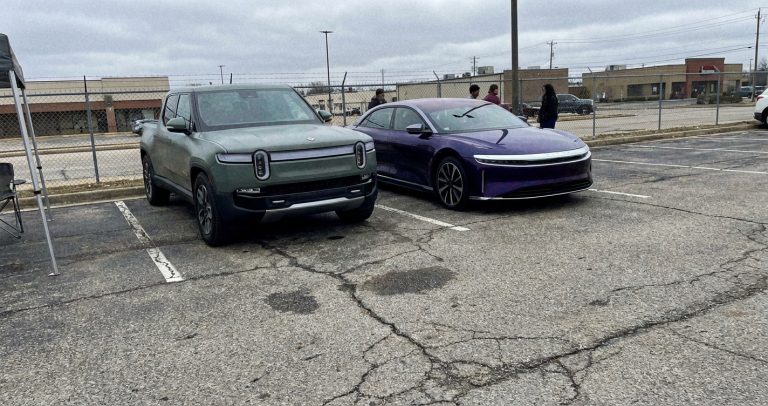
Uber’s strategy depends on a wide network of partners rather than a single supplier. Confirmed collaborations include Waymo, Volkswagen, Motional, Nuro, Serve Robotics, Cartken, Rivian, NVIDIA, Zoox, Wayve-Nissan, WeRide, Pony.AI, Baidu’s Apollo Go, May Mobility, Momenta, AVride, and Lucid-Nuro. This multi-partner approach spreads risk while preventing any one company from dominating supply. Motional CEO Laura Major warned, “If there’s one winner, that’s going to be a problem for them,” highlighting why diversification matters as competition intensifies across markets.
Drivers Face A Slow But Real Shift
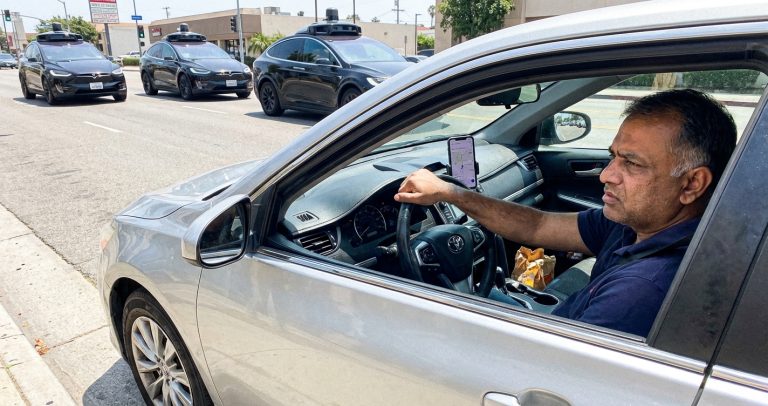
Uber’s global driver base remains essential today, with about 96% working fewer than 35 hours per week. Yet long-term pressure is building. Khosrowshahi acknowledged in September 2025, “10 to 15 years from now, this is going to be a real issue,” though he expects human drivers to dominate for the next 5 to 7 years. Early data already shows change, with declining trip volumes in some markets. That gradual shift raises a critical question about how quickly automation will reshape driver earnings and job availability.
Lower Prices Could Reshape Consumer Demand
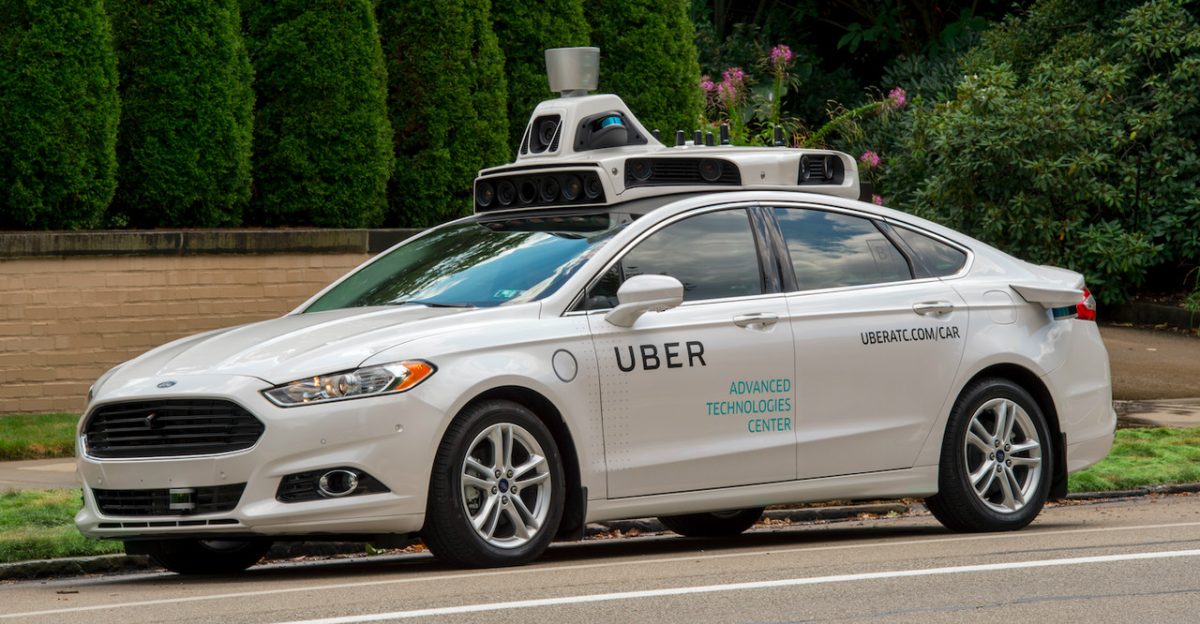
Autonomous vehicles promise significantly lower fares. Current human-driven rides average about $3.25 per mile, while profitability for robotaxis may require pricing near $1 per mile. That difference could expand demand by making trips affordable that people currently drive themselves. Boston Consulting Group estimates robotaxis could capture up to 85% of ride-hailing trips in large markets over time. For Uber’s 202 million users, cheaper rides could mean more frequent usage, setting the stage for a much larger transportation market.
Uber’s Strategy: Be The Platform, Not The Builder
Uber exited in-house self-driving development and repositioned itself as the demand aggregator. Instead of building vehicles, it connects riders to fleets operated by partners. This approach allows Uber to scale without heavy research costs while maintaining control over customer relationships. Analyst Mark Mahaney explained, “The more diversified the supplier base, the better for the network in the middle.” That positioning turns potential competitors into suppliers, but only if Uber can maintain enough leverage across its growing partner ecosystem.
A Wave Of Deals Signals Accelerating Momentum
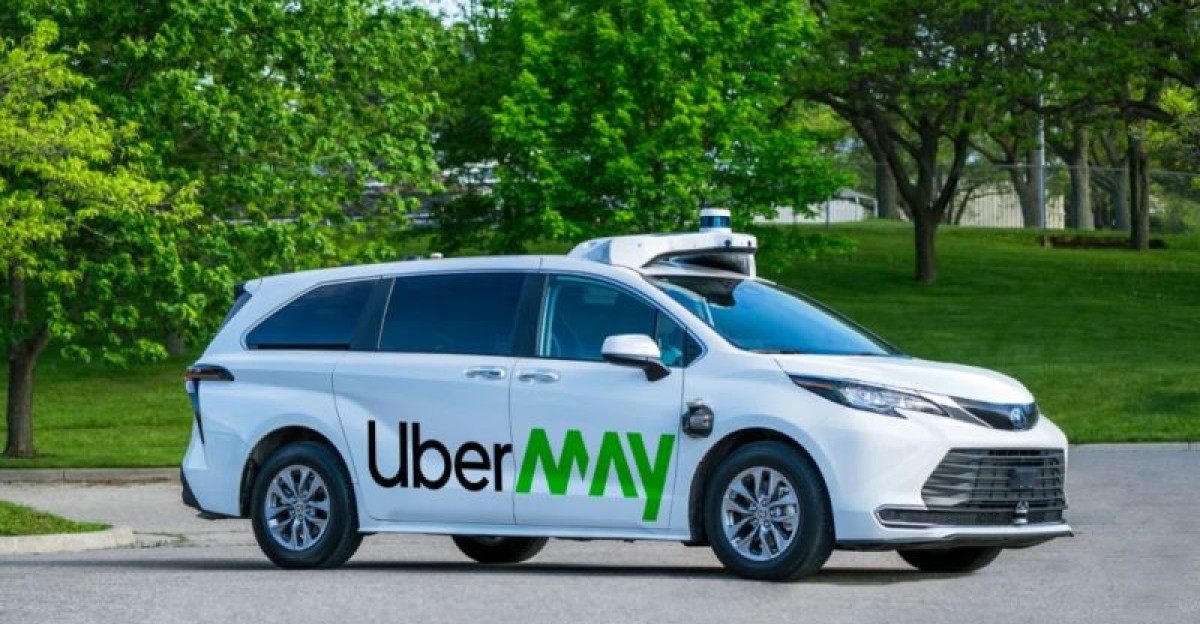
March 2026 marked a turning point with several major announcements. On March 16, Uber partnered with NVIDIA to deploy robotaxis across 28 cities by 2028. On March 19, it invested $1.25 billion in Rivian to deploy up to 50,000 autonomous vehicles starting in San Francisco and Miami in 2028. Days earlier, Motional robotaxis relaunched in Las Vegas. These deals show rapid expansion across regions and technologies, suggesting that Uber is moving quickly to secure supply before competitors gain stronger footholds.
Global Expansion Is Already Underway
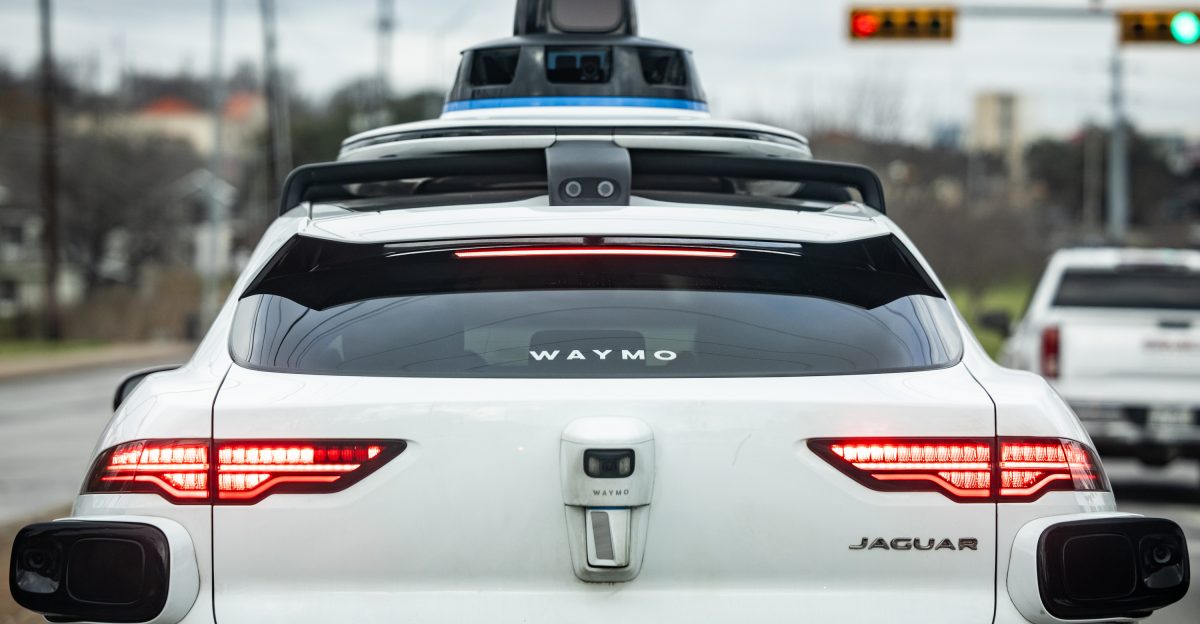
Robotaxi deployments are no longer limited to a few cities. Active operations include Austin and Atlanta through Waymo, Phoenix through Waymo’s own service and Uber, and Las Vegas via Motional. Los Angeles is expected to follow with Volkswagen vehicles in 2026. Internationally, Uber launched robotaxis in Dubai in December 2025 and is targeting expansion across Asia-Pacific. With plans covering 28 cities through NVIDIA and 25 through Rivian, the geographic footprint is widening rapidly, hinting at a much larger global rollout.
The Stakes: Control Of A Future Mobility Market
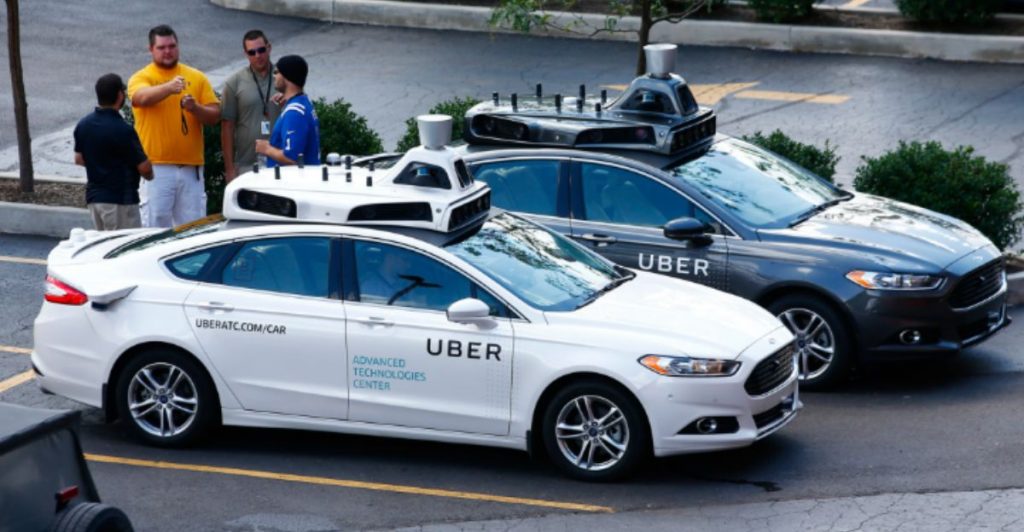
At its core, Uber’s strategy is about survival as much as growth. Autonomous fleet operators could bypass the platform entirely by launching their own apps. Analysts note that investing across multiple partners helps Uber stay central while attracting outside capital to smaller firms. Meanwhile, projections show the US robotaxi fleet growing from about 1,500 vehicles in 2025 to 35,000 by 2030. With Waymo scaling toward 1 million weekly rides, the race is accelerating, and the balance of power is still being decided.
Sources:
Waymo’s 2025 Year in Review: The Year Robotaxis Scaled. The Driverless Digest, December 30, 2025
Uber’s Deal Blitz to Stop a Robotaxi Monopoly. Business Insider, March 21, 2026
Uber, Waymo launch autonomous ride-hailing service in Atlanta. Reuters, June 24, 2025
Uber says it will launch robotaxis in Los Angeles this year. Los Angeles Times, February 24, 2026
Uber relaunches Motional robotaxis in Las Vegas. The Next Web, March 12, 2026
Robotaxis in 2025–2030: Global Expansion and Adoption Trends. PatentPC, March 5, 2026
Waymo To Launch in Atlanta and Austin With Uber For Hails and Depots. Forbes, September 20, 2024