The 5 Compact SUVs That Earned Consumer Reports’ Safety Recommendation For 2026
Consumer Reports has identified 5 compact SUVs that earned its highest safety marks for 2026, and the results reveal a critical truth: not all safety features are created equal, and not every trim of the same model qualifies. According to Consumer Reports’ March 2026 safest small SUVs list, these vehicles achieved the “Best” Safety Verdict by combining crashworthiness with advanced crash-avoidance technology that comes standard. This goes beyond surviving collisions and focuses on preventing them entirely. However, understanding how Consumer Reports defines “Best” reveals why these SUVs stand apart from the rest.
How Consumer Reports Defines “Best” Safety
Consumer Reports rates safety using a three-tier system: Basic, Better, and Best, based on its February 2026 Safety Verdict guide. The “Best” rating requires passing all applicable IIHS crash tests plus standard features such as highway-speed automatic emergency braking, pedestrian detection, blind-spot warning, and rear cross-traffic alert. This matters because IIHS and NHTSA evaluate different crash scenarios, and a 5-star NHTSA rating does not guarantee top IIHS performance. Consumer Reports combines these datasets into one benchmark, helping buyers avoid conflicting safety labels and focus on verified, comprehensive protection across real-world driving conditions today.
Why Only 5 SUVs Qualified In 2026
SlashGear selected these 5 vehicles from Consumer Reports’ broader list of 14 safest compact and luxury compact SUVs, based on its March 2026 publication. The complete list includes 7 standard compact SUVs and 7 luxury models, but only a handful offer every critical safety feature as standard across all trims. Consumer Reports noted that several popular SUVs failed because blind-spot monitoring or rear cross-traffic alert remained optional on base models. This creates inconsistent protection levels depending on trim choice. That distinction becomes clear when examining the first qualifying model in detail.
#1 – Hyundai Tucson
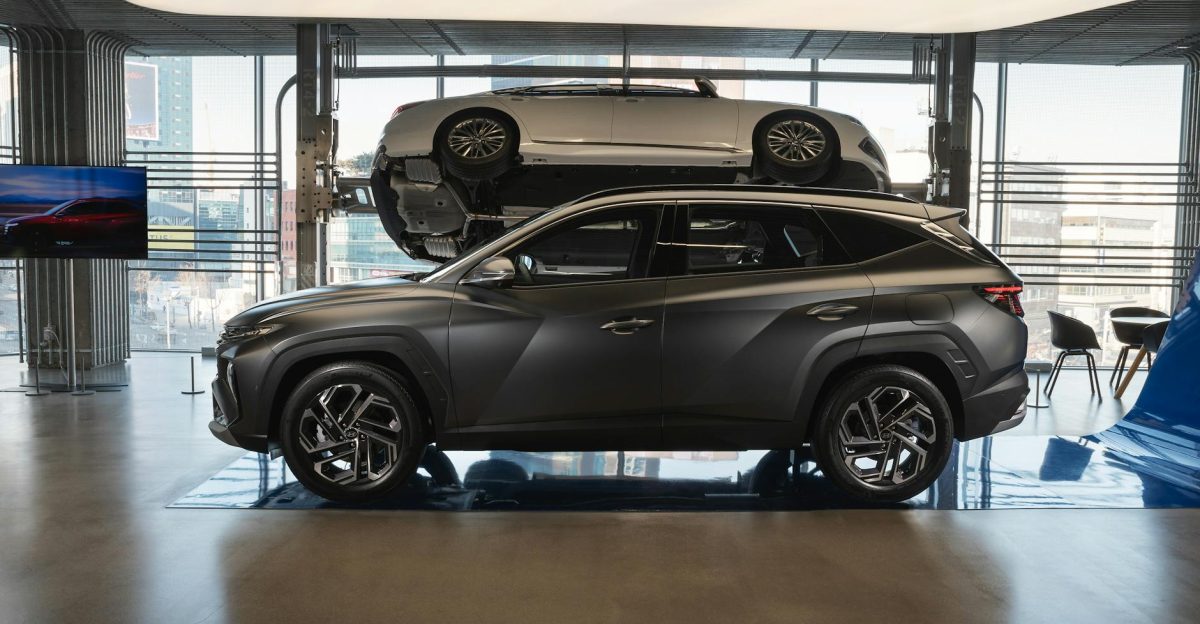
The 2026 Hyundai Tucson, including both gas and hybrid versions, earned Consumer Reports’ Best Safety Verdict and ranked as the 13th best-selling vehicle in the U.S. in 2025, according to SlashGear’s March 18 report. Every trim includes highway-speed automatic emergency braking with pedestrian detection, blind-spot warning, and rear cross-traffic alert as standard equipment. This removes uncertainty for buyers comparing trims. However, the Tucson Plug-In Hybrid did not qualify due to missing IIHS front crash test data, meaning buyers choosing electrification lose the top safety endorsement despite the shared nameplate.
#2 – Mazda CX-50
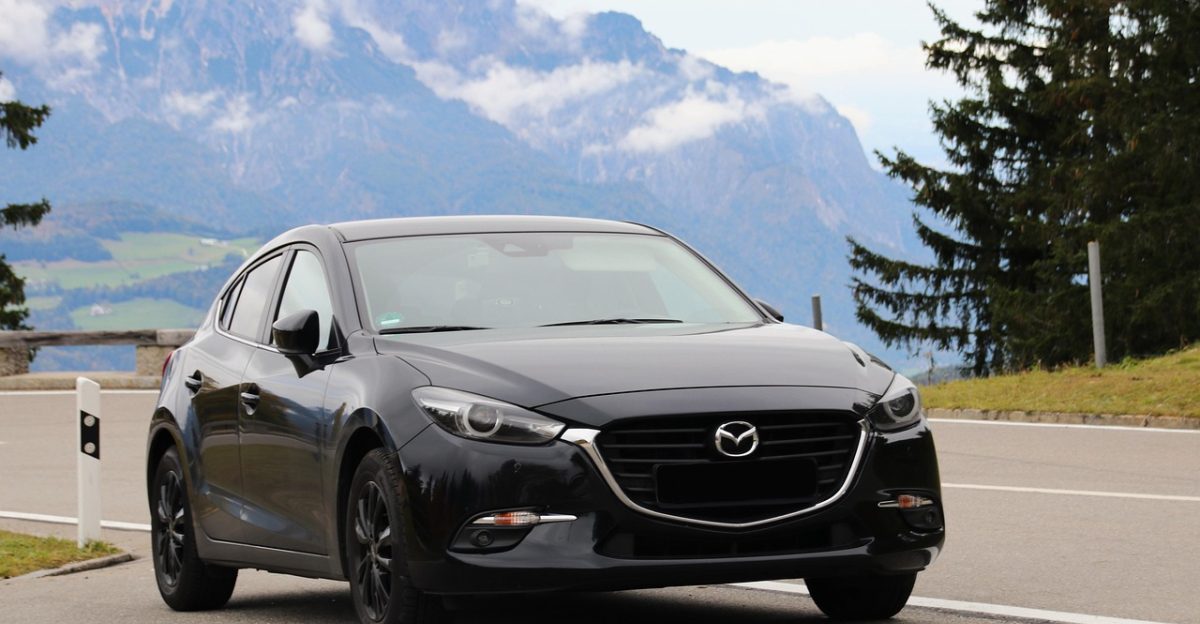
The Mazda CX-50 earned Consumer Reports’ highest safety rating in both gas and hybrid versions, with all required safety technology standard across every trim starting at $29,900 plus $1,495 destination. Consumer Reports ranked Mazda as the safest overall car brand in 2026, strengthening the CX-50’s position beyond individual crash scores. Unlike competitors, there is no plug-in hybrid version, so every configuration qualifies without exclusions. The SUV includes automatic emergency braking, pedestrian detection, blind-spot warning, and rear cross-traffic alert across the lineup. That consistency becomes even more important in the next model.
#3 – Subaru Forester Hybrid
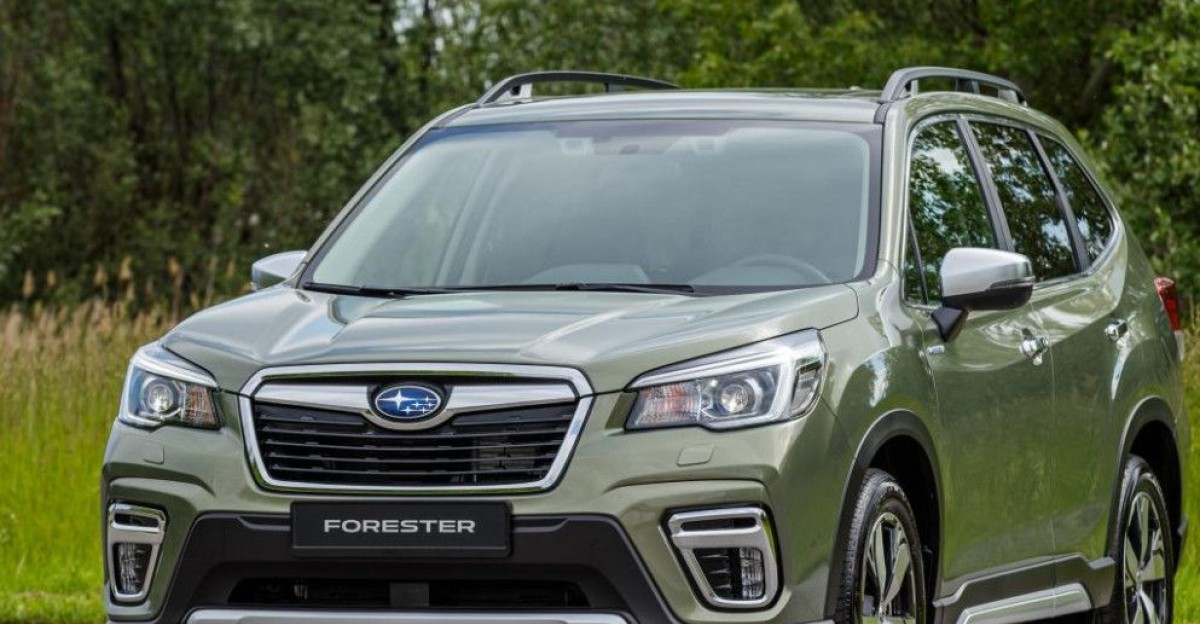
The 2026 Subaru Forester Hybrid earned Consumer Reports’ Best Safety Verdict and holds the highest overall score among compact SUVs, combining safety, reliability, road-test performance, and owner satisfaction. However, only the hybrid qualifies. The gas-powered Forester does not meet the standard because blind-spot warning and rear cross-traffic alert are optional on base trims. This creates a split verdict within the same model line. Buyers who choose the hybrid receive full protection without needing upgrades, while others may unknowingly miss essential features depending on configuration choices. That pattern raises a broader concern across the segment.
#4 – Acura ADX
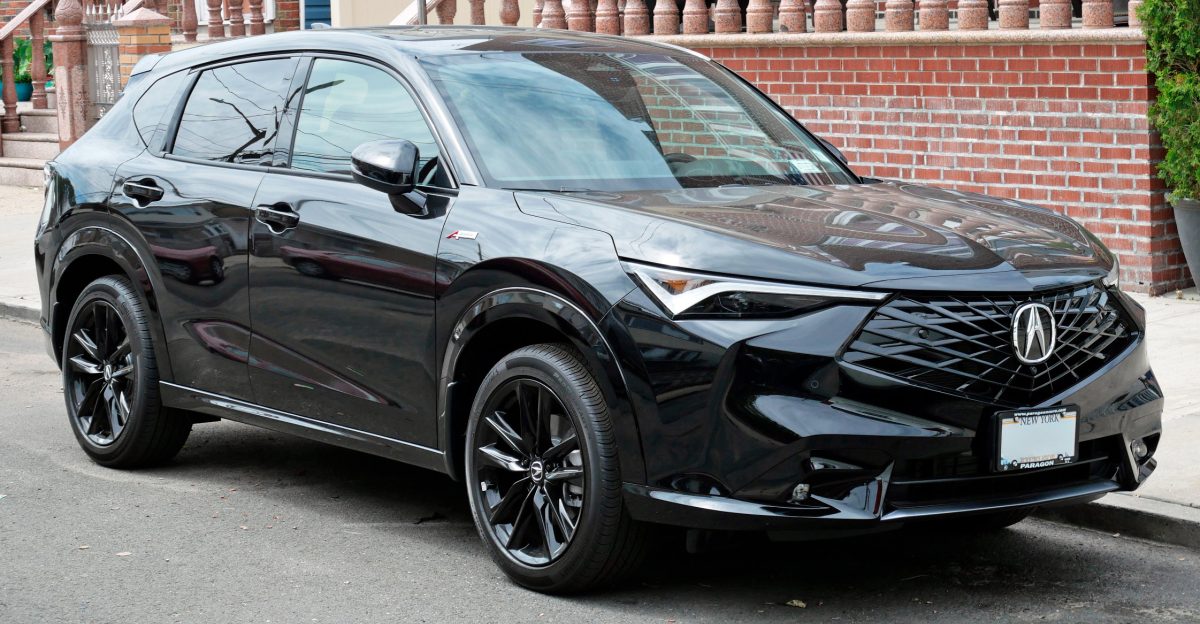
The Acura ADX earned Consumer Reports’ Best Safety Verdict with all required features standard across every trim, starting at $35,000 plus $1,450 destination. It passed all Consumer Reports and IIHS safety benchmarks and offers only a gas powertrain, avoiding the complexity of hybrid or plug-in exclusions. In contrast, the more expensive Acura RDX did not qualify due to missing IIHS front crash test data. This shows that higher price does not guarantee stronger safety performance. The ADX delivers consistent protection across all configurations, but another luxury SUV takes a slightly different approach.
#5 – Lexus NX
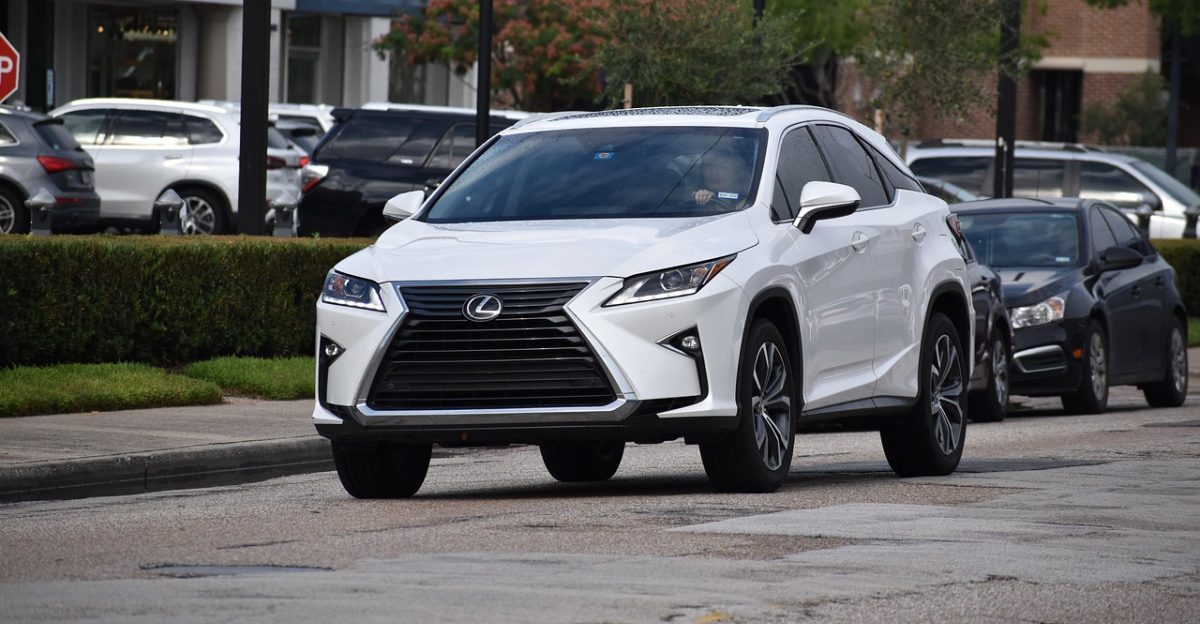
The Lexus NX earned Consumer Reports’ Best Safety Verdict in both gas and hybrid versions, with the NX Hybrid ranked as the best overall luxury compact SUV. Every trim includes highway-speed automatic emergency braking, pedestrian detection, blind-spot warning, and rear cross-traffic alert as standard features. However, the Lexus NX Plug-In Hybrid did not qualify due to missing IIHS moderate overlap front crash test data. This mirrors the Tucson’s exclusion and highlights a recurring issue with plug-in models. That trend leads directly to the biggest hidden risk buyers face when choosing an SUV.
The Hidden Safety Gap Most Buyers Miss
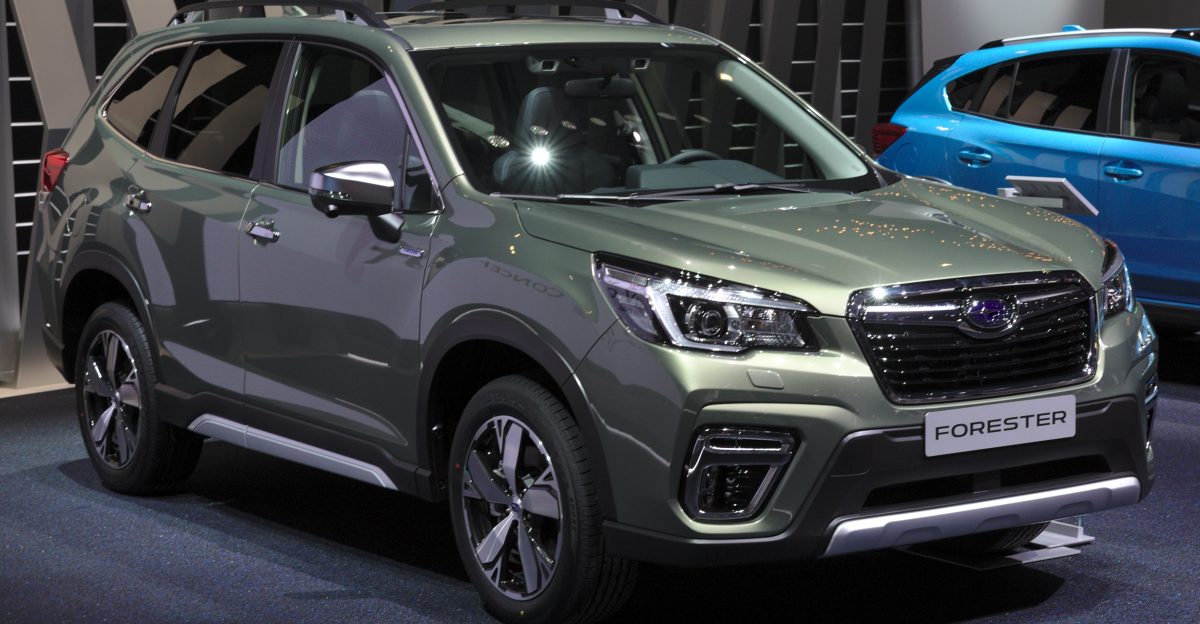
The Subaru Forester’s split rating highlights a widespread issue: safety features that remain optional instead of standard. Consumer Reports emphasized in its February 2026 guide that technologies like blind-spot warning and rear cross-traffic alert can cost $1,000 to $2,000 as add-ons. Two identical models on a dealership lot can carry very different safety credentials depending on trim. Consumer Reports rewards only vehicles where critical crash-avoidance systems cannot be removed. This forces automakers to include essential protection by default, but it also shifts responsibility onto buyers to verify what is actually included.
What These SUVs Reveal About Real Safety
These 5 SUVs show that safety depends on more than brand reputation or price. Consumer Reports confirmed in its 2026 safety guidance that top-tier protection requires both strong crash test results and standard crash-avoidance technology. The Tucson and Lexus NX plug-in hybrids, along with the gas-powered Forester, demonstrate how certain trims can lose eligibility despite sharing the same model name. Buyers who compare Consumer Reports ratings with IIHS awards and NHTSA 5-star scores gain a clearer picture. That approach ensures the vehicle purchased includes the protection expected when it matters most.
Sources:
Safest Small SUVs of 2026. Consumer Reports, March 5, 2026
5 Of The Safest Compact SUVs Of 2026, According To Consumer Reports. SlashGear, March 18, 2026
Find the Safest New Car Using Consumer Reports’ Safety Verdict. Consumer Reports, February 2, 2026