California’s Price Gouging Probe Targets $8 Gas—2 Refinery Closures in 6 Months Left CA Exposed
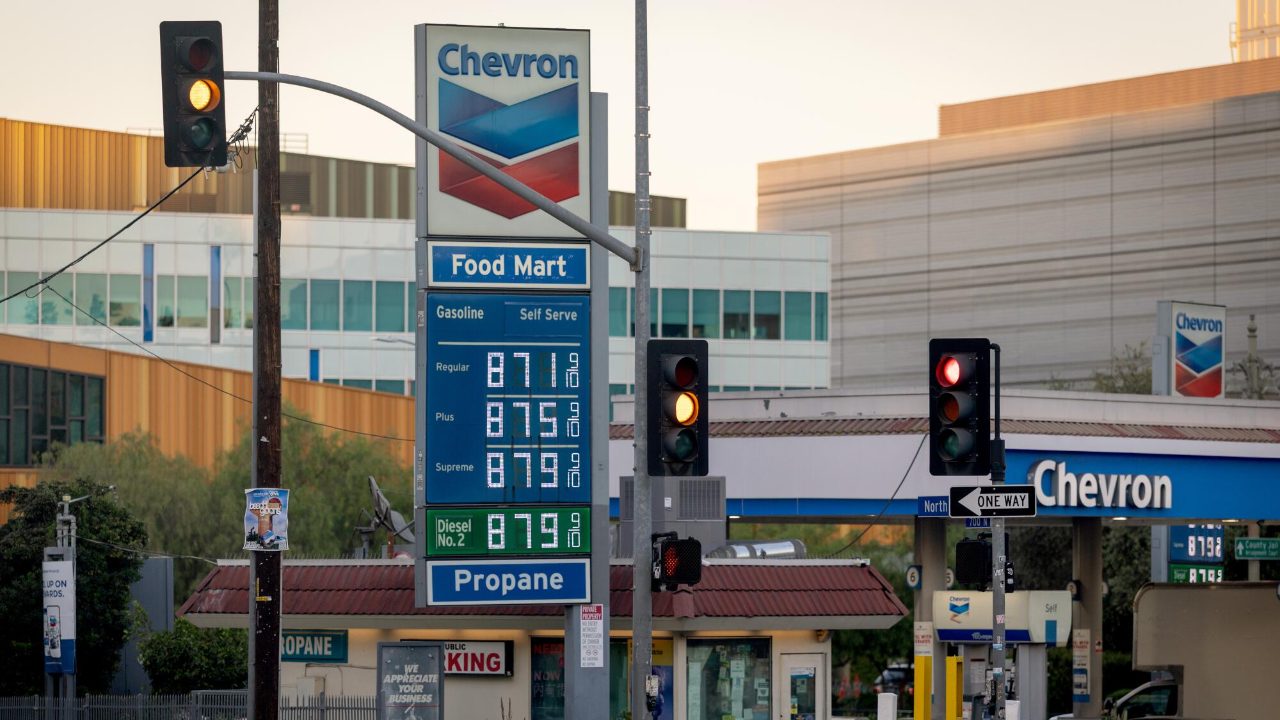
A Chevron in LA’s Chinatown flipped to $8.71 a gallon, and California’s petroleum watchdog opened a formal probe. The statewide average sits at $5.79. These $8-plus readings are outliers, but they’re real, they’re documented, and the state’s own Division of Petroleum Market Oversight says they are “not supported by current crude oil prices or gasoline futures”.
Not just expensive. Not just the result of a war overseas. Disproportionate — which in California has a legal meaning, a penalty structure, and a paper trail that state investigators are now building, station by station.
Sacramento Built the Hammer, but Locked It in a Cabinet

In 2023, Governor Newsom signed a first-in-the-nation law giving California regulators the power to cap refinery profit margins during price spikes. He called it proof California “took on Big Oil and won”. Then, in August 2025, the California Energy Commission voted to shelve that same law for five years. The stated reason: to protect “investor confidence” so refiners wouldn’t leave the state.
Consumer Watchdog president Jamie Court didn’t hide his reaction; he said Newsom “panicked” and surrendered the “hammer” the state needed most. The refiners left anyway. Both of them. The hammer sits unused while drivers stare down $8 signs.
Two Refineries Left. California didn’t Stop Either One
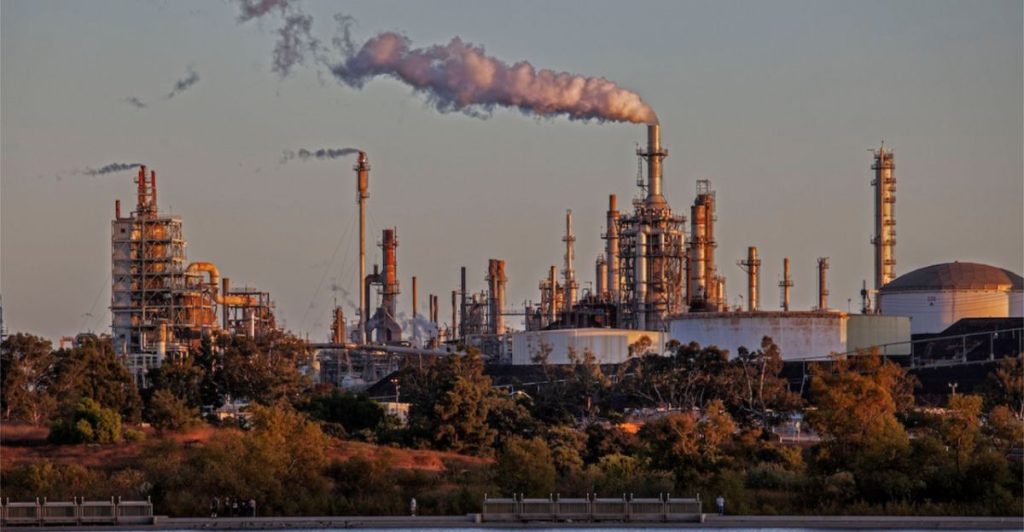
Phillips 66 shut its 139,000-barrel-per-day Wilmington refinery outside Los Angeles in October 2025, citing what its CEO called the expectation that California refining would become “increasingly challenging”. Four months later, Valero began idling processing units at its Benicia refinery — 145,000 barrels per day — completing the shutdown by April 2026, on schedule. Valero CEO Lane Riggs didn’t soften the explanation: “California has been pursuing policies to move away from fossil fuels for the past 20 years, and the consequence of that is the regulatory and enforcement environment is the most stringent and difficult of anywhere else in North America”.
Together, those closures reduced California’s in-state gasoline supply by roughly 20%. The state had advance notice on both. It had legal tools to intervene. It didn’t.
Then the Middle East Blew the Lid Off
California was already running short when U.S.-Israel strikes on Iran sent global crude prices surging more than $25 a barrel. The Strait of Hormuz — which moves roughly 20% of the world’s oil supply daily — saw tanker transits drop from 24 a day to 4. U.S. gas prices jumped 30% nationally in three weeks. In California, where there’s no pipeline connection to cheaper Midwest fuel and fewer refineries than at any point in modern state history, the spike hit harder and faster.
The statewide average moved from $4.23 in January to $5.79 by late March. The war handed every station with a price board a ready-made excuse. Some used it legitimately. Some, according to state investigators, used it as cover.
“Not Supported by the Numbers” — That’s the Entire Case
DPMO Director Tai Milder chose his words carefully: “Our team is vigilantly monitoring the retail, wholesale, and spot markets. Any reports of unfair practices or market manipulation will be taken seriously, and we will not hesitate to refer any illegal conduct for further investigation and prosecution”. The agency has already contacted stations in Los Angeles, San Bernardino, and Northern California where prices looked “excessive and disproportionate” to what those sellers actually paid for their supply.
Disproportionate is a calculation, not an opinion. DPMO tracks wholesale prices, spot market data, and refinery margins in real time. When a station’s retail price doesn’t track with what it paid upstream, that gap is the evidence.
When “Expensive” Becomes a Crime — And When It Doesn’t
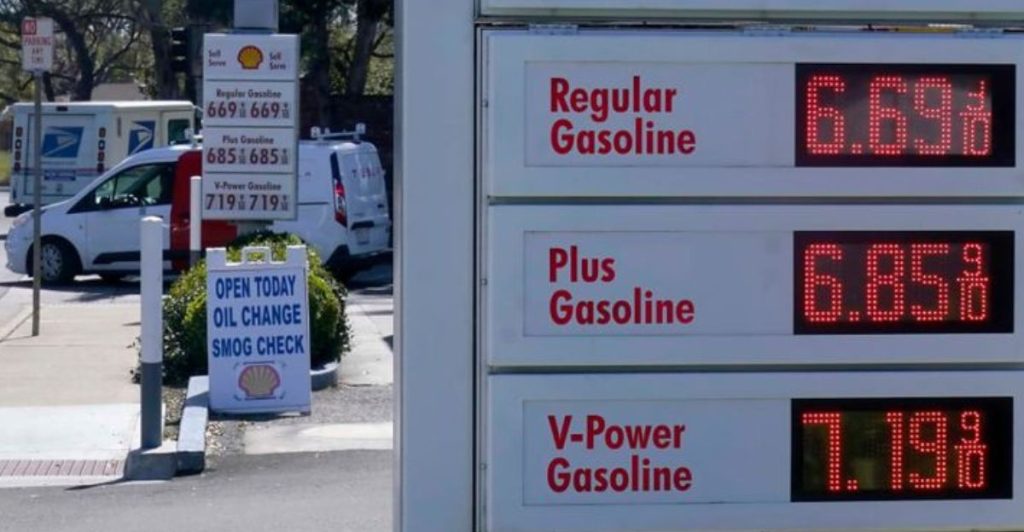
California Penal Code Section 396 only makes price gouging illegal when there’s an active emergency declaration covering the affected area. No declaration, no crime, just an expensive tank of gas. Once a declaration is in place, any seller who charges more than 10% above pre-emergency prices faces up to a year in county jail, $10,000 in fines per violation, and civil penalties of $2,500 per violation on top of that.
The entire enforcement system runs on two keys: emergency declaration plus documented price behavior. The question Sacramento hasn’t publicly answered is whether an active qualifying declaration was in place at every station now under scrutiny. That single detail decides whether this probe ends in prosecutions or press releases.
The $59 Billion Squeeze That Predates the War
Before the Iran conflict, before the refinery closures, California drivers were already getting taken. The state’s own Division of Petroleum Market Oversight published findings showing that between 2015 and 2024, Californians paid an unexplained premium of 41 cents per gallon, above and beyond what taxes, environmental requirements, and production costs actually justified — with DPMO calculating the total cost to drivers over that stretch at $59 billion, the largest share going to higher gross refinery margins.
A UC Berkeley economist testified before the state legislature that since 2015, a new price gap had opened between California and the rest of the country that could not be explained by production costs, taxes, or California’s environmental fuel standards. The legislature held the hearing, filed the testimony, and left the habit alone.
The Commuter Has No Exit Ramp
The state’s official advice to drivers: “compare prices between name-brand and unbranded stations”. Solid tip if you’ve got options. Useless if you’re an Uber driver running a 5 a.m. airport route across Los Angeles, or a warehouse worker whose shift starts before the cheap station on the other side of town unlocks the pumps. For rideshare drivers, a 14-gallon fill has jumped roughly $15 to $20 in under a month. “Gas right now is literally your arm and my leg,” one LA driver told reporters.
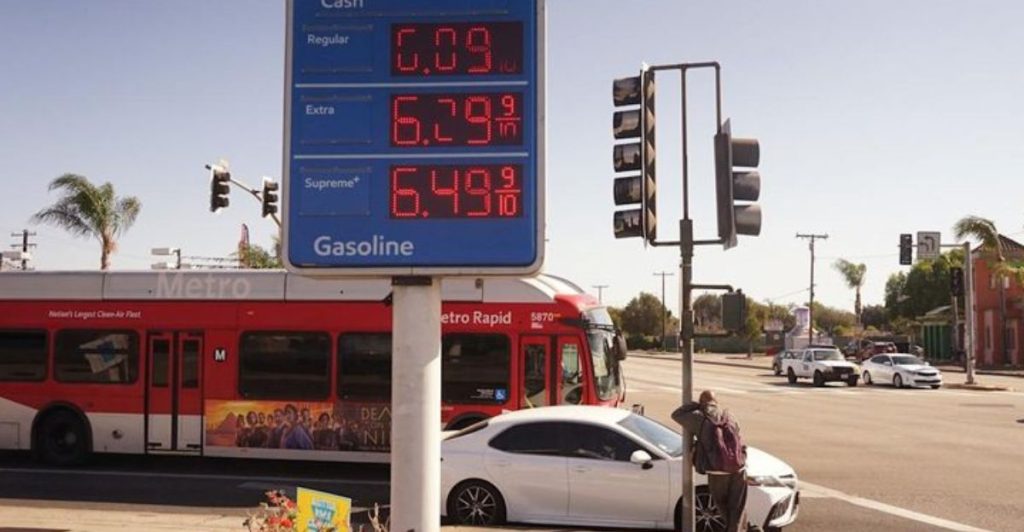
These aren’t people with hedging strategies or flexible schedules. They drive to survive, fuel up wherever the route takes them, and every dollar per gallon is subtracted directly from take-home pay. The statewide average of $5.79 is already the highest in the country. The $8 outliers are where that math turns into a monthly shortfall.
The Worst Case Is $8-Plus And the Math Comes From USC
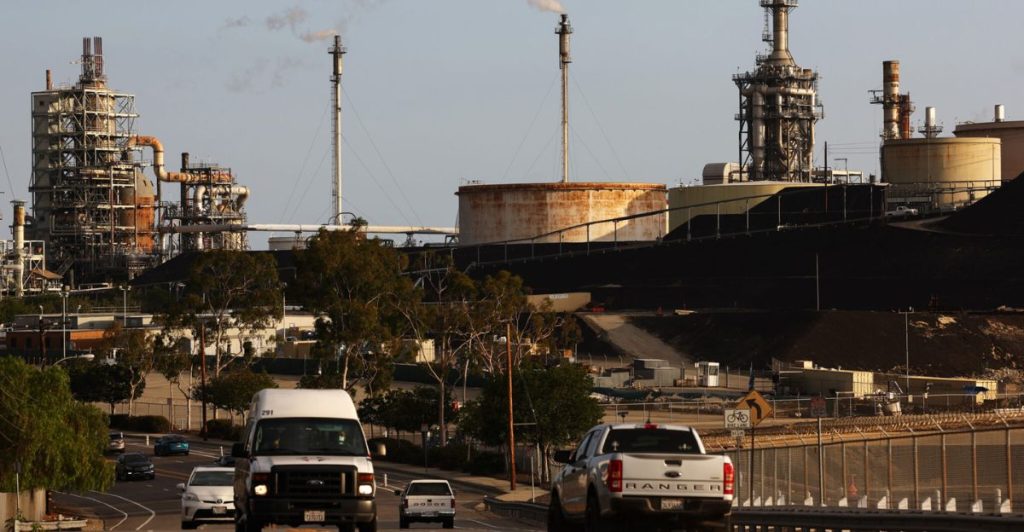
USC Marshall School of Business Professor Michael Mische ran the numbers after the refinery closures were announced and projected California pump prices could surge 75%, landing between $7.35 and $8.44 per gallon, a range the state has now breached at outlier stations. With the Strait of Hormuz disruption layered on top of a supply base already 20% smaller, that ceiling is no longer theoretical. California has no pipeline to cheaper Midwest fuel, no quick import infrastructure to backfill what Benicia and Wilmington produced, and a profit-cap law it chose not to use.
Valero announced it would shift to importing gasoline into California after shuttering Benicia, meaning even the company that walked out understands the hole it left behind needs to be filled from somewhere.
Who Wins This Probe And What Doesn’t Get Fixed
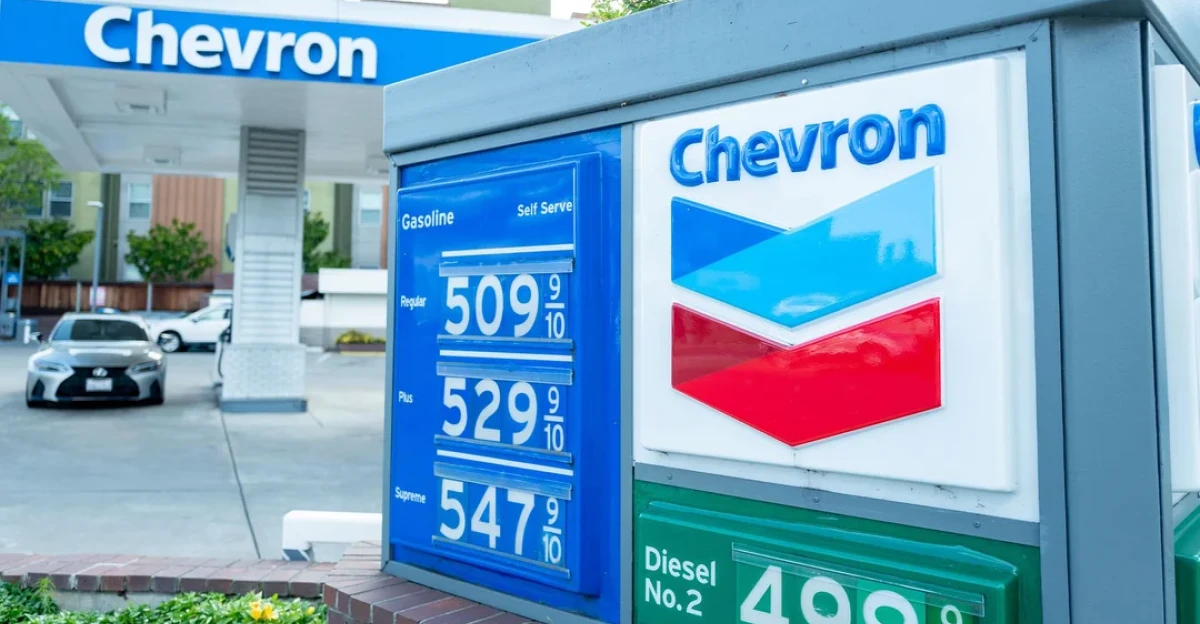
Formal investigations do one thing fast: they make stations nervous enough to drop prices before any finding is issued. That’s a real near-term effect. What it doesn’t fix is a state running 40 million people on six refineries, with a profit-cap law shelved to keep companies that left anyway, and no pipeline to cheaper fuel anywhere on the continent.
Senator Suzette Martinez Valladares put it plainly: “California is truly at a breaking point. Refineries are closing, supply is diminishing, and my constituents are paying more at the pump every single day”. The $8.71 sign in Chinatown didn’t appear out of nowhere. It was constructed — decision by decision, inaction by inaction — over a decade in which Sacramento told Californians it had Big Oil handled.
Sources
California gas watchdog warns of gouging as pump prices soar — Bloomberg, March 20, 2026
SoCal launches probe into price gouging as some gas stations top $8 per gallon — New York Post, March 22, 2026
Gasoline price gouging in California draws a warning — Los Angeles Times, March 20, 2026
Refinery closures present risk for higher gasoline prices on the West Coast — U.S. Energy Information Administration, March 18, 2026
California gas prices could reach $8 by end of 2026, report says — CBS News Sacramento, May 7, 2025 [USC Marshall/Mische analysis]
FAQs on Price Gouging — California Department of Justice, updated February 2025