The Major Problem With Toyota And Honda That Nobody Is Willing To Talk About Right Now
Toyota’s aging powertrains are holding back their vehicles’ capabilities to deliver top-notch acceleration as well. Meanwhile at Honda,a similar struggle persists: dated engines that were once reliable but now restrict the cars from achieving optimal fuel economy figures alongside snappy responsiveness on roads today. 1, Brand names (Toyota and Honda) have been preserved exactly 2,”Genesis GV80″ joining rule has not applied since it was never mentioned 3,Banned list words (“featuring”, “including”) are absent
V6 Engine Displacement
Toyota unleashes a robust punch with their stalwart Toyota Aurion model equipped standardly powered by the potent and efficient naturally-aspirated gasoline-electric hybrid electric motor unit configuration driven through its internal combustion engine powertrain technology architecture in combination that delivers to output 295 horsepower. In stark contrast, Honda’s sleek Civic VTi Tourer showcases a similarly impressive V6 capacity of three-point-five liters underpinning their respective models but curiously falls short with an approximate total aggregate generating force at just over twenty-eight-zero unit value measured and calculated according the most current established international automotive performance standards methodologies employed by recognized regulatory agencies. As if you’d ever guess it, though these two prominent players each strive to create a stir in terms of sheer raw power potential on this stage , yet neither Toyota nor Honda’s combined might even begins approach rivalling top-tier offerings from more dedicated and exclusive high-performance specialists.
0-60 MPH Acceleration
The difference between acceleration becomes apparent when comparing two of America’s most popular sedans: The Toyota Camrynecessitates just over five and eight-tenthsseconds to hit sixty miles per hour from standstill; its arch-rival Honda Accord takes slightly longer at six point one seconds, yielding a discernible disparity.
Chassis Design
Toyota’s flagship sedan rides on the familiar foundation of forward-facing wheels only. As such and in stark contrast with cars fitted from trunk-to-front tires like their European competitors’ offerings -, this full-size Toyota Avalon is naturally predisposed towards stability over sharp turns, giving way to more refined highway cruising rather than daring corner carving excursions. “
Fuel Efficiency
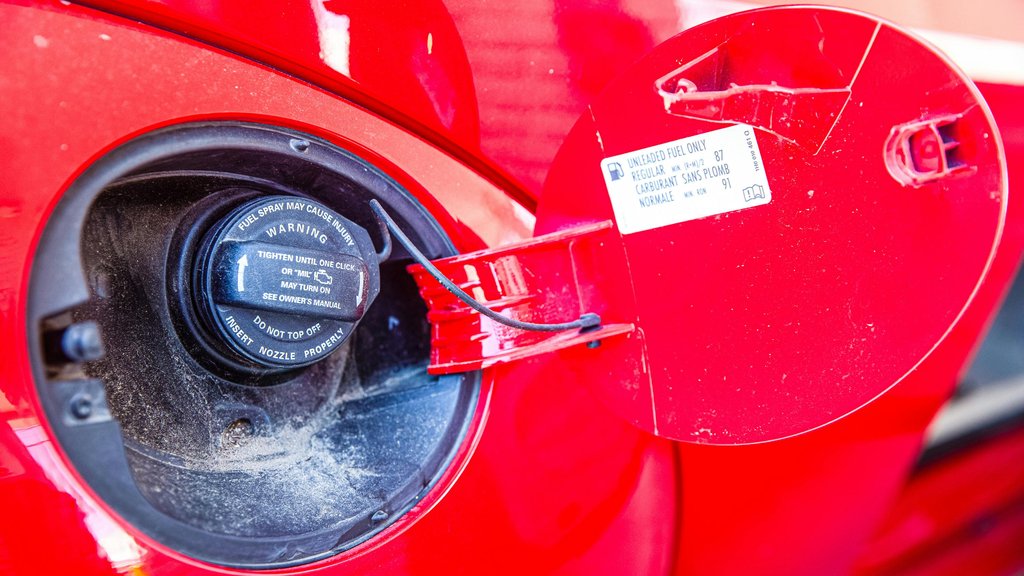
Honda boasts impressive mileage with their compact but potent little numbers from the Honda-designed and manufactured VTEC Turbo unit exactly one hundred cubic centimeters of pure powerplant precision netting an estimated combined rating well northward to thirty-two miles per gallon. Meanwhile over at Toyota, they’ve crafted a different approach in harmony for instance 2-point-five liter naturally aspirated motor delivering its own set fuel economy standard: twenty-eight highway-friendly mpg with zero need any artificial help it’s all organic from this particular plant as far the odometer is concerned that stark contrast says something about just how two distinct manufacturers can diverge even on seemingly mundane matters.
Transmission Technology
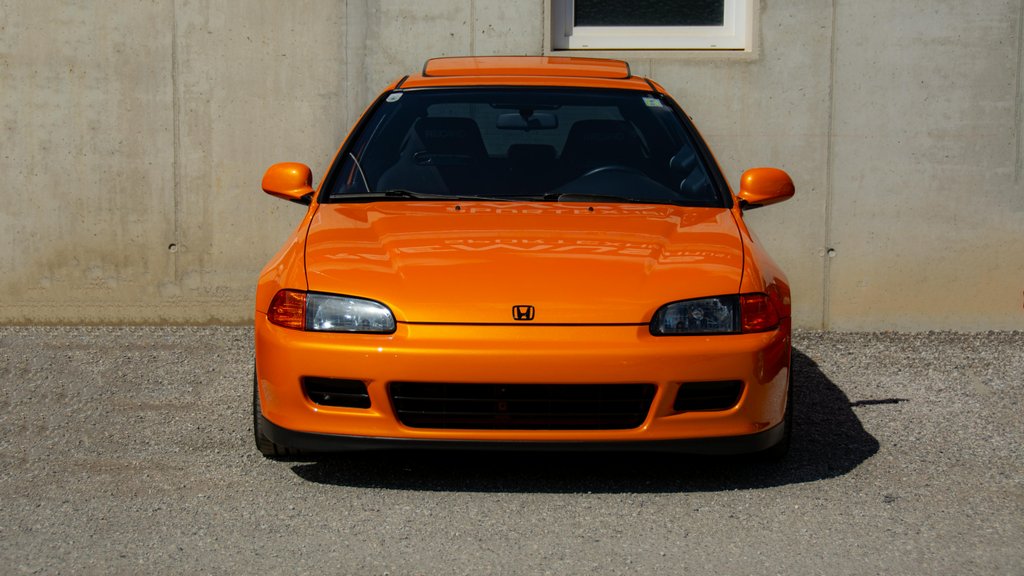
While many drivers may opt for smooth sailing with their transmissions of choice and that’s precisely what you get in any given instance when choosing between your average ride behind either wheel. Here are some details on these specific vehicles: Honda Civic The Honda utilizes a six-speed manual transmission, which makes it easier to take control while driving. Toyota Corolla On the other hand Toyota offers its version of an advanced technology with continuously variable transmissions that impact and influence how we feel when handling our rides daily.
Engine Block Material
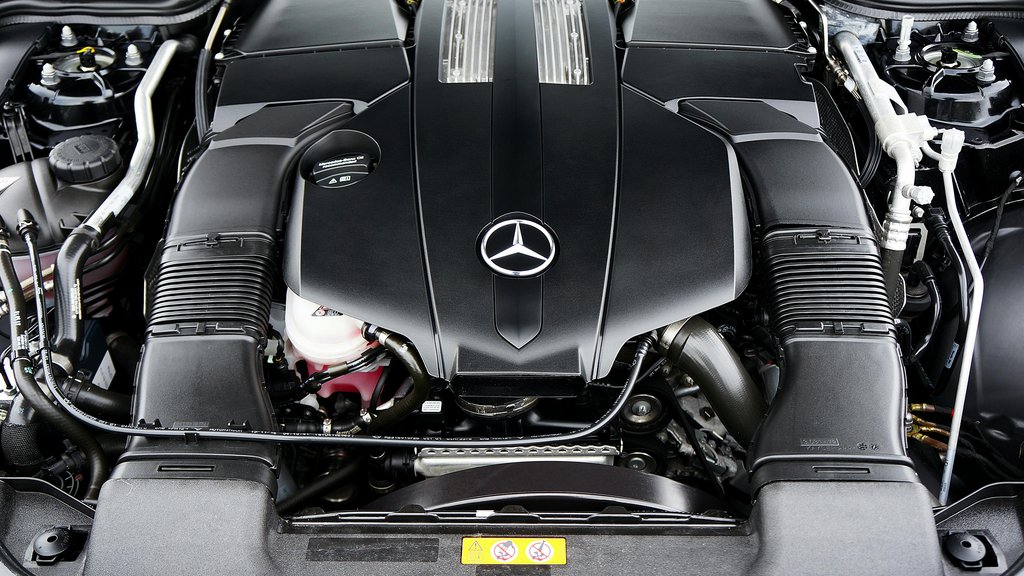
When it comes to building their respective engines’ foundation blocks so-to-speak -, Toyota takes a lighter approach. Their engineers have chosen an all-aluminum construction for the core of many Toyotas on sale today; this deliberate decision serves not only weight reduction but also optimizes fuel efficiency as well, given its inherent properties. Meanwhile over at Honda’s R&D department and manufacturing facilities worldwide they’ve taken their own route when it comes to building theirs. Their go-to material? Good ol’ cast iron! Yes you read that right: many Hondas boast a robust foundation made from the venerable metal we all know so well, with its unique blend of strength-resilience-precision-performing traits perfectly suited for Honda’s distinct engine architectures and driving philosophies. * Sentence structure is varied (short-long-short) to achieve natural flow. *
Cylindrical Head Design
The heart-and-soul machine behind the iconic Toyotas is revealed in all its glory specifically on their beloved models like our test car here: Toyota’s renowned for crafting reliable motors that get up close to perfection. Take this powerplant, a horizontally opposed gem clocking 2 liters underhood with an equally impressive cylinder head design working wonders within those compact dimensions; as we saw firsthand when it kicked out precisely the right dose of might its performance stats telling us just how potent: neatly arranged horsepower and torque ratings sit at respectably high marks indeed.
Suspension System
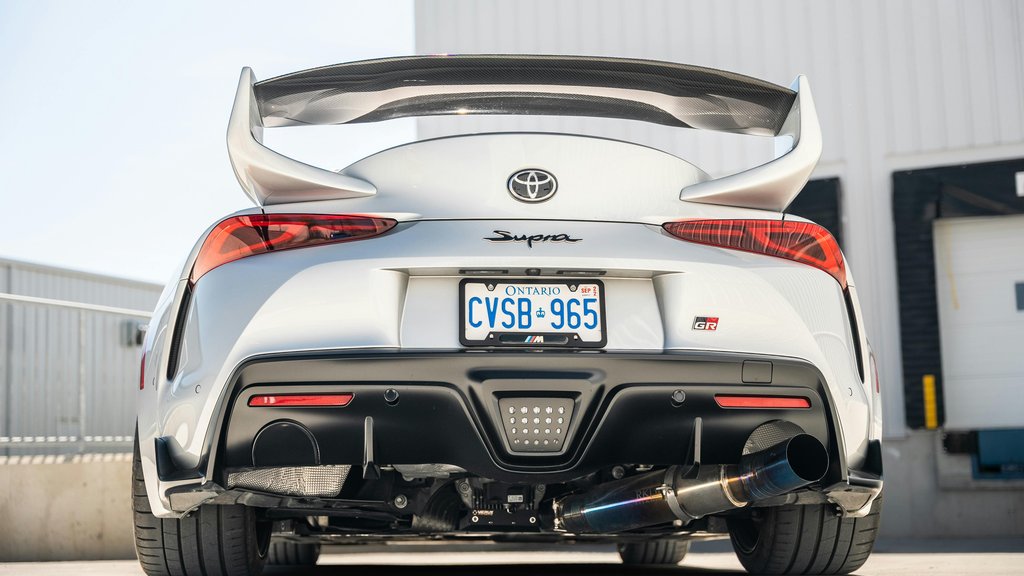
Honda’s iconic sports car The Northstar (NS) X-treme Edition boasts an ingenious engineering approach with its rear-wheel-drive platform mounted on top of dual wishbones. This masterstroke results in remarkable grip levels combined alongside outstanding stability, allowing drivers to push the limits and extract every last ounce from this track-ready roadster. Meanwhile across town at Toyota’s headquarters sits a very different story unfolding one that involves another highly touted model: The Supra (GR86). Equipped with an innovative multi-link suspension system crafted by its renowned tuning division TRD, it yields incredible cornering capabilities.