Giant KKR‑Backed Company Bets on US Electric Trucks in California as EV Policy Faces Political Headwinds
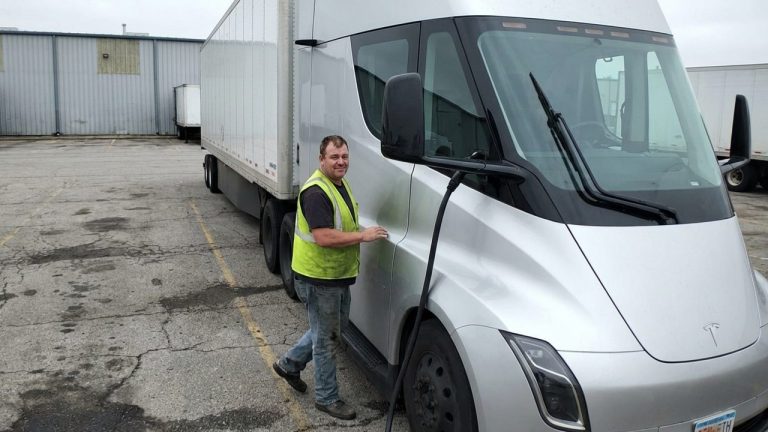
Washington sharpened its attacks on EV policy. Someone wrote a check anyway. In March 2026, Zenobē, a KKR-backed company focused on fleet electrification, bought Revolv, a California-based manager of 13 charging sites and more than 100 electric trucks and vans.
This was not a pilot program or a PR move about future intentions. It was a real acquisition, with real money, timed as national politics raised fears of a policy rollback. Experts expected smart money to sit on the sidelines. Zenobē moved in. Their choice of target surprised more than a few people.
State Mandates Drive the Market
California’s Advanced Clean Fleets program has quietly and steadily shaped how fleets plan purchases in recent years. It was designed to require certain operators to move toward zero-emission vehicles on a set timeline. For public drayage and port-related fleets, the original goal was to transition to zero-emission trucks by 2035. High-priority private and federal fleets were initially scheduled to start adding only ZEVs or near-ZEVs from the 2024 model year onward.
After California failed to secure a federal waiver, those purchase mandates for private, federal, and most drayage fleets were repealed in 2025, while state and local government fleets remained covered.
The Compliance Clock Is Ticking
As of 2026, state and local government fleets in California must ensure that at least half of their new medium- and heavy-duty vehicle purchases are zero-emission, with requirements rising toward 100% in the next decade. That pressure continues regardless of changes in federal rhetoric. The EPA sets federal rules, and California can seek waivers and adopt more ambitious standards, with other states sometimes following its lead. Federal politics can slow or reshape those efforts, but state-level programs, once in place and supported by waivers, still exert significant pull on fleet planning.
Many fleet operators are focused on Washington, but the compliance clock is ticking in Sacramento and other state capitals. Even after the 2025 rollback for private and federal fleets, public agencies in California still face binding purchase targets that favor zero-emission vehicles starting in the mid-2020s. That keeps demand for compliant vehicles and turnkey infrastructure alive. Zenobē expects a patchwork of state rules and public-fleet mandates to persist beyond any single election cycle.
State Rules Outlast Political Cycles
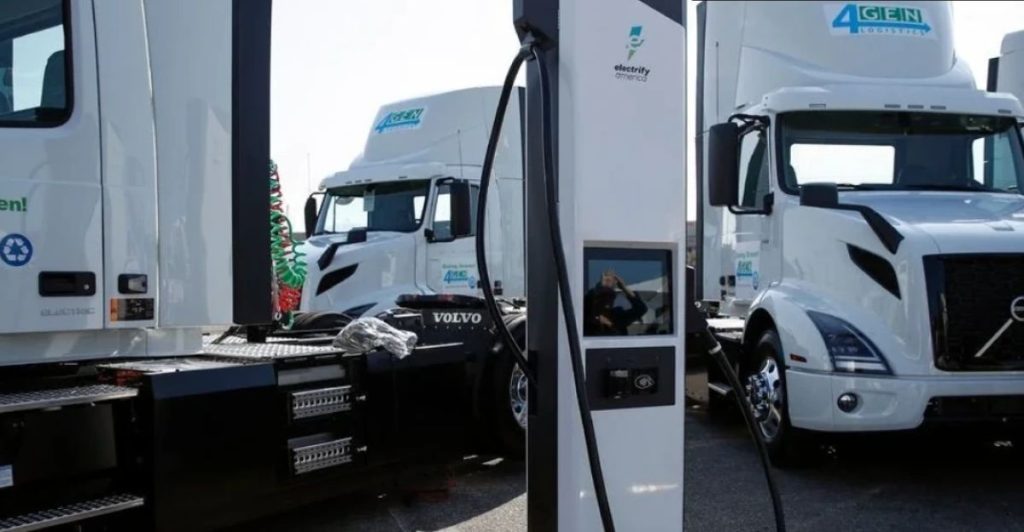
The phrase “electric trucks” brings to mind a political fight. Red versus blue. That framing benefits politicians looking to rally supporters and operators hoping to delay expensive upgrades. Many assume that a hostile White House would slow electrification.
The mandates and procurement targets that drive many purchases, however, come from states and localities as much as from Washington. Federal speeches make headlines, but state rules, waivers, and public-fleet policies often trigger new orders. Big investors focus on contracts and regulations that guarantee revenue. California’s framework and similar state-level programs provide these conditions when they are in force.
Why Infrastructure Is the Prize
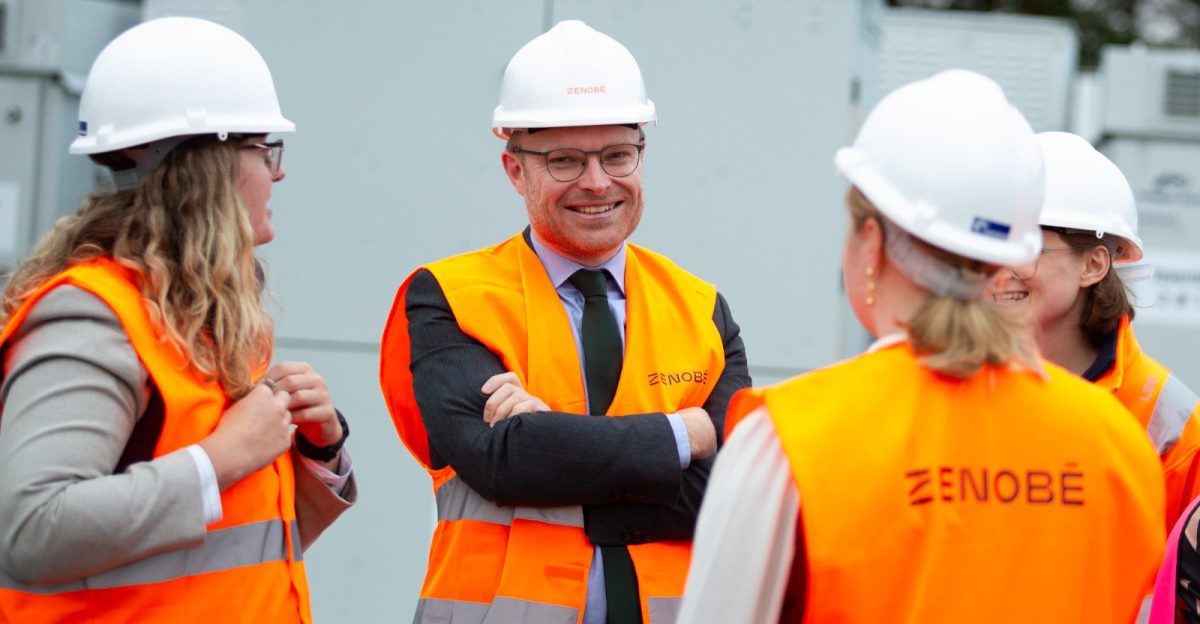
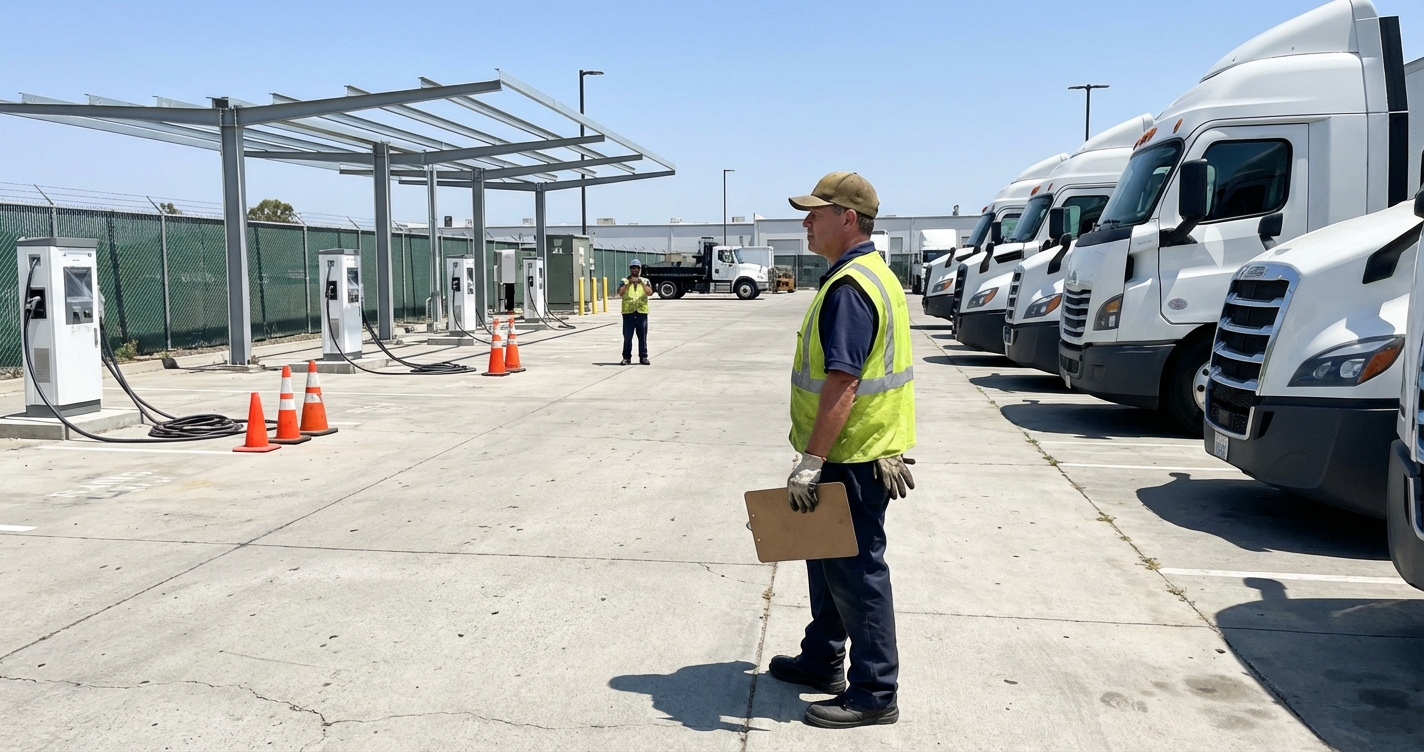
Zenobē bought the bottleneck. Fleet electrification requires vehicles, chargers, grid upgrades, and operational compliance. The Department of Energy notes that setting up charging stations involves site planning, electrical capacity assessment, and equipment installation. This is more than a truck purchase. It means opening a mini-utility at every depot.
Revolv’s California locations already combine charging hardware, interconnection work, and fleet management under long-term arrangements. Zenobē now has a working template rather than a blueprint. The company acquired the layer where all the pieces connect. One acquisition. One bottleneck. Whoever controls the chargers and the grid controls the entire transition.
Charging Gaps Define the Challenge
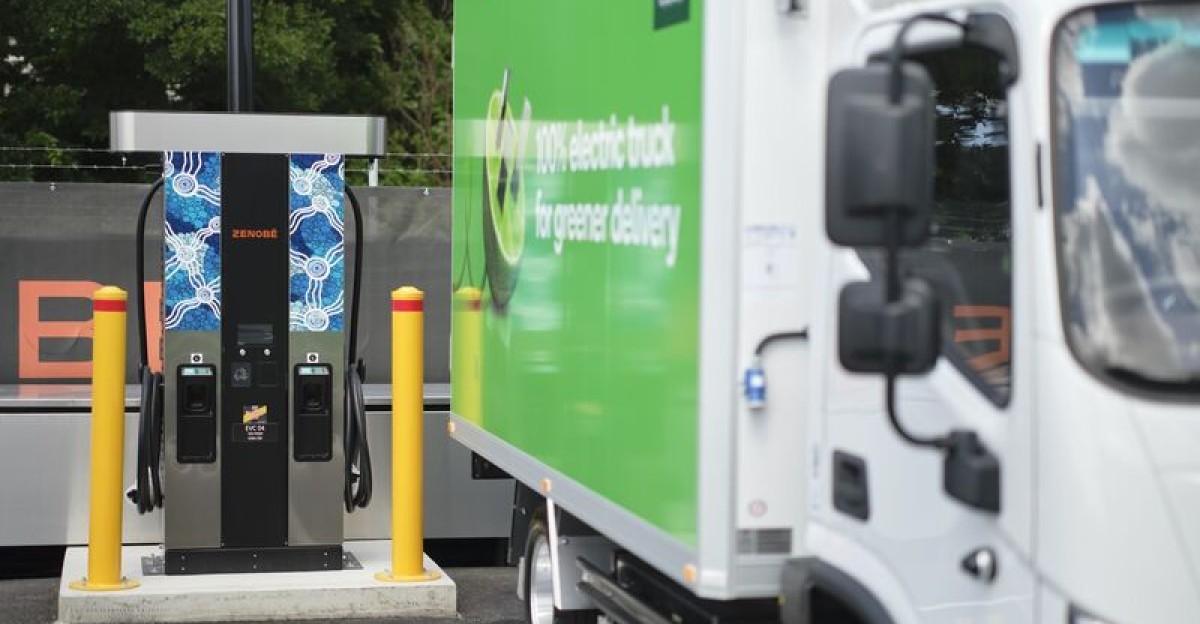
The IEA calls charging infrastructure a persistent challenge for scaling up EVs, especially for larger vehicles. Fleet operators can order the trucks, but if their facilities lack sufficient electrical capacity, the trucks sit idle.
The operational risks are practical: uptime, charging reliability, grid capacity. Zenobē targets that gap, positioning itself as the company that bundles financing with execution. In this market, shaped by grid upgrades and compliance deadlines, success is measured in kilowatts.
Electricity Costs Rewrite the Equation
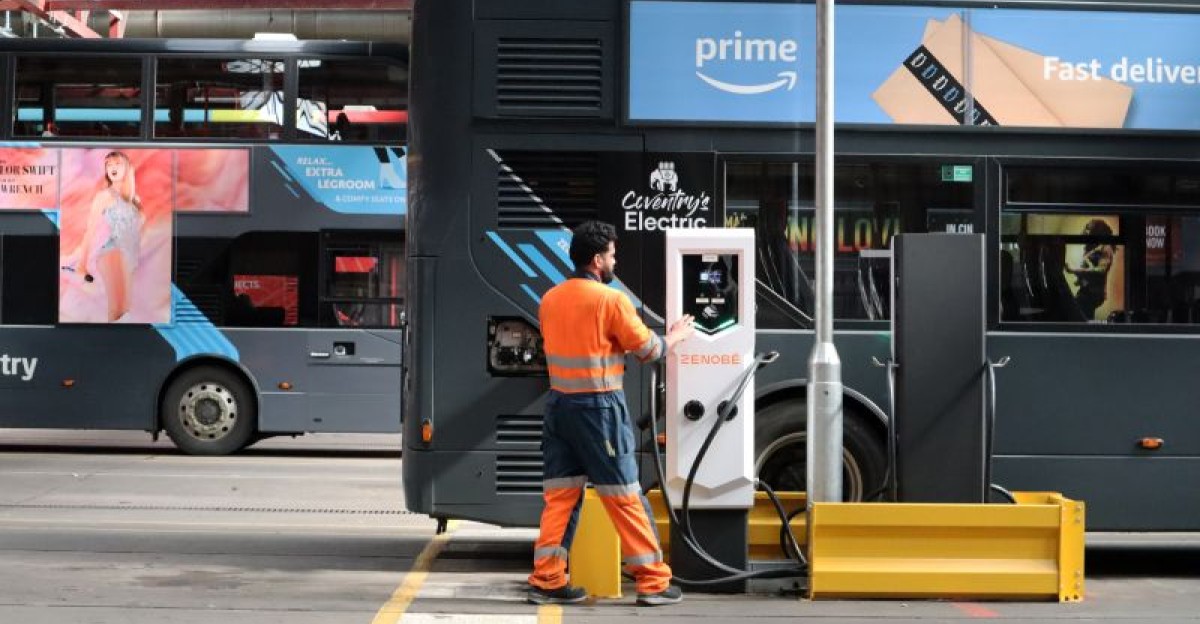
Electricity prices are complex. The EIA explains that what a fleet pays per kilowatt-hour depends on fuel costs, power plant expenses, transmission lines, and distribution charges. When a fleet operator switches from diesel, the cost structure changes, bringing new and volatile expenses. Fluctuating electricity prices can disrupt budgets overnight.
Controlling the fleet management layer allows a company to manage how costs are passed along and to turn price complexity into a margin opportunity.
Acquisitions Accelerate as Costs Rise
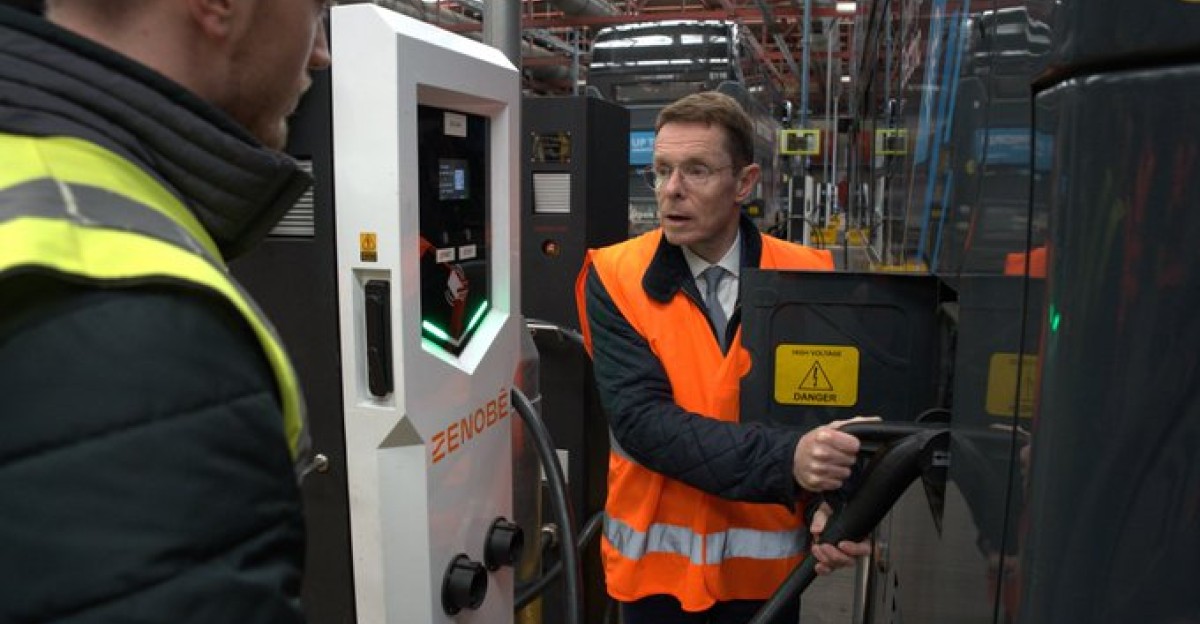
This deal signals a broader shift. As public-fleet rules tighten and infrastructure expectations rise, fleet managers become compliance guides and gatekeepers, navigating the maze of permits, upgrades, and deadlines. Smaller operators without capital for charging buildouts get squeezed. Demand for electrical upgrades and contractors rises.
The industry trend is clear: larger, well-capitalized companies acquire those unable to fund infrastructure alone. Zenobē demonstrated this approach. Fleet electrification service providers without major financial backing may soon receive acquisition calls.
A New Investment Standard
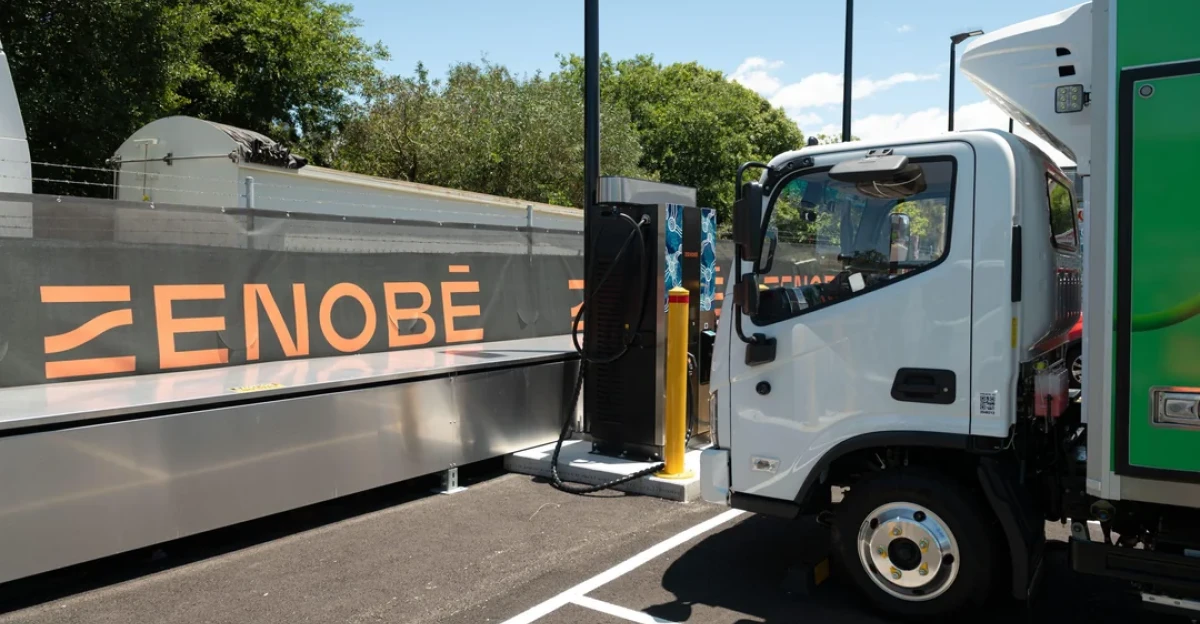
This deal sets a new precedent. Infrastructure investors now treat fleet electrification as a business service rather than a speculative technology bet.
The IEA documents EV growth as a multi-year trend. Elections matter, but grid access, state mandates, and long-term contracts shape fleet reality. Federal decisions can influence how aggressive state programs become, yet investors still look at state-level rules and public purchasing requirements when they underwrite projects.
Uncertainty Favors Early Movers
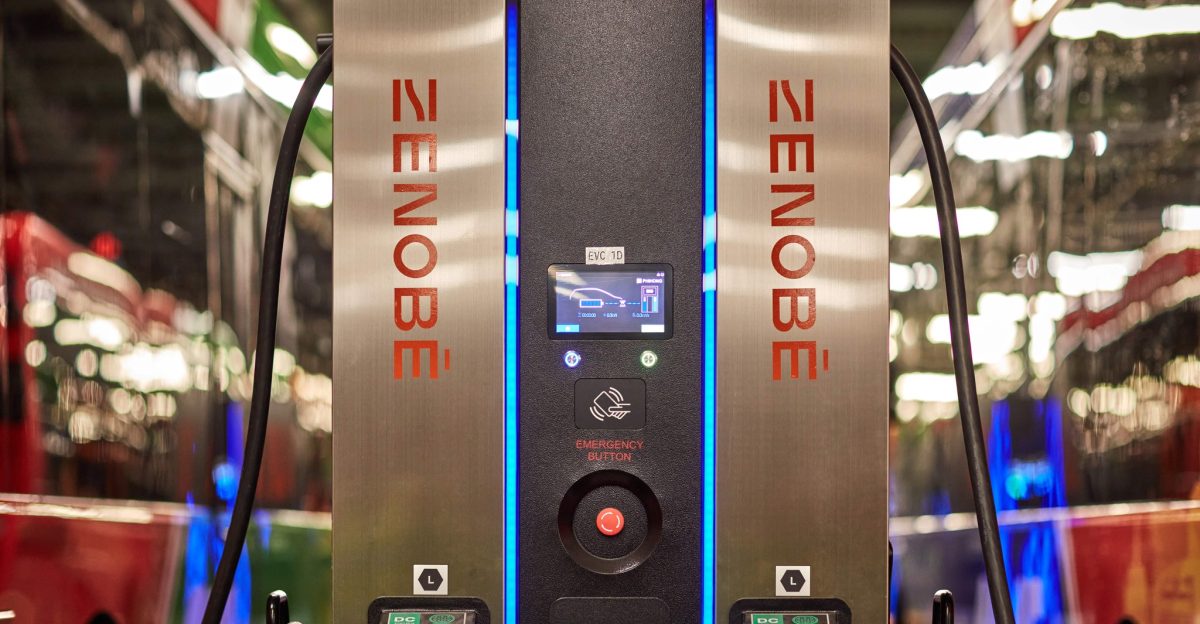
Big money moving in does not remove all uncertainty. If federal standards continue to change, risk increases and financing becomes more difficult, except for companies with long-term contracts in place. Uncertainty helps early movers and creates obstacles for others.
Traditional fuel and vehicle companies continue to resist. New compliance proposals and renewed lobbying to loosen or delay state-level mandates are expected. The fight over fleet electrification now moves from television to utility commission and regulatory hearings, where actual leverage takes shape.
Infrastructure, Not Trucks, Decides Winners
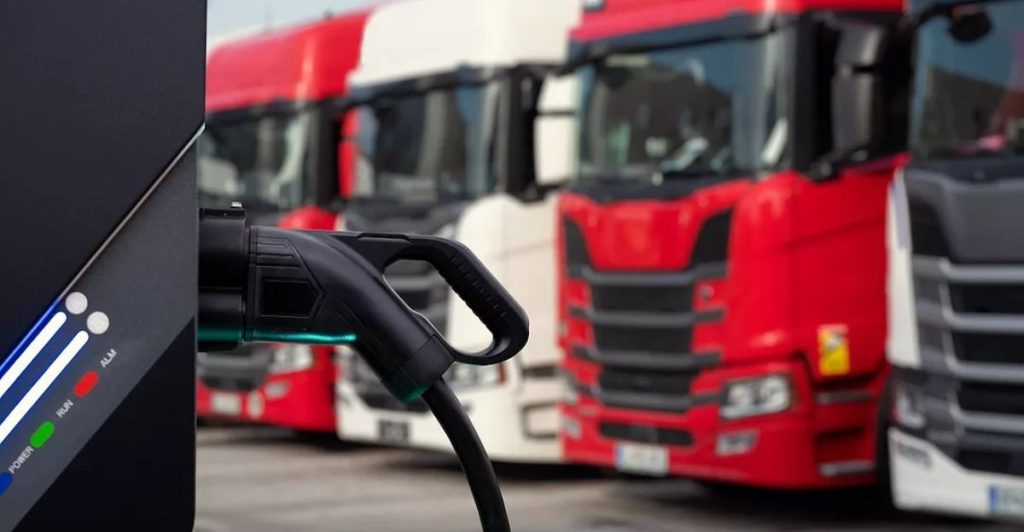
Most headlines about EV politics focus on the trucks. The chargers, grid connections, compliance paperwork, and financing matter most. This is where the real advantage develops.
Much of the debate centers on politics. Zenobē invested in the infrastructure that enables the shift. Those who recognize the infrastructure story stand to benefit as new realities take hold.
Sources:
Zenobē – Zenobē expands its North American fleet with acquisition of Revolv – 18 March 2026
PR Newswire – Zenobē expands its North American fleet with acquisition of Revolv – 19 March 2026
Bloomberg Law – KKR-Backed Company Bets on Electric Trucks Despite US Attacks – 18 March 2026
International Energy Agency (IEA) – Global EV Outlook 2024 – 2024
U.S. Department of Energy, Alternative Fuels Data Center – Procurement and Installation for Electric Vehicle Charging Infrastructure Development – circa 2024–2026 (current guidance)
RMI – Understanding California’s Advanced Clean Fleet Regulation – 2 July 2023