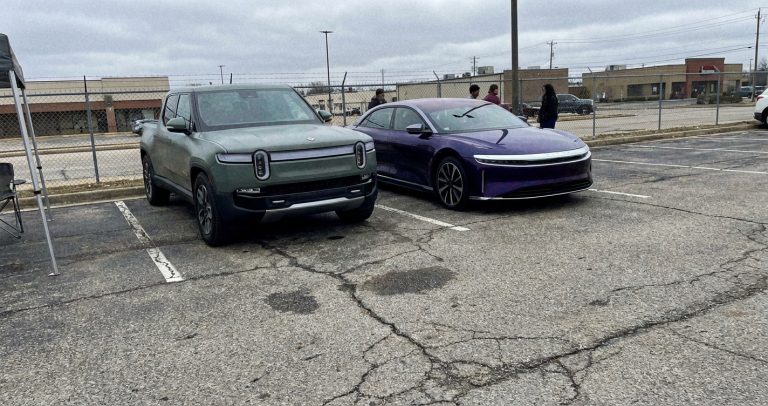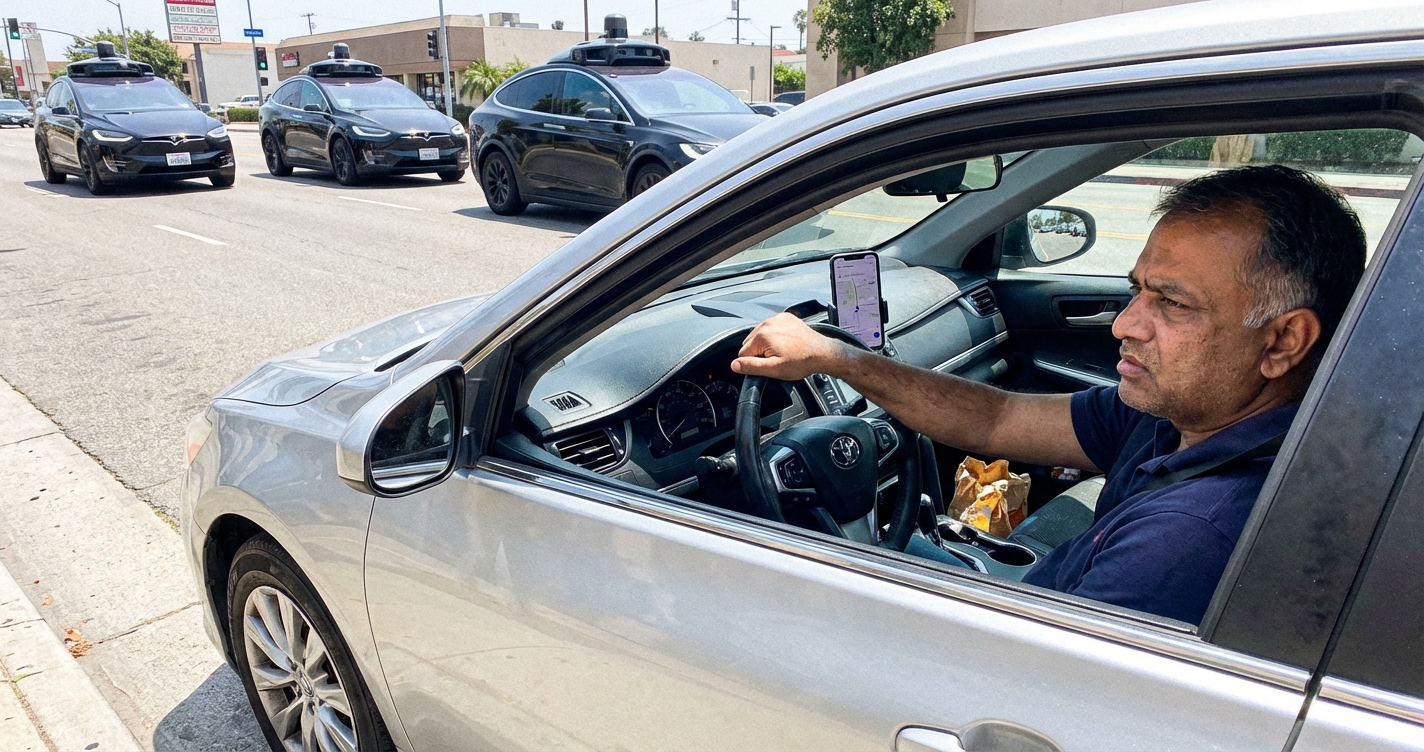
Uber Bets $1.25B on Rivian Robotaxis—50,000 Driverless Cars to Hit 25 Cities
Uber is investing up to $1.25 billion in Rivian as part of a robotaxi partnership targeting up to 50,000 vehicles. That number sounds like Uber bought itself a self-driving fleet. Run the math, and it comes to roughly $25,000 per vehicle. A Rivian R2 costs more than double that to build. So Uber isn’t buying cars. It’s buying something else entirely, and the size of this deal only makes sense once you understand what that something is. The robotaxi race just shifted from engineering labs to a completely different battlefield.
Why Now
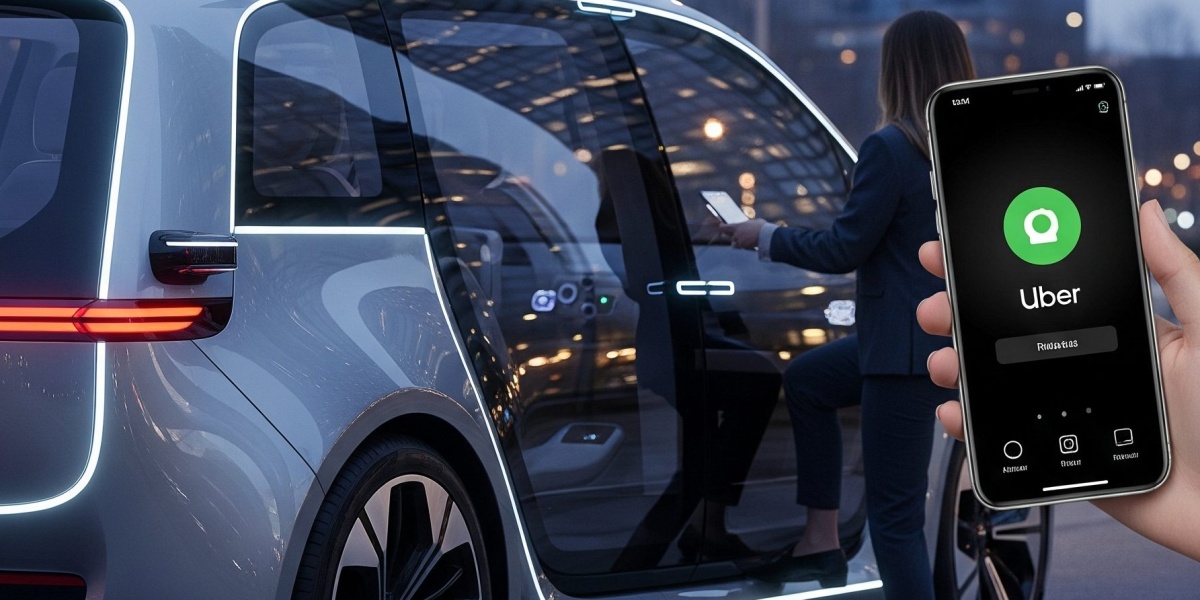
Uber once exited self-driving R&D, selling its Advanced Technologies Group to Aurora in 2020. Now it’s buying back into autonomy through a partner’s hardware and a checkbook instead of a research lab, and Rivian is one of more than a dozen AV partners Uber has lined up, alongside Waymo, Nvidia-Stellantis, Lucid-Nuro, Waabi, and others. Rivian builds electric vehicles and is developing its own autonomy system to handle the driving, though it has no public track record in Level 4 autonomous operation and has yet to demonstrate the technology at scale. Uber controls the one piece nobody else can replicate: the marketplace that matches riders to cars, millions of times a day. That two-part stack, vehicle-plus-autonomy from Rivian and dispatch from Uber, is the architecture shaping every robotaxi deal from here forward.
Driver Fallout
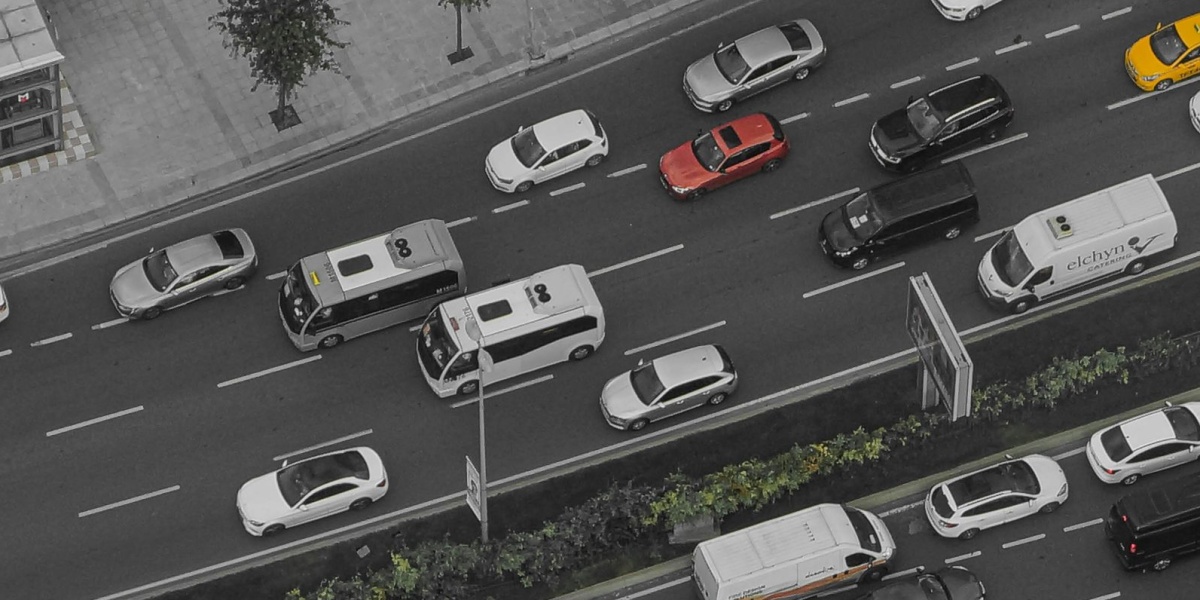
Up to fifty thousand robotaxis replacing even one human shift each would erase a meaningful slice of paid driving hours in every city where they deploy. Uber’s own SEC filings acknowledge regulatory and operational risks tied to new mobility technologies. For the drivers who built this platform with their own gas money and tire wear, the reward for years of five-star ratings could be a shrinking pool of available rides. That pressure hits first in pilot markets; San Francisco and Miami are targeted for initial deployment in 2028, with up to 25 cities by 2031, then spreads. The grocery runs and airport pickups start disappearing before anyone sends a memo.
Rivian’s Pivot
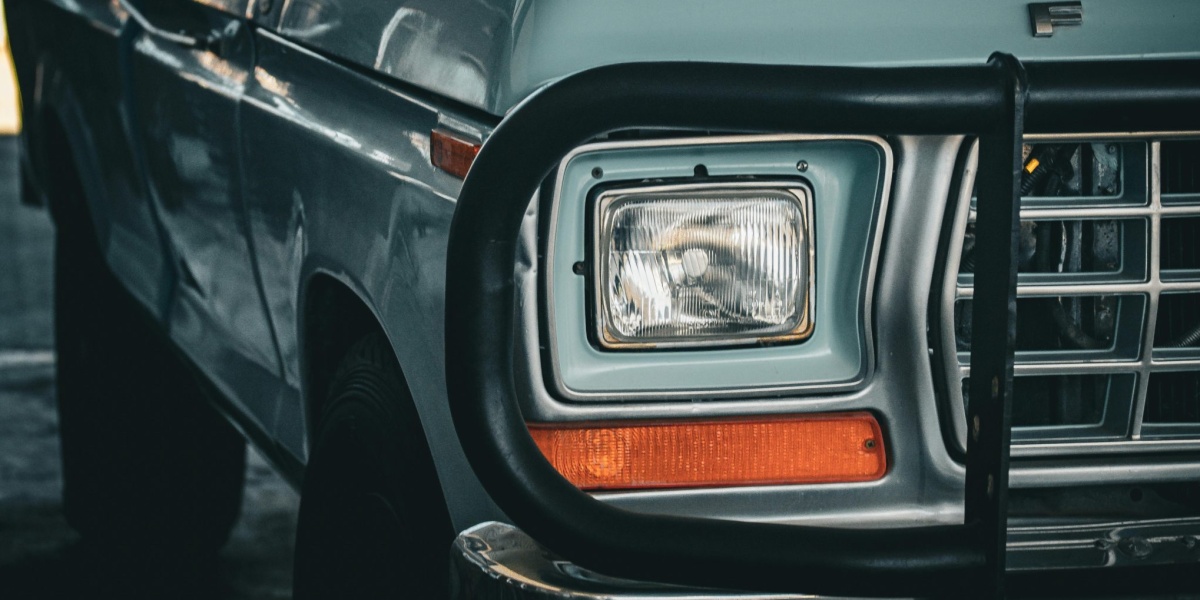
Rivian has been burning cash trying to sell adventure trucks to consumers. Its SEC filings flag manufacturing scale, capital needs, and demand risk. A fleet deal with Uber, 10,000 vehicles firm, with options for up to 40,000 more starting in 2030, changes the calculus overnight: guaranteed volume, predictable orders, and a partner subsidizing the transition from consumer brand to fleet supplier. Rivian also has a $5.8 billion software and electrical-architecture joint venture with Volkswagen, giving it a second major institutional anchor beyond the Uber deal. Expect other automakers to notice. The OEM that locks in a platform partnership gets stable revenue. The one left building cars for individual buyers keeps gambling on showroom traffic. More tie-ups like this are coming fast.
Permit Bottleneck
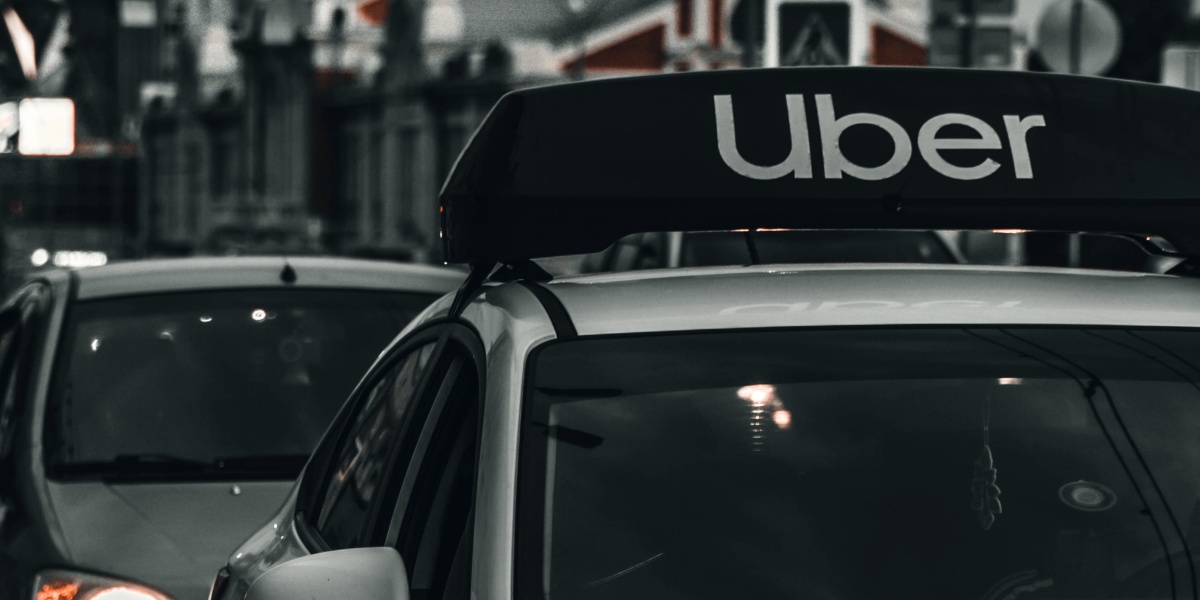
Here is where most people lose the thread. California requires multiple approvals from two separate agencies before a single robotaxi can carry a paying passenger: a series of DMV testing and deployment permits plus CPUC commercial authorization. Two agencies, multiple timelines, multiple chances for delay. Tesla has already hit this wall trying to launch its own robotaxi service in the state. Every other state considering robotaxi rules is watching Sacramento’s playbook. Uber can commit up to $1.25 billion in capital, though only $300 million is confirmed upfront, with the rest tied to Rivian hitting autonomy milestones through 2031. Getting permission to deploy those vehicles city by city could take years. The money moved fast. The permits won’t. And that gap changes everything about who actually wins.
The Real Moat
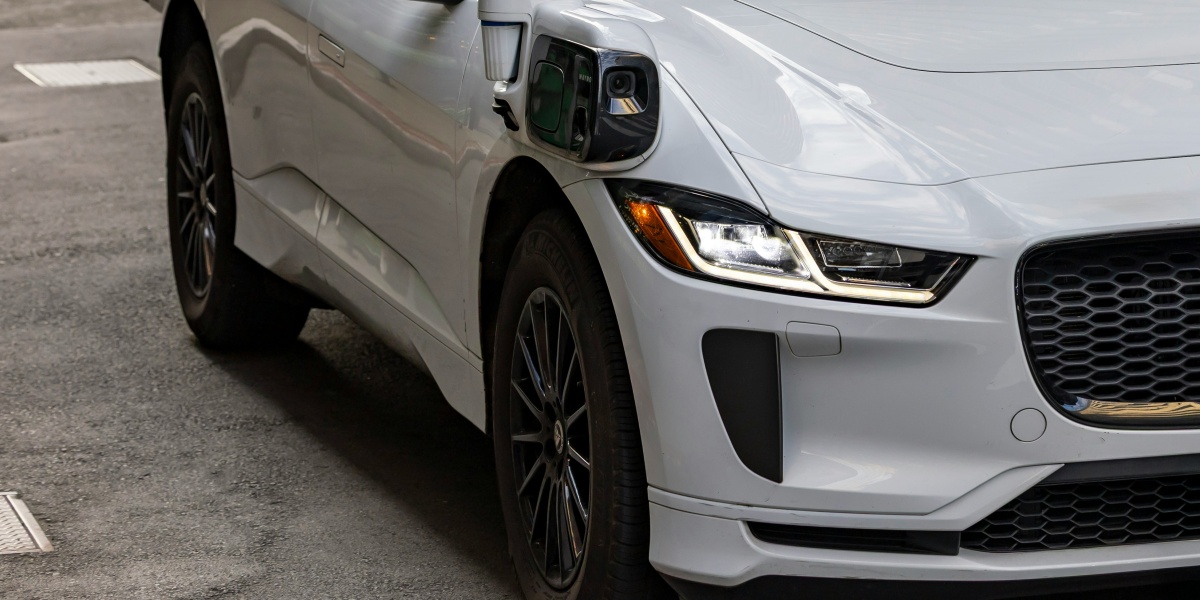
Permits. Dispatch. Definitions. Those three things determine who captures robotaxi profits, not who builds the best sensor array. NHTSA sets federal safety guidance but doesn’t hand out a single green light for commercial service. States control the permits. SAE International defines the automation levels that regulators reference when deciding what “robotaxi” can even mean, from partial automation to full self-driving. Uber controls the demand. A startup builds a brilliant autonomous vehicle. It still needs Uber’s riders, Sacramento’s permits, and Washington’s safety blessing. Same mechanism. Different chokepoint. Identical dependency. The car is replaceable. The access isn’t.
Human Cost
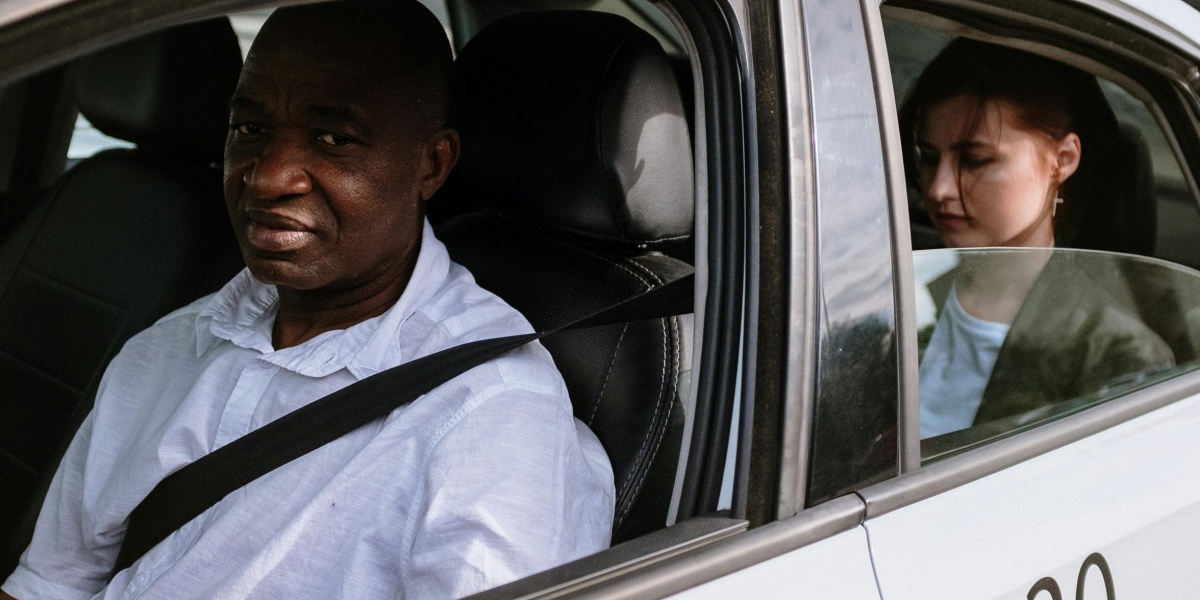
No executive quote captures it, so the math has to speak. Rivian’s filings detail a company fighting for survival through capital raises and production targets. Uber’s filings disclose dependence on regulatory environments and partner performance. Between those two documents sits a workforce of drivers who own their cars, pay their insurance, and check the app every morning, hoping for surge pricing. Up to fifty thousand robotaxis won’t replace all of them. But in the first deployment cities, the rides will thin out before the press releases explain why.
New Rules
Every robotaxi incident, every fender-bender caught on a dashcam, triggers a chain: NHTSA investigation, state-level scrutiny, possible permit pause, political backlash. California’s dual-track framework has become the template that other states study before writing their own AV rules. The precedent-forming right now will decide whether “robotaxi” means a verified SAE autonomy level with commercial authorization or a marketing term stretched past its engineering. Uber’s up-to-$1.25 billion commitment doesn’t just buy vehicles and access. It buys a seat at the table where those definitions get written.
Winners and Losers
Uber wins if permits break its way: a fleet it doesn’t manufacture, running on a platform it already owns, serving demand it already captured. Its multi-partner portfolio, Rivian, is just one of roughly fourteen AV deals, meaning no single partnership has to succeed for the strategy to pay off. Rivian wins with volume and capital it desperately needs. Waymo, which already completes over 150,000 paid rides per week, remains the market leader any new entrant has to chase. Smaller AV startups without marketplace demand or regulatory muscle lose next. They built the technology, but can’t match the distribution. GM’s shutdown of Cruise as a robotaxi operation is a cautionary signal: even billions in backing don’t guarantee survival without the right platform and permits. The companies selling autonomy hype to investors benefit from the myth that the best self-driving tech wins. It doesn’t. The best regulatory position and the biggest rider base win. That distinction is worth remembering at the next earnings call.
Not Over
Competitors are already chasing parallel OEM deals and lobbying for favorable AV rules in statehouses across the country. A single safety incident in an early pilot city could freeze permits and strand billions in capital overnight. The cascade from this deal runs through automakers, gig workers, insurance markets, city transit budgets, and every state legislature drafting AV policy this session. Uber placed its chips on the table. The regulatory roulette wheel is still spinning. Anyone who read this headline and thought it was a car story now sees the system underneath it.
Sources:
“Uber and Rivian Partner to Deploy up to 50,000 Fully Autonomous Robotaxis.” Uber Investor Relations / SEC Filing (Exhibit 99.1), 19 Mar 2026.
“Rivian Automotive, Inc. Annual Report on Form 10-K for the Fiscal Year Ended December 31, 2025.” U.S. Securities and Exchange Commission, 11 Feb 2026.
“Uber Technologies, Inc. Annual Report on Form 10-K for the Fiscal Year Ended December 31, 2025.” U.S. Securities and Exchange Commission, 2026.
“Autonomous Vehicle Passenger Service Programs.” California Public Utilities Commission, 2024.