Rolls-Royce Kills 2030 EV Pledge as Spectre Sales Crash 47% in a Single Year
Somewhere inside Goodwood, a quiet shift was unfolding at the world’s most prestigious automaker. Rolls-Royce had boldly promised to go fully electric by 2030. That pledge, repeated in press releases and investor decks, cast the brand as the boldest player in luxury’s EV race. Then the people who actually buy these cars, the ones who sign seven-figure checks, began to voice concerns.
They focused not on the car itself, but on what gets lost when the engine fades. The 2030 commitment quietly began to unravel well before most observers caught on.
Electric Ambition Meets Resistance
Rolls-Royce made electrification clear and public. Automotive media covered the 2030 EV-only plan as one of the boldest moves in the ultra-luxury world. Parent company BMW Group echoed the message with its own electrification goals.
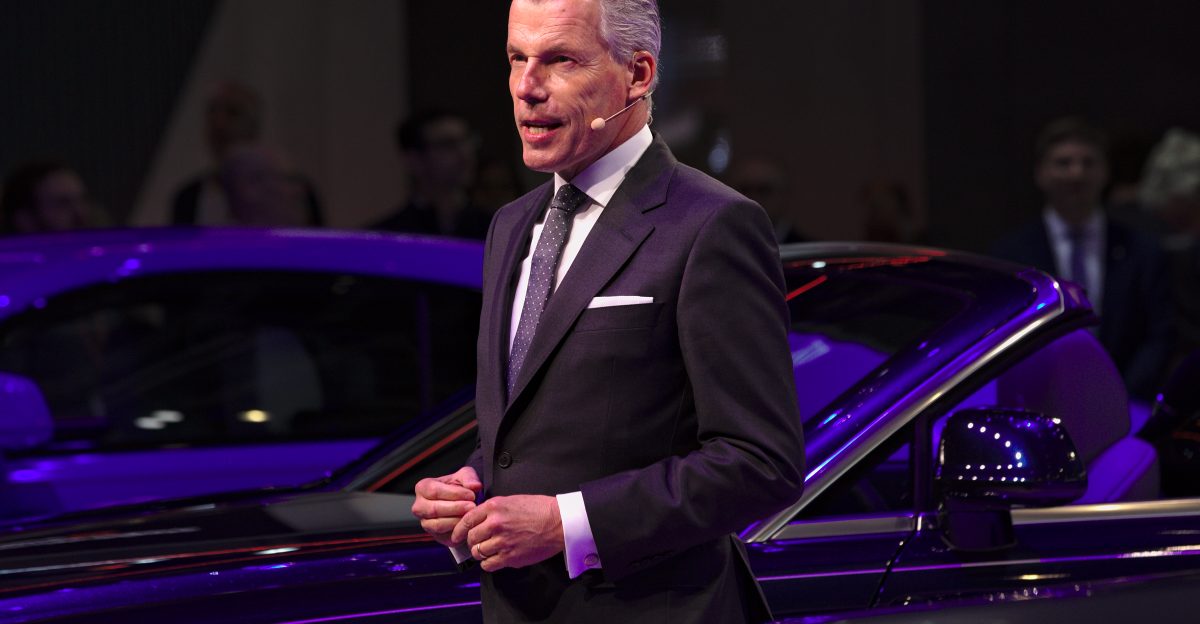
The story was simple: the age of combustion was ending. Rolls-Royce would lead the way. Former CEO Torsten Müller-Ötvös declared in 2023 that “by the end of 2030, there will be no more V12,” a commitment that positioned the brand as an electric-only pioneer among ultra-luxury manufacturers. That level of confidence became a statement. The Spectre, Rolls-Royce’s first fully electric production model, was intended as proof. The brand, long known for drama and engineering spectacle, faced a monumental shift.
Customer Tradition Takes Priority
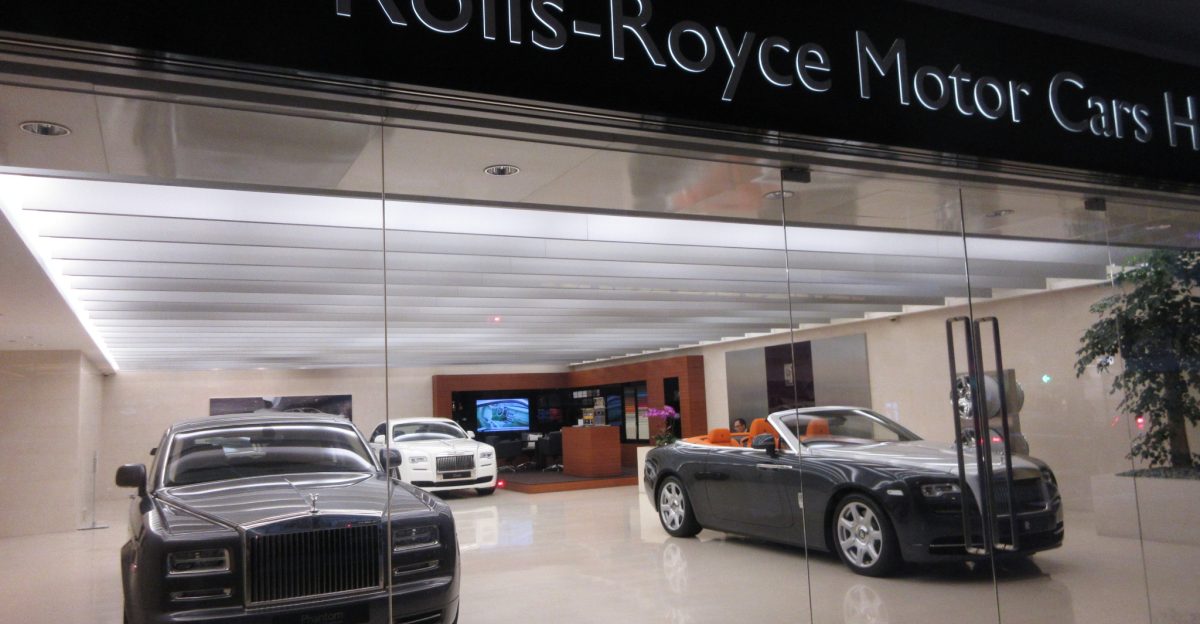
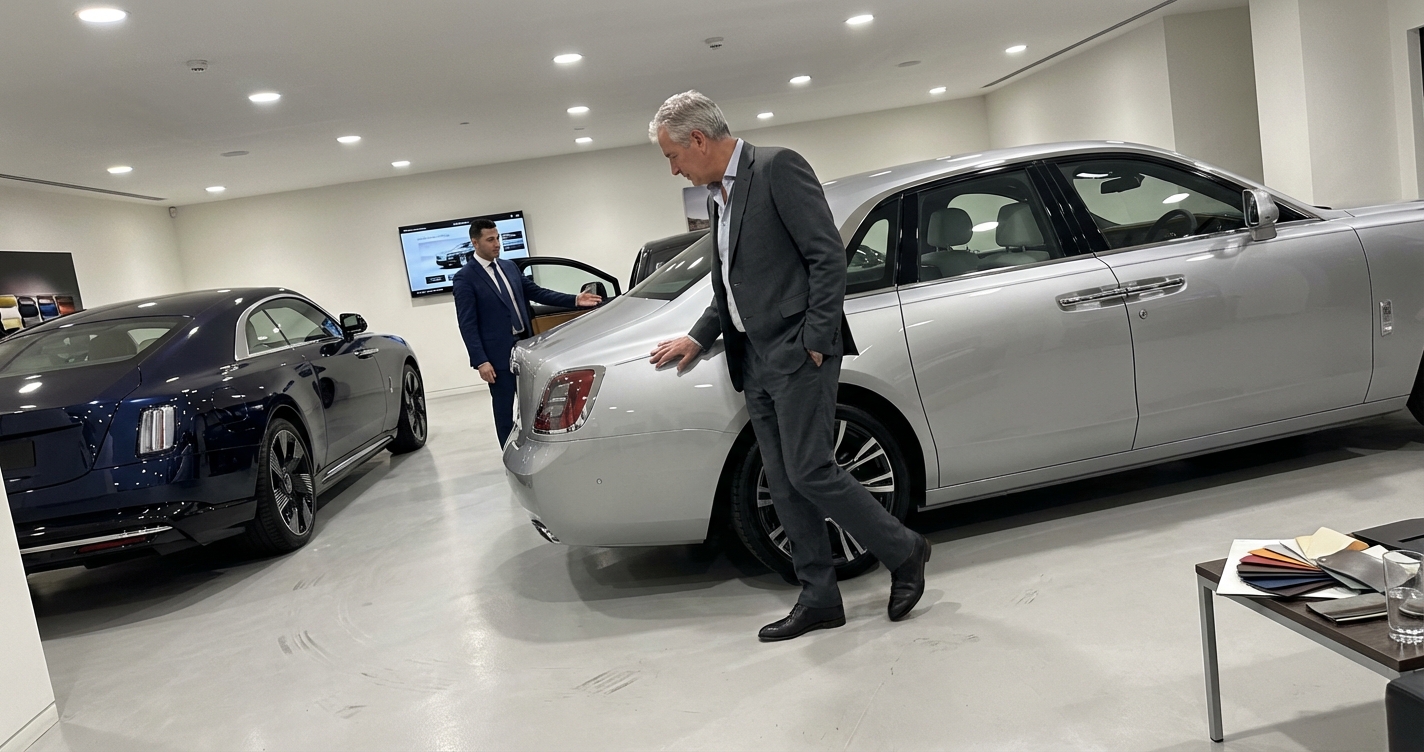
The world’s wealthiest buyers often choose the best technology available. Ultra-luxury, however, is not about numbers on a page. It revolves around ritual.
The soft rumble of a twelve-cylinder engine forms part of the magic for a Rolls-Royce customer. If that sound disappears, only silence remains for someone who paid for an experience. The company’s electrification strategy and the desires of its customers started moving in opposite directions.
Deadline Becomes Dilemma
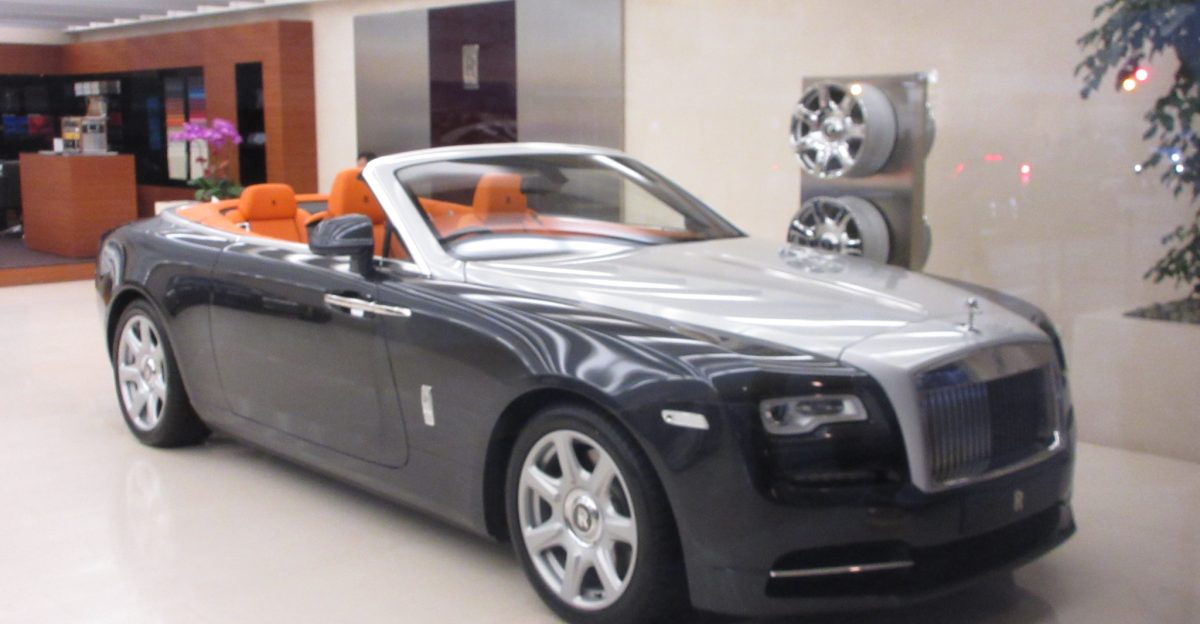
Now, Rolls-Royce is stepping back from its EV-only plan. The 2030 promise, once treated as unbreakable, is quietly being replaced by more flexible language. Combustion engines will remain available. The brand is not giving up on EVs, but certainty is gone.
This shift comes in response to requests from the most important customers. The world’s highest-paying car buyers looked at the future of driving and declined. Not now.
Tradition Over Tech
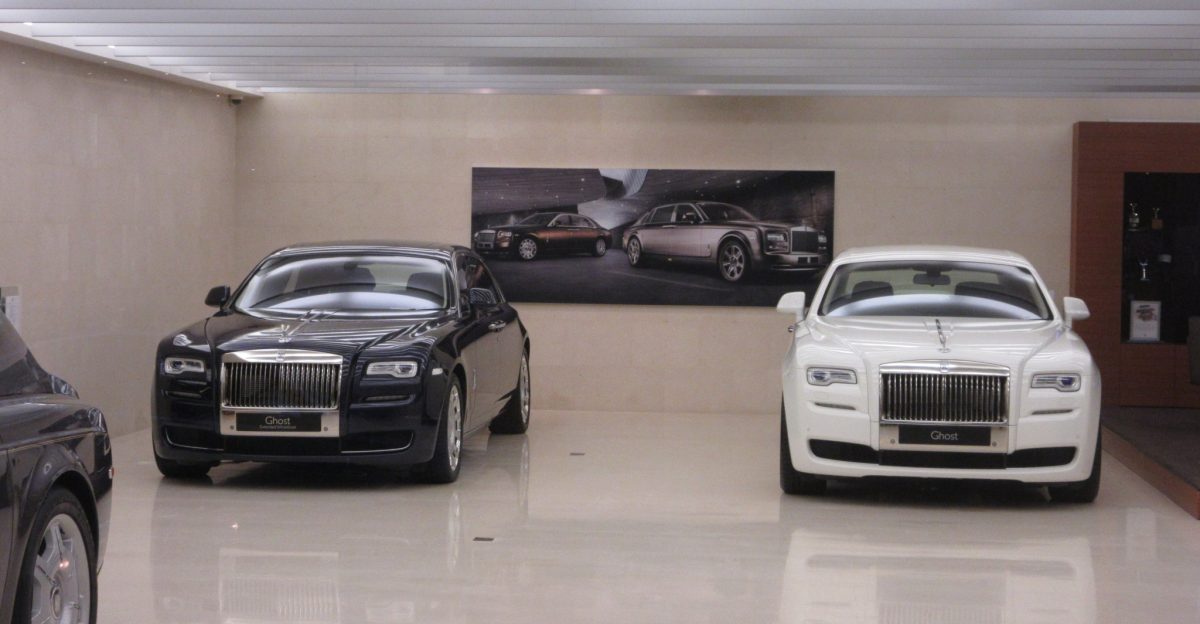
Number-crunchers often miss this point. In ultra-luxury, identity comes first. Practicality follows ritual and status. Rolls-Royce buyers do not purchase transportation alone; they seek a feeling, crafted through tradition, rare experiences, and sensory details. Electric cars disrupt those cues.
Choosing a mechanical watch instead of a smartwatch, or paying more for the nostalgia of vinyl over digital sound, illustrates this value. The so-called “imperfection” creates the product’s special appeal. Its absence transforms the purchase into something else entirely.
Flagship Model, Flagging Results
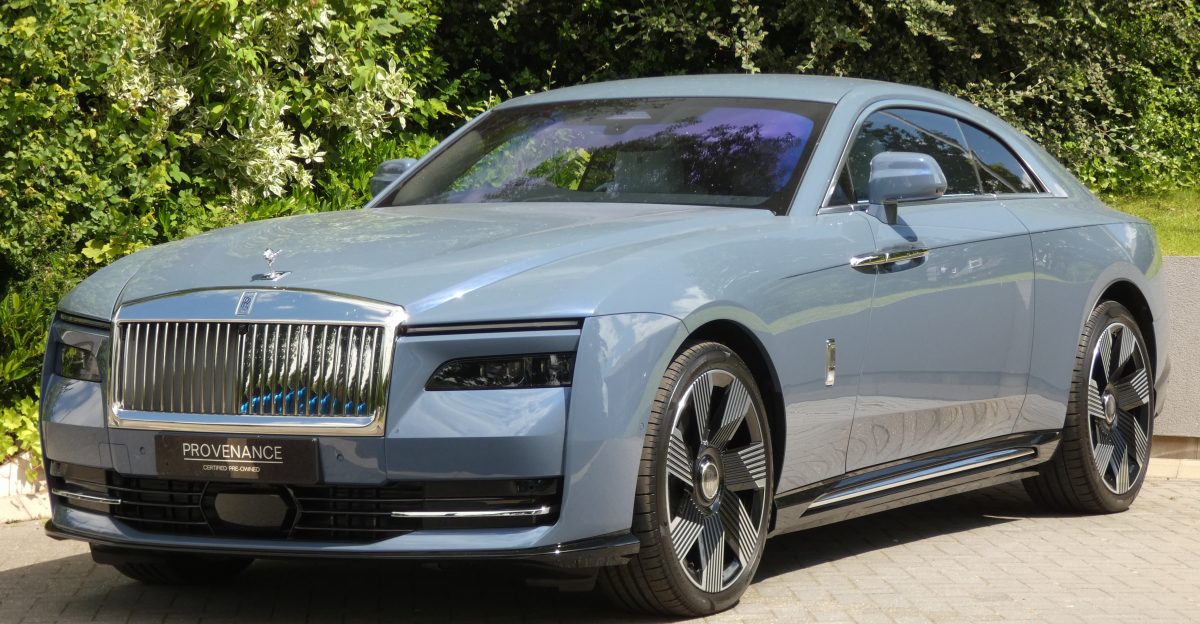
Spectre was intended as the centerpiece of a new electric era for Rolls-Royce. This model marked a groundbreaking first for a brand famous for its powerful engines. Despite this, the reversal came. Spectre deliveries collapsed from 1,890 units in 2024 to just 1,002 in 2025—a 47% plunge—with the EV’s share of total Rolls-Royce sales falling from 33% to 17.7%, moving in the opposite direction of the brand’s 70% EV target for 2028. Even with a flagship EV ready for buyers, the company started to soften its stance.
Global EV adoption remains uneven. Patchy infrastructure and shifting market conditions continue to reshape automaker strategies. For Rolls-Royce, external factors provided a convenient excuse. Customer mindset drove the real decision. Both factors pointed to the same result: a strict 2030 deadline would not work.
Industry Adjusts Course
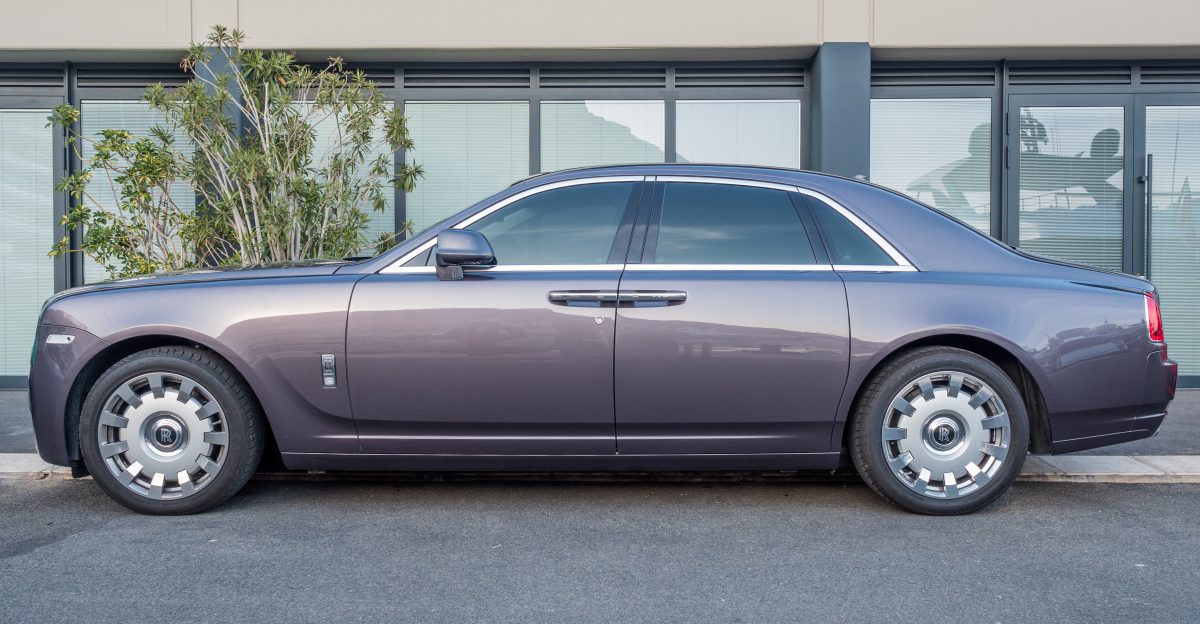
Rolling back an EV-only plan involves more than issuing a headline. It is an engineering choice that sends shockwaves through the industry. Suppliers, platform investments, and parts systems all have to adjust, especially those betting on a clear end to combustion engines.
Traditional engine suppliers get a lifeline. Other luxury brands now have a reason to slow down. One major brand’s change of course gives the entire industry permission to pause. Companies that staked everything on a firm 2030 transition must rethink their approach. BMW’s V12 engine plant, originally scheduled to shut down by the end of 2027, now operates without a fixed closure date. This result stems directly from Rolls-Royce’s strategic reversal.
Luxury’s New Normal
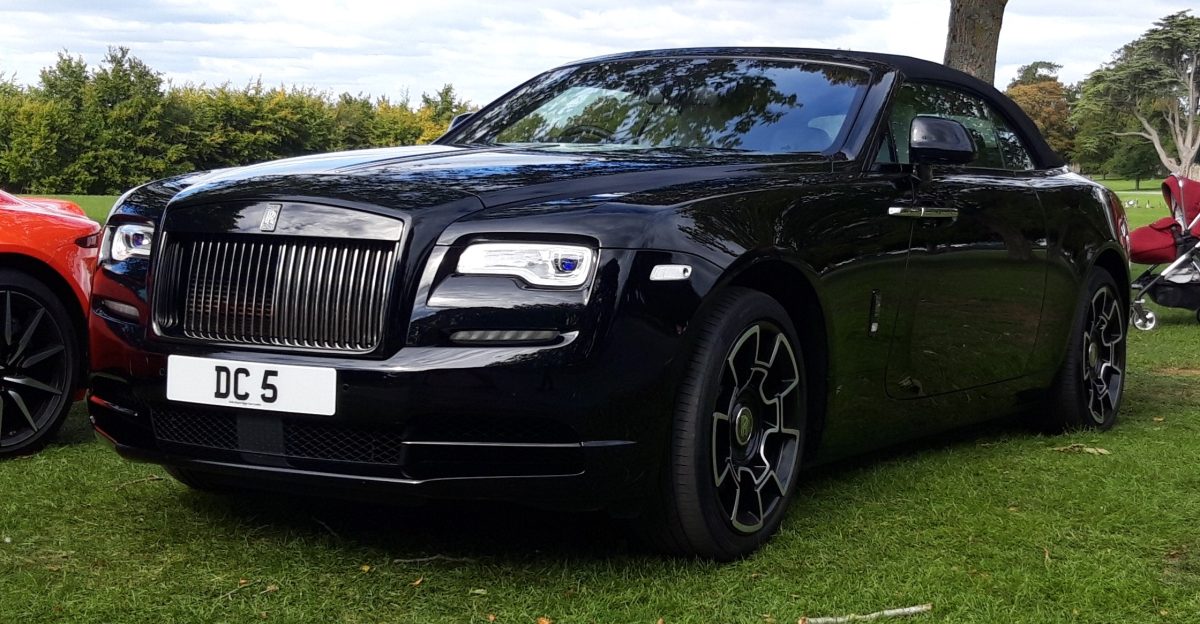
This moment sets a new standard. When the most valuable customers push back, “targets are flexible” becomes the norm in the luxury world. Public timelines that once served as badges of honor now become risks if they do not match buyer demand.
Rolls-Royce has always sold a feeling, not just transport. No spec sheet can capture that. Every electrification promise from a luxury brand looks less permanent in this light. These pledges were always negotiable, but customers had not spoken up until now.
Future Remains Unsettled
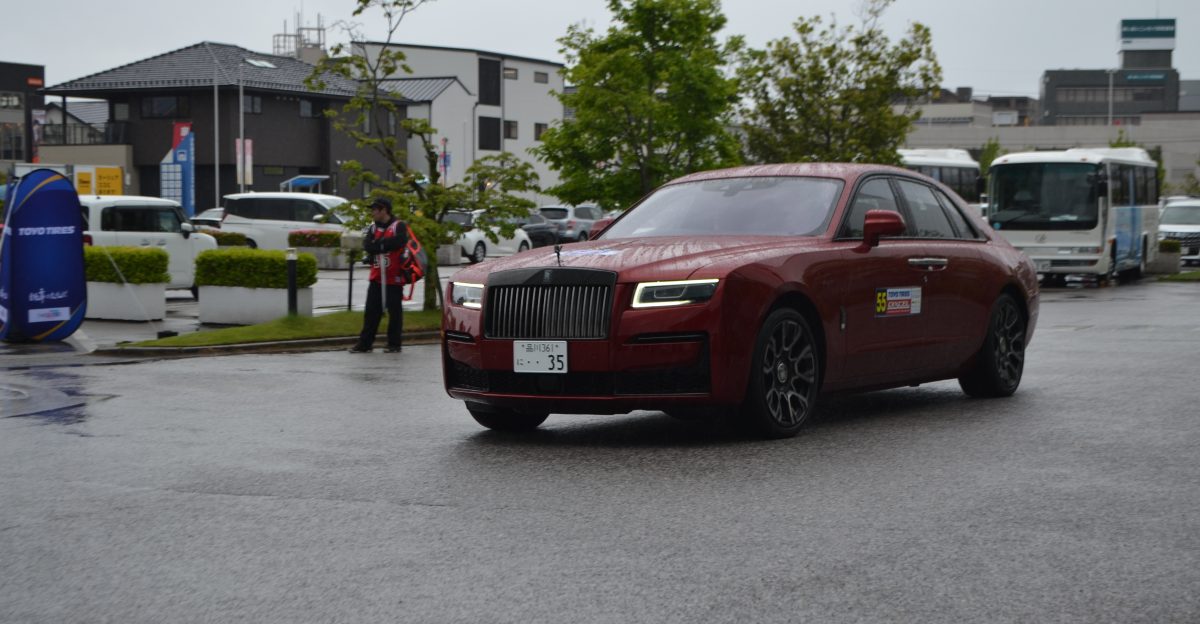
The next steps are already visible. More hybrids will appear. Limited-edition combustion models will be labeled as “heritage” releases. Softer language will enter every investor meeting. Rolls-Royce messaging will likely grow intentionally vague through 2030 and beyond.
Suppliers and companies that counted on a firm switch to EVs are reworking their plans. The infrastructure remains incomplete. Buyer attitudes hold steady. Each month without a firm deadline increases the likelihood of further delay.
Icon Status Remains Unproven
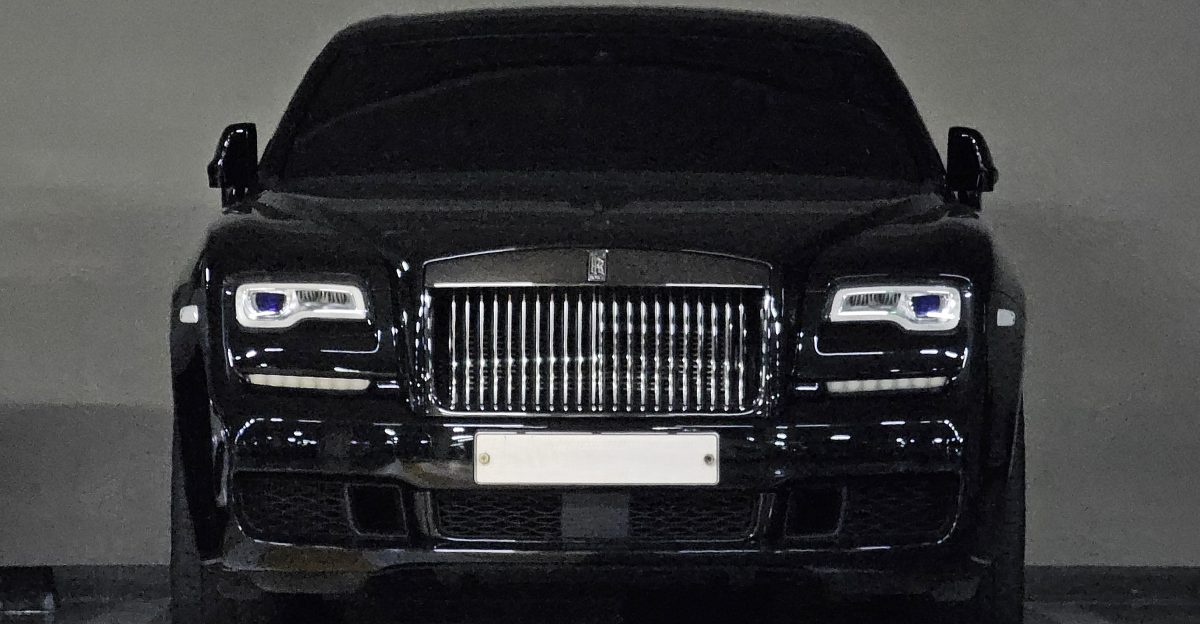
Rolls-Royce could still change the story. The electric car could become the new symbol of luxury, with silence as refinement, instant power as exclusivity, and technology as status. This approach demands proof that engine drama can be replaced with something equally special. No one has established that shift yet.
Luxury has never centered on the latest tech. Luxury centers on identity. Identity does not fit on a spec sheet.
Sources:
The Times — “Rolls-Royce scraps 2030 all-electric target” — March 18, 2026
BMWBlog — “Rolls-Royce Global Sales 2025: Winners And Losers” — March 14, 2026
Jalopnik — “Rolls-Royce Walks Back All-Electric Plan Because Some Customers Want A Worse Car” — March 18, 2026
BM Magazine — “Rolls-Royce scraps 2030 all-electric target as demand softens” — March 17, 2026
BMWBlog — “BMW Will Make V12 Engines Beyond 2030” — March 19, 2026