Self‑Driving Fleets Top 145 Million Miles As Traffic Surge Threatens To Overcrowd U.S. Roads
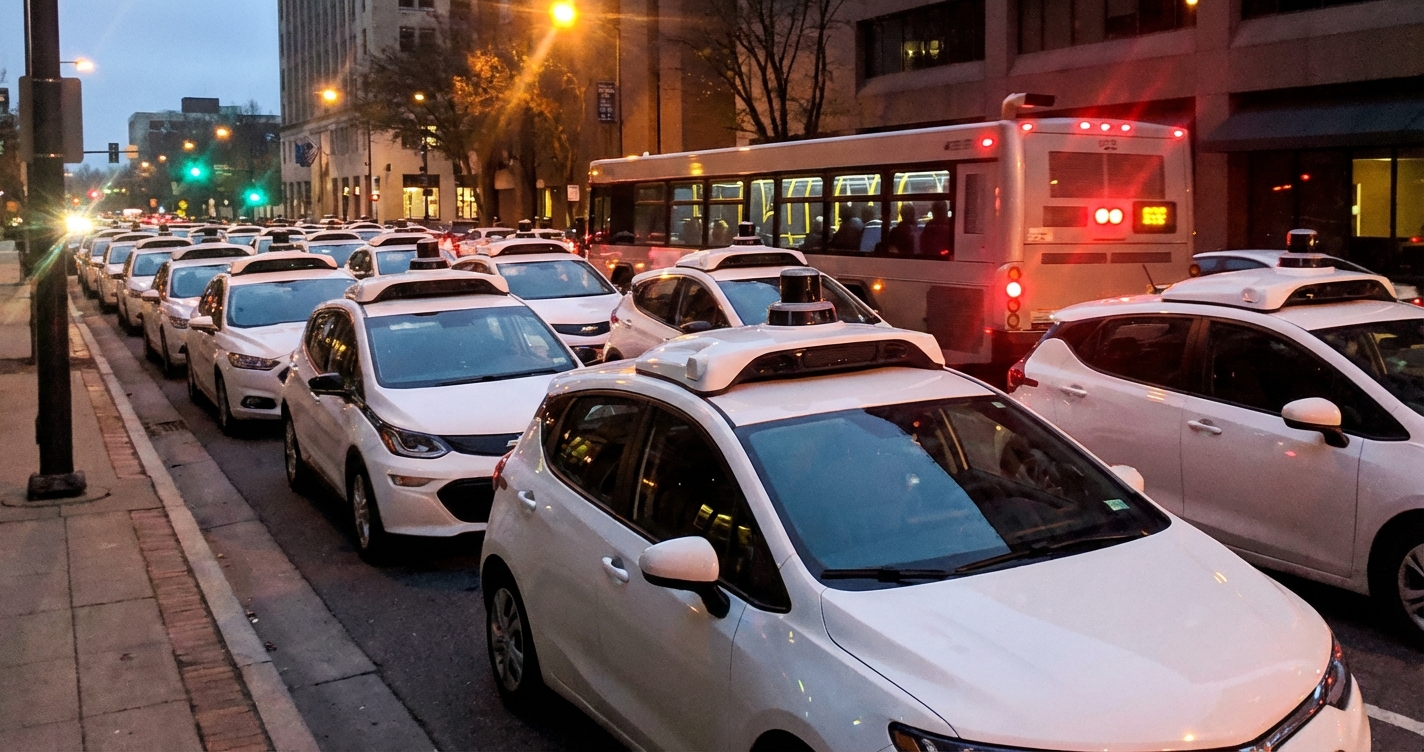
A new Bloomberg report warns that self-driving robotaxi fleets are poised to flood city streets, potentially worsening congestion rather than easing it. The article, “Here Comes the Self-Driving Traffic Surge,” says autonomous vehicles from companies like Waymo and Zoox could trigger an increase in car usage that clogs urban arteries. Cities should brace for a surge of driverless trips that add to already strained road networks. Without intervention, the promise of convenient, on-demand rides may backfire, turning avenues into lingering queues of empty or low-occupancy AVs searching for fares.
The Promise Versus the Reality
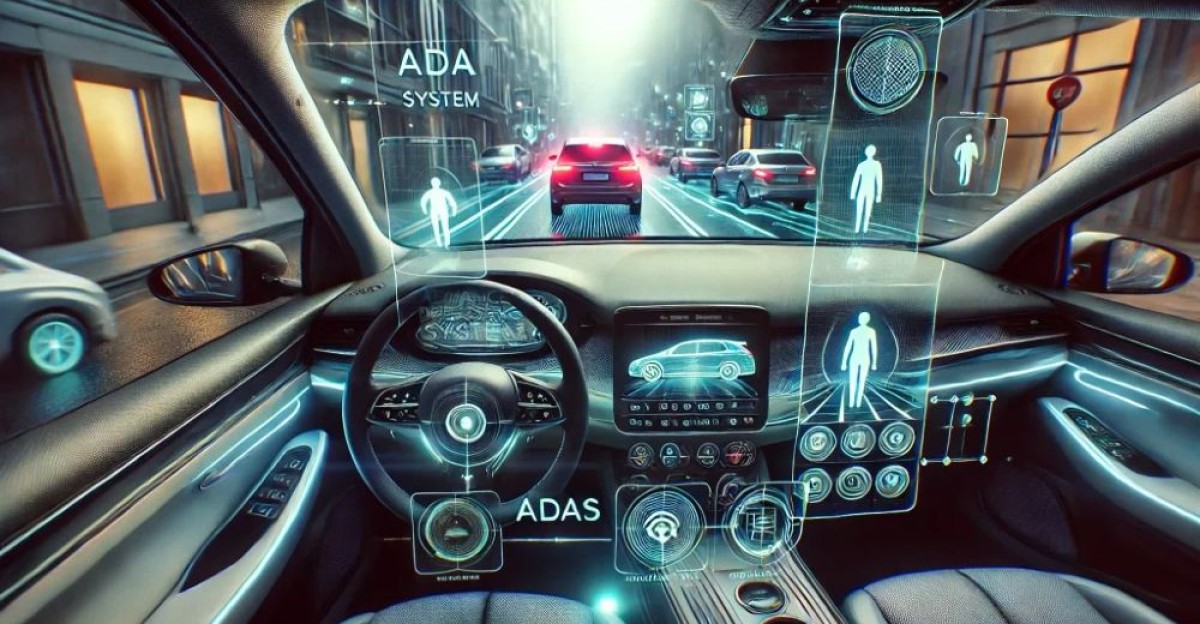
While manufacturers tout self-driving cars as a solution to traffic woes, research indicates the opposite effect. A study published in Travel Behaviour and Society found that automated vehicles in U.S. cities raise total vehicle miles traveled (VMT) by about six percent, counteracting early hopes that AVs would cut driving. This increase occurs regardless of whether the AV carries passengers or travels empty, pointing to systemic behavioral shifts rather than mere technology glitches. The findings challenge the narrative that autonomy alone will decongest roads.
Deadheading Adds Unnecessary Miles
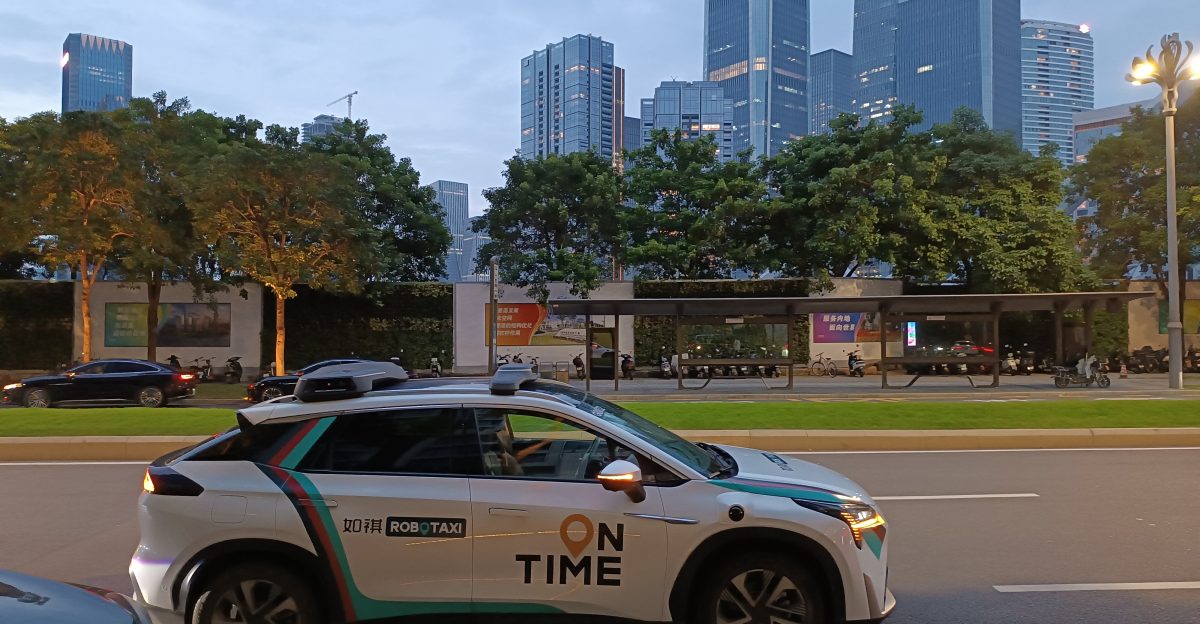
One major contributor to the VMT rise is “deadheading,” where robotaxis drive without passengers between trips, while searching for parking, or returning to depots. According to The Driverless Digest, deadhead miles made up nearly half of Waymo’s total travel in San Francisco during 2025. These empty miles add to street congestion without providing any mobility benefit, effectively putting more vehicles on the road for the same number of rider journeys. The phenomenon illustrates how operational inefficiencies can undermine the environmental and traffic-reduction goals of autonomous fleets.
Induced Demand from Pleasant Rides
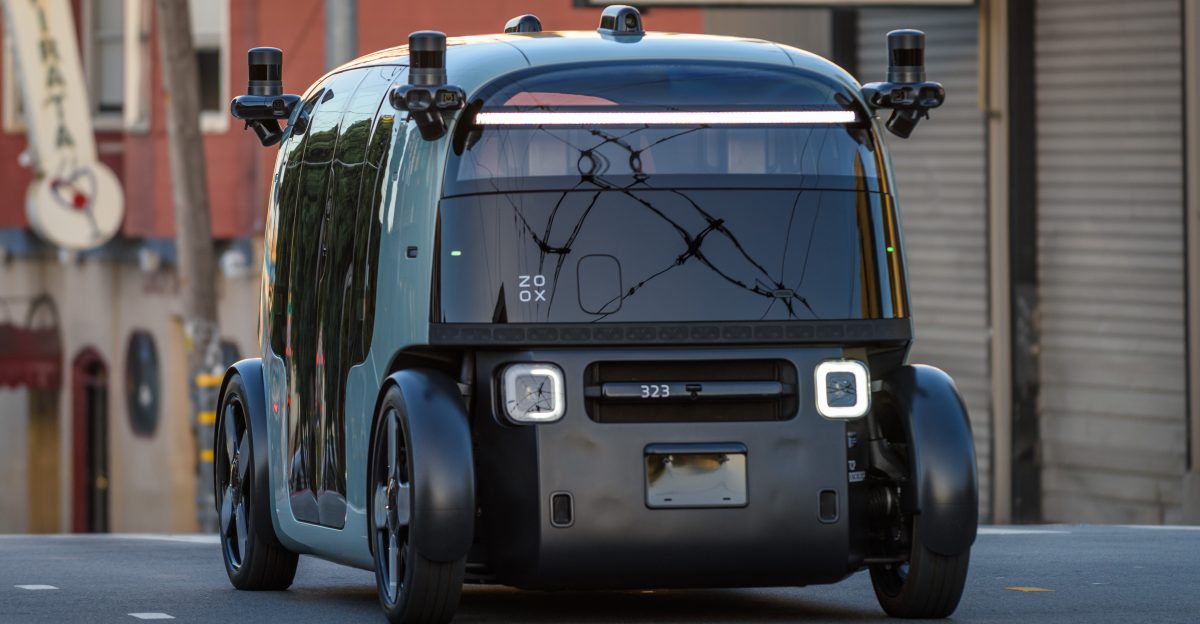
The very comfort and reliability that make AVs attractive can stimulate extra travel. As noted by MIT Mobility Initiative Senior Fellow David Zipper, “AVs’ upsides will increase total car use” because people who previously chose transit, biking, or walking may opt for a private, stress-free ride when driverless cars become widely available. This shift from higher-occupancy modes to low-occupancy AV trips adds vehicles to the road network, effectively inducing demand that outweighs any per-mile efficiency gains. The result is more cars, not fewer, on already crowded streets.
Urban Gridlock Risk When Capacity Is Exhausted
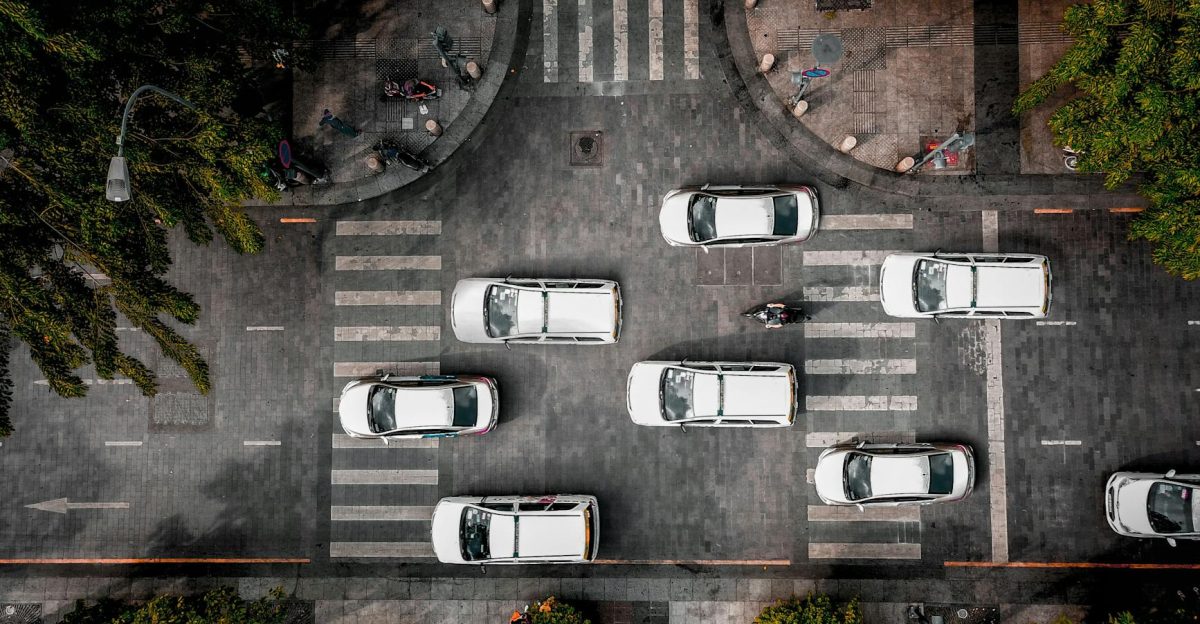
When city streets already operate near capacity, injecting additional AV trips can push traffic beyond its breaking point. Zipper warns that “when streets and highways are already at capacity, adding AVs will bring traffic to a standstill,” and building new lanes is rarely feasible in dense downtown cores. The influx of vehicles, both occupied and empty, could therefore transform manageable congestion into chronic gridlock, delaying commuters, increasing fuel consumption, and degrading air quality. Urban planners must anticipate this tipping point before scaling robotaxi deployments.
Policy Tools to Mitigate the Surge

To avert worst-case outcomes, cities may need to adopt demand-management measures such as congestion pricing or dedicated managed lanes for high-occupancy vehicles. These tools can force both AV operators and passengers to internalize the delay costs they impose on others, encouraging shared trips or travel during off-peak hours. By making road use more expensive during peak times, municipalities can discourage unnecessary AV miles while preserving the technology’s safety and accessibility benefits. Effective pricing strategies are thus essential to balance innovation with livable streets.
Expert Warning on Unchecked Growth

David Zipper succinctly captures the core dilemma: “Managed lanes and congestion pricing can force AV companies and customers to consider the slowdowns they impose on everyone else.” Without such safeguards, the lure of cheap, comfortable robotaxi rides could lead to a vicious cycle where increased VMT begets more congestion, which in turn prompts yet more travelers to seek the perceived refuge of private AV trips. The warning underscores that technology alone cannot solve urban mobility challenges; governance and pricing must evolve in tandem.
Research Insights on Empty Travel

The Travel Behaviour and Society study offers a concise explanation: “Non-shared AVs may contribute to increased VMT as they often travel empty between trips, search for parking, or return home after dropping off passengers.” This observation highlights that even when AVs carry passengers, a substantial portion of their mileage stems from logistical necessities rather than actual passenger movement. Addressing deadhead miles through better fleet coordination, centralized parking, or dynamic routing could mitigate some of the induced traffic increase.
Broader Implications for Cities and Commuters
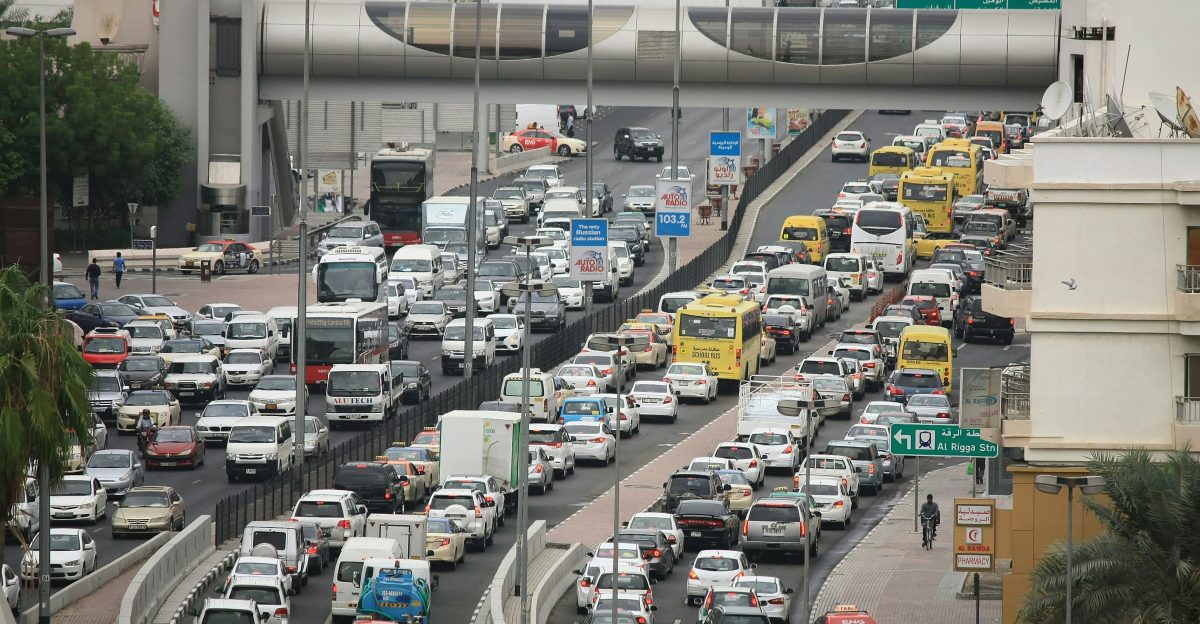
Beyond longer traffic jams, the anticipated rise in AV mileage may erode productivity, worsen unpredictable commute times, and accelerate wear-and-tear on road infrastructure. As noted in the same research, “long-term, the effects on commuters may even impact local job markets, resulting in lower productivity overall.” Environmental gains from electric AVs could also be offset by extra miles driven, narrowing the net benefit. Cities must weigh these trade-offs when embracing autonomous mobility.
Outlook: Planning Ahead to Avoid Gridlock
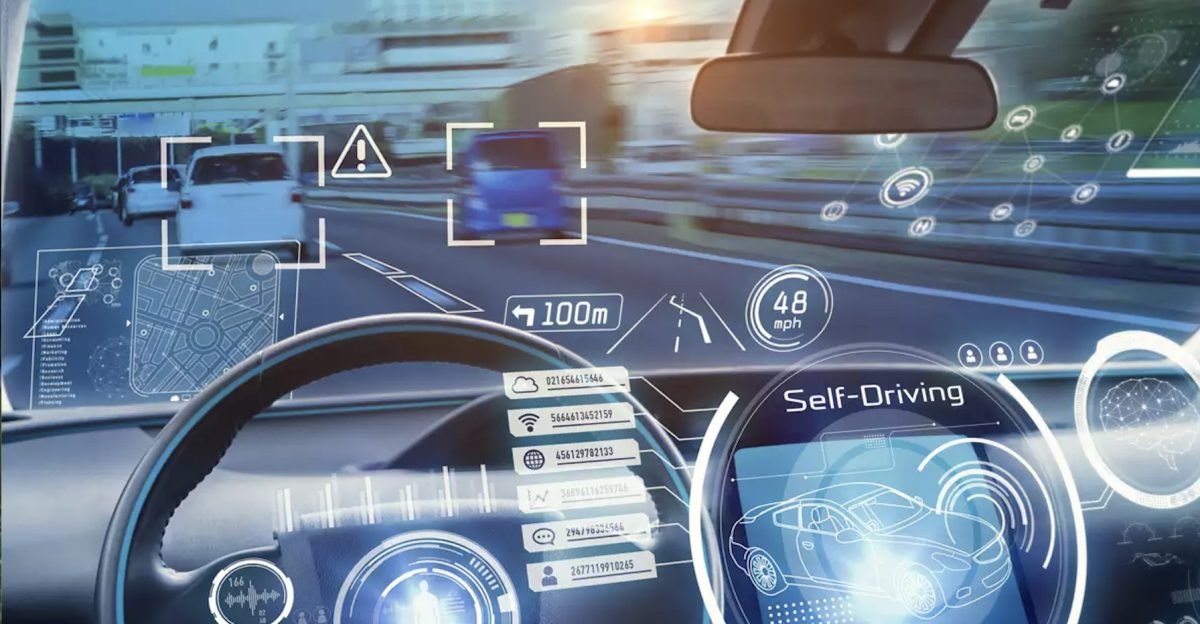
The futuristic vision of seamless, driverless travel remains attainable, but only if municipalities act decisively. As the Futurism summary cautions, “without some thoughtful municipal planning, we could soon find ourselves trapped in an endless labyrinth of gridlock.” Proactive measures such as curbing empty miles, encouraging shared rides, and implementing congestion pricing are essential to ensure that robotaxi fleets enhance, rather than undermine, urban life. The coming years will test whether cities can steer the technology toward true public-good outcomes.
Sources
“Here Comes the Self-Driving Traffic Surge.” Bloomberg CityLab, David Zipper, March 18, 2026.
“Potential Effects of Automated Driving on Vehicle Travel Demand.” Travel Behaviour and Society, peer-reviewed study, 2024.
“How Waymo Spends Its Time Between Trips.” The Driverless Digest, December 2025.
“AV Industry Passes 145 Million Autonomous Miles.” Autonomous Vehicle Industry Association (AVIA), State of the AV Industry Report, 2025.
“Self-Driving Cars Slated to Clog Roads With Horrendous Congestion.” Futurism, March 19, 2026.