
Volvo Kills $35K Car In U.S. After 2 Years As Tariffs Inflate Prices Past $41,740
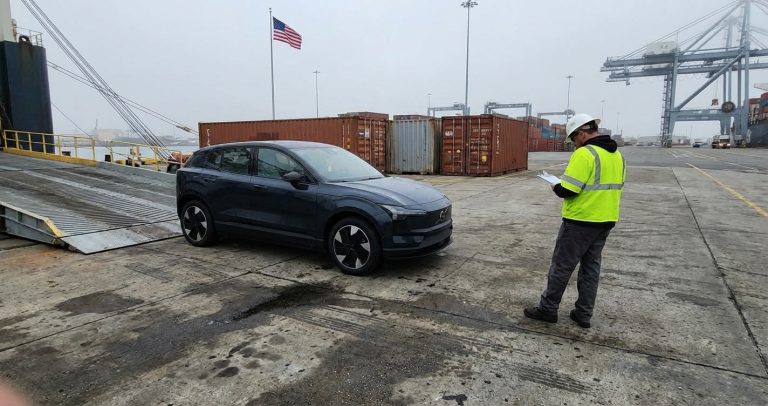
Volvo pulled its $35,000 EX30 from the U.S. market in earlier this month after tariffs and policy changes pushed its price past $41,740, abruptly ending one of the most anticipated affordable EV launches.
The decision lands at a moment when many American buyers were finally preparing to switch to electric vehicles, drawn by lower entry prices and compact designs. Instead, shifting trade rules, a 100% tariff on China-built EVs, and the removal of the $7,500 federal tax credit in September 2025 reshaped the landscape. What seemed like a single cancellation now signals a broader shift in which policy, not demand, decides what cars reach U.S. roads.
Tariffs Built A Two-Wall Barrier
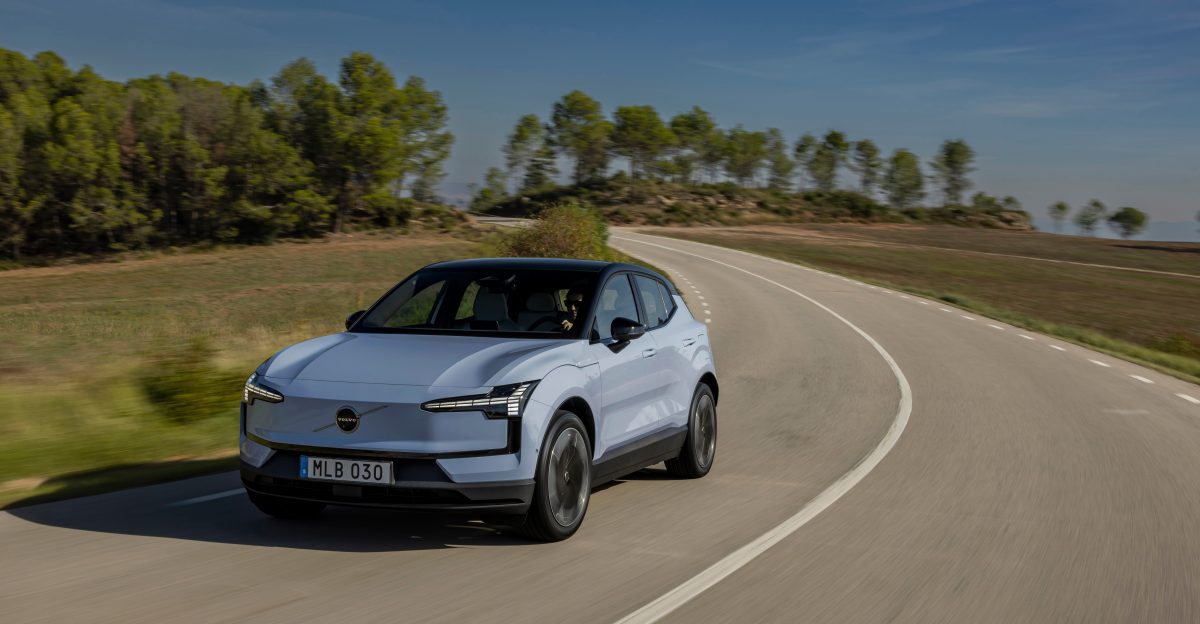
Two policy moves reshaped the EX30’s fate. On May 2024, the White House imposed a 100% tariff on China-built EVs, doubling their import cost. A second layer followed with a 25% tariff on all imported vehicles, including those built in Belgium. At the same time, the $7,500 clean vehicle credit tied to sourcing rules disappeared in September 2025. The EX30 moved production from China to Belgium, but still faced tariffs. Costs stacked quickly, leaving one unavoidable outcome. The price shift that followed made the decision impossible to ignore.
From $35K To $41,740 Reality
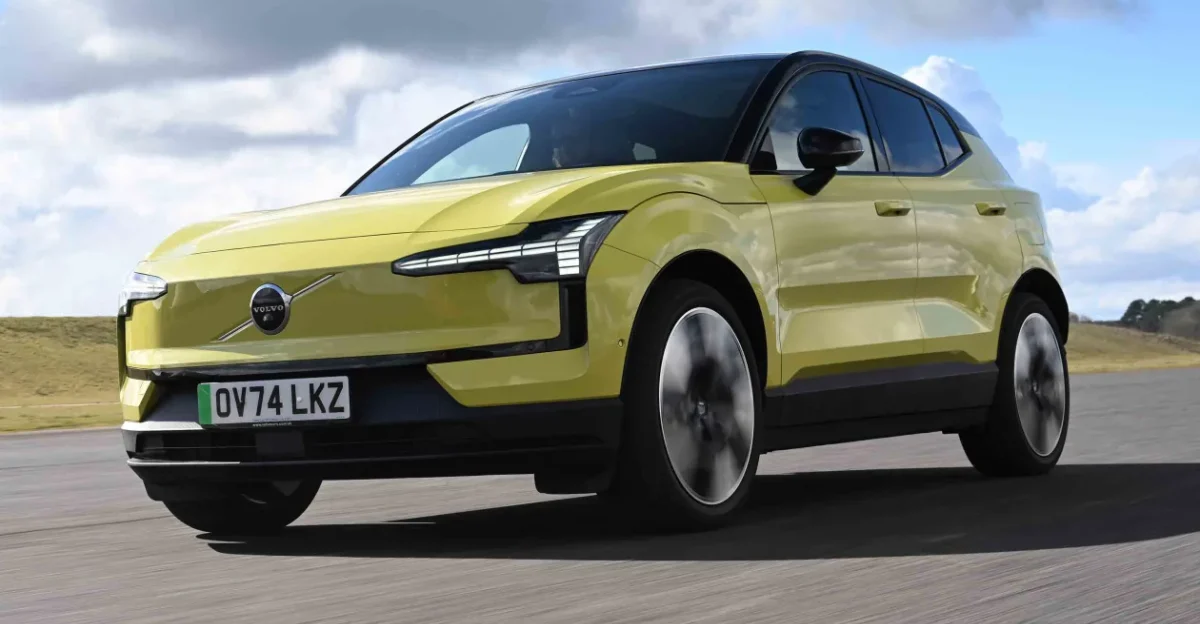
The EX30 launched with a target price near $35,000, designed to attract budget-conscious EV buyers. Tariffs pushed that figure far higher, with estimates rising past $41,740 once import costs were applied. That increase erased its competitive edge in a price-sensitive segment. Buyers who planned their budgets around an affordable EV suddenly faced a different equation. The gap between expectation and reality widened fast. A vehicle meant to expand access ended up priced out of reach. For many shoppers, the change raised a pressing question about what options remain.
Belgium Production Could Not Save It
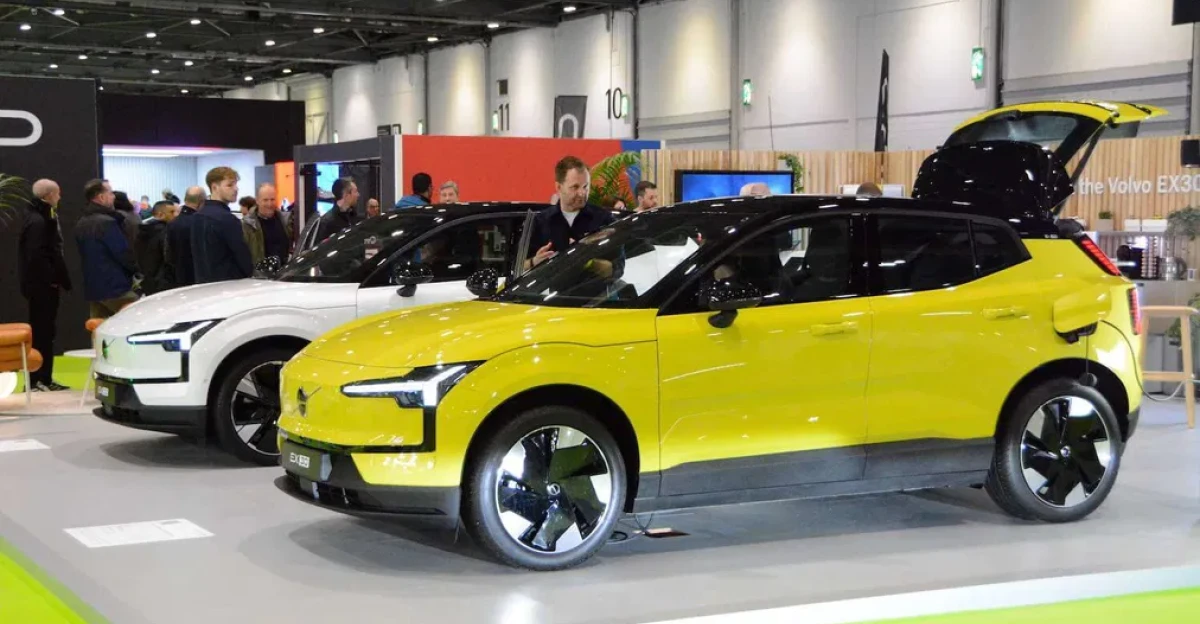
Volvo attempted to work around tariffs by shifting EX30 production to Ghent, Belgium. Reuters reported the plan in October 2024, with production beginning in April 2025. The goal was clear: avoid the 100% tariff tied to China-built vehicles. However, the 25% tariff on all imported cars still applied. At the same time, the federal EV credit disappeared in September 2025, removing any pricing cushion. Even with a new factory, the math stayed unfavorable. The relocation effort showed how far automakers would go, yet it still fell short.
One Cancellation Signals Industry Shift
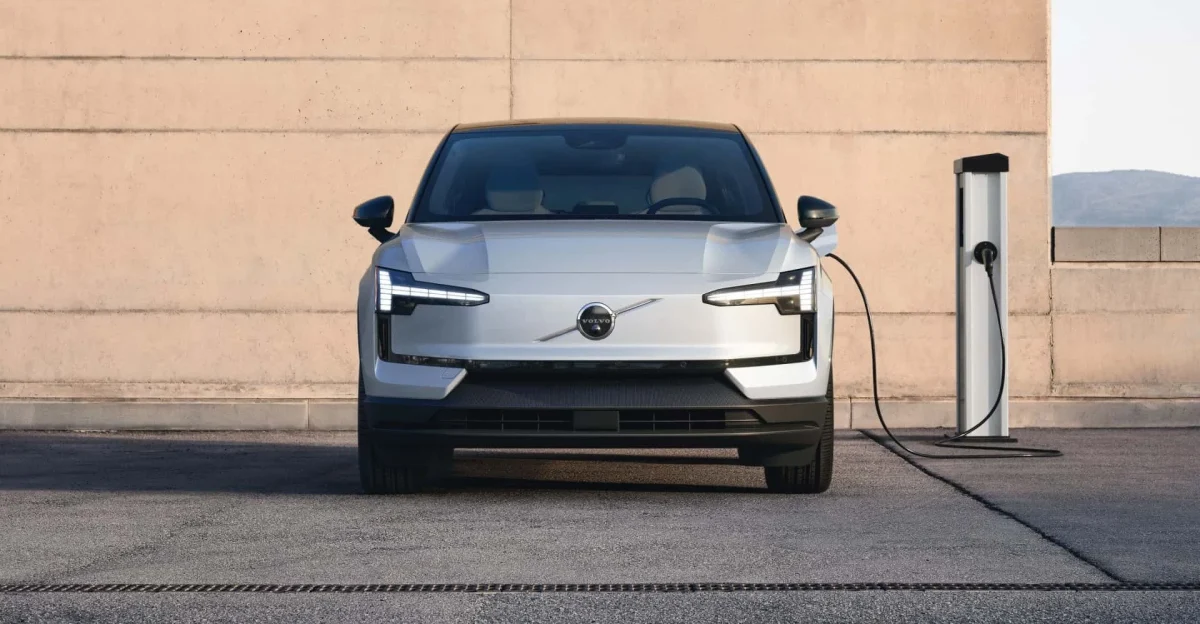
The EX30 exit may look like a single product decision, but it reflects a wider pattern across the industry. Automakers producing affordable EVs in China face the same tariff barriers and sourcing rules. Some are shifting production to Europe or North America. Others are reconsidering whether certain models should enter the U.S. at all. The idea of a global car selling everywhere no longer holds under current policy conditions. Pricing strategies now depend on geography as much as engineering. That realization is already reshaping future vehicle plans.
Policy Now Sets The Price Floor
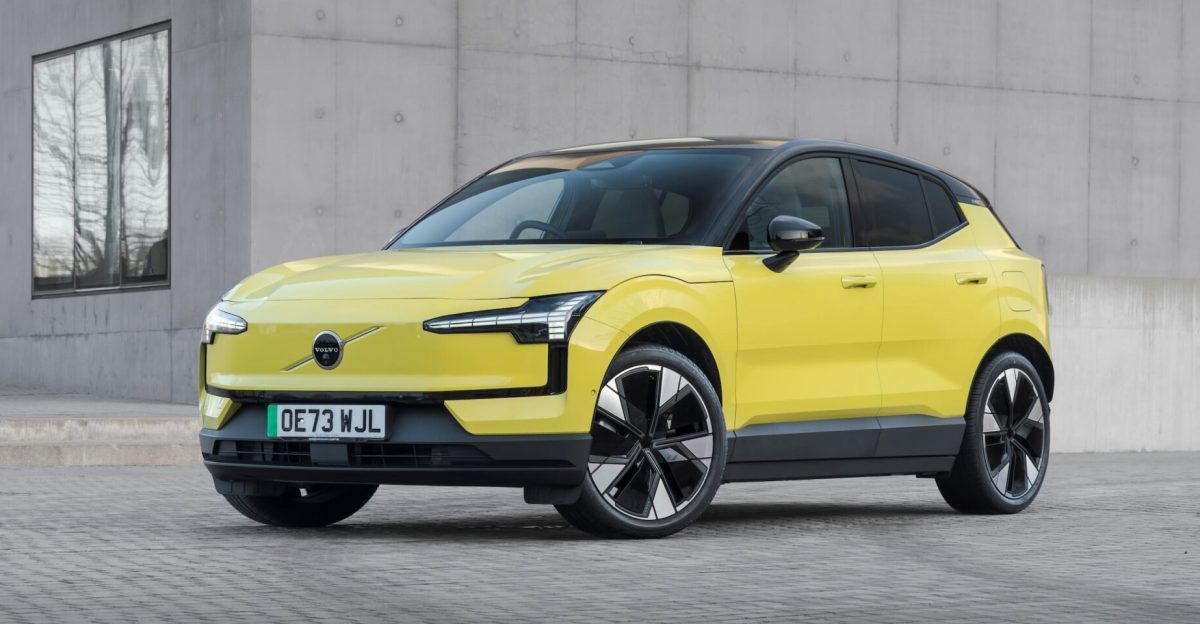
By September 2025, the removal of the federal EV tax credit left tariffs as the dominant force shaping vehicle pricing. A 100% tariff on China-built EVs and a 25% tariff on imports created a hard cost floor. Assembly location and battery sourcing still matter, but tariffs now dictate viability. If a model fails that test, its price climbs beyond competitiveness. Policy decisions in Washington now ripple directly into dealership pricing. The effect reaches buyers in every state. That connection becomes clearer when looking at who feels the impact most.
First-Time Buyers Left Without Entry Point
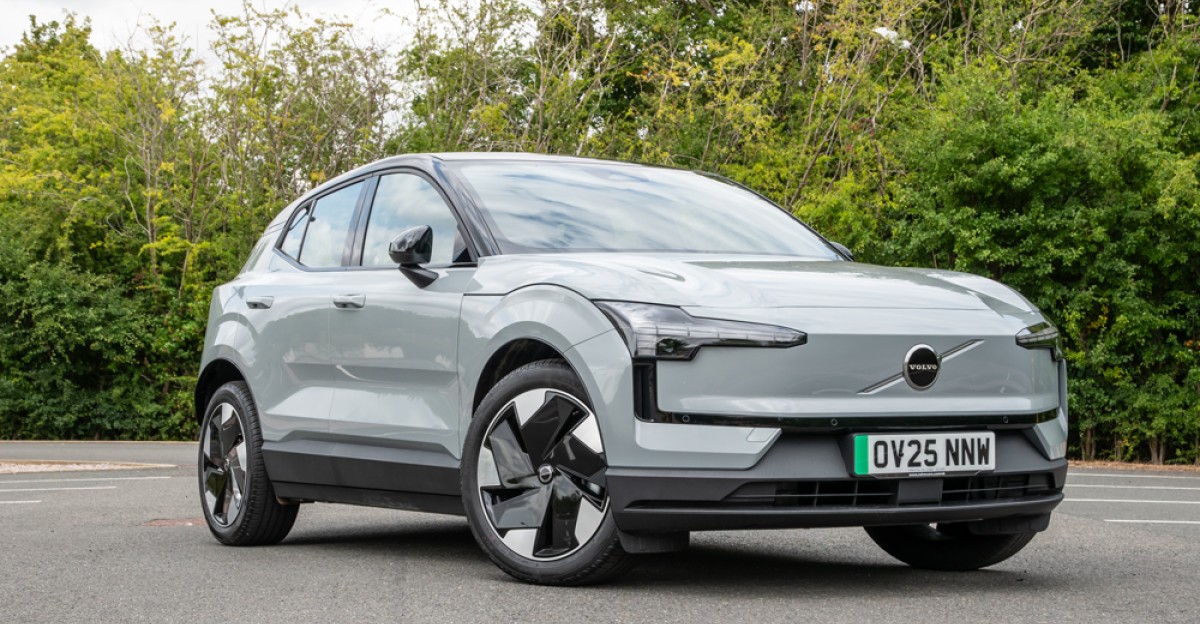
The EX30 targeted first-time EV buyers looking for a smaller, affordable SUV from a trusted brand. Its cancellation disrupted that pathway. Households that researched and budgeted for this model now face higher-priced alternatives. The removal of the $7,500 credit in September 2025 compounds the issue, eliminating a major affordability lever. For many, the shift delays or cancels plans to switch to electric vehicles. The gap at the lower end of the market continues to widen. That gap forces a closer look at how future EVs will reach buyers.
Demand No Longer Decides Availability
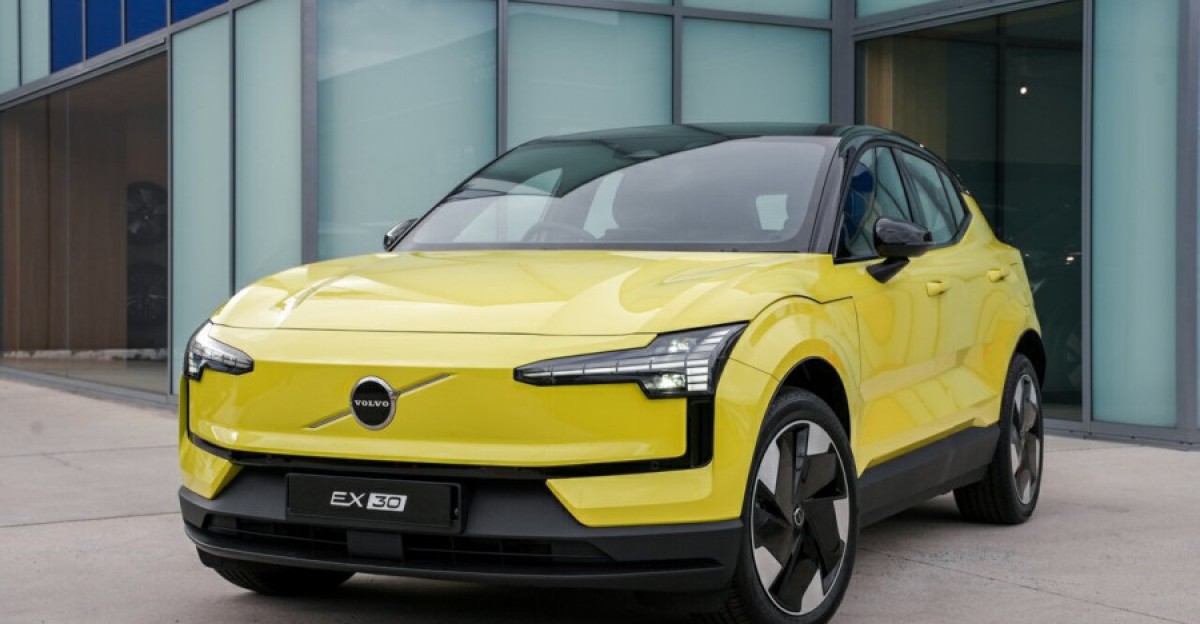
For years, the assumption held that strong consumer demand would ensure a product’s presence in the market. Current conditions challenge that belief. Trade policy, sourcing rules, and tariffs now determine whether a vehicle can be sold competitively. Automakers must evaluate compliance before considering demand. A model can attract strong interest and still fail to launch if costs exceed thresholds. This shift reframes how new EVs are evaluated before production begins. It also changes how buyers interpret announcements of upcoming models.
Winners Rise As Choices Shrink
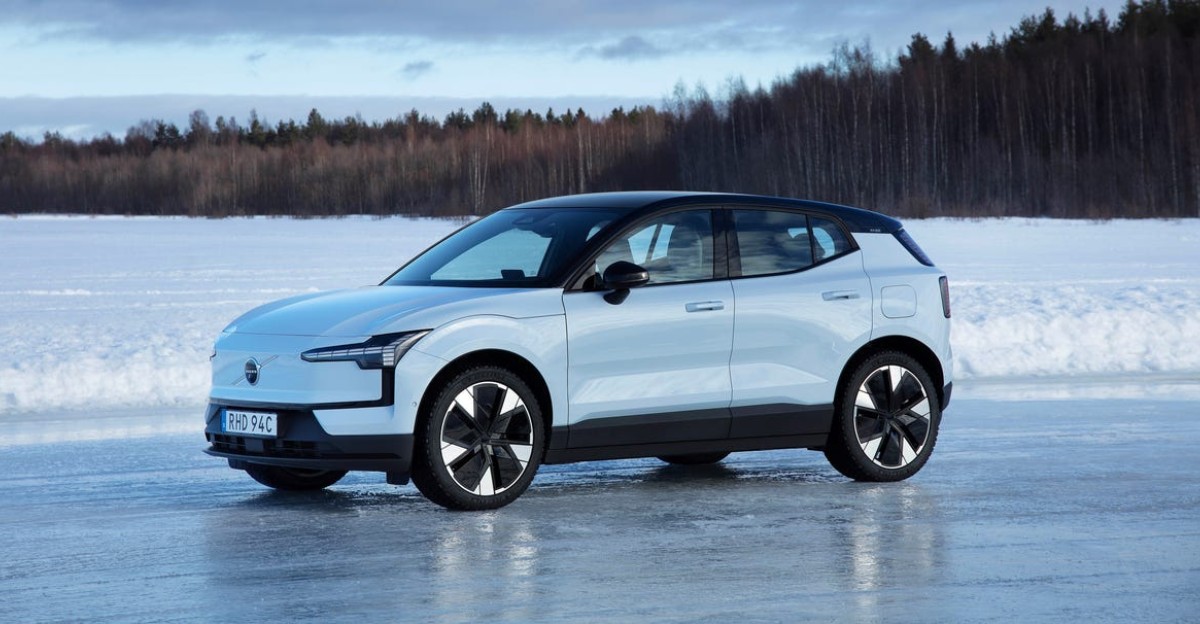
Automakers with North American production and compliant battery supply chains gain a clear advantage under current rules. They face less competition in the affordable EV segment as imported options disappear. That reduced competition can support higher transaction prices across the market. Buyers searching for lower-cost EVs encounter fewer choices and higher entry points. Adoption goals become harder to reach as affordability declines. The balance between policy goals and market reality becomes harder to ignore. The tension is already shaping decisions beyond a single model.
The System Behind The Disappearance
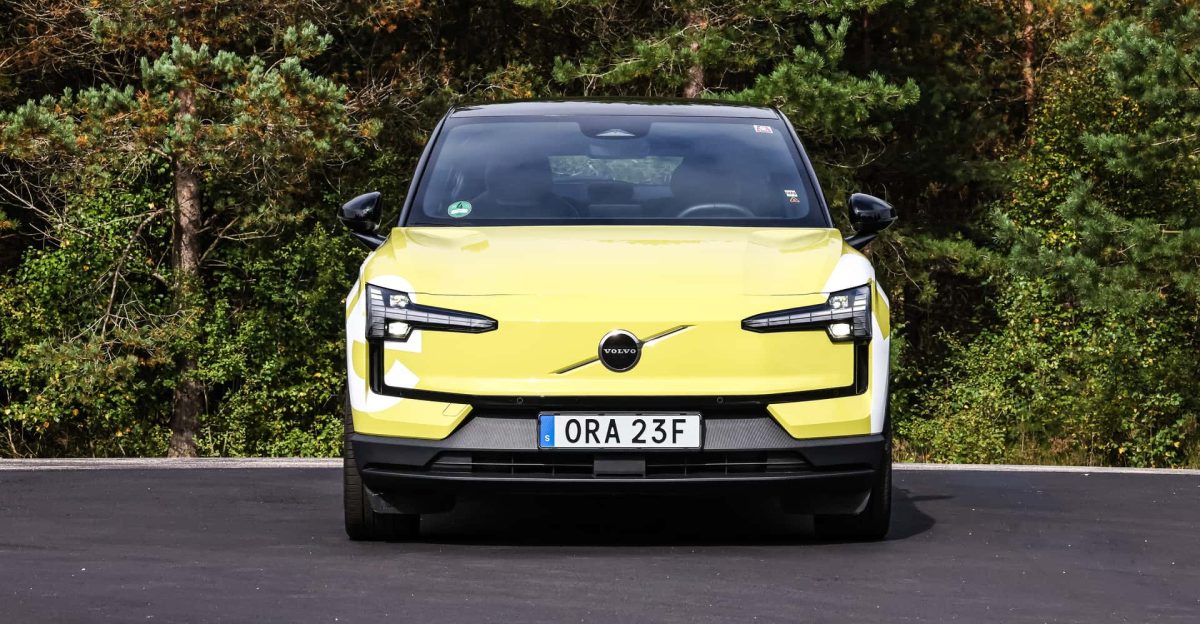
The EX30 cancellation reveals more than the loss of one vehicle. It exposes a system where trade rules, tariffs, and incentives determine what reaches the market. Automakers are now racing to localize production and secure compliant supply chains, a process that can take years. Some models will adapt. Others will never reach U.S. showrooms because the economics fail early. The visible cancellation is only part of the story. A larger wave of unseen decisions is already in motion, shaping what drivers will and will not be able to buy next.
Sources:
Report: The 2026 Volvo EX30 is Dead for the U.S. Market. MotorTrend, March 15, 2026
Volvo is pulling the plug on its entry-level EV in the US. Business Insider, March 15, 2026
US announces higher China tariffs, including 100% for EVs. DW, May 13, 2024
Trump megabill axes $7500 EV tax credit after September. CNBC, July 1, 2025
Volvo shifting EV production to Belgium to avoid China tariffs. Reuters, June 9, 2024
The fully electric Volvo EX30 is now Made in Belgium. Volvo Cars, April 27, 2025
2025 Volvo EX30 starts US deliveries, $36,245 base version arrives later. Motor Authority, January 23, 2025