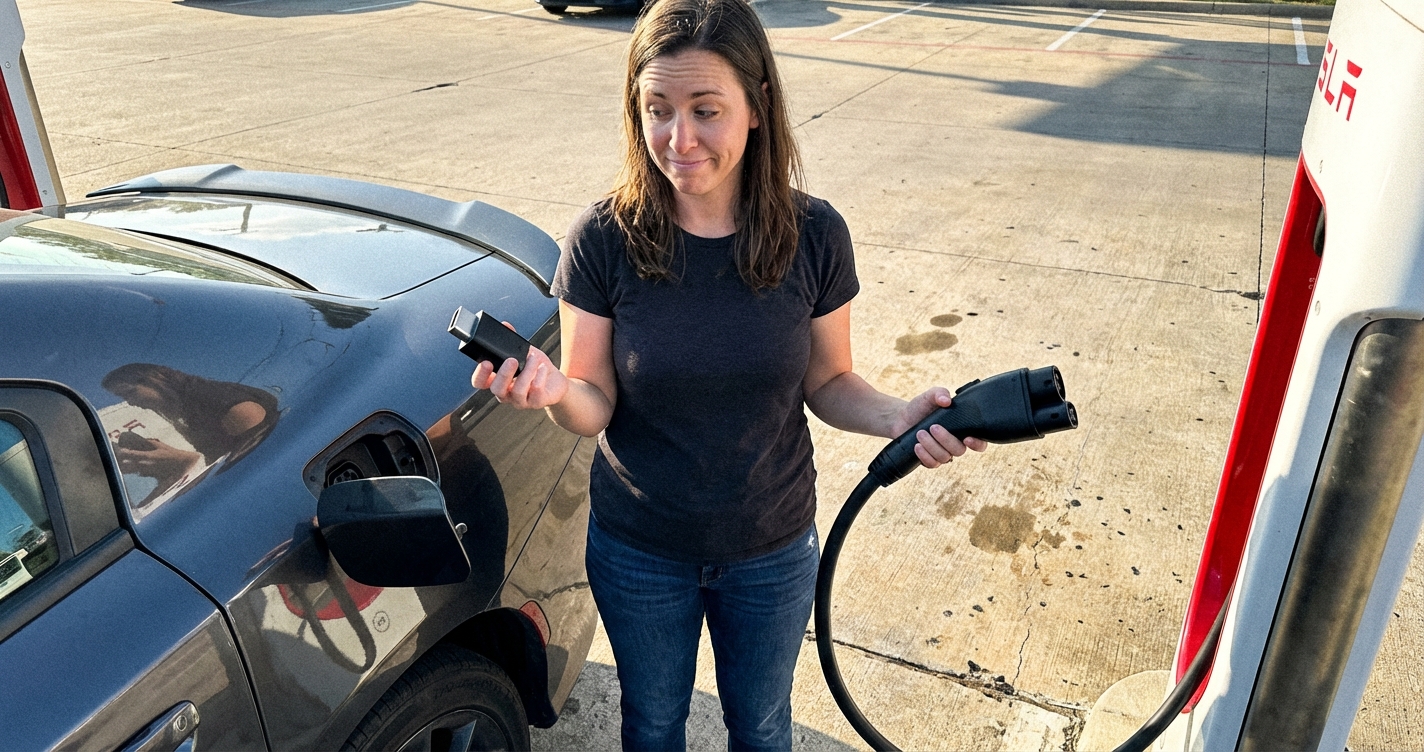
Stellantis EVs Tap Tesla Superchargers As North America’s Biggest Network Goes Shared
Tesla’s once-exclusive Supercharger network officially opened to Stellantis electric vehicles on March 19, 2026, giving Jeep, Ram, and Dodge drivers access to North America’s largest fast-charging system and accelerating the industry’s shift toward a single standard.
For years, charging access shaped how and where EV owners could travel, often limiting confidence in long-distance driving. Now, that barrier is rapidly disappearing as major automakers align around Tesla’s infrastructure. Stellantis, one of the last large holdouts, joins 21 brands already connected to the network. The result is a major expansion in charging availability, reliability, and convenience, signaling a turning point for EV adoption across the region.
The Final Automaker Joins the Shift
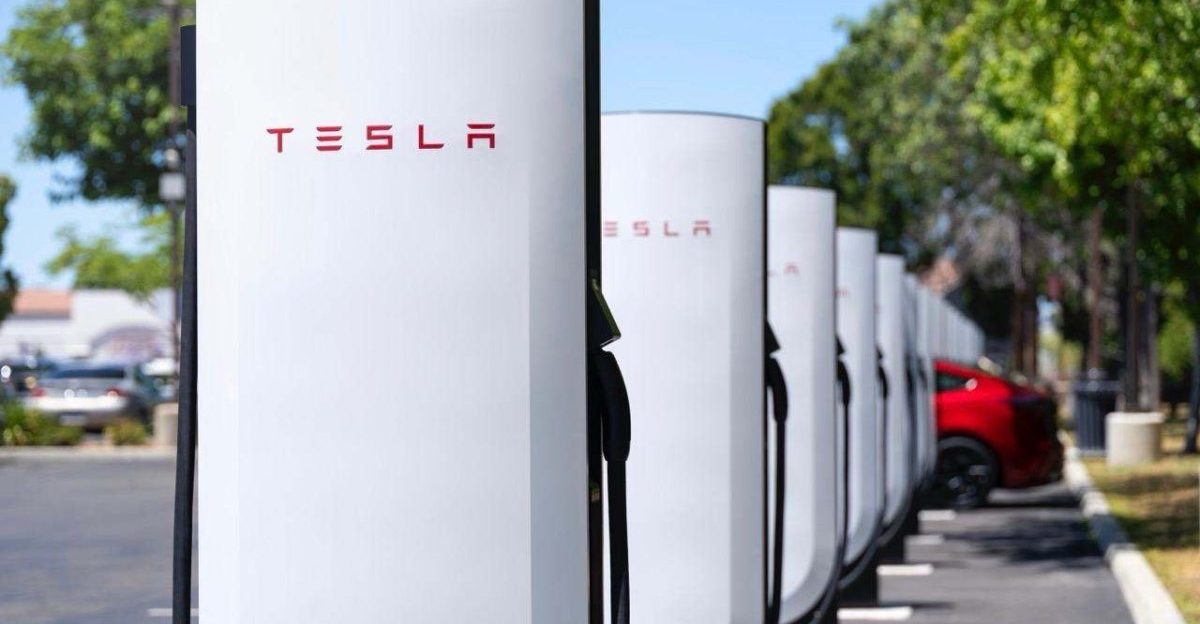
Stellantis was not the first to adopt Tesla’s charging standard, but it became one of the most significant. By beginning of this month, 21 automakers had already secured access to the Supercharger network, signaling an industry-wide pivot. Stellantis oversees brands like Chrysler, Fiat, Alfa Romeo, and Maserati, making its participation a major milestone. Ricardo Stamatti said in February 2024, “Customers win when the industry aligns on open standards. We are happy to announce our backing and adoption of the SAE J3400 connector, a milestone for all customers on the path to open and seamless charging”. Still, the momentum started earlier.
Ford And GM Sparked The Domino Effect
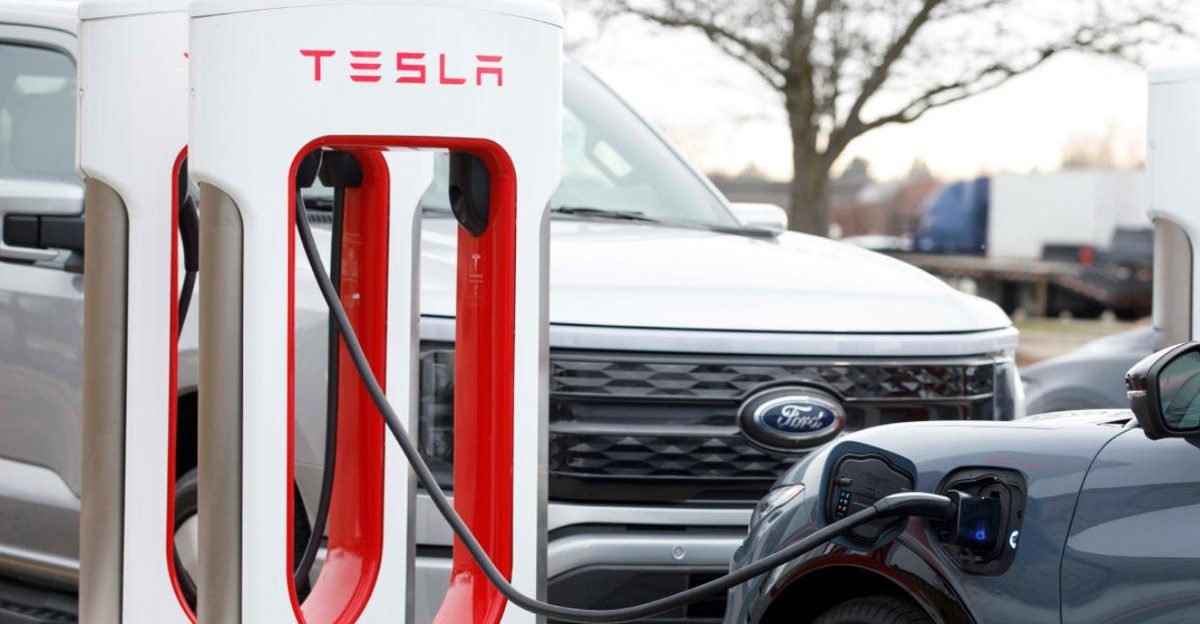
The turning point came on May 25, 2023, when Ford became the first major automaker to adopt Tesla’s charging system. General Motors followed on June 8, 2023, accelerating the shift. Within weeks, Rivian, Volvo on June 27, and Polestar on June 29 joined in. These early decisions forced the rest of the industry to respond quickly or risk leaving customers behind. What began as a bold move by two giants turned into a sweeping realignment. Yet, Stellantis waited longer than most competitors, raising questions about timing and strategy.
Tesla’s Network Becomes A Shared Utility
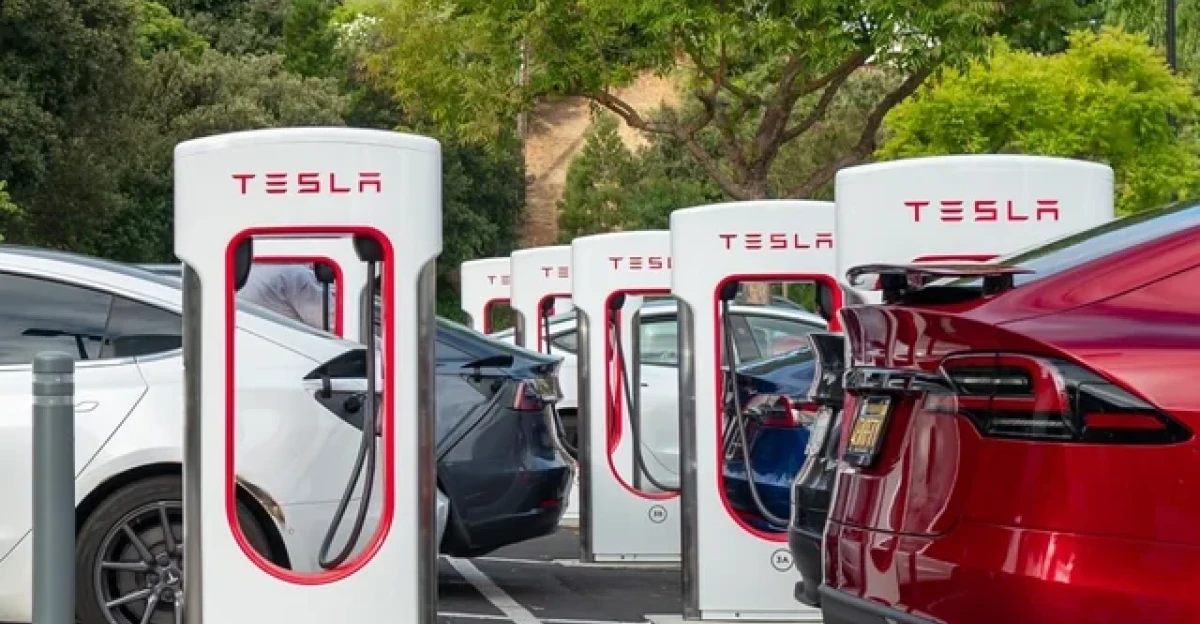
Tesla’s Supercharger system was once a powerful competitive advantage. That changed as more automakers gained access. By early 2026, the network had grown to 8,182 stations and 77,682 connectors globally, with over 39,000 in North America alone. What was once exclusive is now effectively public infrastructure. During Thanksgiving 2025, the network handled 2 million charging sessions in just 5 days, proving its scale. As adoption grows, Tesla’s role shifts from automaker to infrastructure leader. But what exactly makes this network so dominant?
Why Tesla Won The Charging War
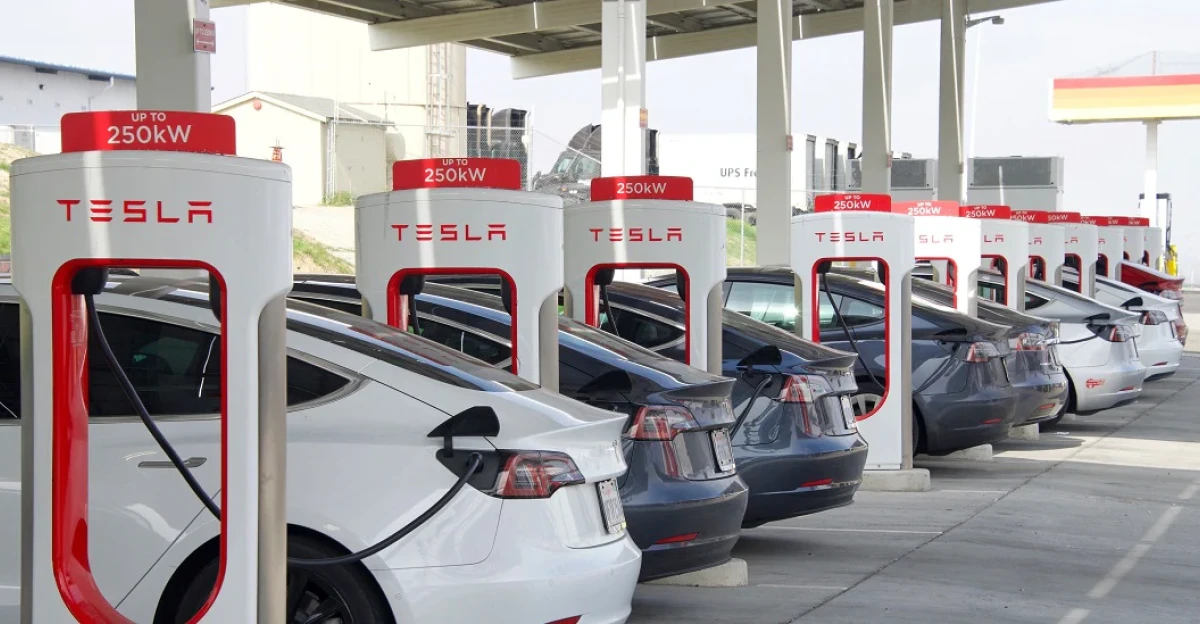
Tesla did not dominate through committees or slow consensus. It built a network drivers could trust. With reported uptime near 99.5%, Superchargers offer reliability that competitors struggled to match. Repairs often take days instead of months, reinforcing confidence among EV owners. This consistency created what analysts call infrastructure gravity, pulling automakers toward Tesla’s ecosystem. Once Ford and GM joined, others faced a simple choice: adapt or fall behind. That pressure explains why even late adopters like Stellantis ultimately aligned. But how do drivers actually use this network today?
How Stellantis Drivers Access Chargers
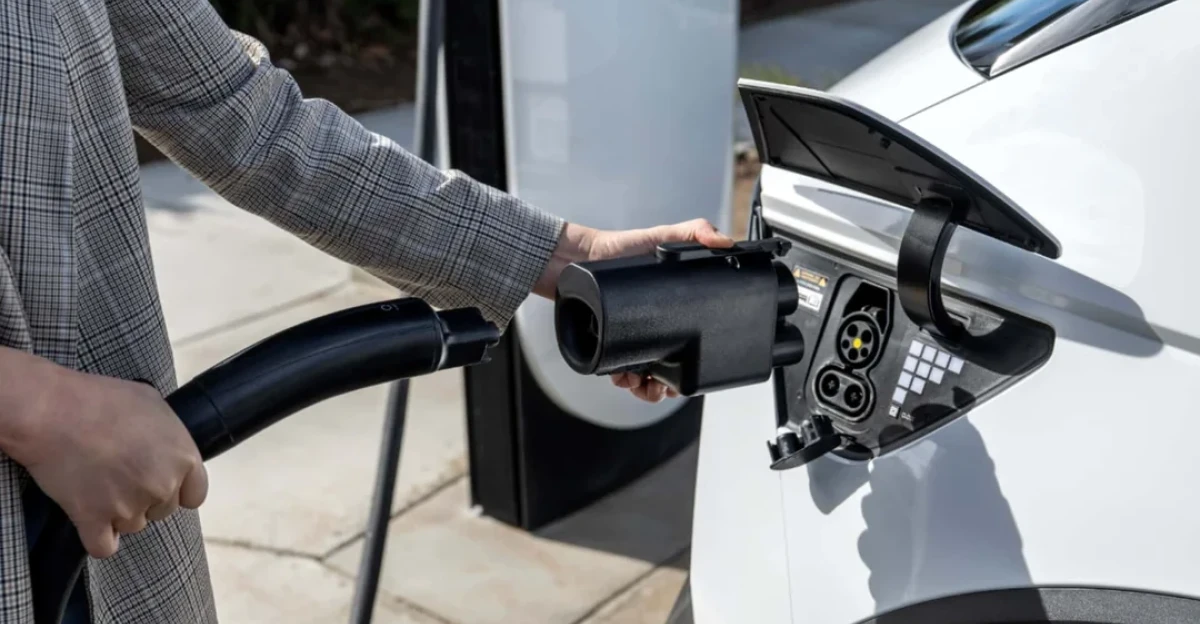
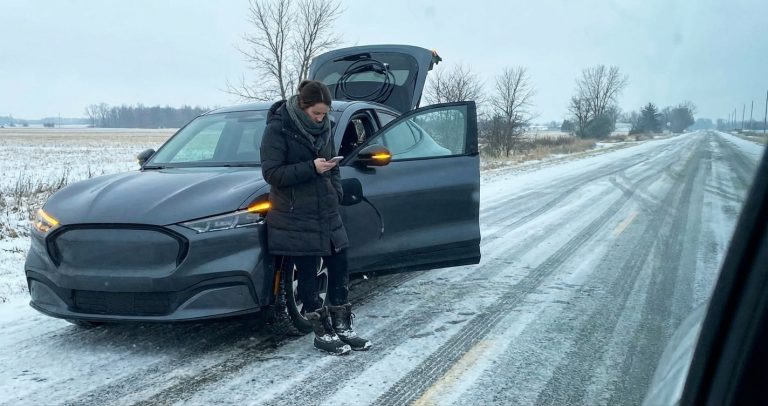
Access begins with adapters. Stellantis EV owners use CCS-to-NACS adapters to plug into Tesla stations, mirroring the approach used by Ford and GM. This allows immediate compatibility without waiting for new vehicle designs. Behind the scenes, software handles authentication, billing, and communication between vehicle and charger. These digital layers ensure a seamless experience similar to Tesla’s own system. Over time, hardware will evolve, but for now, adapters bridge the gap. Still, this transition is only the first phase of a larger shift.
Native Ports Are Coming Later
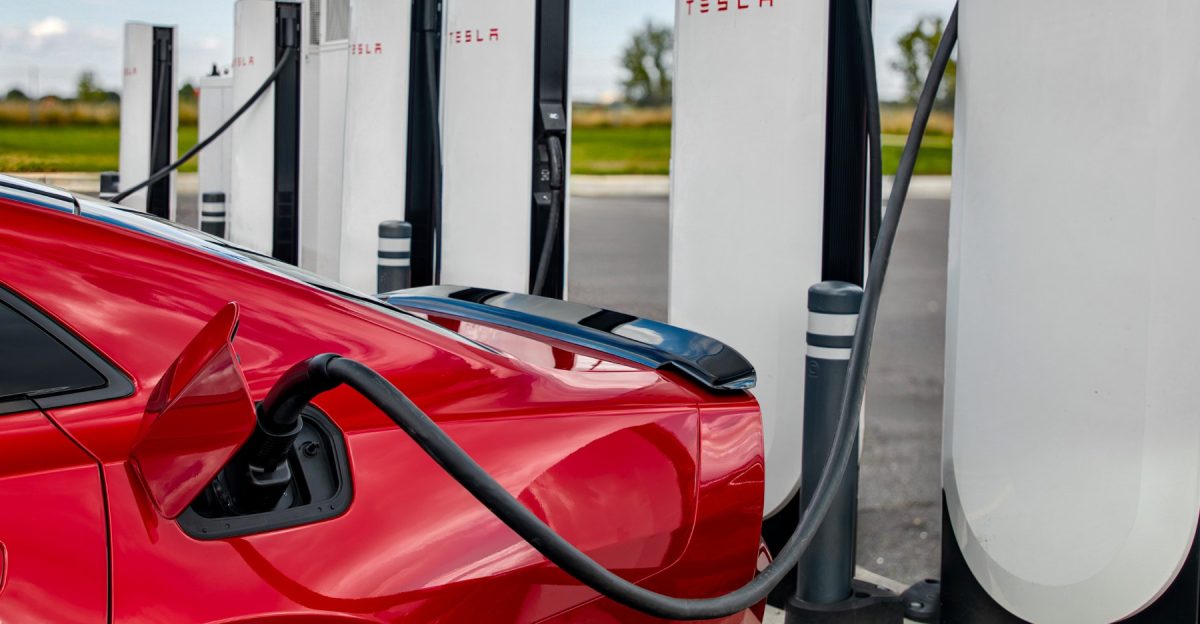
While adapters enable early access, true integration arrives with native ports. Stellantis plans to introduce factory-installed NACS connectors in future models, but not as early as initially suggested. The first confirmed vehicle is the 2027 Dodge Charger Daytona, marking a delayed but significant step. This timeline corrects earlier assumptions that native ports would arrive in 2025. Until then, adapters will remain essential for most drivers. The gradual rollout highlights how complex manufacturing changes can be. But charging access is only part of the broader impact.
A Massive Expansion In Charging Options
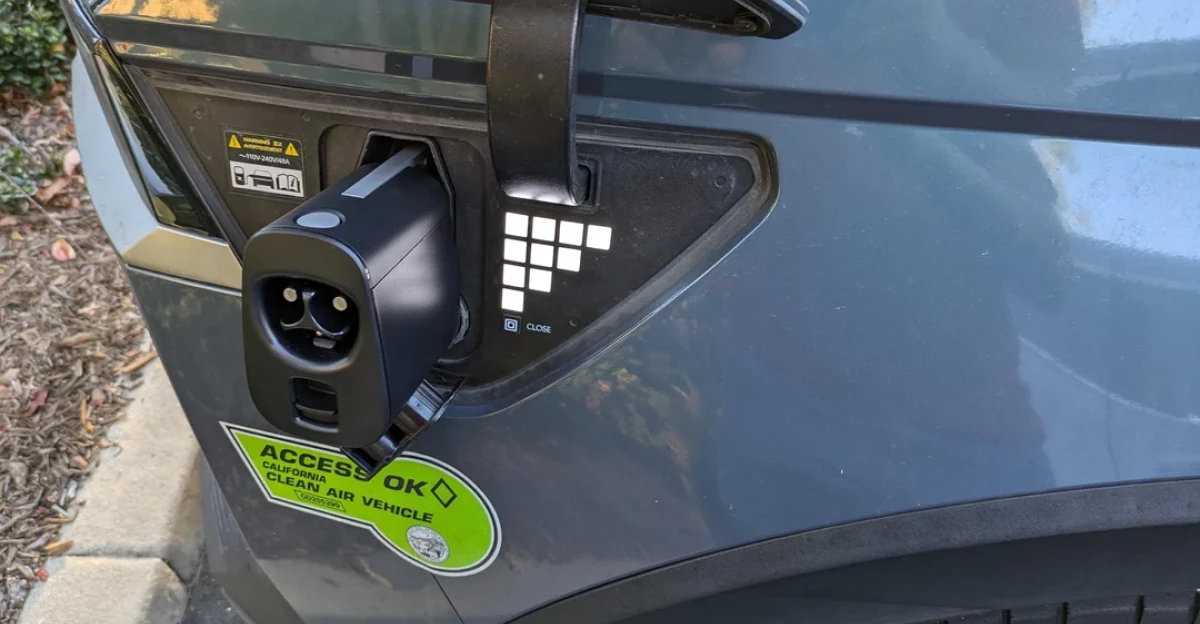
For Stellantis drivers, the benefits are immediate. Access to more than 28,000 Tesla Supercharger locations across North America dramatically expands charging availability. In many regions, this could double or even triple nearby fast-charging options. For fleet operators using vehicles like the Ram ProMaster EV, this means more predictable routes and less downtime. The network’s coverage spans highways, cities, and rural corridors, reducing range anxiety. Yet, greater access does not always mean lower costs for every driver.
The Hidden Cost Of Convenience
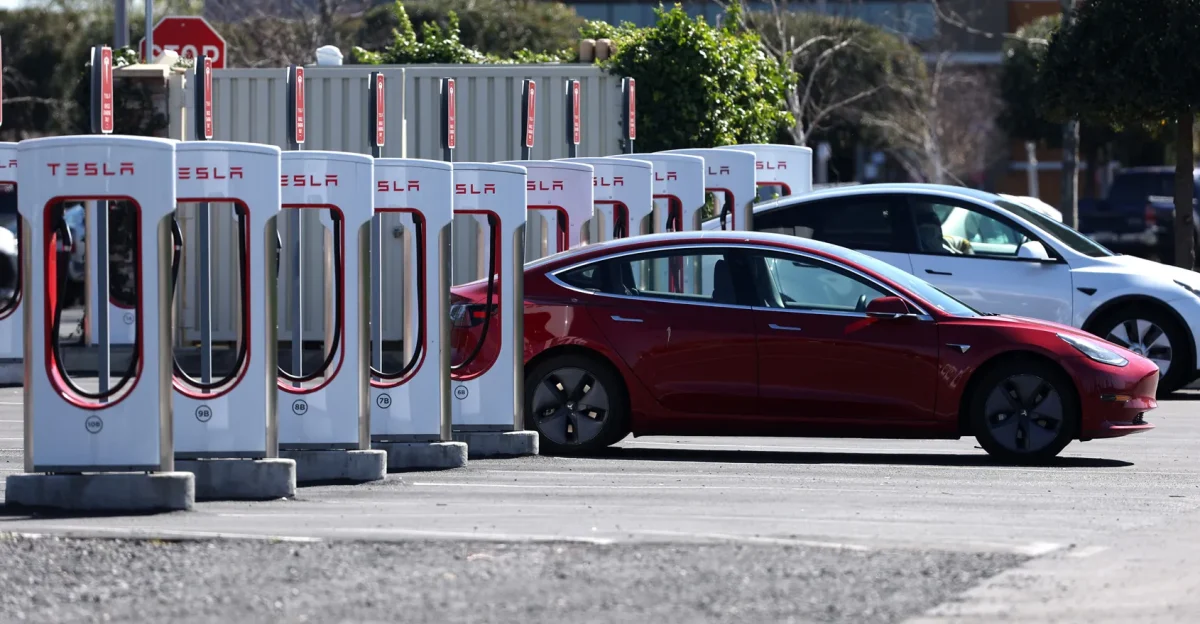
Charging on Tesla’s network may come at a premium for non-Tesla drivers. In comparable markets, pricing differences can reach 39%, with non-Tesla users paying more per kilowatt-hour. While North American pricing varies, the pattern suggests Superchargers prioritize reliability over affordability. For many drivers, the trade-off is worth it during long trips or emergencies. This pricing model also reflects Tesla’s control over its infrastructure. As more automakers join, will competition eventually bring costs down?
The Future Of Charging Is Unified
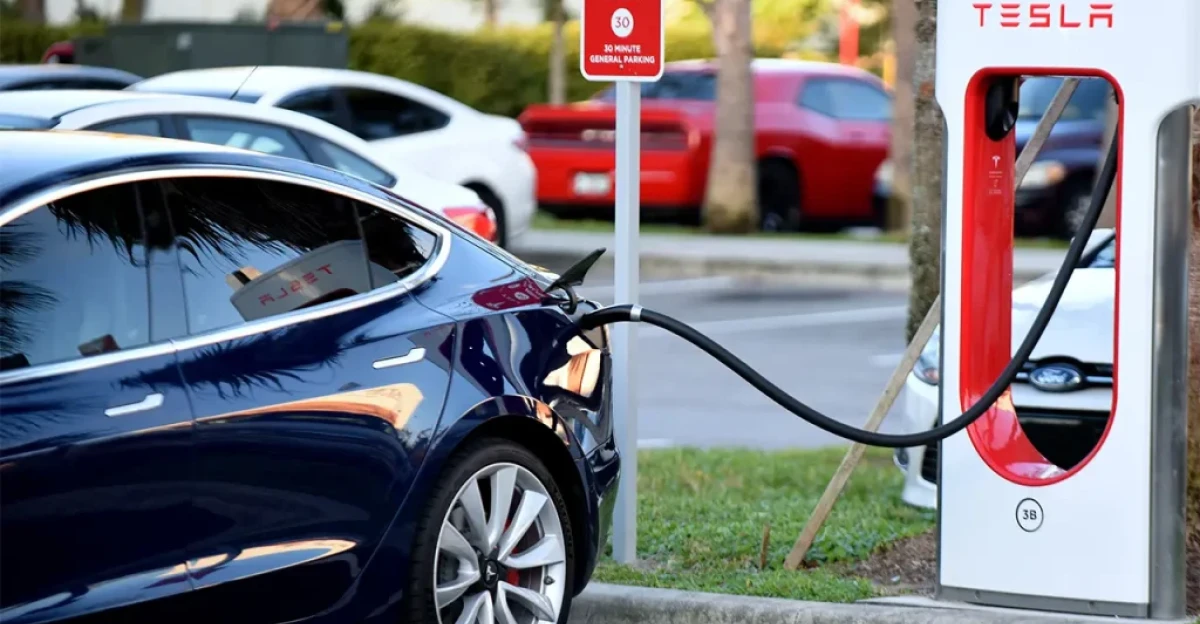
The shift toward Tesla’s SAE J3400 standard marks one of the fastest technology unifications in automotive history. In just 30 months, nearly every major automaker in North America aligned around a single connector. Meanwhile, projects like the $1 billion IONNA joint venture aim to build 30,000 additional charging points by 2030, supporting both CCS and NACS. Even competitors like Electrify America are adapting by adding NACS connectors. The result is a more connected, accessible charging ecosystem. And for drivers, that future is already starting to take shape.
Sources:
The last domino falls: Stellantis EVs now have Tesla Supercharger access. Electrek, March 19, 2026
Tesla Supercharging Network Expansion Hits New Record in Q4 2025. evchargingstations.com, January 29, 2026
Stellantis to adopt new EV charging standard in 2025. Investing.com (via Stellantis press release), February 11, 2024
Stellantis finally adopts Tesla’s NACS. Drive Tesla Canada, November 18, 2025
Seven Automakers Unite to Create a Leading High-Powered Charging Network Across North America. Stellantis/IONNA joint press release, July 25, 2023
Electrify America to add North American Charging Standard (NACS) connector. Electrify America press release, June 28, 2023