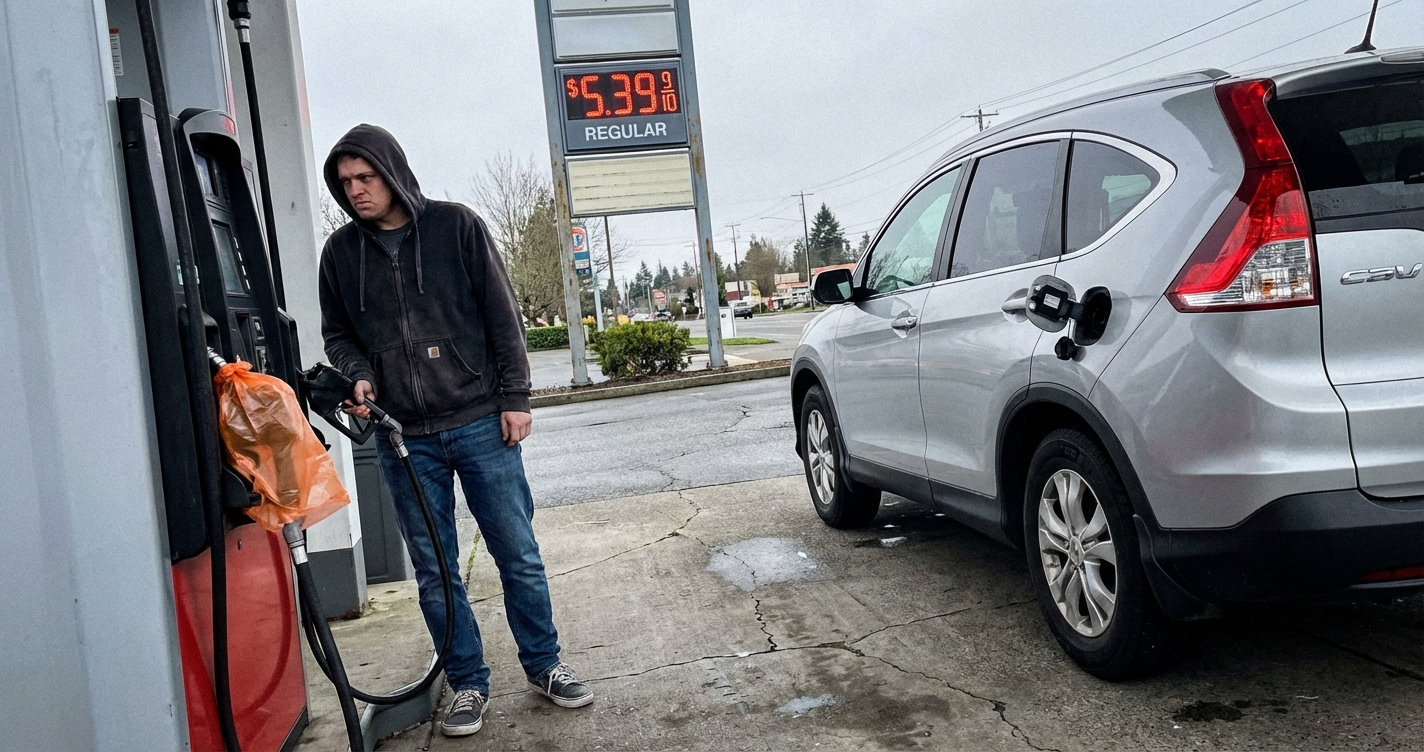
Seattle Gas Hits $5.30 as Iran Closes Hormuz—WA Jobs Now at Risk
Washington drivers face some of the highest fuel costs in the nation, with the average regular gas price hitting $4.84 per gallon in mid-March — ~16% higher than a month earlier and ~39% above the U.S. average of $3.48, according to AAA and GasBuddy data. In Seattle many stations now charge $5.00 or more, up from ~$3.77 just two months prior. This jump places Washington as the second-most expensive state for gasoline, behind only California.
Strait of Hormuz Closure Triggers Oil Spike
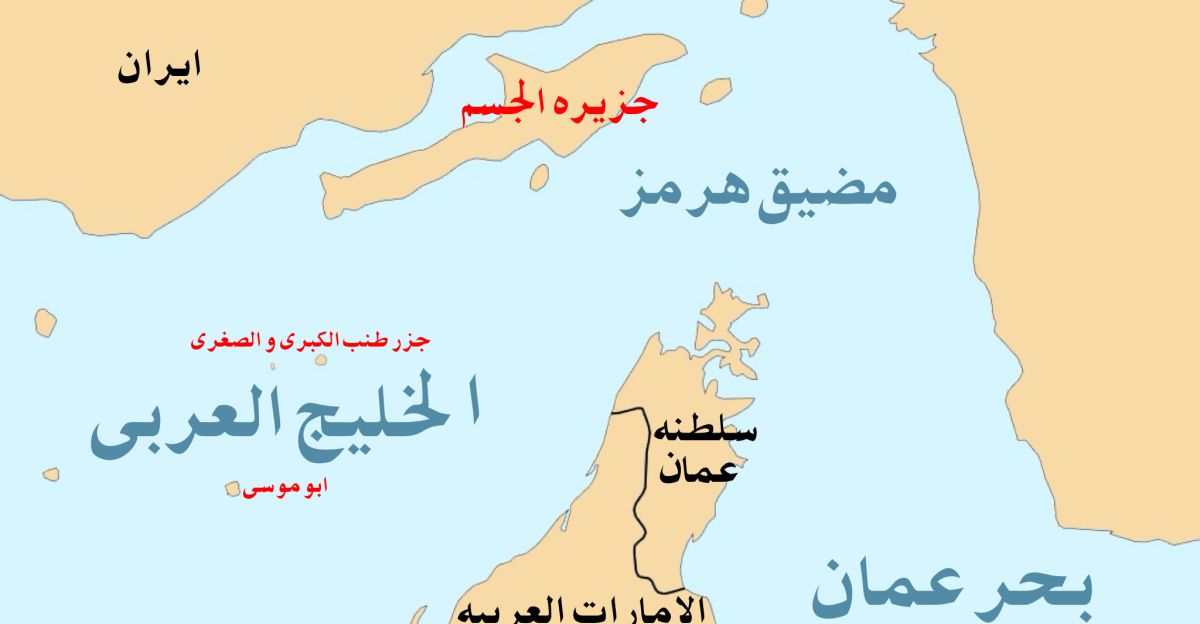
The surge follows Israel’s strike on Iran’s South Pars gas field, which prompted Tehran to threaten closure of the Strait of Hormuz — a waterway that carries about 20% of global oil supplies. When Iranian forces moved to block the strait, West Texas Intermediate crude jumped nearly 40% since the start of the Iran-Israel conflict, with Brent crude breaching $100 per barrel for the first time since summer 2022. Analysts note that any disruption in this chokepoint instantly reverberates through worldwide fuel markets.
Expert Warns of Persistent Inflationary Pressure

Kourkafas, senior global investment strategist at Edward Jones, warned that “with no immediate signs of resolution, rising gas prices are contributing to inflationary pressures that may impact consumer spending.” He added that prolonged volatility in oil markets could keep pump prices elevated for weeks, squeezing household budgets already strained by broader cost-of-living increases. In the Seattle-Tacoma-Bellevue metro area, inflation stood at 3% for the year ending December, about one point above the Federal Reserve’s 2% target, according to regional economic reports.
Academic Experts Explain Supply-Demand Dynamics
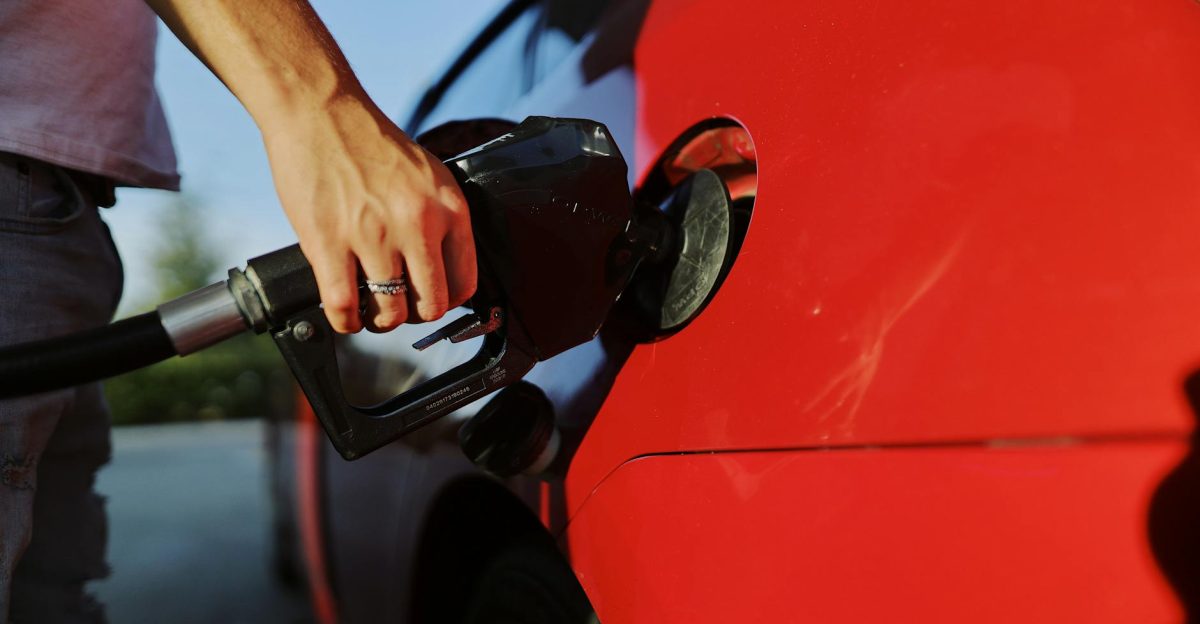
Darrin Magee, director of the Institute for Energy Studies at Western Washington University, explained the basic mechanism: “If the amount of oil available on the global market decreases while demand remains constant, prices will inevitably rise.” He noted that the Strait of Hormuz carries a fifth of the world’s oil, so any interruption reduces available supply and pushes up refining costs that are passed on to consumers at the pump.
Market Adaptability Offers Some Hope

Thomas Gilbert, professor of business at the Foster School of Business, struck a more cautious note, saying “The oil market is generally quite adaptable,” and pointing out that supply chains adjusted after the Russia-Ukraine conflict. He added that if the Strait closure proves short-lived, prices could stabilize quickly, while a prolonged blockage would likely trigger more severe and lasting repercussions for consumers and the broader economy.
State-Specific Factors Keep Prices High

James McCafferty, director of the Center for Economic and Business Research at Western Washington University, highlighted that Washington’s already-high gas prices stem from a combination of steep state fuel taxes, elevated labor costs, and geographic isolation from major refineries. “These externalities drive up production costs,” he said, noting that the state’s tax structure and logistics add a persistent premium that compounds any global oil shock.
Washington’s Climate Commitment Act
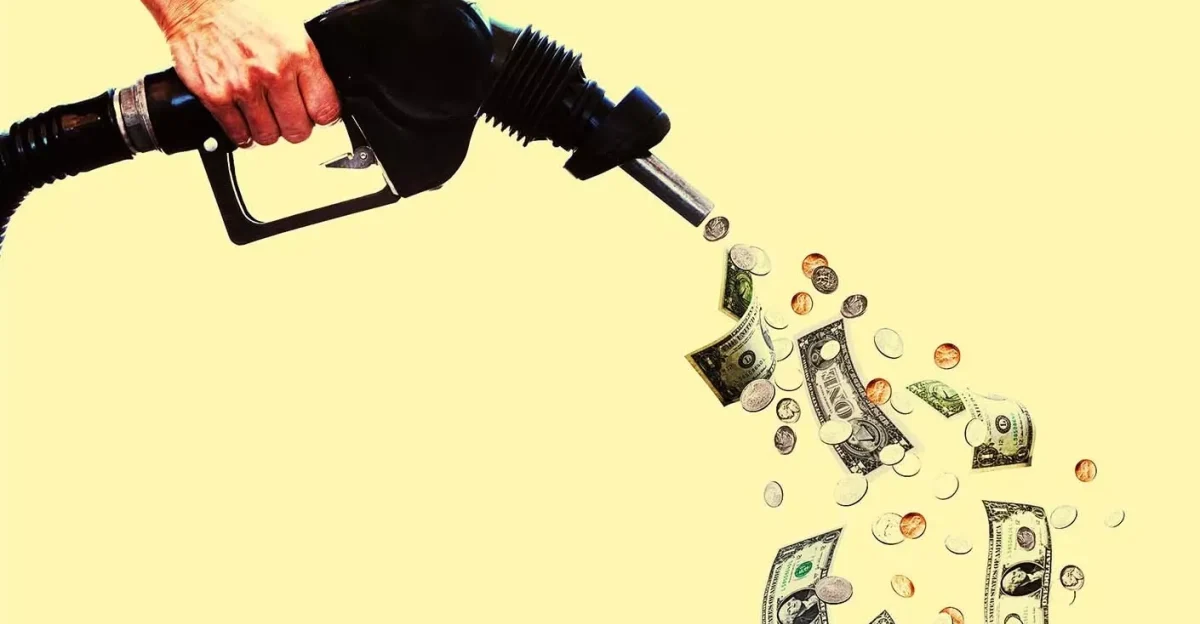
Adding further pressure is Washington’s Climate Commitment Act, a cap-and-invest program administered by the state Department of Ecology. Under the program, fuel suppliers and other regulated entities must purchase emissions allowances through government-run auctions — a compliance cost that analysts say is quietly embedded in every gallon sold at the pump. When global oil prices spike, this carbon compliance layer does not disappear; it stacks on top of the surge, amplifying the price shock that Washington drivers feel relative to consumers in states without similar programs.
Broader Economic Effects

McCafferty also warned that expensive diesel and gasoline raise the cost of moving goods, warning “Petroleum products are essential in the manufacturing of nearly everything.” Higher transport fees can lift prices for food, clothing and other consumer goods, creating a secondary inflation wave that extends well beyond the pump. This feedback loop means that even households that do not drive frequently feel the pinch through higher retail prices.
National Context: Gas Price Trends
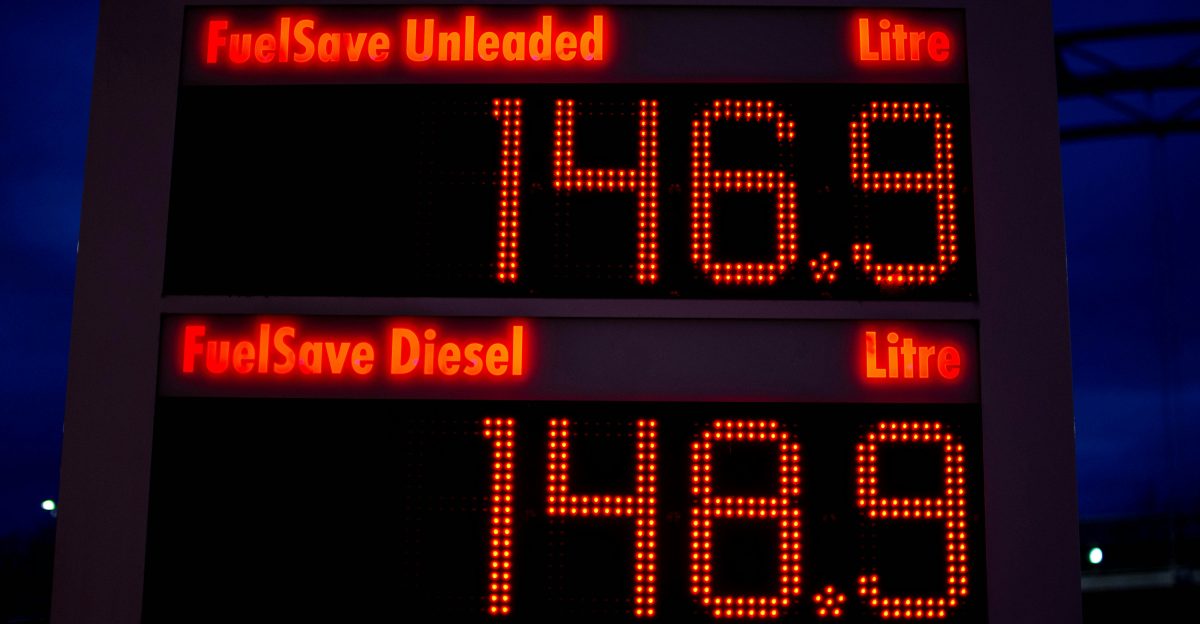
Nationwide, the average gasoline price rose by 11 cents in a single day in early March, marking the largest one-day increase since 2022, according to GasBuddy analyst Patrick De Haan. Over the same period, American consumers saw a ~25% jump in average fuel costs since the start of the Iran-Israel conflict, as reported by the Oil Price Information Service. These figures illustrate how quickly geopolitical events can translate into higher household expenses across the United States.
Looking Ahead: Uncertainty in Oil Markets
Analysts caution that the outlook remains highly uncertain. If the Strait of Hormuz stays closed for weeks, crude could remain above $100 per barrel, keeping national averages near $3.80 to $4.00 and Washington’s prices above $5.00 in some locales. Conversely, a swift reopening would allow prices to retreat toward pre-conflict levels, though state taxes, logistics, and carbon compliance costs would still keep Washington among the pricier states for fuel.
What Drivers Can Do Now

Experts advise motorists to consider fuel-efficient vehicles, combine trips, and use public transit where possible to mitigate personal costs. They also recommend monitoring price-tracking apps like GasBuddy to fill up when prices dip slightly. While individual actions cannot halt global oil shocks, they can help households buffer the impact of sustained high prices on their monthly budgets.
Closing

Since the time of writing, two developments have shifted the picture further. Iranian authorities have moved away from a complete Hormuz blockade, now permitting a limited number of vessels to transit on a selective, case-by-case basis — though the waterway remains far from fully operational and oil market disruptions continue. Washington’s statewide average has also climbed beyond the figures cited here, reaching $5.215 per gallon as of March 20, according to AAA, underscoring that the pressures described throughout this article show no signs of easing.
Sources:
“Washington Average Gas Prices.” AAA State Gas Price Averages, March 2026.
“Average Gas Prices Today in Each State, March 14, 2026.” USA Today / The List Wire, March 2026.
“U.S. Gasoline Prices, Rising Again, Hit $3.48 a Gallon.” The New York Times, March 2026.
“Washington State’s Emissions Allowance Program and Cap-and-Invest Auctions.” U.S. Energy Information Administration, 2024.
“Climate Commitment Act Cap-and-Invest Program.” Washington State Department of Ecology, 2026.
“Washington’s CO2 Tax Declines Slightly but Is Still 52 Cents per Gallon.” Washington Policy Center, March 2026.