
$35B In Tariff Bills Hits Major Automakers As Almost Every Imported Car Now Costs More
Trump-era tariffs are driving up costs for almost every imported vehicle, adding an estimated $1,277 per year to the average U.S. household’s expenses. Automakers face shrinking margins as steel, aluminum, electronics, and other globally sourced parts arrive with added duties at the border. Research from the Federal Reserve Bank of New York and the Tax Foundation shows these charges ripple through groceries, appliances, and cars, quietly raising prices. The effect compounds over time, leaving consumers and manufacturers bearing repeated costs while foreign exporters remain unaffected.
How Tariffs Enter the U.S.

Tariffs are collected by Customs and Border Protection at the point of entry. U.S. importers must immediately pay the duty and decide whether to absorb it or pass it on. Research from the 2018 trade war shows tariffs almost fully increase U.S. import prices. Each shipment converts the policy into cash flowing out of companies. Automakers and other industries face repeated cost pressures as imported materials enter supply chains. The initial payment at customs becomes a recurring financial factor shaping pricing, margins, and investment choices in the U.S. manufacturing sector.
Household Budgets Take the Hit
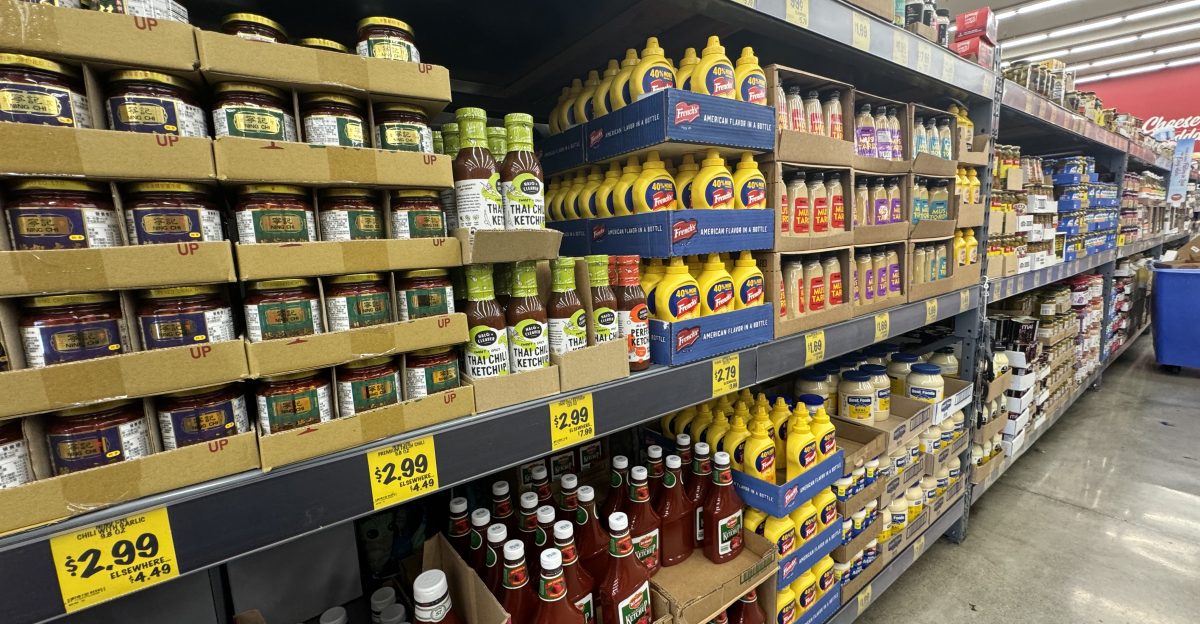
Federal Reserve Bank of New York analysis shows tariffs increased prices and reduced consumer welfare. Families pay higher costs across groceries, car payments, appliances, and repairs. At $1,277 per household annually, the burden grows to $5,100 over four years. Tariffs never appear as a separate line item, which hides the true effect. Grocery aisles, dealerships, and hardware stores reflect the cost. Consumers encounter higher prices across daily spending. The full financial impact emerges only when examining cumulative household expenses. Rising costs at multiple points gradually erode purchasing power.
Automakers Confront Rising Costs

Automakers must choose between raising prices or absorbing losses that cut into margins. Their supply chains rely on imported steel, aluminum, electronics, and components. Section 232 tariffs address national security goods. Section 301 tariffs target unfair trade practices. Both sets of duties often apply simultaneously, increasing pressure on the same inputs. Vehicle redesigns and relocating suppliers cannot happen quickly, forcing firms to navigate constant cost growth. Each quarter adds more strain. This ongoing pressure affects pricing strategies, production planning, and profitability across the industry, shaping both the business and the consumer experience.
Costs Ripple Through Industries

Steel and aluminum tariffs affect cars, construction, appliances, machinery, and packaging. Domestic manufacturers that bend, weld, or stamp metal absorb additional costs. National Bureau of Economic Research studies from 2018 show U.S. buyers carried most of the financial burden. A single tariff policy affects multiple sectors. Automakers dominate headlines, but nearly every manufacturer that relies on metal experiences the same strain. These cascading costs increase expenses throughout the economy. Each additional duty amplifies pressures on pricing, procurement, and production timelines across sectors connected by a shared supply of imported materials.
Tariffs Build Systemic Pressure
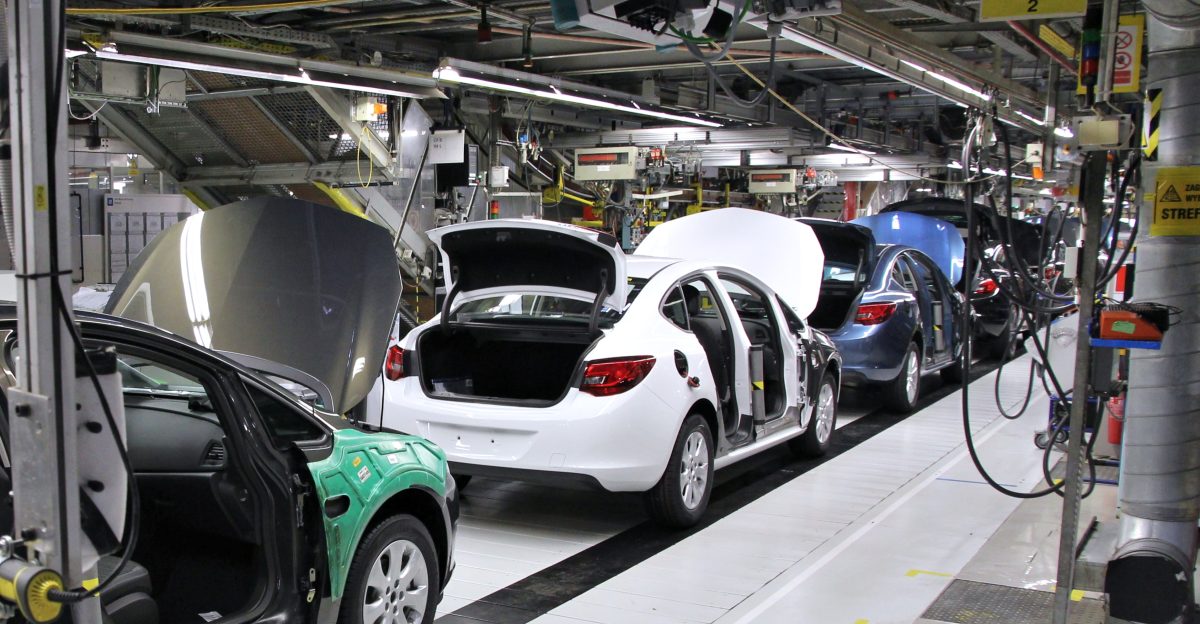
The cycle of tariff impact is straightforward. Duties are imposed, importers pay at the border, costs enter supply chains, and prices rise. Steel flows into vehicles, aluminum into cans, electronics into dashboards. The Peterson Institute for International Economics reports U.S. tariff levels reached their highest point since the 1930s. This creates a persistent cost layer on American manufacturing. Household spending, business margins, and supply chains all reflect the added charges. Each policy change immediately affects multiple industries, embedding recurring costs across products and slowing adjustments in production and consumer pricing.
Who Bears the Burden

Tariffs were presented as pressure against foreign competitors. In practice, U.S. importers and consumers pay. Customs duties raise domestic prices and reduce consumer welfare according to the New York Fed. Companies paying the border fees and households facing higher prices both experience the effect. Exporters outside the U.S. do not pay these costs. Every duty directly increases cash outflows and consumer expenses. Auto buyers, electronics consumers, and other product purchasers face higher prices at multiple points. The distribution of cost consistently lands on Americans rather than foreign producers, shaping the real economic outcome of the tariff policies.
Lessons from the 1930s

The Peterson Institute draws parallels between current tariffs and the 1930s when trade retaliation and fractured supply chains slowed the economy. Sections 232 and 301 allow the executive branch to impose duties without new legislation, enabling tariffs to change quickly. BEA trade data shows that the U.S. auto sector cannot easily decouple from global supply chains. Automakers face repeated exposure to cost increases. Rules can shift instantly while the supply network remains slow to adapt. These structural pressures create a persistent financial burden on companies and consumers across industries that depend on imported materials.
Winners and Losers

Domestic steel producers gain pricing power. Car buyers lose purchasing power. Automakers experience tighter margins. The Tax Foundation calculates households pay $1,277 annually, regardless of whether they buy a new vehicle or groceries. Manufacturing relies on imported inputs, so tariffs create unavoidable costs across industries. Companies that produce or sell goods with metal components absorb higher expenses. Consumers encounter those costs in daily purchases. Each product carries a different exposure, but the overall impact is widespread. Americans pay the cumulative effects of policies designed to protect domestic industry while the financial burden compounds over time.
Tariffs Continue to Grow

Tariff authority remains active. Supply chains continue to rely on imported materials. Importers pay at the border every day. Automakers cannot redesign quickly, and consumers cannot avoid higher prices. Studies from the NBER and the New York Fed confirm tariffs pass fully into domestic prices and reduce welfare. The pattern from the last year shows costs continue to compound. Each new duty increases expenses across multiple industries. The persistent accumulation of charges affects households, businesses, and the broader economy, demonstrating that the financial impact of tariffs continues to expand without immediate relief.
Sources:
Report: Trump’s Tariffs Have Cost Automakers $35 Billion So Far. Car and Driver, March 15, 2026
Trump’s Tariffs Are Set to Cost the Average Household an Extra $1,300. The Independent, February 17, 2026
The Impact of the 2018 Trade War on U.S. Prices and Welfare. National Bureau of Economic Research, March 2019
Fact Sheet: President Donald J. Trump Adjusts Imports of Automobiles and Automobile Parts. The White House, March 25, 2025
Trump Pushes Tariffs to Highest Since 1930s. The Fiscal Times, July 28, 2025