The 10 US States Where Gas Prices Are Rising The Most Right Now
Gas prices are surging across the United States in March 2026, with 10 states seeing increases as high as 45.0% in just one month after crude oil disruptions linked to the Iran conflict tightened global supply.
Since late February, when tensions escalated and shipments through the Strait of Hormuz were affected, fuel costs have climbed nationwide. However, the impact has not been evenly distributed. Data comparing February 18 and March 18 shows sharp regional differences driven by taxes, fuel blends, and supply chains, setting the stage for a closer look at where drivers are feeling it most.
1: New Mexico — Price Jump 45.0%
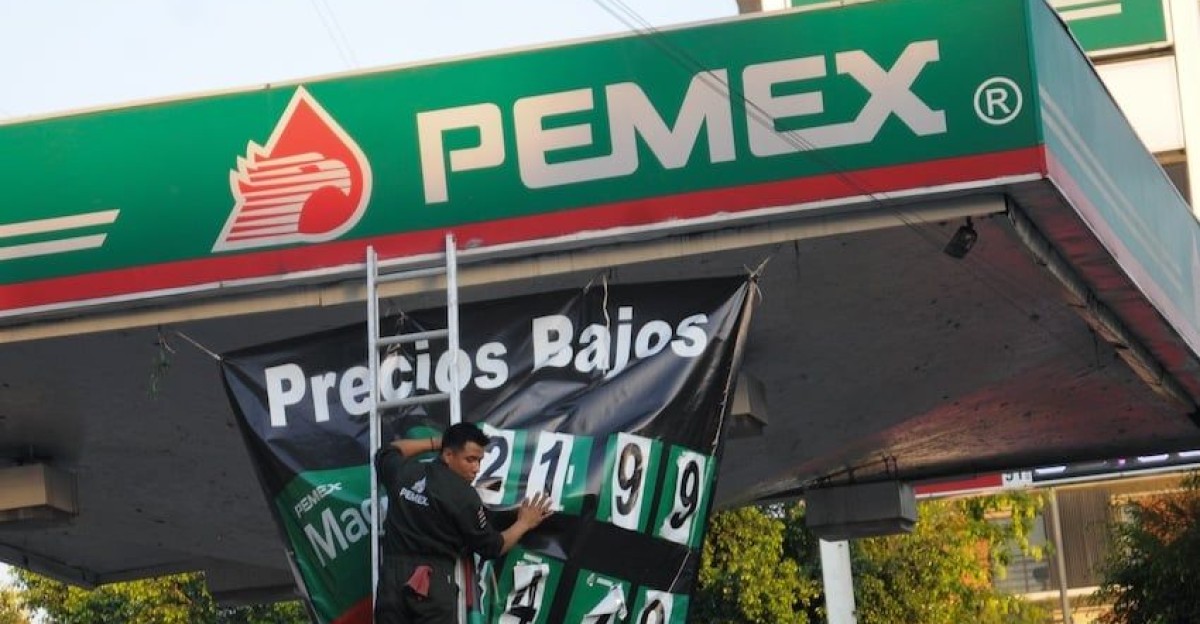
New Mexico ranks first, with gas prices surging from $2.61 to $3.79 per gallon in one month, marking the steepest increase nationwide. Drivers in Las Cruces are paying about $3.88 per gallon, among the highest in the state. The surge reflects the state’s distance from major refining hubs and reliance on long fuel distribution routes. These logistical challenges amplify global crude shocks. Federal energy data shows distribution costs vary widely by region, and New Mexico’s geography creates a pricing disadvantage when supply tightens. That disadvantage becomes clearer when compared with the next state.
2: Kentucky — Price Jump 41.4%
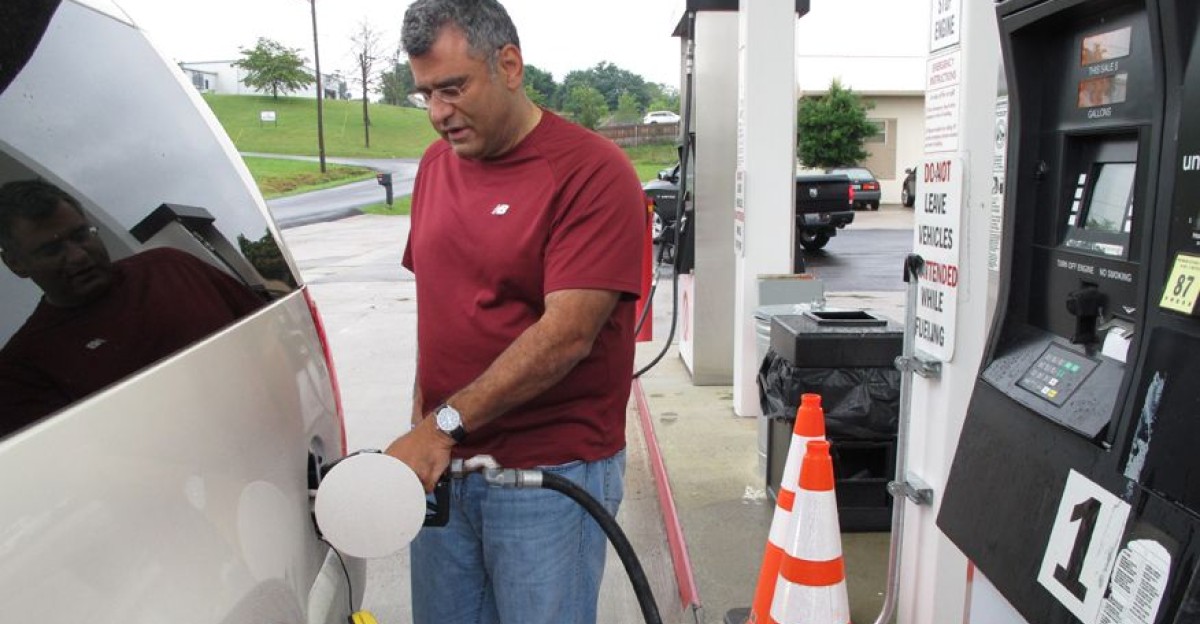
Kentucky takes second place with prices climbing from $2.59 to $3.66 per gallon, a 41.4% increase in one month. The state depends heavily on pipelines and fuel terminals connected to Gulf Coast refineries, making it sensitive to global crude disruptions. Additional costs from taxes and operations layer onto the base price, creating sharper increases during market shocks. Federal data shows gasoline prices reflect multiple components that shift at different speeds. In Kentucky, that mix has moved quickly. A nearby oil-producing state shows how even local supply does not guarantee stability.
3: Oklahoma — Price Jump 41.2%
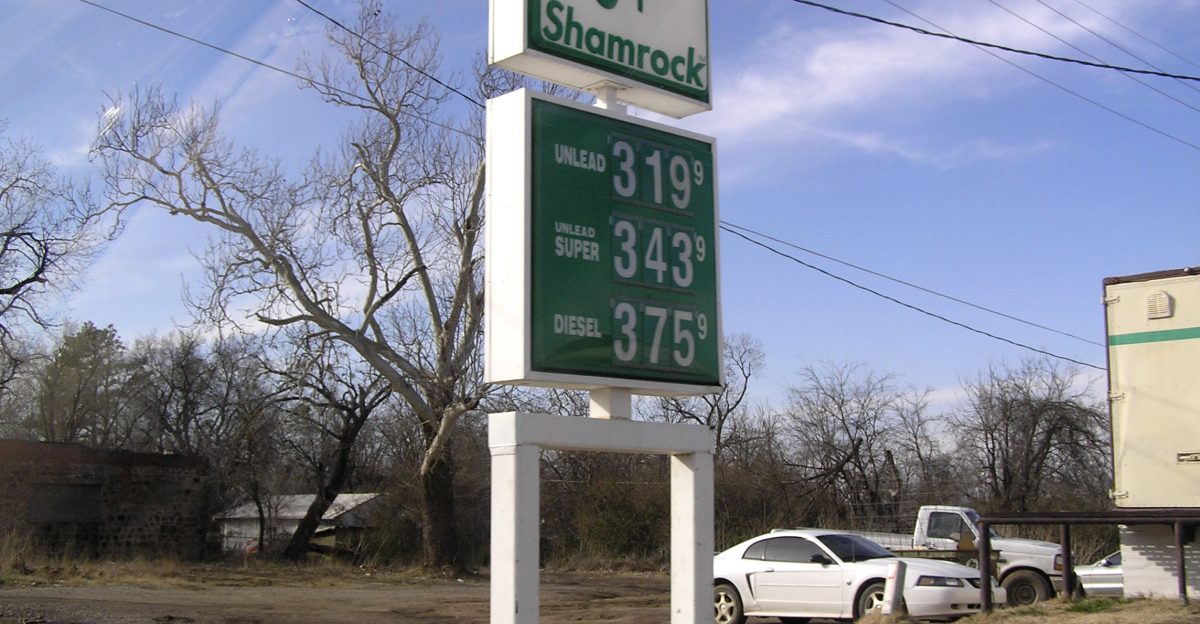
Oklahoma recorded a 41.2% increase, with gas prices rising from $2.29 to $3.24 per gallon between mid-February and mid-March. Despite producing crude oil, the state imports much of its refined gasoline from Texas and Gulf Coast refineries. This dependence means global price spikes still hit local pumps. Lower fuel taxes offered limited relief, but rapid crude increases overwhelmed that advantage. AAA tracking places Oklahoma among the fastest-rising states. The pattern highlights how refining access matters more than raw production. That reality becomes even more surprising in a refinery-heavy neighboring state.
4: Louisiana — Price Jump 39.1%
Louisiana saw gas prices rise 39.1%, moving from $2.51 to $3.49 per gallon despite its massive refining capacity along the Gulf Coast. Local refineries process both domestic and imported crude, meaning global disruptions directly influence prices. Crude oil remains the largest component of gasoline costs, outweighing local advantages like proximity to refineries. Even with relatively low fuel taxes, the state could not avoid the surge. The numbers show how global markets override regional strengths. One western state now reveals how environmental rules can push prices even higher.
5: Arizona Price Jump 39.1%
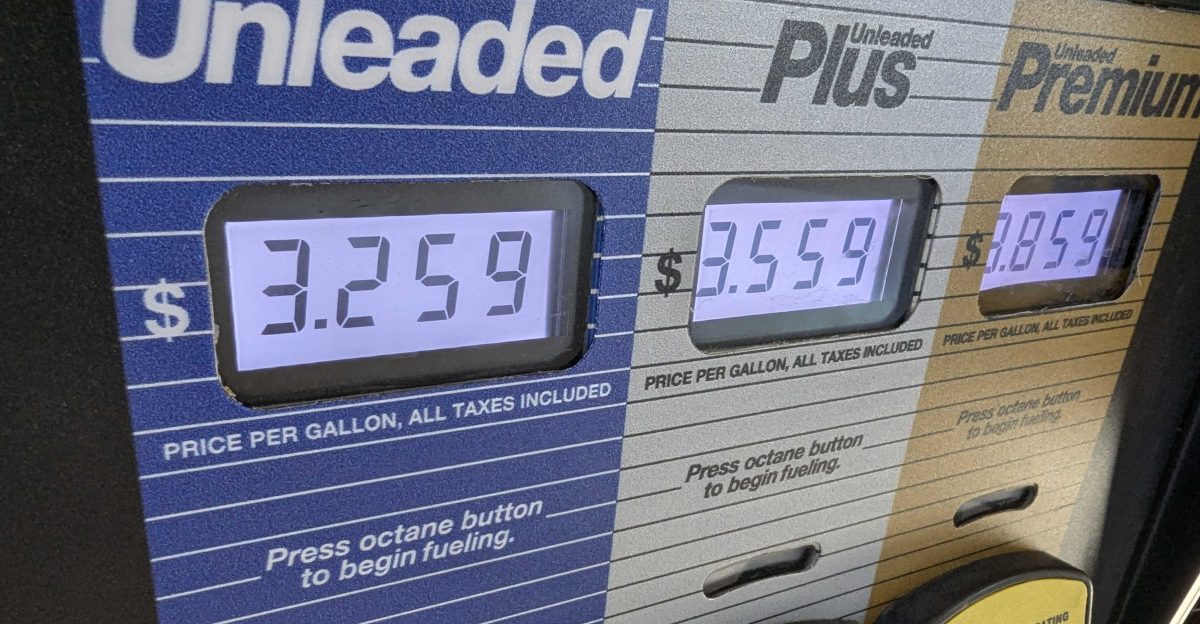
Arizona experienced a 39.1% increase, with prices jumping from $3.16 to $4.40 per gallon, the highest absolute price among the top 10. Drivers in Phoenix and Tucson face some of the steepest costs nationwide. The state requires a specialized summer-blend gasoline to meet air quality standards, limiting supply options and increasing refining costs. Federal energy data shows such regional fuel requirements can amplify price spikes. Fewer refineries can produce this blend, tightening supply during disruptions. Could a major oil powerhouse perform any better under the same pressure?
6: Texas — Price Jump 38.9%
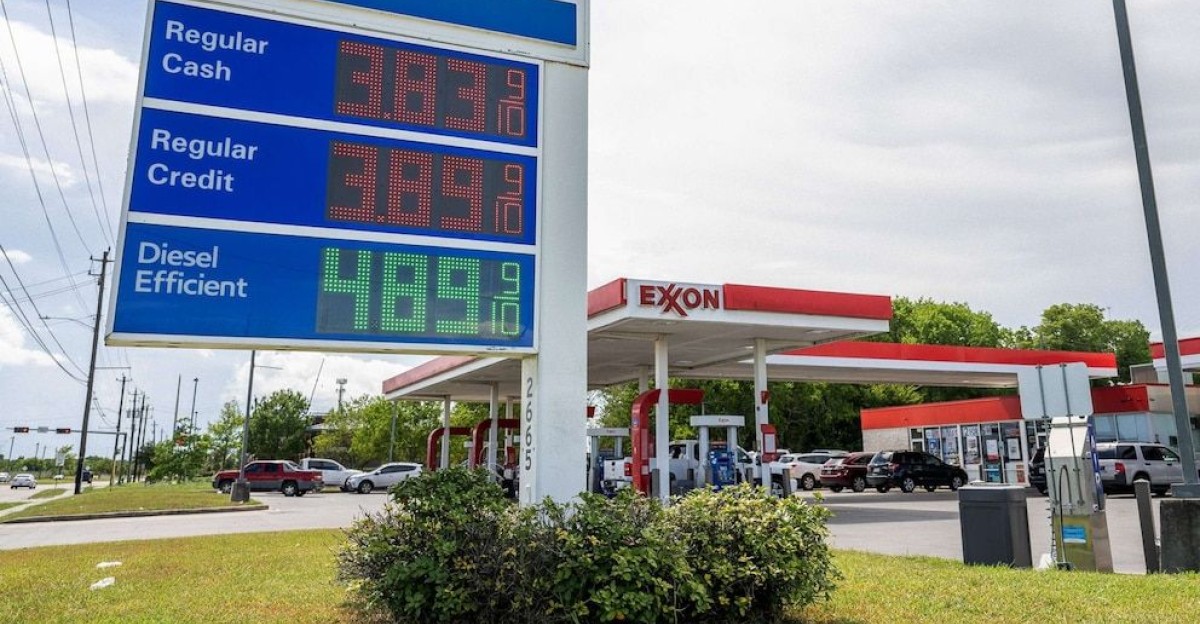
Texas posted a 38.9% increase, with gas prices climbing from $2.55 to $3.54 per gallon despite being the largest oil producer in the country. The state’s extensive refining network processes fuel for both domestic use and exports. However, when global crude benchmarks rise, those costs pass quickly to consumers. Major cities like Houston, Dallas, and San Antonio all recorded sharp increases. Refining margins also fluctuate with crude volatility, accelerating price changes. Local production offers little protection in a global market. That same pressure continues in states relying heavily on imported fuel supplies.
7: Colorado — Price Jump 38.6%
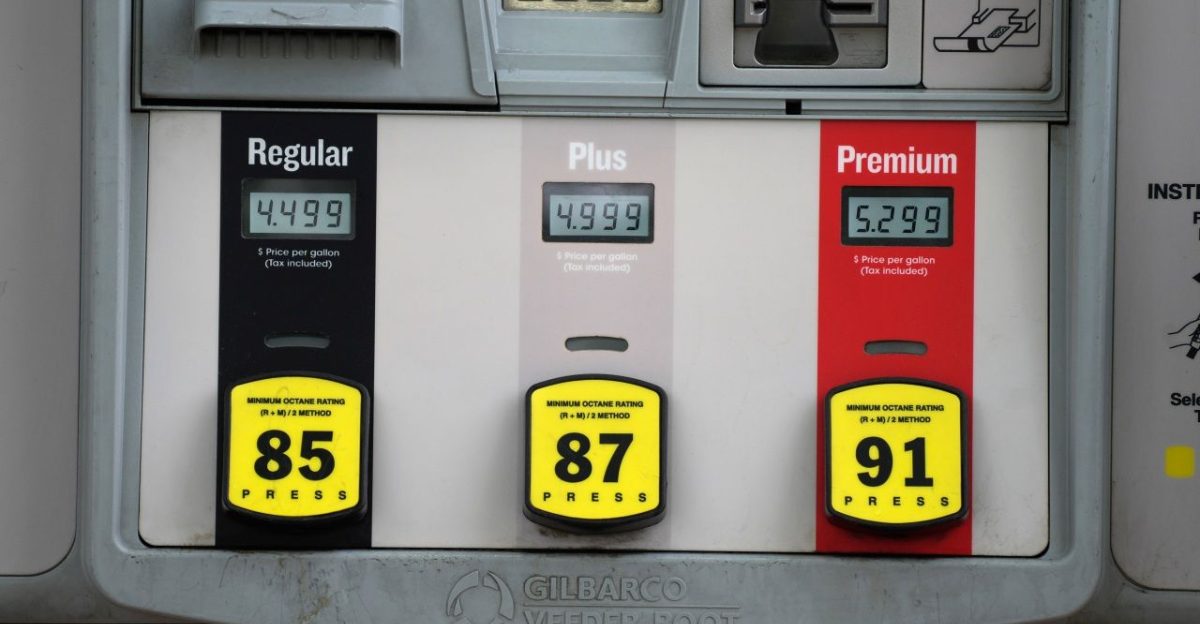
Colorado’s gas prices rose 38.6%, increasing from $2.76 to $3.83 per gallon during the early weeks of the Iran conflict. The state depends on gasoline shipped via pipeline from the Gulf Coast and Midwest. High-altitude fuel blend requirements further limit supplier flexibility. These specialized blends can create bottlenecks during supply disruptions, leading to sharper price swings. Denver drivers are among those feeling the strongest impact. Federal data confirms these regional specifications intensify volatility. The Midwest offers another example of how infrastructure and taxes combine to shape price spikes.
8: Indiana — Price Jump 38.3%
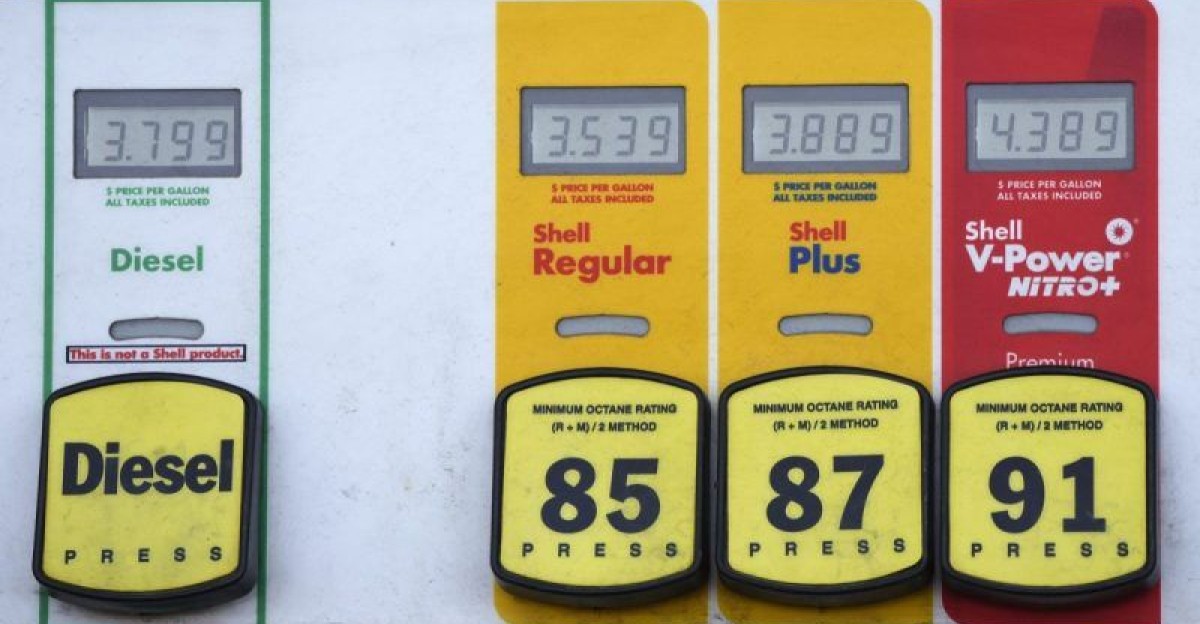
Indiana recorded a 38.3% increase, with gas prices rising from $2.75 to $3.80 per gallon. Cities like Indianapolis and Fort Wayne have seen some of the largest increases in the Midwest. The state benefits from access to multiple refining regions, including the Great Lakes and Gulf Coast. However, fuel taxes and distribution costs amplify global price movements. Federal data shows these factors can account for more than 20% of pump prices. Indiana’s structure has transmitted the shock more strongly than nearby states. A southern neighbor reveals how geography continues to shape pricing outcomes.
9: Mississippi — Price Jump 38.2%
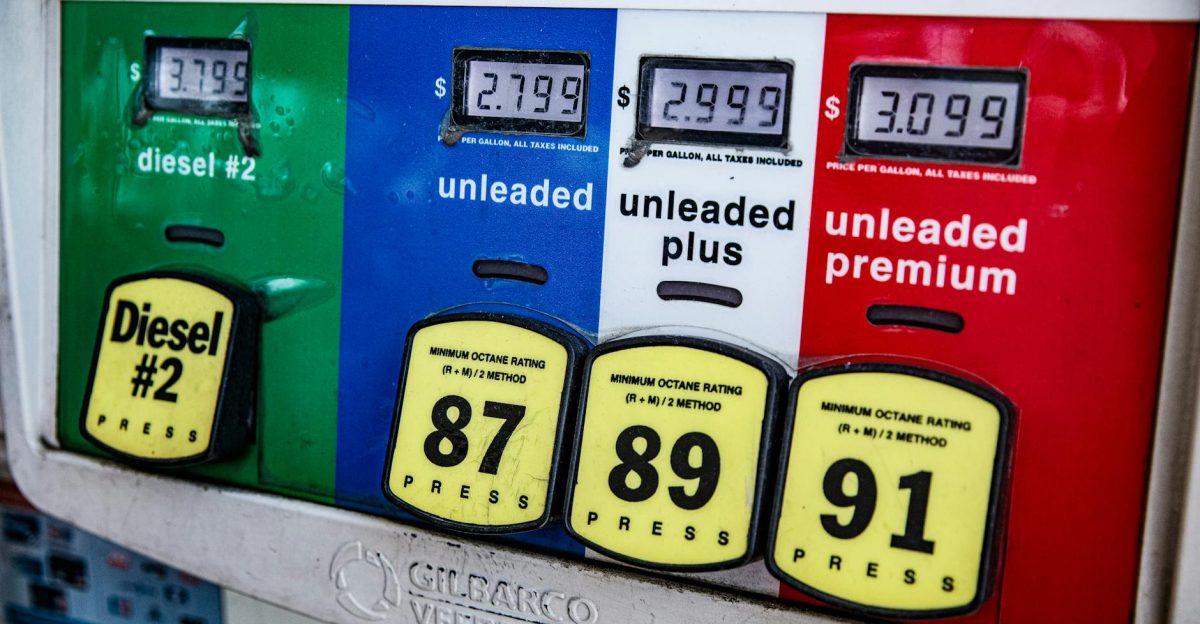
Mississippi saw prices climb 38.2%, moving from $2.49 to $3.44 per gallon. Drivers in Jackson and Gulfport are paying near the state average, with coastal areas slightly higher due to distribution costs. The state benefits from proximity to Gulf Coast refineries, but crude oil prices still dominate the final cost. Low fuel taxes offer only limited relief during sharp market increases. Nationwide data shows all 50 states now exceed $3 per gallon, yet these top 10 are rising fastest. One final state completes the list with a similar pattern.
10: Tennessee Price —Jump 37.8%
Tennessee rounds out the top 10 with a 37.8% increase, as prices rose from $2.58 to $3.55 per gallon. Nashville and Memphis have both crossed the $3.50 mark, reflecting rapid changes in supply costs. The state relies on the Colonial Pipeline for fuel shipments from the Gulf Coast, making it sensitive to disruptions. Additional transportation and distribution layers add to the final price. Federal data shows these costs can shift quickly during supply shocks. Together, these 10 states reveal how global events translate into very different local realities across the country.
Sources:
The 20 US states where gas prices are rising the most amid the Iran war. Business Insider, March 18, 2026.
Factors affecting gasoline prices. U.S. Energy Information Administration, March 17, 2026.
National average gas prices. AAA Gas Prices, March 18, 2026.