Ferrari Call Antonelli “Too Young” As Double Italian Burden Threatens To Crush F1 Debut
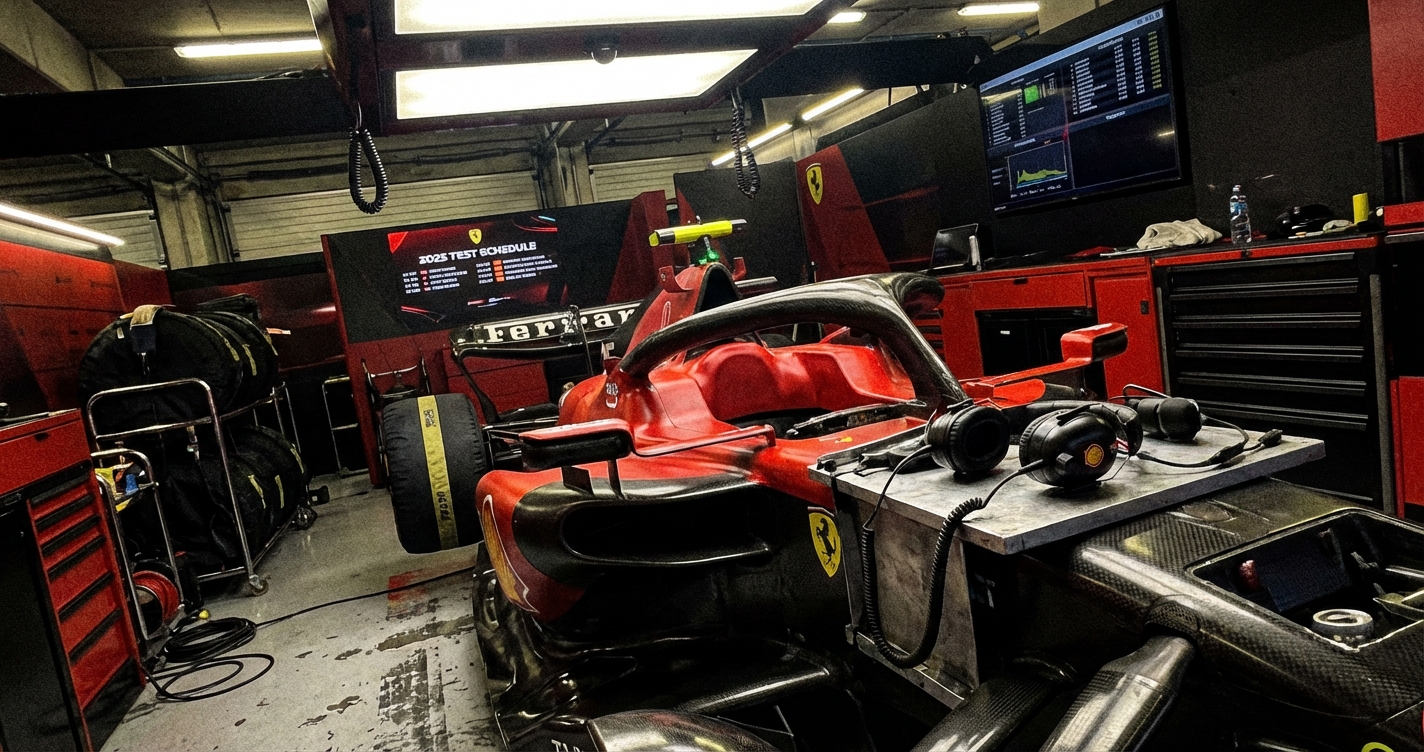
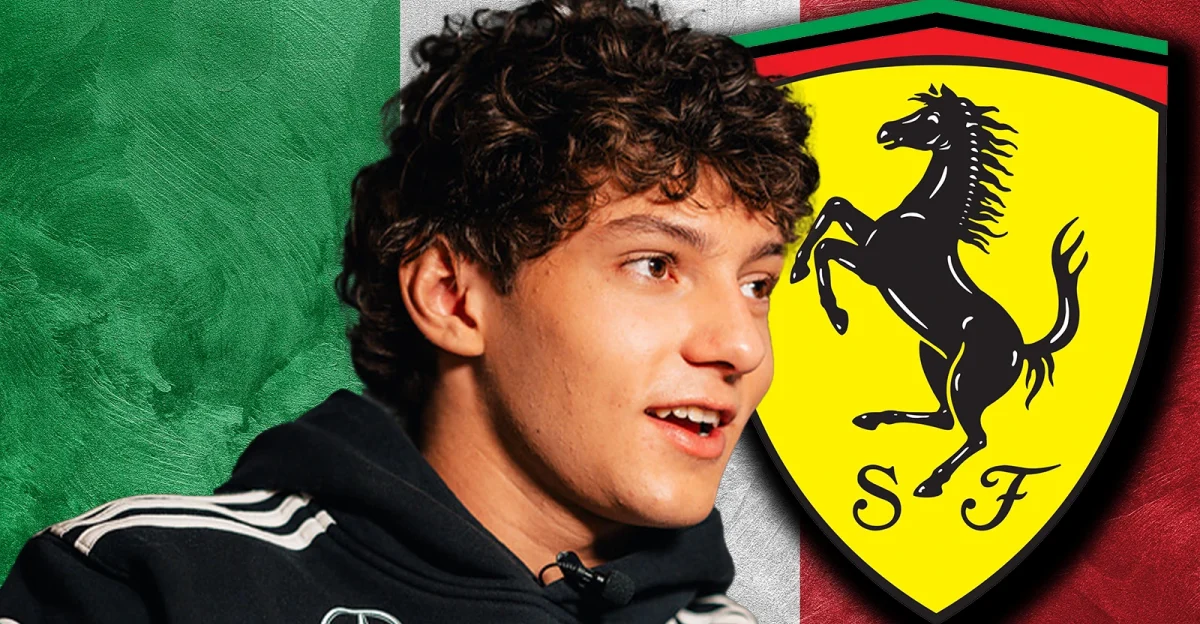
Ferrari looked at Kimi Antonelli and delivered an internal verdict: he was not ready. He didn’t lack talent or speed, but it was too early for Ferrari’s risk tolerance in a 2025 seat window that was already closing fast. That view was shaped by the “double burden” of being young and Italian in an Italian superteam, with insiders later describing concern over the pressure he would face. The word spread through paddock circles while the kid was still winning junior races. One team’s internal checklist rejected a prospect that every talent scout in the sport had circled. That rejection, by itself, would have been a footnote. What happened next turned it into an earthquake across the entire driver market.
The Domino
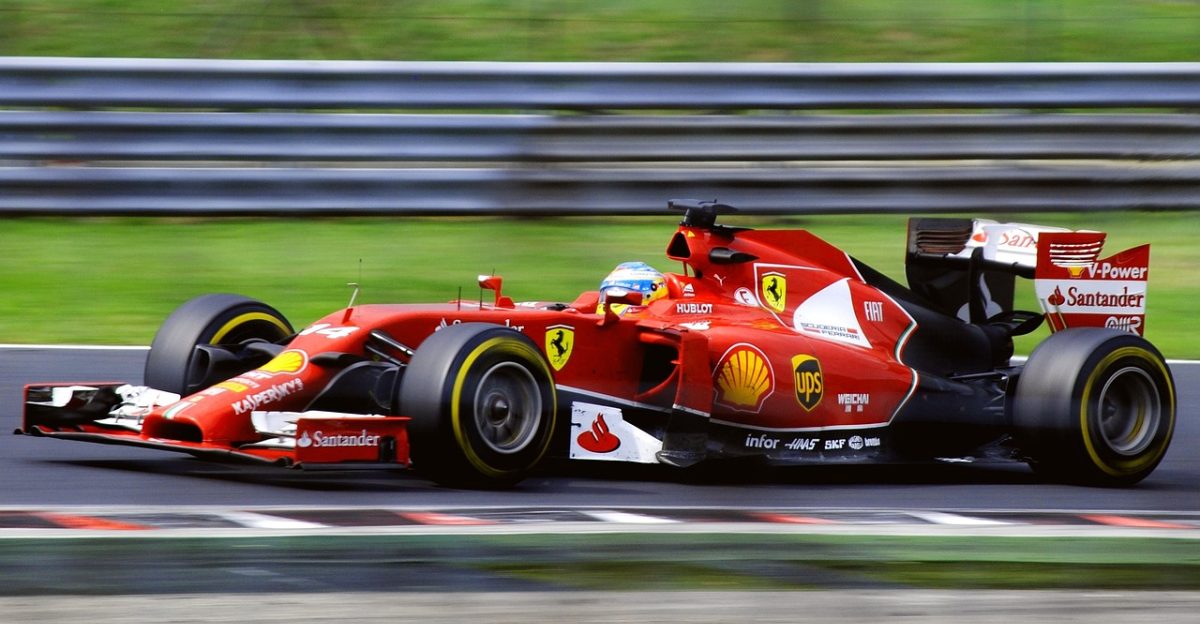
The cause traces to one name: Lewis Hamilton. F1.com headlined Hamilton’s Ferrari move as a “shock switch,” and the description fits. Hamilton committed to Scuderia Ferrari for 2025, instantly consuming one of two top-team seats. That single signature compressed every timeline in the sport. Development windows shrank. Junior programs accelerated. Teams that planned to evaluate rookies over two more seasons suddenly had months. Hamilton didn’t just change teams. He detonated the calendar every other team was building around.
Rookie Promotion
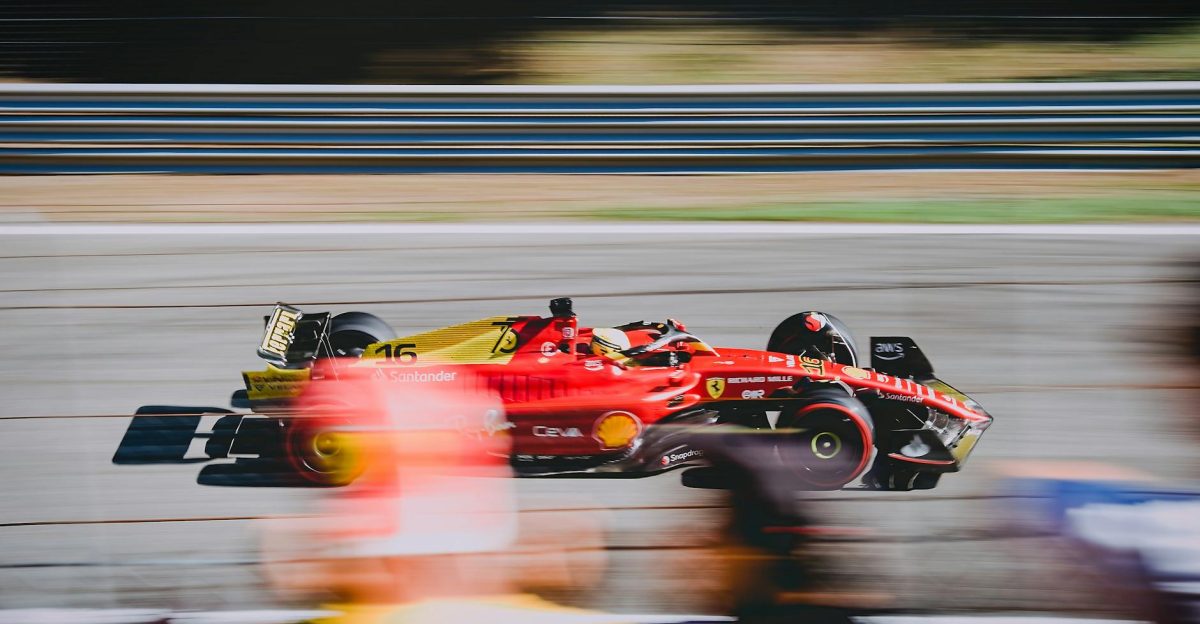
Mercedes responded within the same cycle: Antonelli would make his Formula 1 race debut in 2025, alongside George Russell. A driver Ferrari internally labeled as “not ready” landed a top-team seat anyway. The direct consumer-level impact hits fans and sponsors immediately. Every 2025 weekend becomes a referendum on whether Ferrari or Mercedes read the same prospect correctly, and now we have a first data set. Antonelli’s rookie year produced 150 points, multiple top-six finishes, and podiums in Canada, Brazil, and Las Vegas, validating Mercedes’ belief that he could handle a front-running car even as he battled inconsistency. Casual viewers now have a storyline baked into every qualifying session. Ferrari said wait. Mercedes said go. The stopwatch started the moment the lights went out in race one, and by season’s end, Antonelli had shown he belonged near the front.
Locked Grid
Russell’s contract extension through 2025, announced back in 2023, had already sealed one Mercedes seat before Hamilton’s move even happened. That left exactly one opening. Once Mercedes filled it with Antonelli, both top-team garages were contractually locked for the season. Other teams watching the market saw the same math: zero available premier seats. Midfield squads lost their leverage to attract talent by promising a future top-team path. The business of driver development just hit a wall made of signatures.
Blocked Ladder
Here’s where the ripple crosses into territory nobody’s discussing. Every junior driver sitting behind Antonelli on the development ladder just watched the door close. Ferrari’s Hamilton signing and Mercedes’ Antonelli confirmation removed two seats from the 2025 market simultaneously. Other promising prospects now face a brutal reality: the bottleneck has nothing to do with their lap times. Readiness is a team-defined risk threshold, not a universal standard. One team’s “not ready” became another team’s headline signing. Same talent pool. Fewer chairs.
The System
Contract lock-ins create artificial scarcity. That sentence explains every ripple above. Hamilton signs a long-term contract with Ferrari. Russell’s extension holds through 2025. Antonelli fills the last gap at Mercedes. Three signatures. Two teams. Zero remaining seats at the top. The mechanism works the same way every cycle: multi-year deals remove seats from circulation years before a rookie is evaluated. By the time a prospect earns the results, the inventory is already spoken for. Talent doesn’t unlock doors. Timing does. Contracts do. The ladder is bottlenecked by signatures.
Pressure Cooker
Mercedes’ own announcement made the timeline explicit: “Andrea Kimi Antonelli to make Formula 1 debut in 2025.” No soft launch. No backmarker apprenticeship. Straight into a top-team cockpit with Ferrari’s reported “not ready” assessment trailing behind him like exhaust fumes. Poor early results did trigger mid-season pressure and narrative whiplash as he hit a rough patch through the European rounds, including a bruising home race at Imola and public “tough love” from Toto Wolff, before he reset and rebuilt confidence. Every DNF got measured against Ferrari’s rejection. Every podium, especially Canada and a late-season charge to second in Brazil, was framed as vindication. That kind of scrutiny doesn’t build quietly. It arrives on race day one and never leaves.
New Precedent

The structural shift is already visible. Mercedes placed a rookie directly into a premier seat rather than following the traditional path from backmarker to midfield to contender. That decision sets a precedent other teams will study for years, even if there are echoes of past examples like Hamilton’s own top-team debut. If Antonelli succeeds, the old development model looks wasteful. If he struggles, teams will double down on long contracts to avoid the gamble entirely. His 2025 arc, messy, pressured, but ultimately strong on points and podiums, has already given ammunition to both sides of that debate. Either outcome rewrites the rules. The sport sells meritocracy, but this moment proves that seat allocation follows risk math and contract windows, not lap-time leaderboards alone.
Winners and Losers

The winners: teams that locked their lineups early and avoided the scramble. Mercedes, which turned Ferrari’s rejection into its own headline signing and emerged with a rookie who could fight near the front by the end of year one. The losers: every junior driver whose promotion timeline just got pushed back by someone else’s contract. And Antonelli himself carries a strange burden. Two spotlights converge on him at once: Ferrari’s public “no” and Mercedes’ public “yes.” In a scarcity market, rookies don’t get quiet learning curves. They get judged every weekend through the lens of the team that passed, and, by year two, through the lens of whether they can turn rookie flashes into wins.
Unfinished Cascade
The cascade keeps moving. Teams across the grid are already studying this cycle and reaching the same conclusion: longer contracts stabilize lineups and prevent exactly this kind of market chaos. That means fewer seats opening, fewer rookie promotions, and tighter bottlenecks in seasons to come. The myth that the best driver always gets the seat died somewhere between Ferrari’s internal memo and Mercedes’ press release — and the subsequent reality that Antonelli translated that seat into podiums and, in early 2026, a breakthrough pole and win in China. Seats are in inventory now. Controlled by signatures, governed by timing, allocated by risk tolerance. Antonelli’s 2025 and early 2026 form are no longer just a first chapter; they’re the live case study every team is already using to redraw its ladder.
Sources:
“Hamilton to make shock switch from Mercedes to Ferrari for 2025 season.” Formula 1, 31 Jan 2024.
“Lewis Hamilton and George Russell: Mercedes drivers extend contracts to 2025.” BBC Sport, 30 Aug 2023.
“Why Ferrari internally felt that Andrea Kimi Antonelli wasn’t ready to race for them in Formula 1.” F1 Oversteer, 18 Mar 2026.
“F1 2025 recap: Kimi Antonelli shows flashes of promise in Mercedes rookie year.” Motorsport.com, 24 Dec 2025.