Tariffs Kill $35K Promise As Volvo Leaves U.S. Without Its Cheapest EV
Volvo designed the EX30 to be a gateway, a small electric SUV meant to welcome first-time EV buyers into the brand. Dealers were buzzing about early reservations, and product pages highlighted a sub-$40,000 starting price. This was lower than any other electric Volvo.
For many families, this was the first time an electric Volvo felt within reach. Then the EX30 listing started vanishing from dealer sites as Volvo paused its U.S. launch plans. Demand was strong, and reviews were positive. The EX30 sold quickly in other markets and drew strong interest worldwide. The American outcome came down to a different factor unrelated to demand.
A Promising Start, Then a Pause
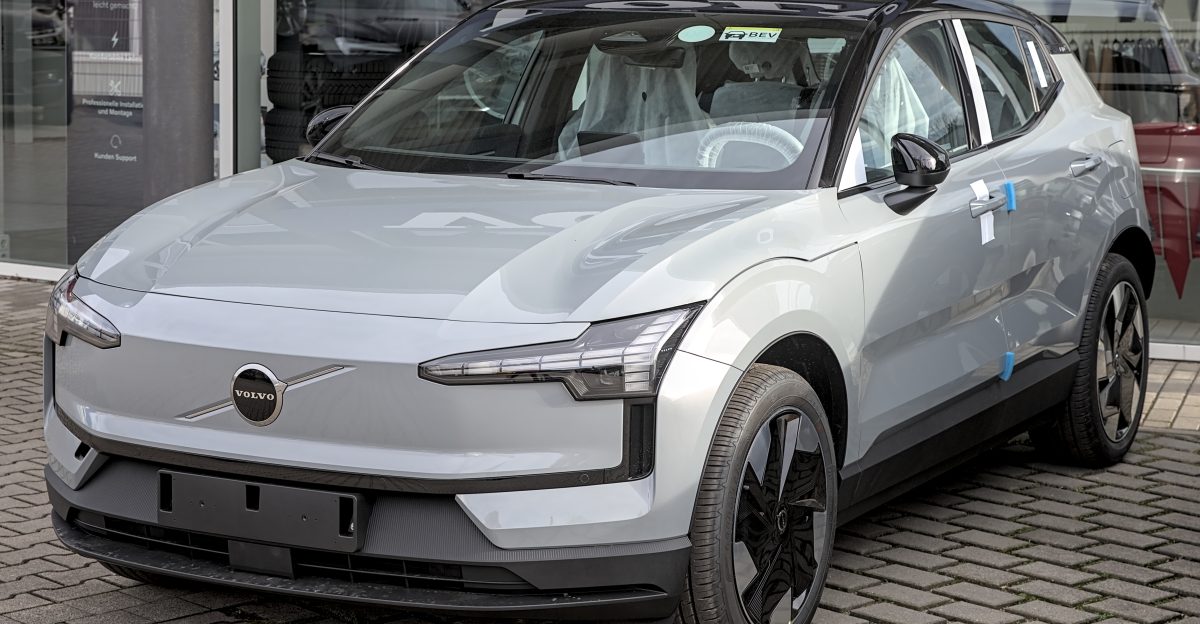
The appeal of the EX30 hinged on a simple bit of math: the federal clean vehicle credit. With up to $7,500 in incentives, what counted as “affordable” could suddenly change for families making the leap to their first EV. Most shoppers compared the bottom line after the federal credit, not just the sticker price. That difference shapes decisions. The credit can turn a “maybe someday” purchase into a real possibility.
If a car fails the eligibility test, that $7,500 disappears almost overnight. For many, the credit was central to the plan, not just a lucky bonus.
The Fine Print That Mattered
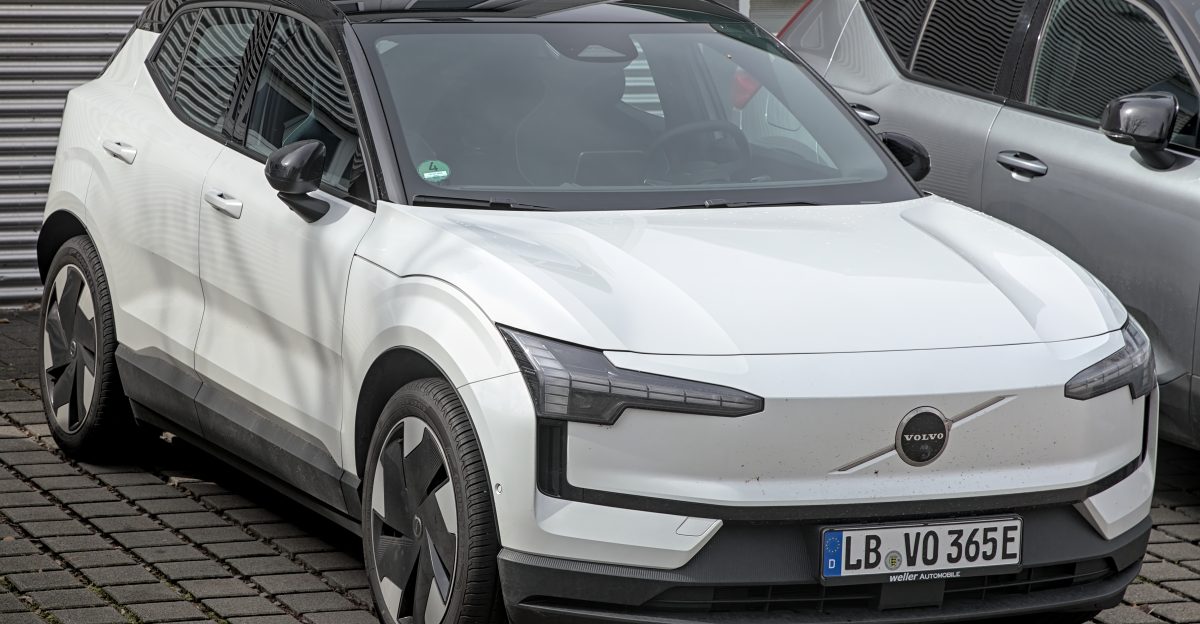
Most buyers never read the eligibility fine print. The $7,500 credit applies only if the car is assembled in North America, with batteries and minerals sourced from approved places. These rules keep getting tighter.
New restrictions on “foreign entities of concern” disqualified some cars even if they were otherwise a perfect fit. The EX30, built in China for a global market, encountered this wall of regulations. Policy rewrote the story that price alone used to decide.
Incentive Math Breaks the Deal
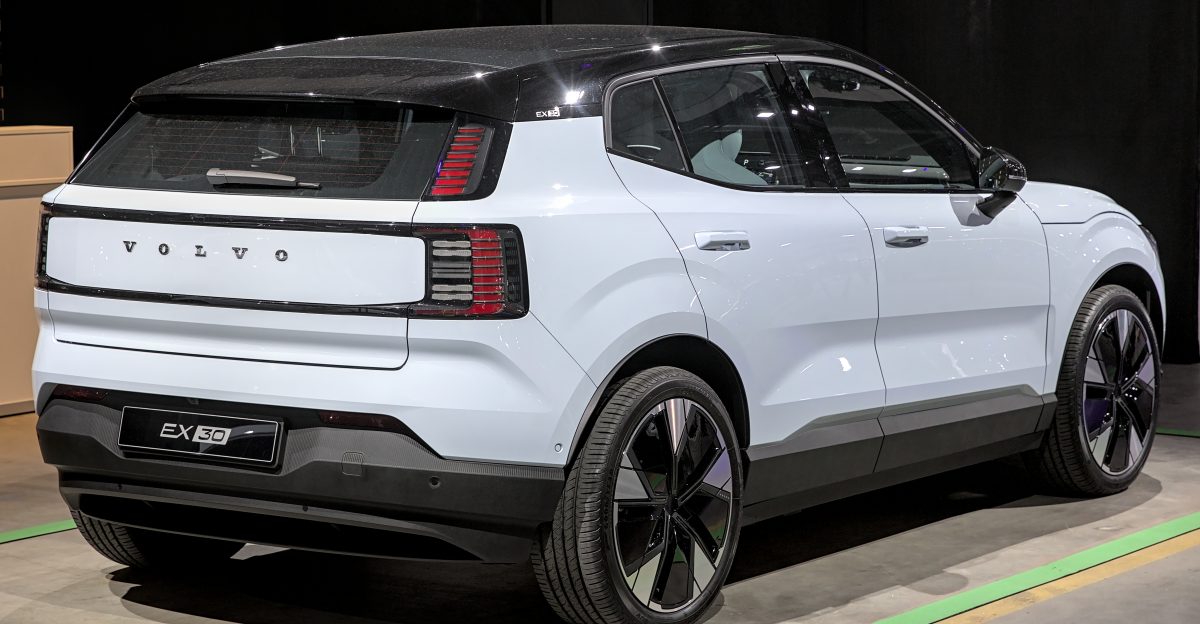
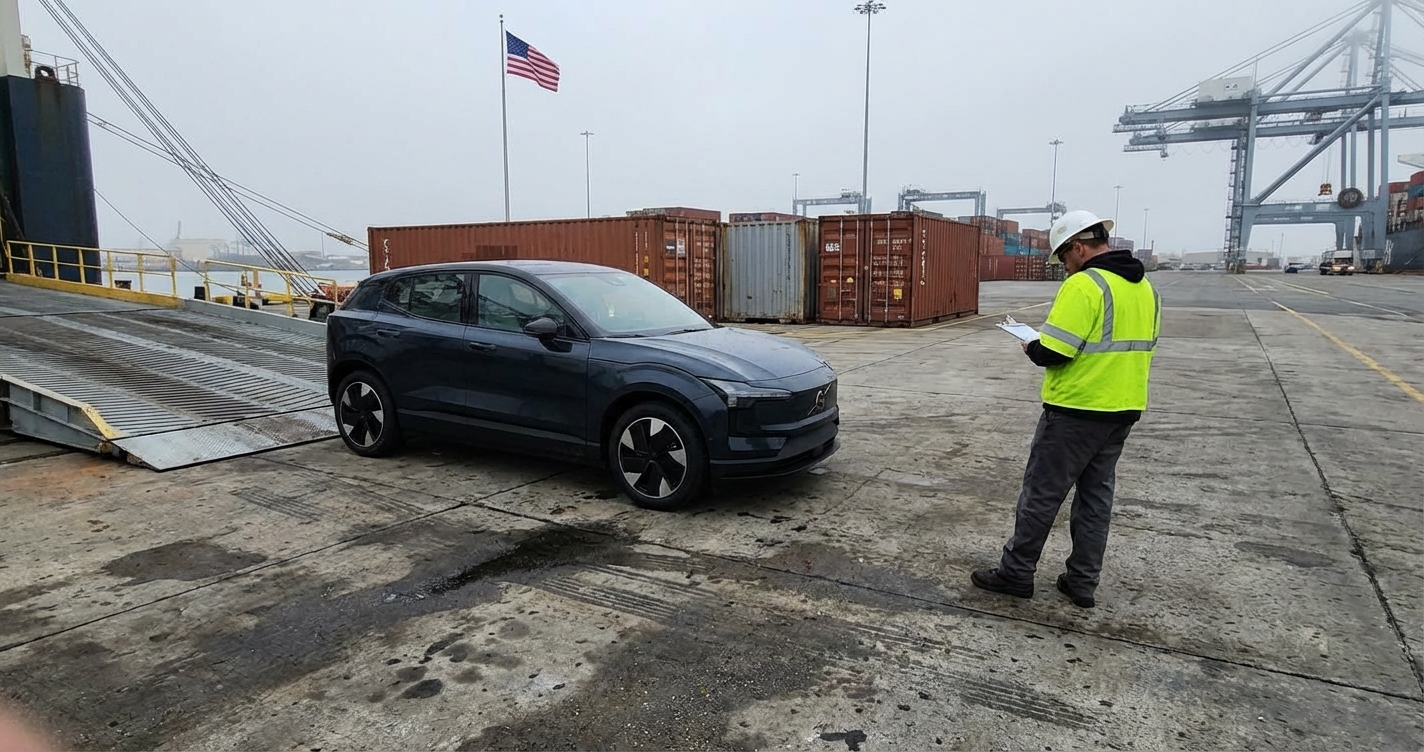
Volvo delayed U.S. deliveries of the EX30 to address these rules and adjust production. Eventually, Volvo decided to end U.S. sales after the 2026 model year, while the EX30 remained available in other countries. The “affordable” pitch collapses as soon as the incentive math no longer works. The car marketed as Volvo’s attainable EV must compete on sticker price alone.
Two cars can look identical on paper, but if only one qualifies for $7,500 off, they exist in different financial worlds for a family’s budget. The rules do more than add red tape. They reshape what automakers can offer and where. Washington did not ban the EX30; the original U.S. plan became unworkable.
How Policy Created Winners and Losers

The $7,500 credit functions like a coupon that only works at certain stores. EVs that clear the sourcing and assembly checklist get the discount. Cars that do not qualify miss out.
Competitors with supply chains aligned to North American rules gain an immediate advantage, even if their cars are similar on paper. This is industrial policy, playing out in showrooms. Automakers now compete on paperwork filed in Washington as much as on horsepower and range.
When Credits Disappear
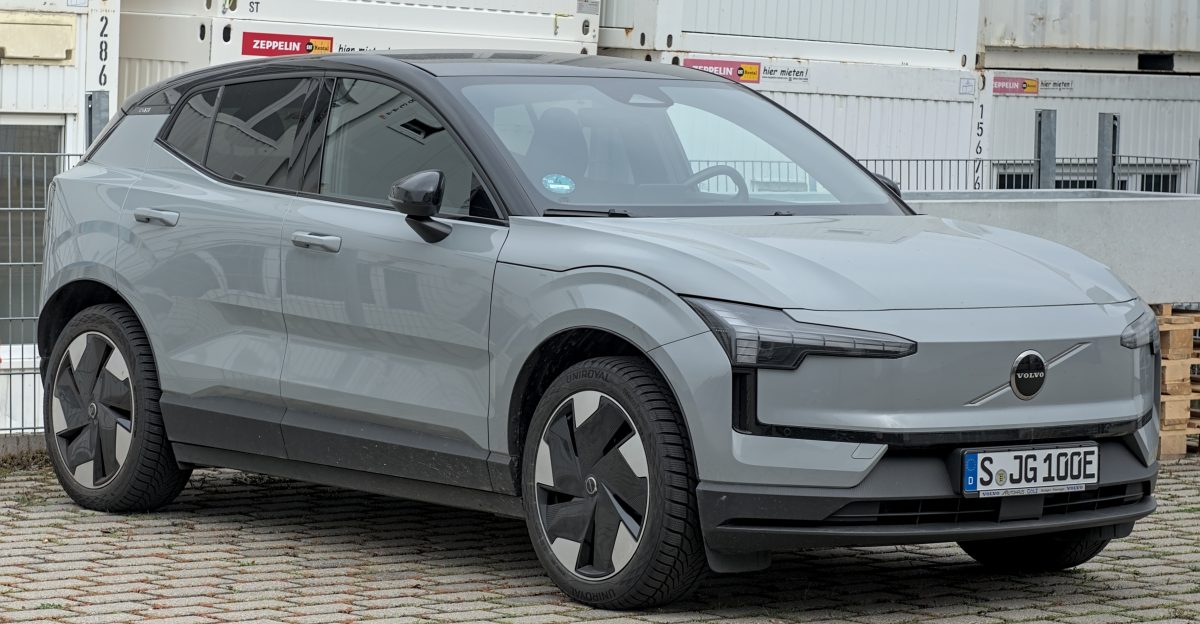
The story comes down to the gap. Without the credit, buyers who counted on that $7,500 face it as an invisible surcharge: never listed, but real. A jump in a mortgage rate can price families out even when the sticker price does not change.
The EX30’s global success proves the car works when incentives match the supply chain. In the U.S., policy, not just engineering, decides which models can compete. For many buyers, “affordable EV” now means “the one that qualifies for $7,500.” When Washington ended the federal EV tax credit in late 2025, even compliant cars lost that hidden coupon, shifting the price ladder all over again.
Dealers and Buyers Adjust
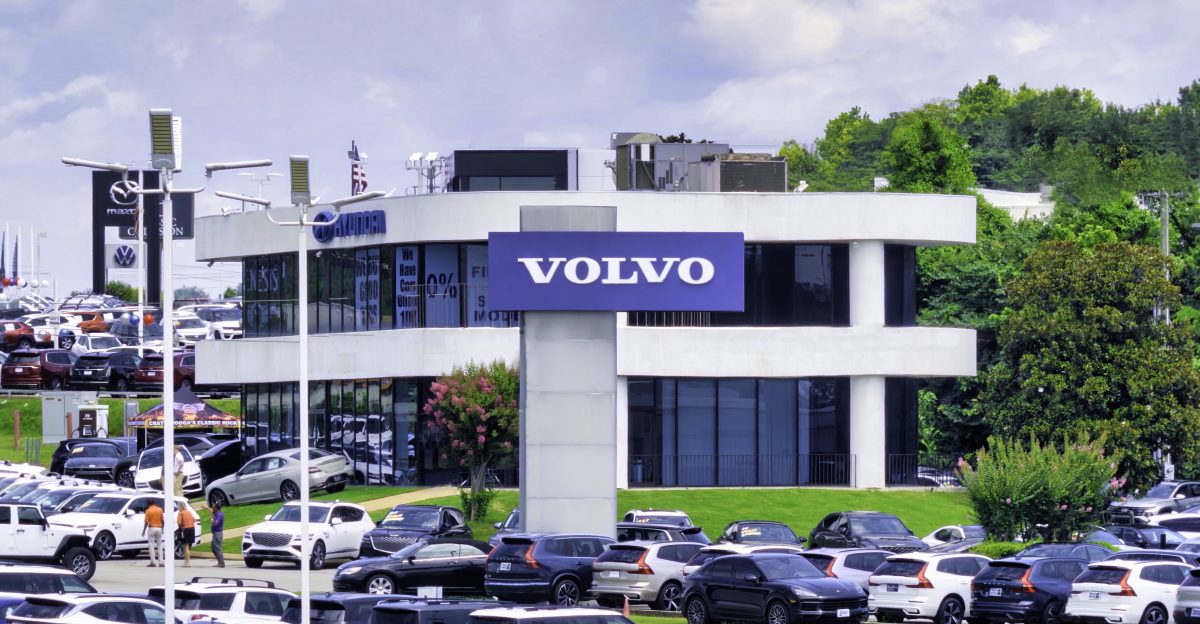
The impact reaches beyond Volvo’s bottom line. Dealers lose an affordable model that brought new customers through the door and introduced them to the brand. Sales staff who expected EX30 shoppers now have to steer buyers toward more expensive models, or see them go to rival brands. Shoppers determined to keep payments low look for other EVs that still qualify for incentives, handing competitors an advantage that does not come from design or range alone.
Across the industry, automakers must either invest in U.S.-compliant supply chains or delay and shrink their American lineups as they retool. Incentives are quietly reshaping where billions go and which cars make it to showrooms.
A New Era in Eligibility

This situation is not unique. Increasingly, a car’s availability in the U.S. depends on passing a regulatory checklist instead of just market trends or product cycles. The Inflation Reduction Act changed a straightforward rebate into a multi-page maze of requirements, all aimed at supporting domestic supply chains for batteries and minerals. The bar keeps moving.
Washington’s rules can keep a car out of the market or stall its entry even when customers are eager and reviews are positive. For EVs, “affordable” and “eligible” have become nearly synonymous, which changes how every price tag is read.
The Changing EV Menu
Pressure keeps increasing. As rules tighten and audits get tougher, more cars risk losing eligibility or credits during a model cycle. For budget-minded buyers, the menu changes from year to year. A car that is a bargain one year can become unaffordable the next. Volvo is shifting EX30 production to Ghent, Belgium, to keep the model competitive in Europe and other markets, while the American version faces higher costs and tariffs.
The EX30 continues elsewhere, but in the U.S. it stands as a case study in how policy, not just consumer demand, shapes the available selection. The entry-level option that gave families access to a new EV is vanishing from American showrooms, although it remains for sale across the border.
The Value of Knowing the Rules
The shopper who checks eligibility before entering a dealership now holds an advantage over those who trust the price tag. This is the new skill: knowing which cars come with the invisible coupon and which do not. Volvo’s pause and production shift show that the market no longer decides which EVs Americans can buy.
Brands with Washington-approved supply chains will absorb the demand Volvo cannot serve. The EX30 did not fail. It faced a test most buyers never knew existed and will not be the last EV graded on that curve.
Sources:
CBT News – “Volvo delays launch of EX30 in the U.S. to 2025 amid production ramp-up in Belgium” – June 26, 2024
EV inFocus – “Volvo delays US EX30 launch” – July 1, 2024
MotorTrend – “2025 Volvo EX30” – February 23, 2026
Charged EVs – “Hopes of a $35000 Volvo EV are gone, but the EX30 remains fun to drive for two people at a time” – January 18, 2026
U.S. Department of Energy, Alternative Fuels Data Center – “Electric Vehicle (EV) and Fuel Cell Electric Vehicle (FCEV) Tax Credit” – September 30, 2025 (last updated)
DLA Piper (summarizing U.S. Treasury/DOE regulations) – “US Departments of Treasury and Energy issue final tax credit regulations for clean vehicles” – April 2, 2023