McLaren’s China Disaster Puts Norris And Piastri In Toughest Spell Yet Within 2026 Reset
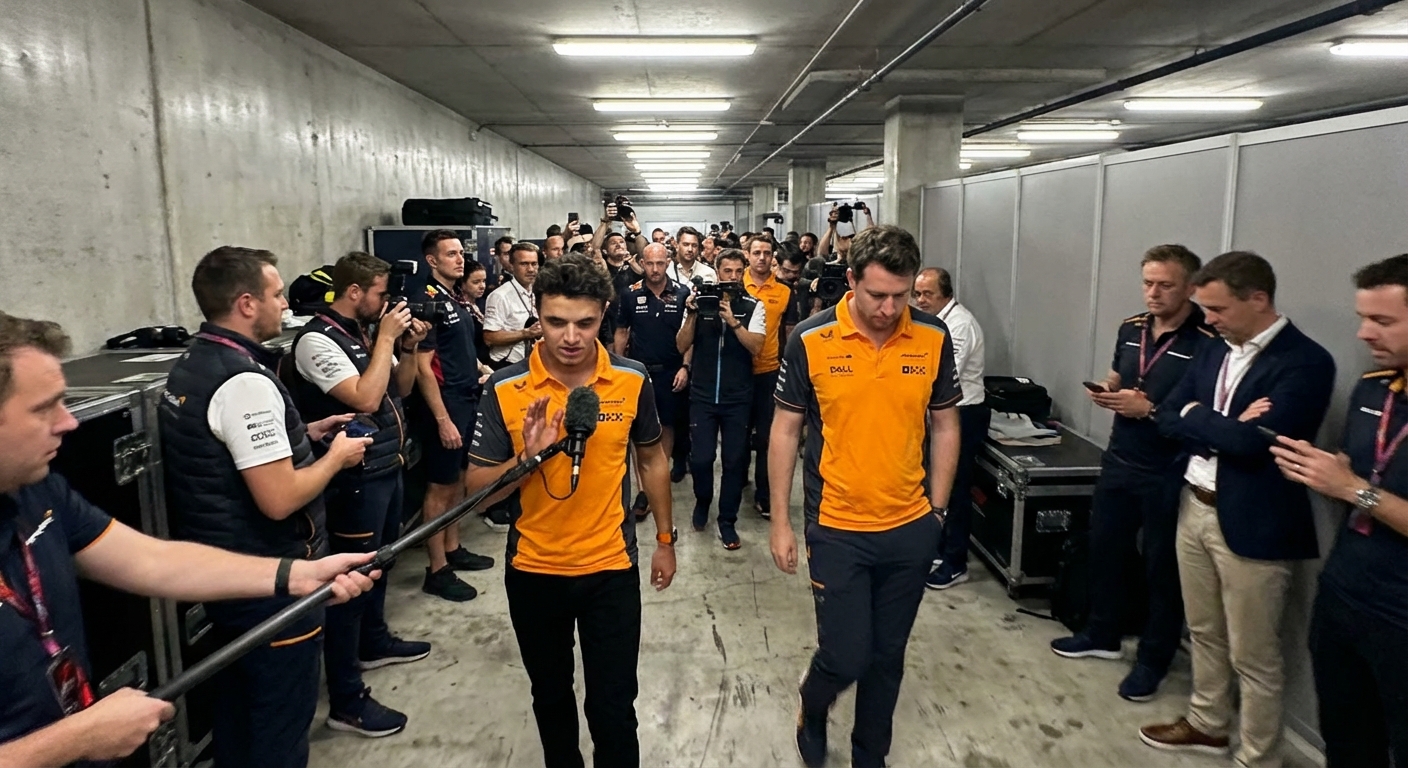
McLaren arrived at the 2026 Chinese Grand Prix with high hopes for Lando Norris and Oscar Piastri but left without points, signaling a rare double failure. Both cars struggled under the new technical regulations, exposing structural limitations in aerodynamics, power units, and mechanical design. Sky Sports called it a “Chinese GP disaster,” while the team framed it as a “tough moment.” The weekend forced McLaren to confront immediate performance gaps and long-term challenges, setting the stage for a season defined by adaptation, strategic recalibration, and preparation for the 2026 regulatory era.
Stakes Were Already High
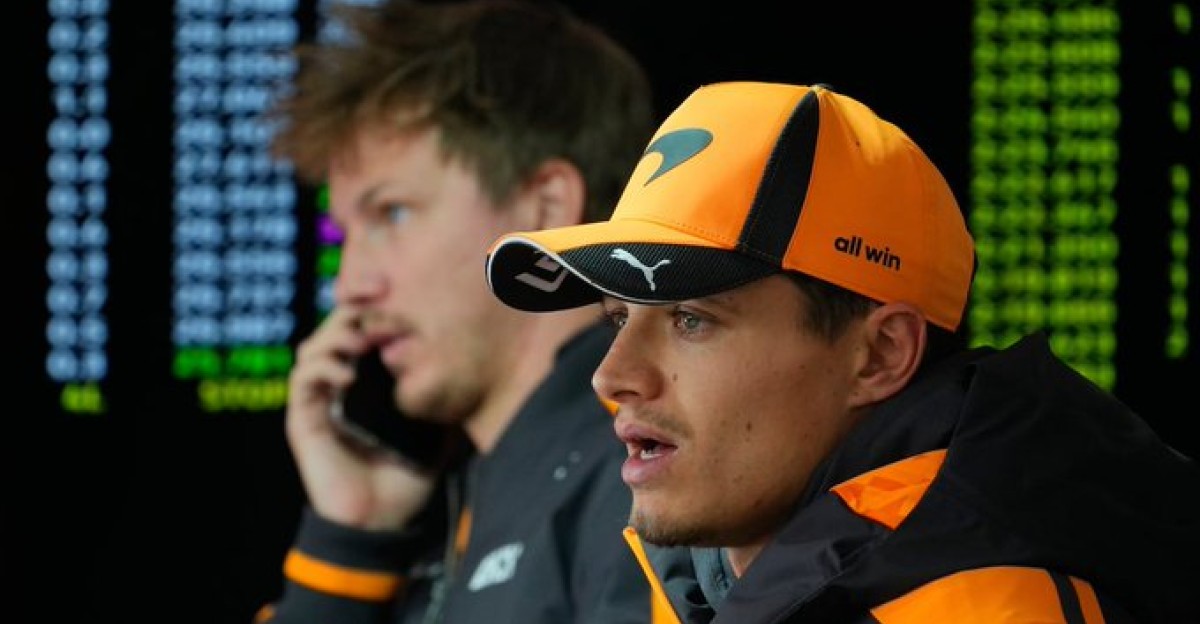
Norris and Piastri entered Shanghai as McLaren’s primary drivers, the pair around whom the team structured its competitive strategy. Championship calculations punish weekends with no points. Every point scored by rivals widens the gap and requires multiple clean rounds to close. Pressure existed before Shanghai, and the weekend highlighted it publicly. Formula 1 fans saw the team’s ambitions collide with performance limits. The outcome exposed vulnerabilities beyond driver skill. Language used by McLaren in post-race statements revealed the team’s recognition of structural challenges within the current regulations.
When Words Matter
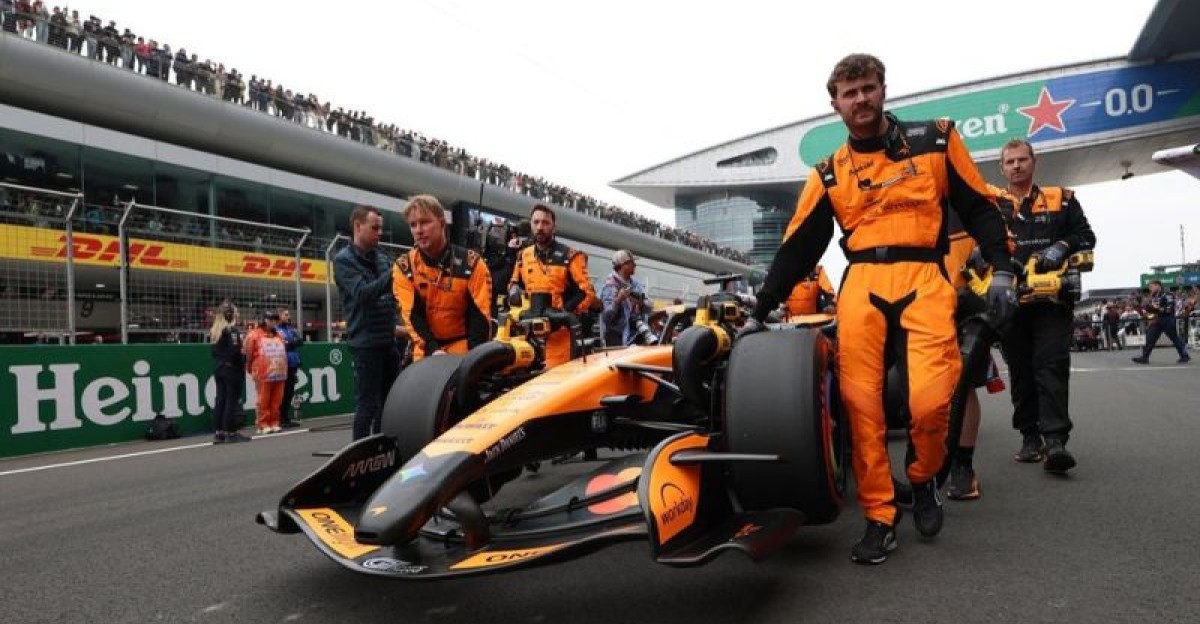
McLaren called the weekend a “tough moment.” Sky Sports labeled it a “Chinese GP disaster.” One phrase reflected corporate cushioning. The other highlighted the seriousness of the failure. Strategy errors or mechanical gremlins would have prompted precise, actionable language. “Tough moment” signaled that the problem extended beyond immediate performance. Observers understood that McLaren recognized structural limitations in the car. The messaging revealed that the team viewed the current car concept as constrained and that solutions would require sustained development work through the season.
Operating Under New Rules
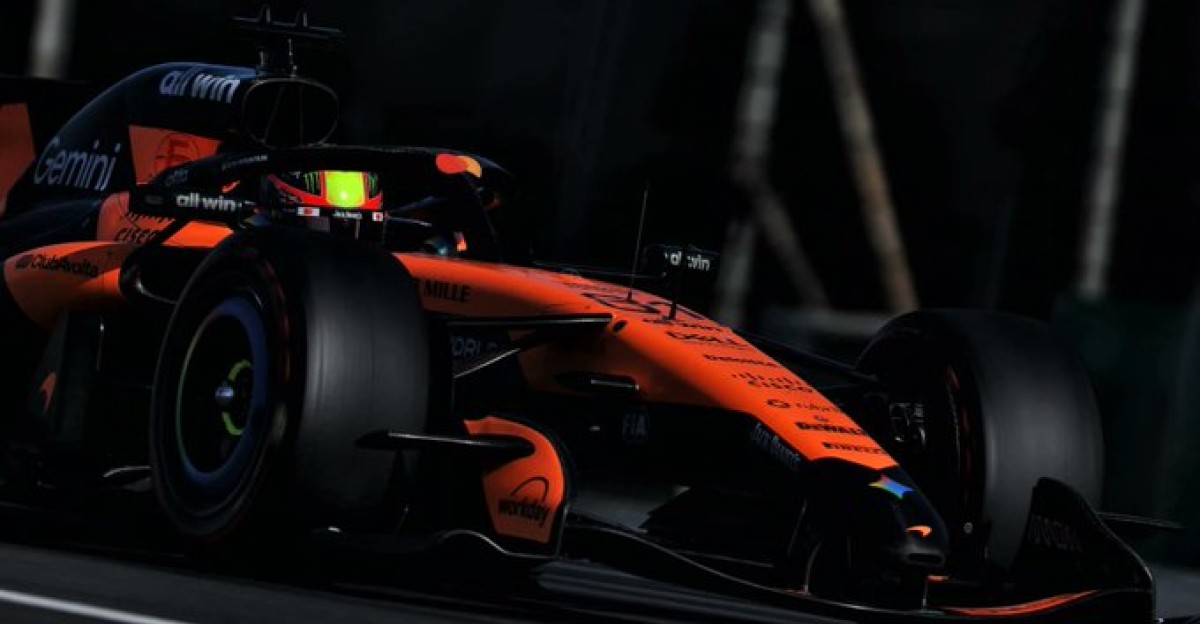
McLaren is competing under the 2026 technical regulations, which introduced major changes to aerodynamics, power units, and mechanical platforms at the start of this season. The team expressed confidence in its drivers’ ability to recover from the Shanghai setback while continuing development within the new regulatory framework. Sky Sports reported that McLaren views the early struggles as part of adapting to the new rules rather than fundamental driver issues. The team’s messaging emphasized ongoing development work and long-term competitiveness as it addresses the constraints exposed by the double failure in China.
The Cage of Rules
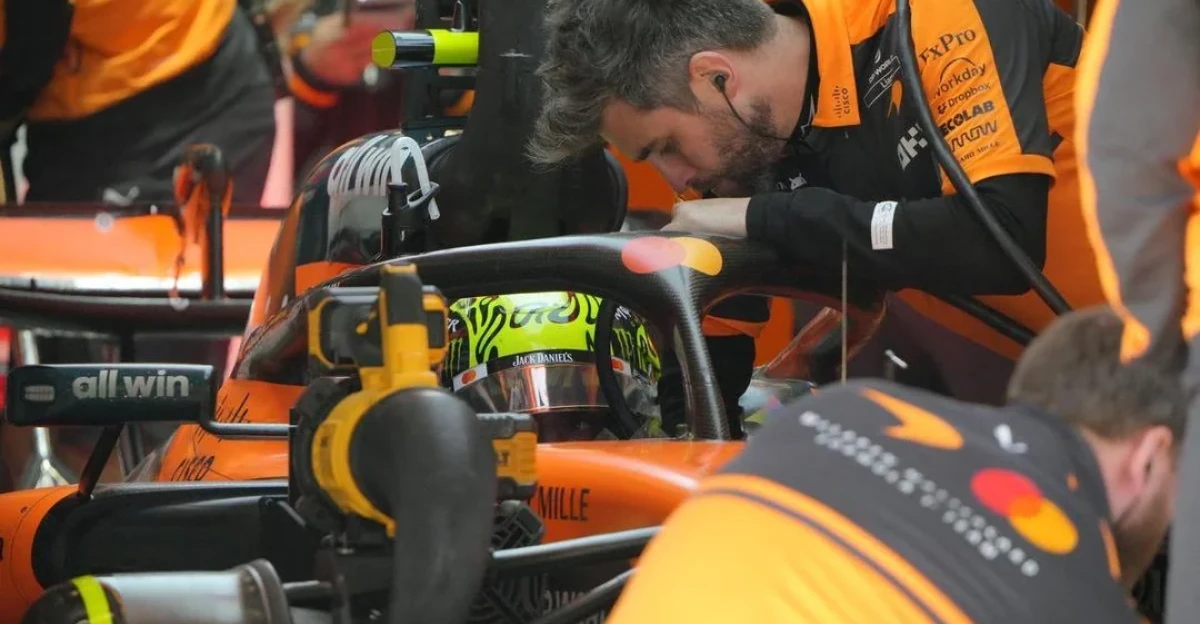
FIA regulations define the parameters for every Formula 1 team. Technical rules determine car construction. Sporting rules dictate penalties and outcomes. These regulations form boundaries that McLaren must operate within. The similar struggles of both cars in Shanghai point to system constraints rather than driver error. Piastri and Norris faced limits imposed by design concepts and operational frameworks. Individual skill could not overcome these restrictions. The current 2026 regulations set strict constraints on development, defining priorities for the team. Analysts observed that the weekend exposed both mechanical and regulatory challenges that will influence the remainder of the season.
Two Cars, One Issue
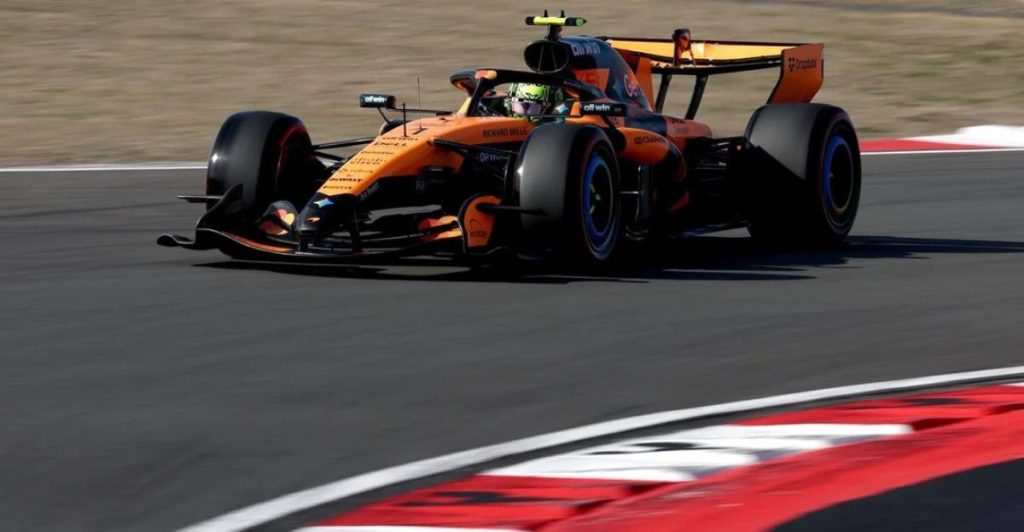
Both drivers experiencing problems with the same car concept prompted questions across McLaren’s garage. Aerodynamic philosophy, mechanical design, and operational execution all contributed to the weekend’s outcome. McLaren’s public messaging about long-term development signals where the team perceives current constraints, which influences competitor awareness. Motorsport.com noted that communicating long-term strategy informs how rivals interpret a team’s ceiling. Engineering and strategic teams faced immediate pressure to diagnose issues. The pattern of dual car struggles suggested that fixes required structural adjustments rather than minor setup changes. Shanghai became a reference point for both competition and internal evaluation.
Aftershocks Hit Hard
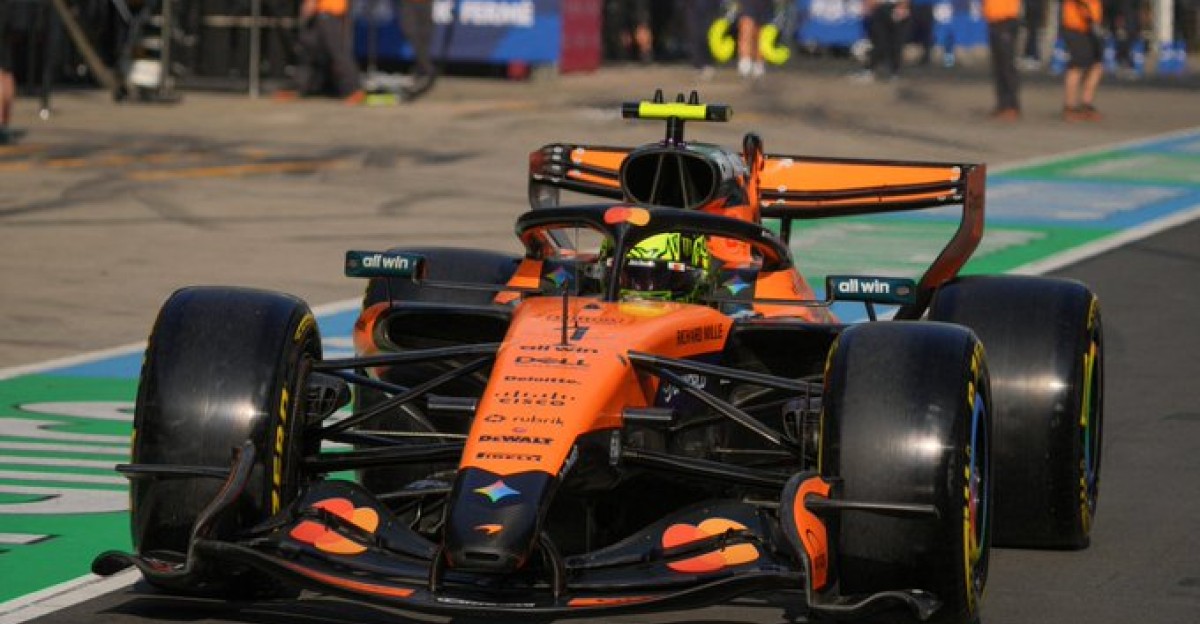
Setbacks in Shanghai extended beyond immediate results. Sponsors and partners demanded explanations. Engineers and strategists experienced increased scrutiny as performance pressure intensified. Major points losses can influence future strategy and risk tolerance, creating ripple effects for the team. Sky Sports reported that McLaren managed internal consequences while evaluating performance improvements. Every department faced pressure to balance stability with ongoing development. Race strategy, upgrades, and team communication had to be recalibrated. The weekend’s outcome shaped planning for the next rounds, affecting decisions about risk, setup, and point collection across multiple upcoming events in the season.
Adapting To The New Era
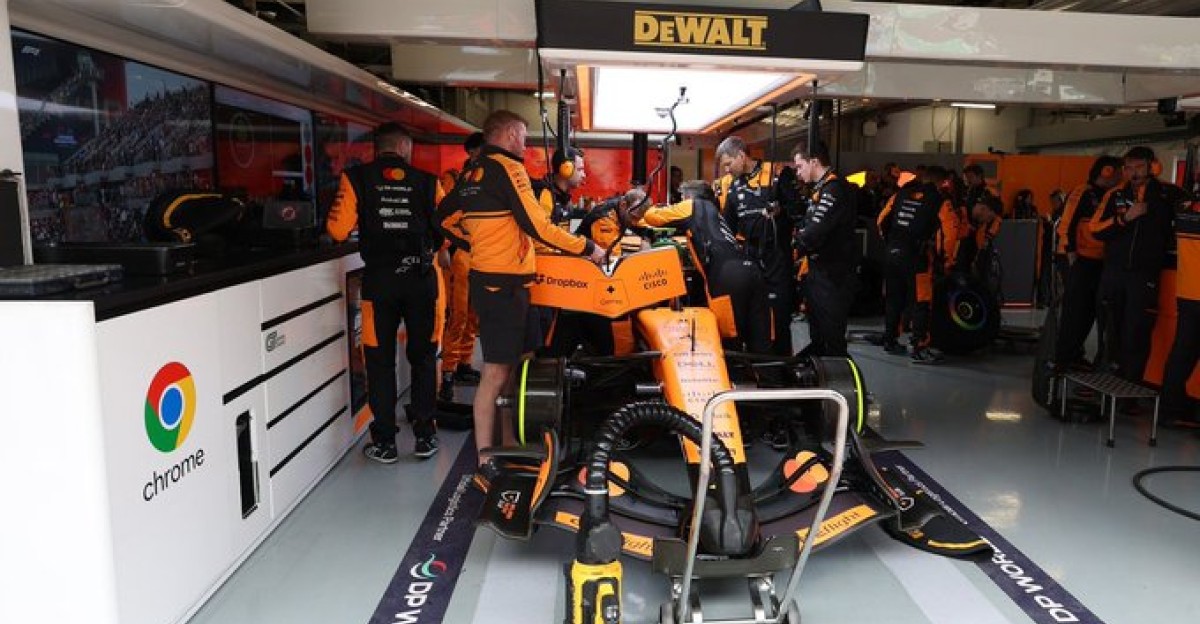
The 2026 regulations introduced new technical requirements for power units, aerodynamics, and car construction at the start of this season. Teams adapting to these rules face a reshaped competitive order. Autosport and The Race noted that regulation changes can significantly impact competitive results, with teams that succeeded under previous rules sometimes struggling under new ones. McLaren’s early-season struggles highlight the challenges of adapting to the new regulatory framework. The team’s messaging positioned ongoing development work as critical to long-term competitiveness while acknowledging that the current car concept had limitations exposed in Shanghai, influencing both competitors’ perceptions and internal development priorities.
Pressure Forward
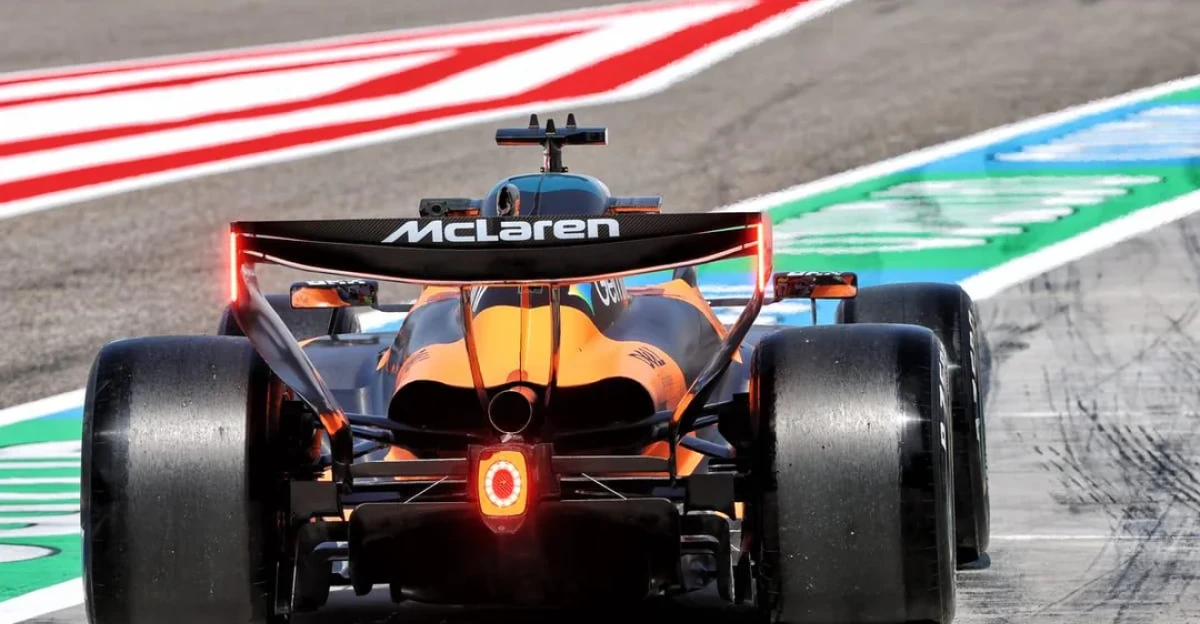
McLaren’s 2026 season operates under new technical regulations that define car design and performance limits. FIA rules create constraints on development: aggressive designs risk reliability or compliance issues, while conservative approaches risk falling behind rivals. The team publicly expressed confidence in Norris and Piastri during this early phase of the new regulatory era, highlighting their centrality to competitiveness. Managing short-term performance while continuing development within the new regulations presents a strategic challenge. Motorsport.com reported that the team must weigh immediate race results against longer-term development goals. How McLaren balances these priorities will shape the drivers’ trajectory and the team’s competitive standing.
The Framework
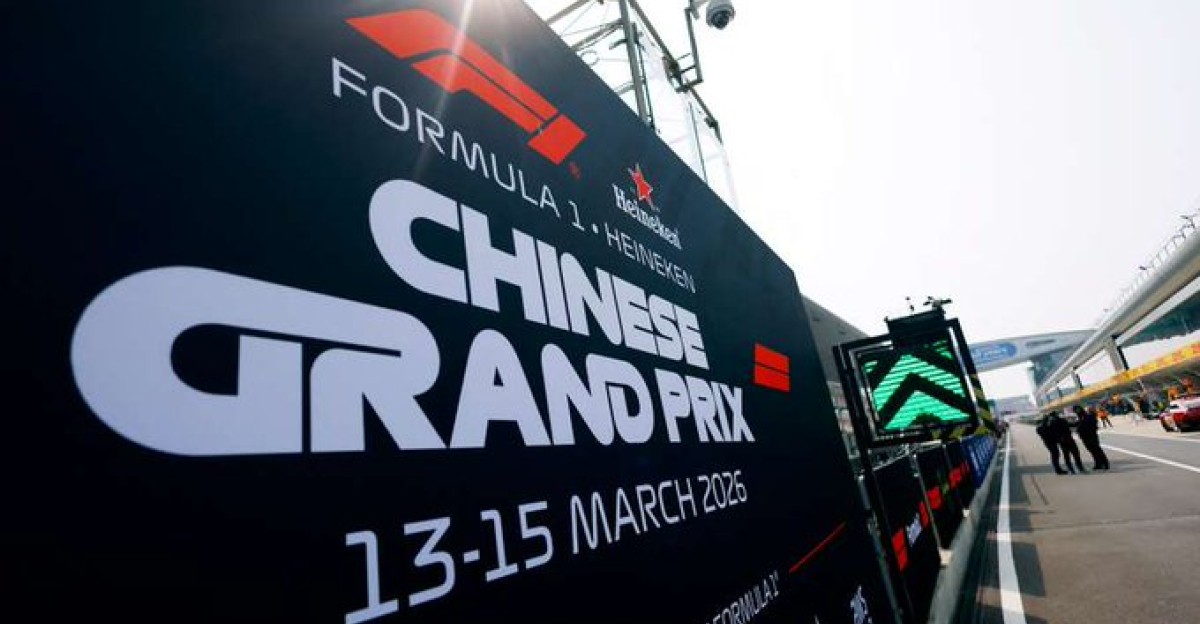
The Chinese Grand Prix will be remembered as a challenging weekend for McLaren. The team’s messaging highlighted that the limitations extended beyond driver performance to structural challenges within the new regulatory framework. FIA rules define operational boundaries that affect car development and strategy. Past regulation changes have reshaped competitive order, demonstrating that rule resets can be decisive. McLaren’s challenge lies in managing the remainder of the 2026 season while continuing to develop competitiveness under the new regulations. Sky Sports noted that the weekend reflected deeper structural limitations rather than isolated mistakes. The approach to points, car setup, and team development will indicate whether Shanghai represented a one-off failure or a sign of systemic constraints.
Sources:
McLaren say Lando Norris, Oscar Piastri in ‘tough moment’ after Chinese GP disaster. Sky Sports F1, March 18, 2026
Both McLaren drivers miss start of F1’s Chinese Grand Prix. The Race, March 14, 2026
McLaren’s Lando Norris and Oscar Piastri both fail to start. ESPN, March 15, 2026
McLaren drivers explain what led to double DNS at F1 Chinese GP. Autosport, March 14, 2026
F1 2026: What are the new regulations, engine changes and how will the racing be affected? Sky Sports F1, December 2, 2025
Explaining F1’s new 2026 regulations. McLaren Racing, January 15, 2026