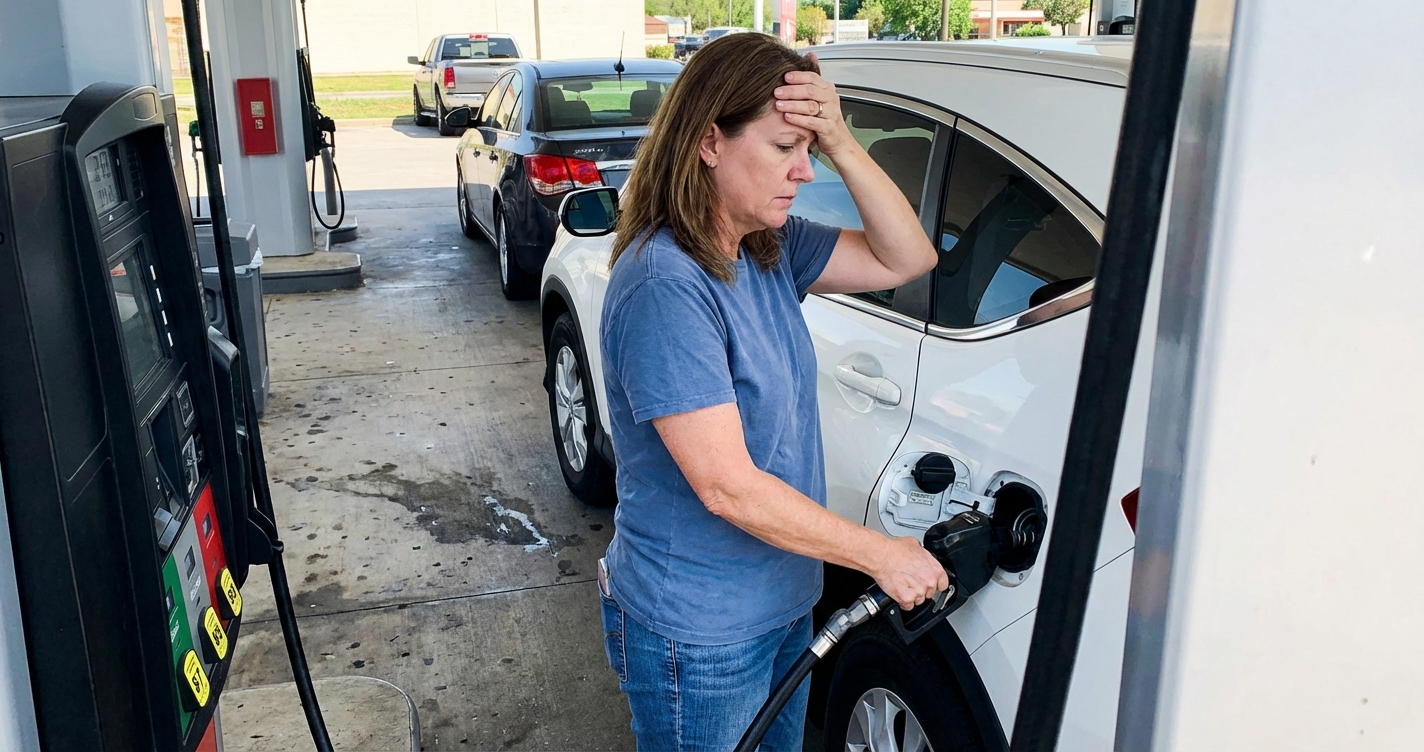
Gas Jumps To $3.63 As Americans Spend $300M More Than 30 Days Ago
For the first time since 2023, every U.S. state now records an average gasoline price above $3 a gallon, AAA data confirm. The threshold was crossed as the national average climbed past $3.88, eliminating any remaining pockets of cheaper fuel that had lingered in the Midwest and South. This nationwide uniformity underscores how broadly the Iran related oil shock is being felt, from coastal cities to rural heartlands. Economists warn that when pump prices rise uniformly, households have fewer options to offset costs by driving to cheaper locations, amplifying the financial strain on consumers nationwide.
National Average Surpasses $3.88
On March 20, 2026, the national average price for a gallon of regular gasoline reached $3.884, the highest level since mid 2024, according to AAA’s daily fuel report. The jump, driven by escalating tensions in Iran that threaten oil supplies through the Strait of Hormuz, marks a sharp reversal from the low prices seen earlier this year. Analysts say the surge reflects both geopolitical risk and seasonal demand as spring break travel begins. The figure already exceeds the $3.63 average reported just a week earlier, showing how quickly pump prices can climb when crude oil markets tighten.
Impact on Household Budgets

Higher fuel costs are squeezing household budgets, forcing families to allocate more of their income to transportation and less to discretionary spending. Research from ACEEE indicates that low income households, particularly those earning under $75,000, are disproportionately burdened by rising fuel costs, in some cases spending upward of 20% of household income on gasoline during price spikes. Transportation analysts note that higher pump prices are forcing many households to devote a larger share of their budgets to gasoline as national averages have climbed sharply since early March. Drivers in the gig economy, including Uber and Lyft, have reported in news interviews and surveys that they are becoming more selective about the rides they accept when fuel prices spike, since extra miles driven to reach passengers can quickly erode already thin profit margins. The pinch is especially acute for those with long commutes or multiple vehicles.
Electric Vehicle Advantage
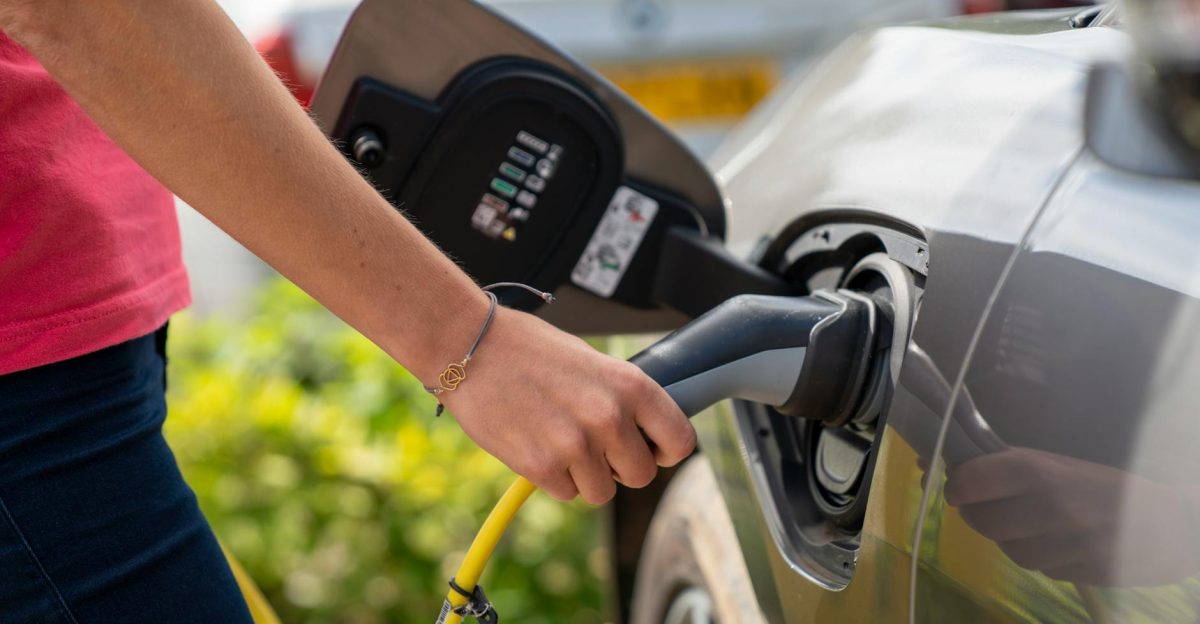
While gasoline prices climb, electric vehicle owners enjoy a relative cost advantage because electricity rates have remained stable. The national average for a kilowatt hour at public EV charging stations held flat this week at 41 cents, according to AAA’s fuel report. That stability contrasts sharply with the 28 cent weekly jump in gasoline prices, leaving EV drivers paying roughly half the energy cost per mile compared with gasoline powered cars. Analysts note that the widening gap could accelerate EV adoption, especially among cost conscious commuters seeking to insulate themselves from volatile fuel markets.
Commuter Pay Cut Effect

For commuters, each extra dollar spent at the pump effectively reduces take home pay, acting like an unannounced wage cut. At the current $3.884 average, a driver who travels 15,000 miles annually in a vehicle that gets 25 mpg will spend about $2,330 on gasoline this year, roughly $572 more than at the $2.93 price seen a month ago. That additional outlay can offset wage gains or make budgeting tighter, reinforcing arguments in the ongoing return to office debate. Employers note that higher commuting costs make remote work more attractive, yet many firms remain hesitant to change policies in a cooling labor market.
AAA Spokesperson on Pump Pressures

AAA spokesperson Aixa Diaz explained that the current rise stems from a mix of seasonal factors and global oil market turmoil. “These factors, combined with high crude oil prices, contribute to increased pump prices,” Diaz told CNBC, noting that spring break travel and the switch to summer blend gasoline typically lift costs at this time of year. She added that while prices are still well below the 2022 peak above $5 a gallon, the speed of the increase warrants close monitoring by both consumers and policymakers.
Analyst Outlook on Future Prices

Raymond James analyst Bobby Griffin said the trajectory of gas prices will depend largely on how long the Iran related market disruption lasts. “If crude oil prices continue to climb, retailers may have to ‘chase’ higher price points to maintain their profit margins,” Griffin warned, adding that stabilization would squeeze seller margins for a few weeks. He also cautioned that even if oil costs fall, retailers often delay passing savings to drivers, meaning pump prices could remain elevated longer than the underlying crude trend suggests.
Spring Break Demand and Summer Blend

Seasonal demand is amplifying the price pressure as spring break travel brings more vehicles onto the roads. AAA reports that gasoline demand typically rises this time of year, and refineries begin producing the more expensive summer blend fuel, which carries a higher production cost. The national average per kilowatt hour of electricity at public EV charging stations held steady this week at 41 cents, according to AAA, illustrating the stark contrast between stable electricity rates and volatile gasoline pricing. Together, these factors create a perfect storm that pushes pump prices upward even as crude oil markets remain jittery.
Still Below 2022 Record Peaks
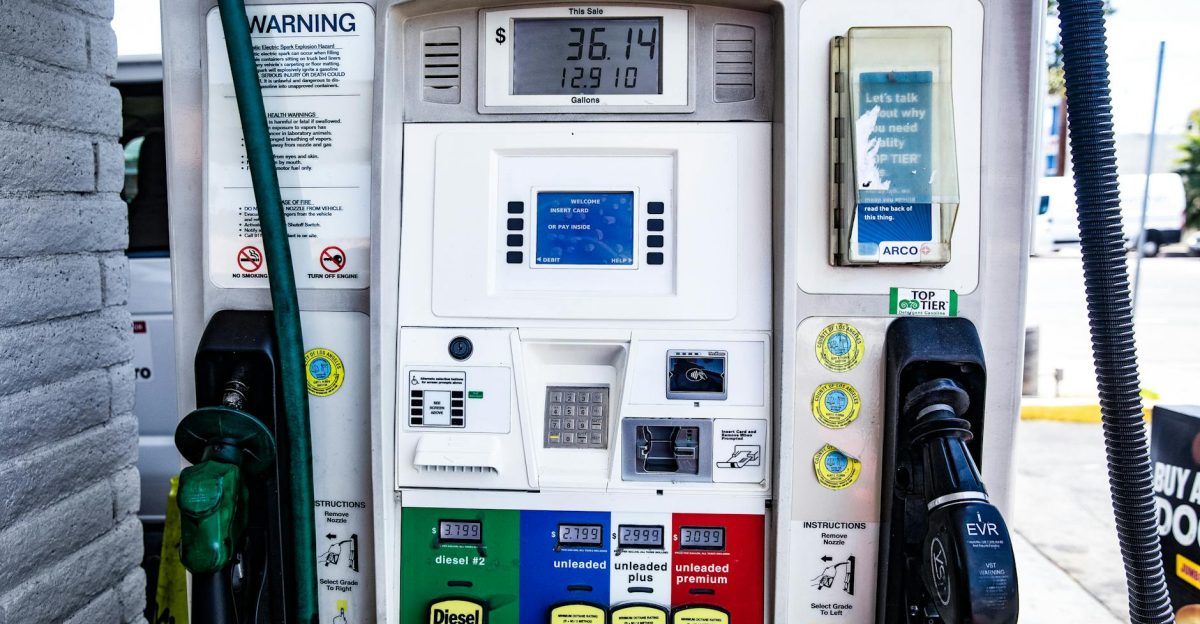
Despite the recent spike, today’s gasoline prices remain well below the record highs set after Russia’s invasion of Ukraine in 2022, when the national average topped $5 a gallon. AAA notes that the current $3.884 average is about 23% lower than that peak, giving households some relief compared with the worst case scenario of two years ago. However, analysts warn that if the Iran conflict escalates further or if refinery outages occur, prices could quickly approach those earlier levels, underscoring the need for continued vigilance.
What Lies Ahead
Prediction markets currently give a 22% chance that national gas prices will hit $4.50 by the end of March and a 7% likelihood of reaching $5, according to Polymarket data as of March 20, 2026. Analysts stress that the outlook remains highly uncertain, hinging on geopolitical developments, OPEC+ production decisions, and the speed of any potential diplomatic resolution in Iran. Until those factors clarify, consumers should brace for possible further volatility at the pump and consider strategies such as trip consolidation, fuel efficient driving, or exploring electric vehicle options to mitigate the impact.
Sources
“As Spring Equinox Arrives, Gas Prices Continue to Climb.” AAA, March 2026.
“Americans Are Spending $300 Million More on Gasoline Than a Month Ago.” Yahoo Finance, March 2026.
“Gas Prices Map Shows Every US State Above $3 a Gallon.” Business Insider, March 2026.
“Gas Prices Could Set New All-Time High By the End of March.” Yahoo Finance, March 2026.
“Gasoline Costs Consume Nearly 20% of Some Household Budgets.” ACEEE, 2025.
“AAA Rolls Out Access to National Average EV Charging Data.” AAA, 2024.
“Will Gas Hit $4.50 or $5 by the End of March?” Polymarket, March 2026.