New Highway Bill Aims $250 Annual Fee At EVs While Lawmakers Seek To Suspend Gas Tax Instead
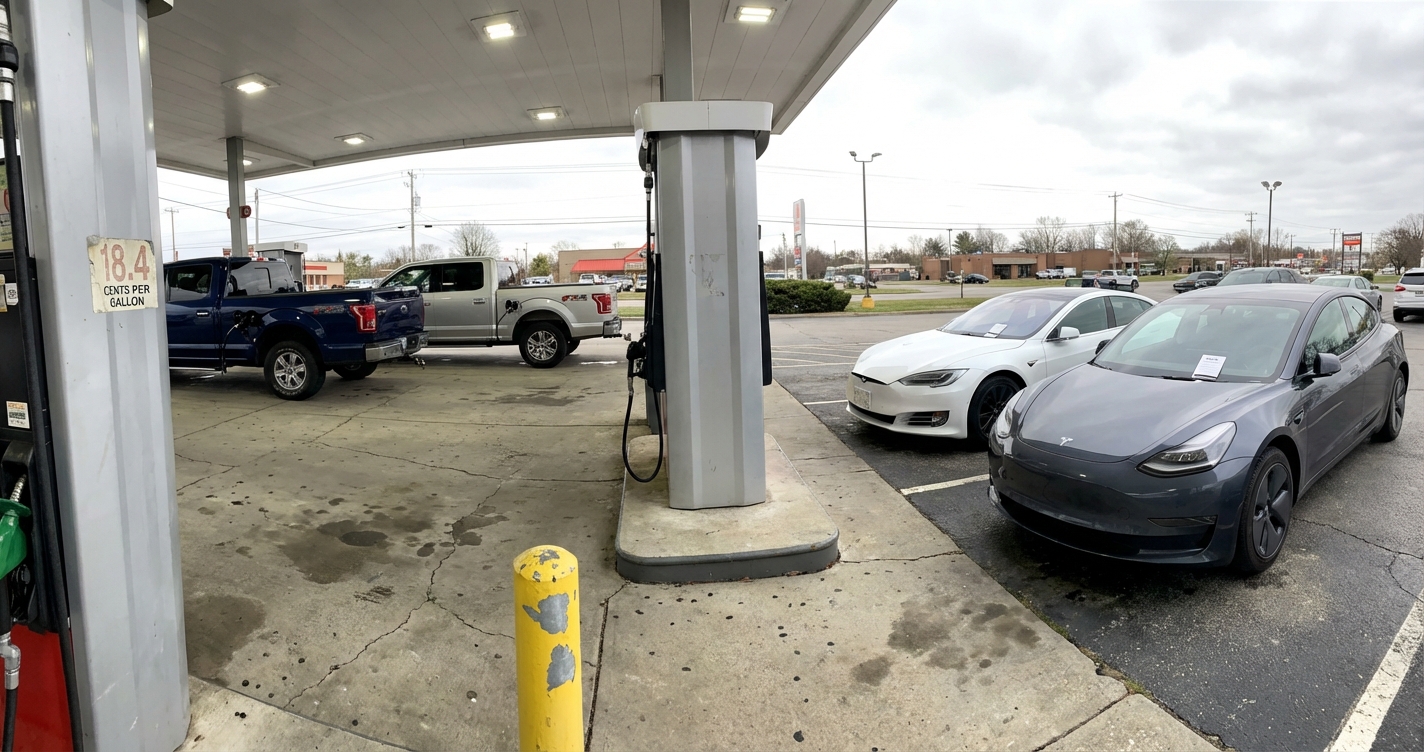
The federal gas tax sits at 18.4 cents per gallon. That rate was set in 1993, back when the average car got nowhere near today’s fuel economy. It has not moved a single penny since. No adjustment for inflation. No update for construction costs. No acknowledgment that the roads it funds are falling apart faster than the money comes in. And now, with the Highway Trust Fund staring down insolvency, Congress has found its newest revenue target: the people who stopped buying gasoline altogether.
Shrinking base
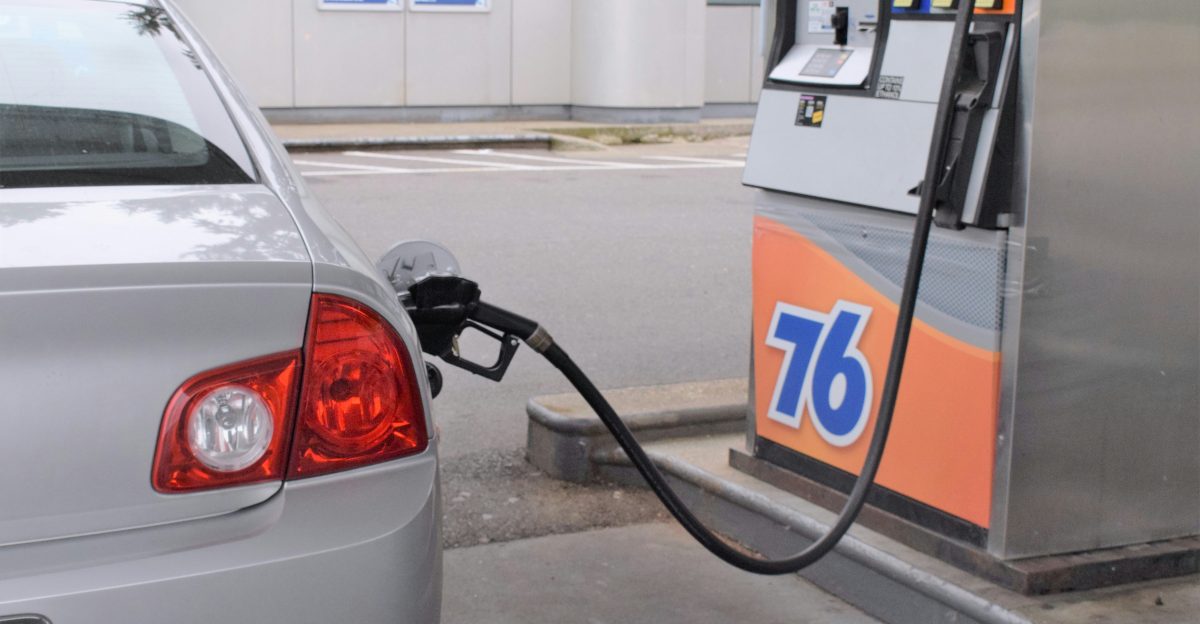
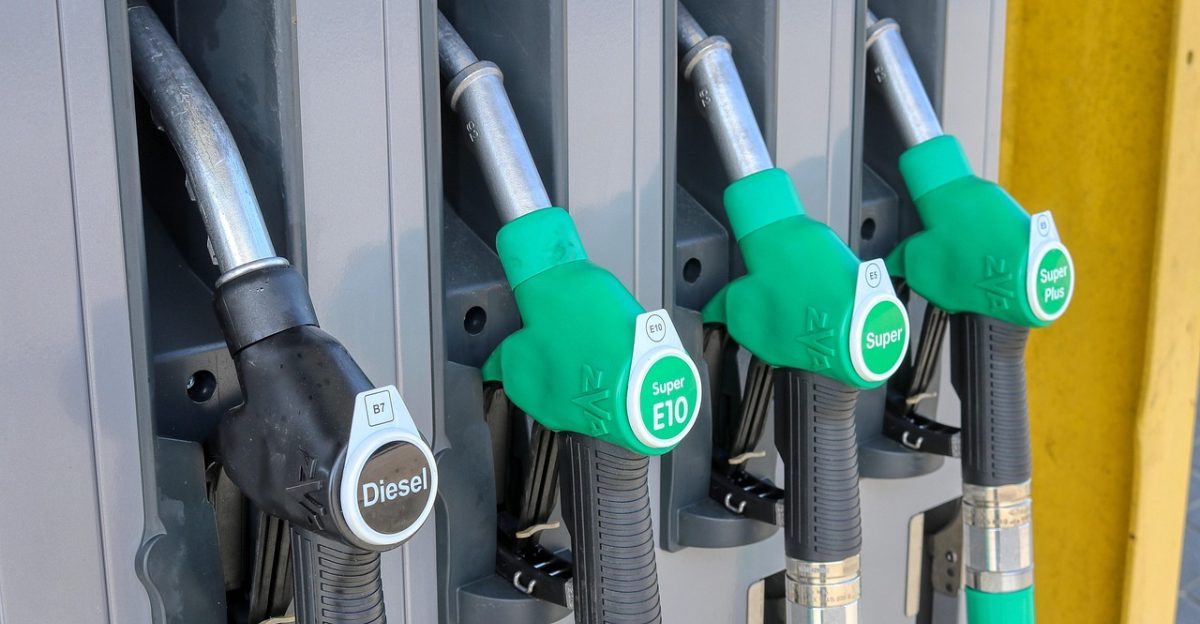
A driver with a 25-mpg car pays roughly $99 a year in federal gas tax at typical mileage. Bump that to 37 mpg and the annual contribution drops to approximately $67. Same roads, same wear, less money. Bureau of Transportation Statistics data shows long-run fuel economy improvements across U.S. light-duty vehicles, which means every mile driven generates less revenue than it used to. The trust fund was designed for an era of gas guzzlers. That era ended, and nobody updated the math.
Cracks in the myth
Most Americans assume their gas purchases automatically keep highways funded. That assumption is wrong. The Congressional Research Service documents repeated general-fund transfers propping up the Highway Trust Fund because fuel-tax receipts consistently lag spending needs. Taxpayers who never touch a steering wheel are already subsidizing roads through the back door. The comfortable fiction that drivers pay their own way collapsed years ago. Congress just never told anyone. So when lawmakers frame EV fees as a “fairness” fix, they’re patching a hole while ignoring the flood underneath.
The real design flaw
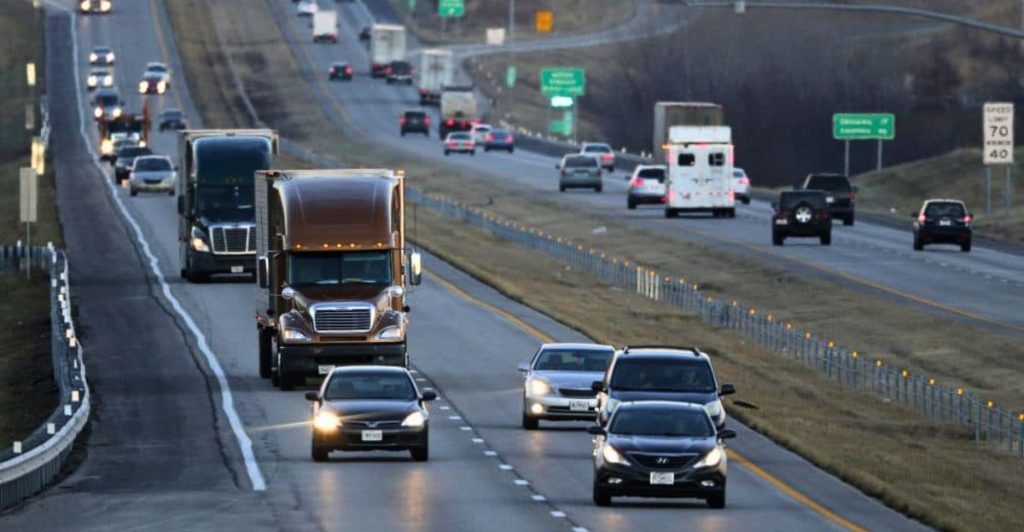
The system taxes gallons. Roads are consumed by miles and weight. That single mismatch is the entire problem. CBO projects the Highway Trust Fund’s highway account could become insolvent within the budget window without policy changes. Congress responds by targeting EV owners for new annual fees. Not by updating the 1993 rate. Not by shifting to mileage-based charges. By billing the people who followed federal incentives to buy cleaner cars. One group gets a $7,500 tax credit. Then gets a new fee to offset it.
Subsidy whiplash

The IRS administered clean vehicle credits up to $7,500 for new EVs and up to $4,000 for used ones—until Congress eliminated both credits effective September 30, 2025, under the One Big Beautiful Bill. Federal policy actively encouraged electrification, then reversed that policy before the decade ended. Now the same government that incentivized EV purchases, stripped those incentives, and is floating annual charges on the vehicles it once subsidized. That sequence reveals the hidden mechanism: road funding was never designed around vehicle type. It was designed around fuel consumption. When consumption drops, the model breaks, and policymakers scramble for the easiest patch rather than rebuilding the foundation.
States as a preview
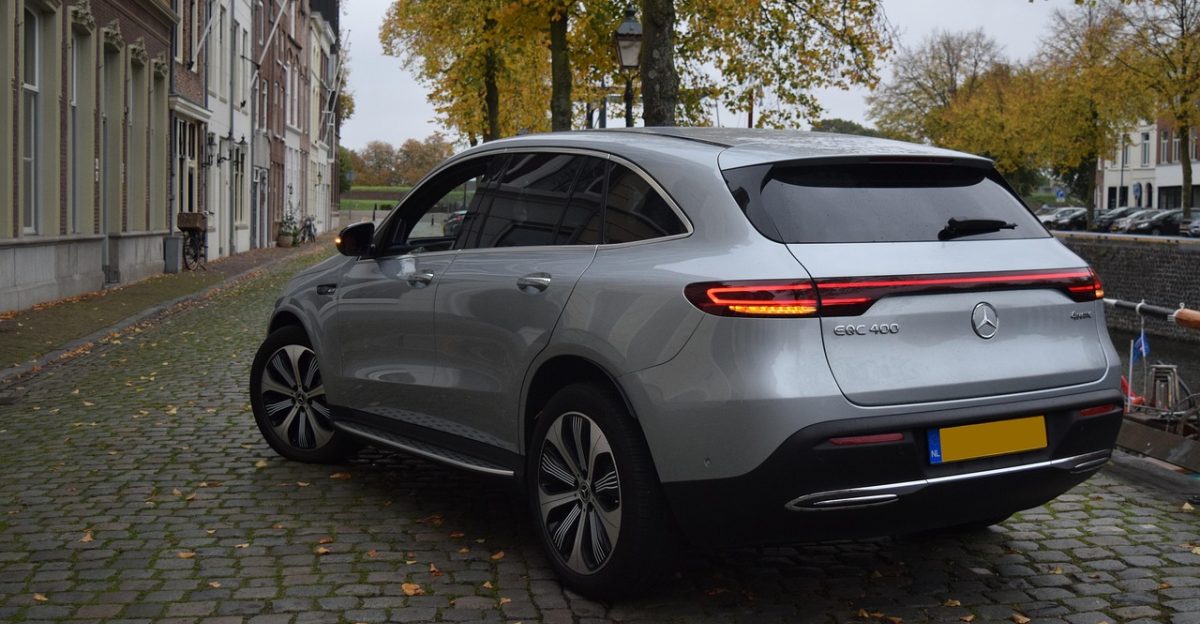
Many states already moved first. The National Conference of State Legislatures tracks annual EV registration fees across the country, with charges commonly ranging from roughly $50 to over $200 depending on the state and vehicle type. That patchwork exists because state lawmakers hit the same wall Congress is hitting now: fewer gallons sold, same roads to maintain. The state-level experiment proves the political math works. Charging EV owners is easier than raising gas taxes on everyone. Easier doesn’t mean smarter.
Ripple effects of inaction
If Congress keeps avoiding a gas-tax update, the consequences spread beyond EV owners. More general-fund transfers shift the burden to all taxpayers, including people who don’t drive at all. Automakers and EV advocates face a policy environment that simultaneously incentivizes and penalizes electrification, chilling consumer confidence. High-mileage EV drivers get hit hardest if fees are flat rather than scaled to actual road use. The GAO describes the mismatch between projected revenues and spending as unsustainable. That word carries weight from an agency that doesn’t use it lightly.
A new rulebook emerging
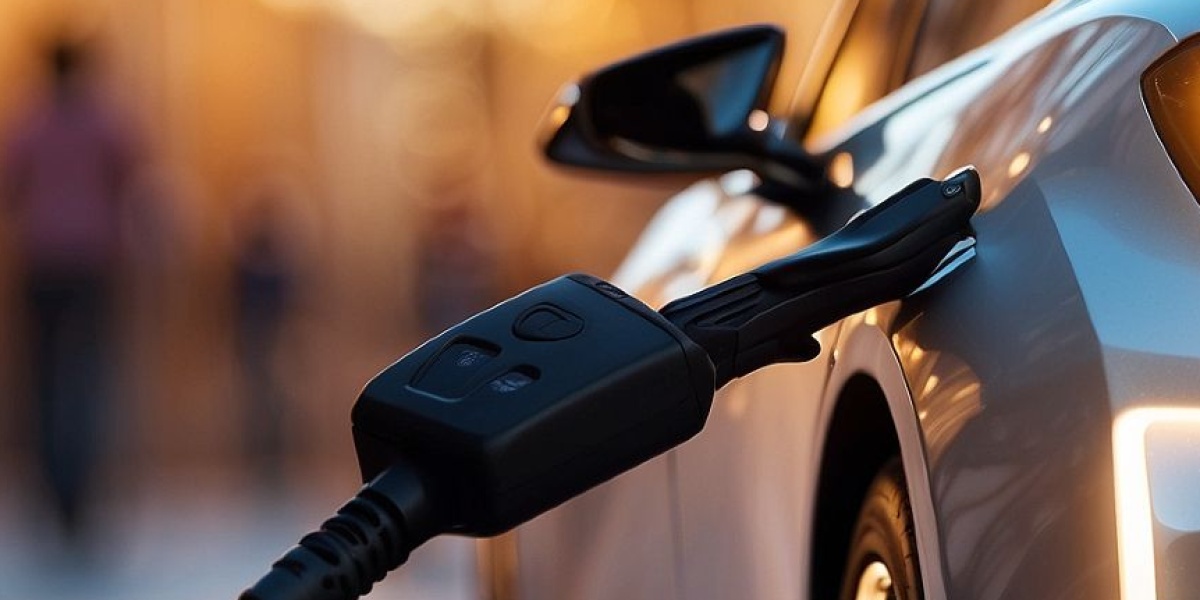
This stops being an EV story once you see the pattern. State EV fee models are becoming templates for federal policy, according to NCSL tracking. Flat annual charges come first. Then tiered fees by weight or miles. Then national road-usage charging pilots. The precedent being set has nothing to do with electric cars specifically. It’s the first step toward replacing a per-gallon system with a per-mile system. EV owners are just the test case because they’re the most visible gap in the old model.
Racing the clock
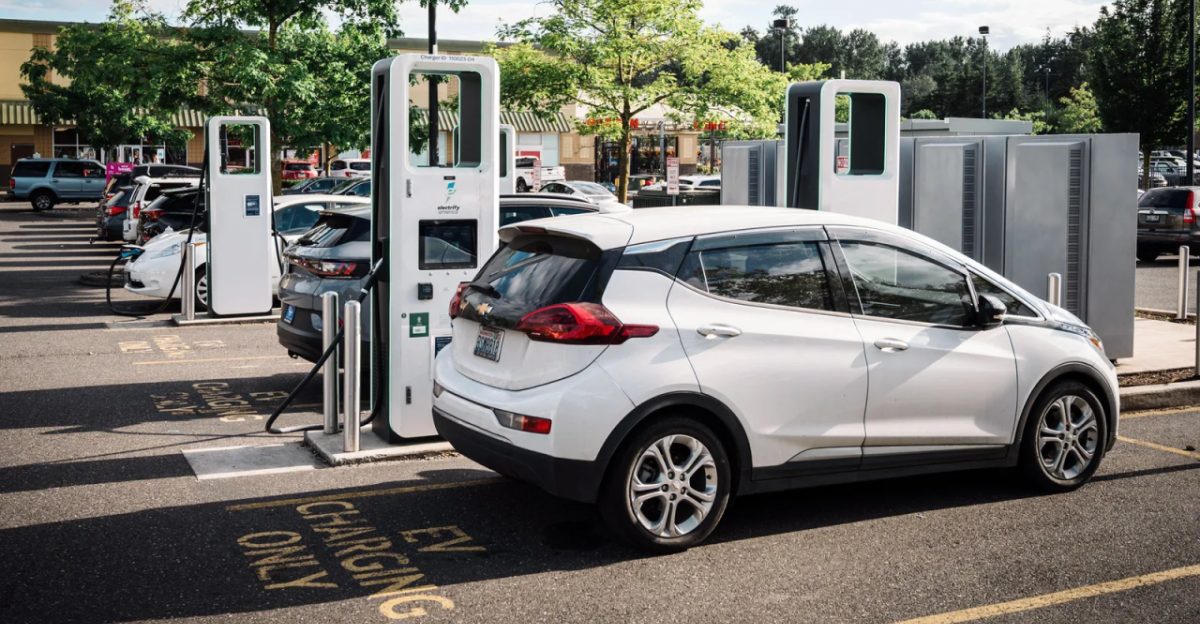
The CBO’s insolvency projections create a deadline Congress can’t ignore forever. Without policy changes, the highway account runs dry. The options on the table cluster around three moves: raise fuel taxes, add EV fees, or shift to mileage-based user charges. Politicians who avoid a gas-tax vote benefit from the status quo until the trust fund forces their hand. Meanwhile, every year of improved fuel economy and growing EV adoption accelerates the revenue erosion. The clock doesn’t care about election cycles.
Gallons versus miles
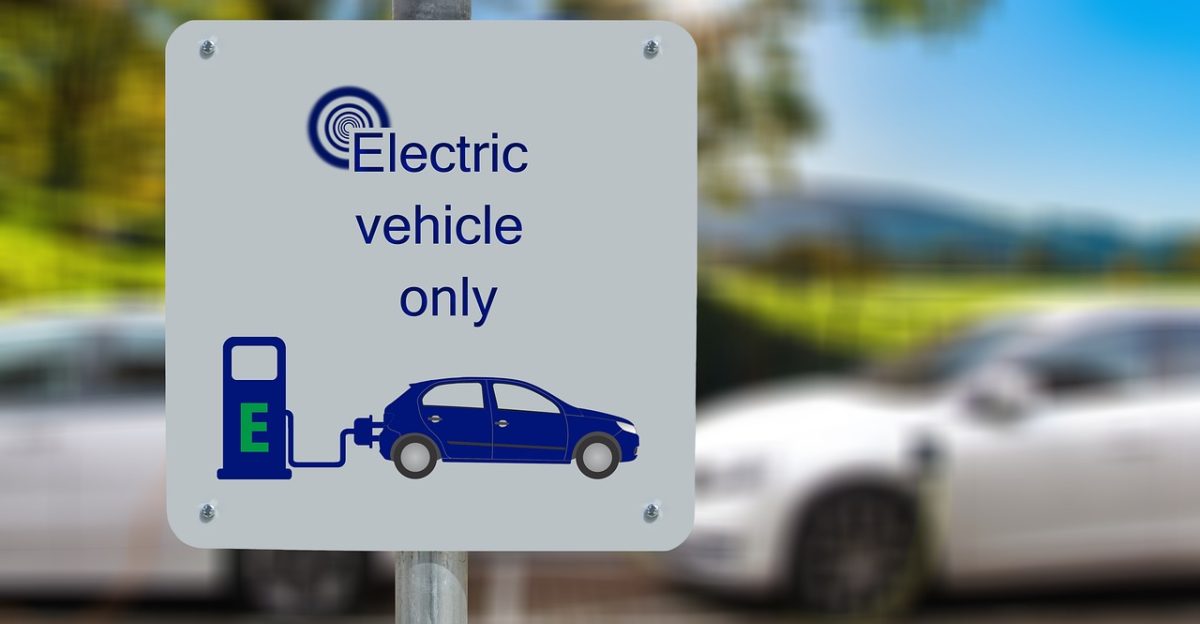
The framework most people are missing: this was never an EV problem. A 37-mpg hybrid pays roughly $32 less per year in federal gas tax than a 25-mpg truck, using the same roads. Efficiency itself erodes the funding base. EV fees are the loudest symptom of a tax designed when fuel economy barely moved year to year. The real fight ahead is whether Congress indexes the gas tax to inflation, adopts mileage-based charges, or keeps slapping patches on a model built for a country that no longer exists.
Sources:
“Highway Trust Fund Accounts.” Congressional Budget Office, Jan 2025.
“Special Fees on Plug-In Hybrid and Electric Vehicles.” National Conference of State Legislatures, May 2025.
“It’s Been 25 Years Since The Federal Gas Tax Went Up.” NPR, 4 Oct 2018.
“Electric Vehicle Credits Are Ending Soon Under the One Big Beautiful Bill: What You Need to Know.” TurboTax / Intuit, 5 Sept 2025.