
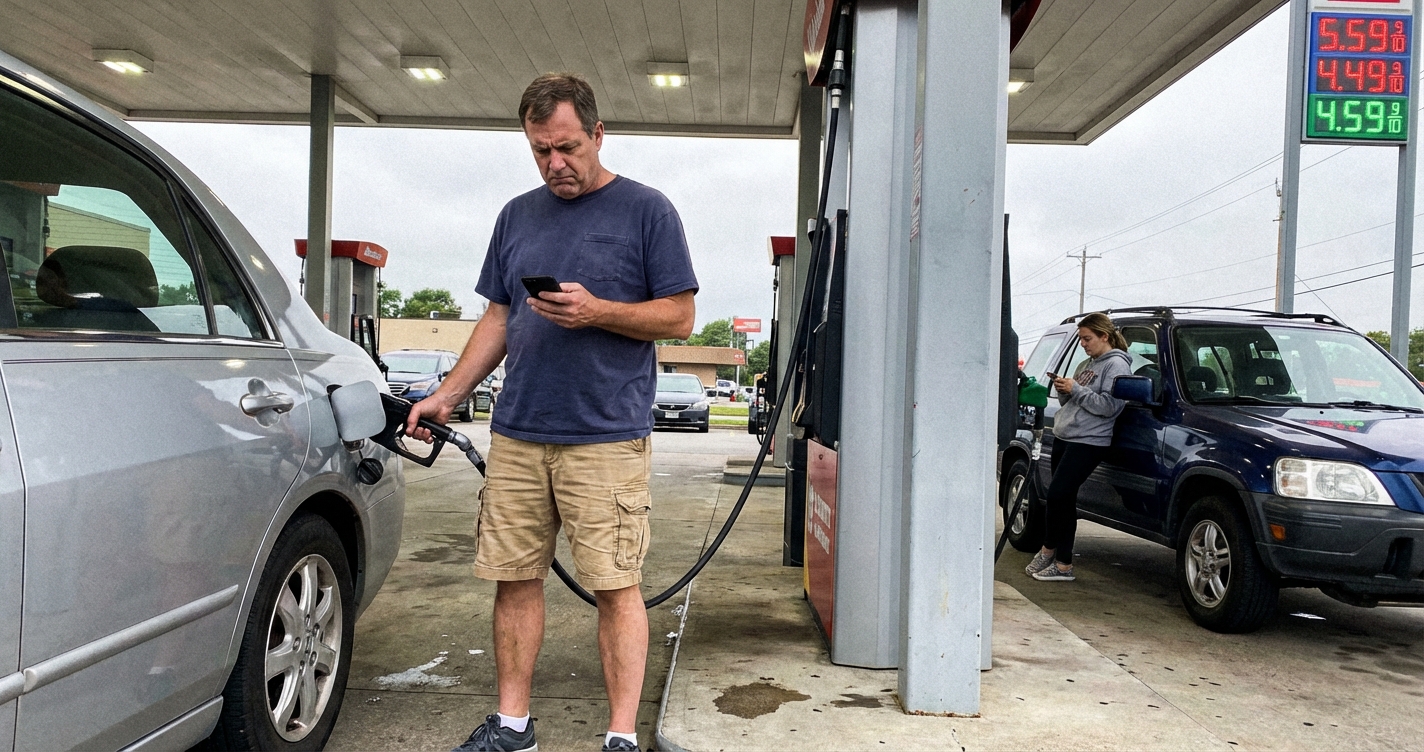
Oil Soars Past $111 A Barrel As U.S. Pump Prices Rocket 26% Threatening New Inflation Wave
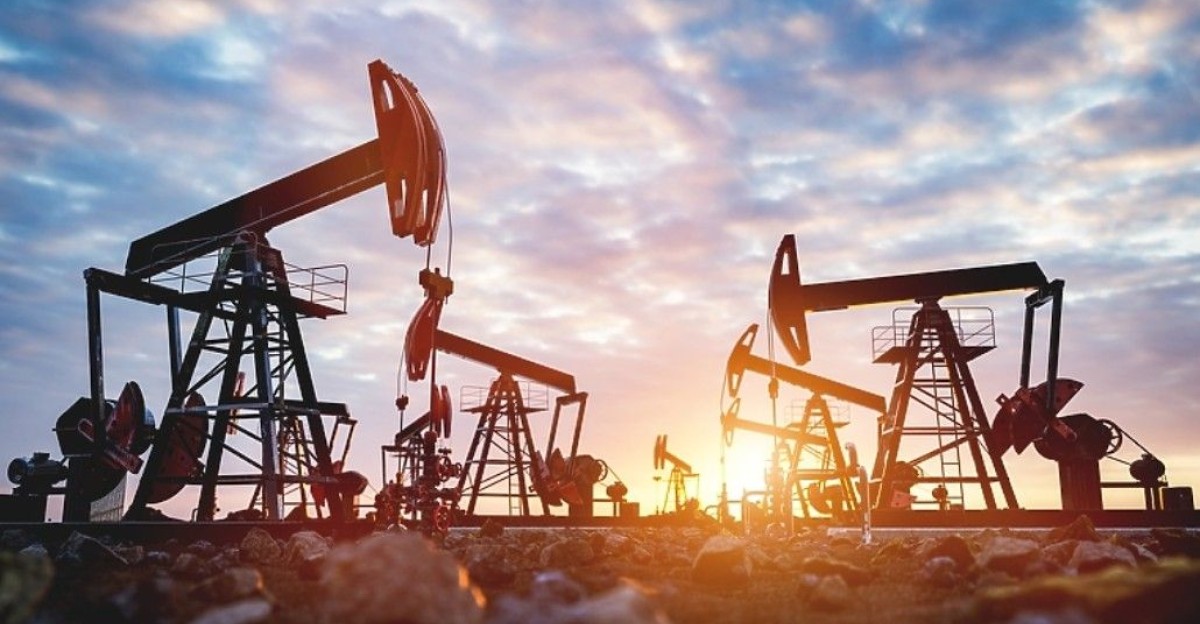
Brent crude futures surged past $111 per barrel in after-hours trading, reaching intraday highs of $119, marking the highest levels in over a year following new attacks on critical Middle East energy infrastructure. The price spike came after Israel targeted the South Pars gas field, the world’s largest, with the reservoir shared between Iran and Qatar, each operating their own section independently. Iran retaliated by striking a significant fuel center in Qatar. This latest escalation in the ongoing Iran conflict has sent shockwaves through global energy markets, with U.S. West Texas Intermediate crude also pushing close to $100 a barrel. The rapid ascent from approximately $70 just weeks ago underscores how swiftly geopolitical tensions can reshape commodity markets, immediately impacting consumers at the pump worldwide.
Gas Prices Jump to 2.5-Year High
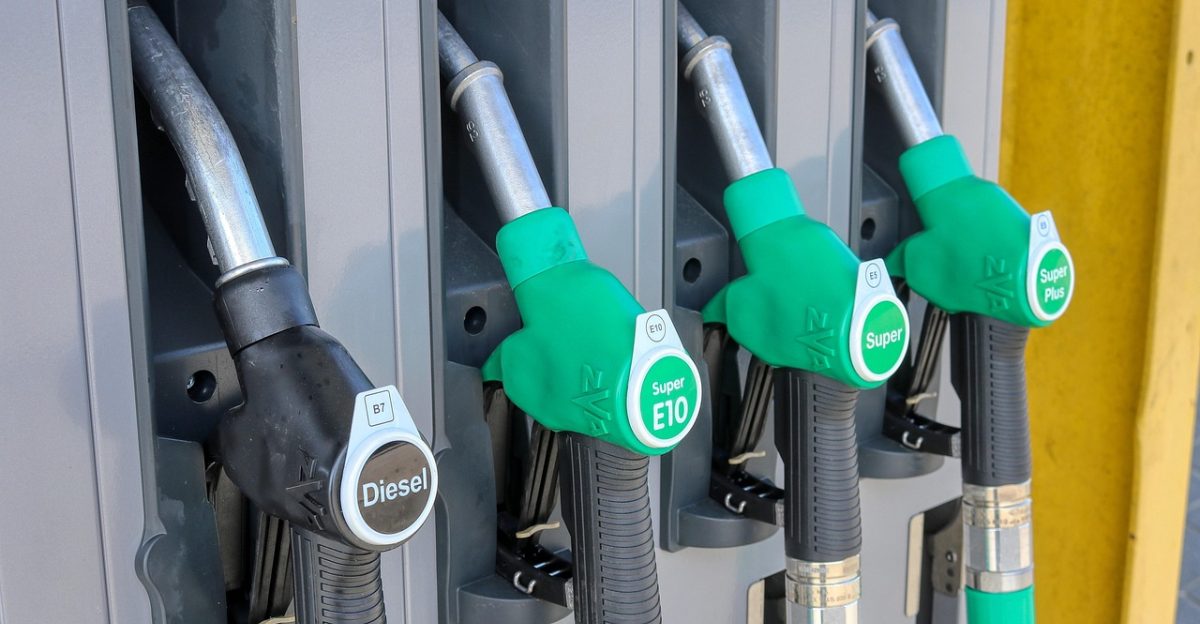
The national average for a gallon of regular gasoline jumped to over $3.84 on Wednesday, up from $2.98 consumers were paying prior to the joint U.S.-Israeli military actions against Iran that began February 28, according to the motorist organization AAA. This represents the highest gas prices seen since October 2023, translating to a roughly 9% weekly increase that has strained household budgets nationwide. Diesel prices have followed suit, topping $5 per gallon nationally and exceeding $6 per gallon in California. The surge reflects gasoline’s direct ties to crude oil costs, which have spiked dramatically due to supply chain disruptions from the Iran conflict, with industry analysts warning these elevated fuel costs may persist as long as Gulf instability continues.
Strait of Hormuz Disruptions Fuel Crisis

Iran has effectively halted nearly all tanker movements through the Strait of Hormuz, a critical chokepoint where approximately one-fifth of the world’s oil typically transits daily, severely constraining global supply flows. This blockade has been compounded by substantial production cuts from major regional producers, including Iraq’s main southern oilfields where output has plunged by 70% to just 1.3 million barrels per day, sources reported on March 8. Saudi Aramco has been forced to seek alternative export routes as traditional pathways through the strait remain largely restricted. The combined effect of halted shipments and reduced output has created a significant supply-demand imbalance that analysts say is driving the current oil price rally, with tanker traffic disruptions entering their third consecutive week by early March.
Analyst Warns of Continued Volatility

Energy market analysts caution that the current price surge reflects deeper structural concerns beyond temporary market fluctuations. SEB analyst Ole Hvalbye stated plainly: “The attacks on Iran’s South Pars field were boosting oil and gas prices, and any further escalations of attacks to energy infrastructure would continue to raise prices.” This sentiment was echoed by MUFG analyst Soojin Kim, who noted: “Despite this development, supply relief remains limited, with Iraq’s production at roughly one-third of pre-crisis levels and tanker traffic through (the Strait of) Hormuz still largely restricted.” Both experts emphasize that until there is a credible de-escalation in the Iran conflict and restoration of normal shipping through the Gulf, upward pressure on energy prices is likely to persist, creating ongoing uncertainty for consumers and industries reliant on stable fuel costs.
Trump Administration Responds with Jones Act Waiver
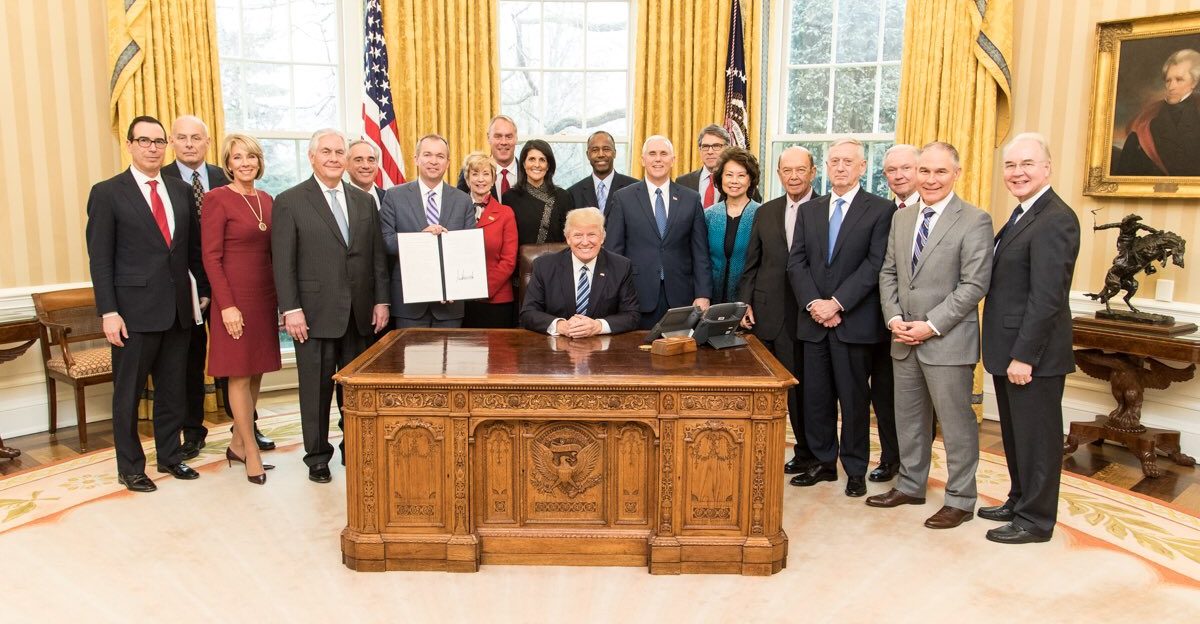
In an attempt to mitigate rising energy costs, the Trump administration issued a 60-day waiver of the Jones Act, which normally requires that goods shipped between U.S. ports be carried on American-built, -owned, and -crewed vessels. The waiver aims to allow greater flexibility in transporting fuel supplies domestically by permitting foreign-flagged ships to participate in coastal trade. However, energy analysts widely view this measure as a temporary palliative unlikely to significantly lower prices given the market’s primary focus on Gulf instability risks rather than domestic transportation constraints. As one industry observer noted, the waiver does nothing to address the fundamental issue of disrupted crude oil supplies from the Middle East, which remains the dominant factor in current pricing. The administration faces mounting pressure to find more effective solutions as consumers feel the pinch at increasingly expensive gas stations nationwide.
Global Market Ripple Effects
The oil price surge has sent shockwaves through broader financial markets, with stock indices sliding back on Thursday as Iranian strikes hit energy infrastructure in Qatar and other Middle East locations. European natural gas futures have also experienced sharp increases, surging significantly in early March trading, with analysts at HSBC noting prices tracking well above prior forecasts, as the conflict disrupted liquefied natural gas flows alongside oil shipments. Beyond direct energy impacts, the rising fuel costs are contributing to broader inflationary concerns that could influence monetary policy decisions, with central banks globally noting that Brent crude above $100 a barrel increases the likelihood of interest rate adjustments. These interconnected market reactions demonstrate how geopolitical conflicts in key energy-producing regions can rapidly transmit economic stress across continents, affecting everything from retirement accounts to manufacturing costs that depend on stable energy inputs.
Economic Impact on Households

Financial experts warn that the sustained increase in fuel costs is beginning to force difficult choices for American households, particularly those with middle or low incomes. As consumers allocate more of their budgets to essential items like gasoline, many may have to reduce spending elsewhere to maintain financial stability. Financial analysts warn that these inflationary pressures could impact overall spending: as consumers allocate more funds to essential items like gasoline, many households, especially those with middle or low incomes, may have to reduce their budgets elsewhere. This belt-tightening effect extends beyond the pump, affecting grocery transportation costs, household utility expenses, and other essential services, potentially creating a cascading impact on local economies as discretionary spending decreases in response to unavoidable energy expenditures.
Pre-War Forecasts Upended

The current oil price environment represents a dramatic reversal from pre-conflict forecasts that anticipated a bearish market for 2026. Before the February 28 eruption of the US-Iran conflict, the Energy Information Administration projected Brent crude would average just $58 per barrel for the year, a significant downward revision from prior-year levels, citing expectations of global oversupply. These projections have been completely upended by the geopolitical premium now embedded in energy prices due to the Strait of Hormuz closure and production disruptions. The transformation from forecasts of sub-$60 oil to actual prices exceeding $110 illustrates how rapidly conflict in critical energy infrastructure zones can alter market fundamentals, turning what was expected to be a buyer’s market into a seller’s paradise with profound implications for energy-dependent economies worldwide.
Diplomatic Efforts Amid Escalation

Despite some developments that initially raised hopes for potential de-escalation, the Iran conflict shows few signs of abating as energy prices remain elevated. The death of Iran’s security chief Ali Larijani in an Israeli attack, combined with U.S. military strikes on Iranian coastal positions near the Strait of Hormuz, had briefly sparked optimism among some analysts that the conflict might wind down sooner rather than later. However, energy market analysts noted these events raised some hopes the conflict could end sooner, but emphasized that tangible progress toward peace has yet to materialize. Brent crude prices have remained stubbornly above $100 per barrel for four consecutive sessions, reflecting persistent market anxiety about continued supply disruptions and the potential for further escalation in the already volatile Gulf region.
Prices Could Rise Further
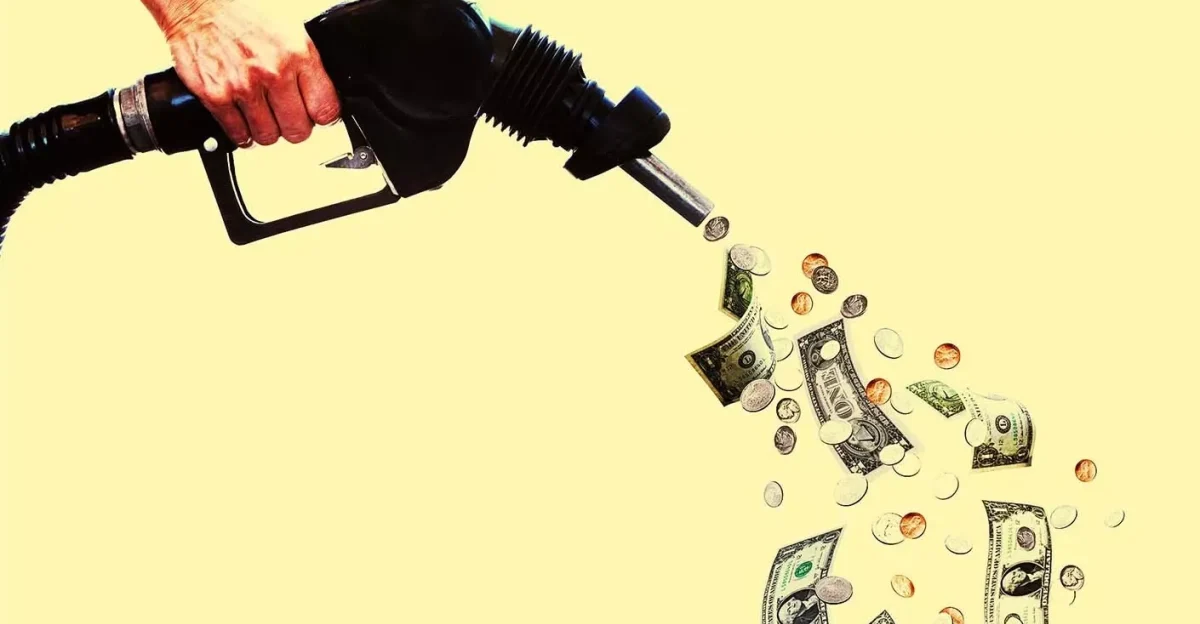
Looking ahead, energy analysts caution that oil and gas prices may continue to climb if the Iran conflict persists without resolution, particularly if Iran follows through on threats to target additional Persian Gulf energy infrastructure. The situation is further complicated by seasonal factors, as U.S. gas prices typically increase slightly this time of year due to the transition to more expensive “summer blend” fuel required during warmer months. Additionally, regional variations in taxation and proximity to refineries create disparate impacts across states, with California consistently recording some of the nation’s highest averages while other states like Mississippi and Texas often see lower prices. Until there is a durable reduction in tensions that allows normalized shipping through the Strait of Hormuz and restoration of regional production capacity, consumers and businesses should prepare for continued volatility at the pump and in their energy-related expenses.
Sources:
“Gas Prices Rise as Oil Hits $111 a Barrel.” CBS News, March 17, 2026.
“Oil Prices Extend Gains, Topping $111 a Barrel.” The Wall Street Journal, March 18, 2026.
“Iraqi Oil Production Collapses with Strait of Hormuz Blocked by Conflict.” Reuters, March 8, 2026.
“White House Suspends the Jones Act for 60 Days. Analysts See a Gas Price Impact of 3 Cents.” Fortune, March 18, 2026.
“Brent Crude to Average $58/bbl in 2026.” EIA Short-Term Energy Outlook, February 2026.