Veteran Moorhead Mechanic Turns 3 Daily Habits Into The Biggest Fuel Savings Local Drivers See
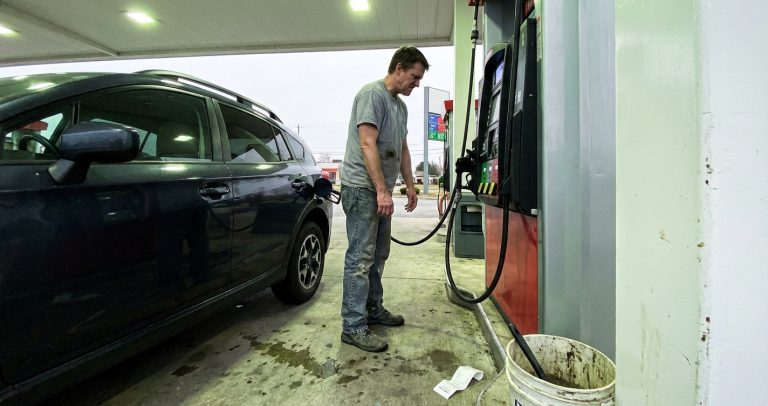
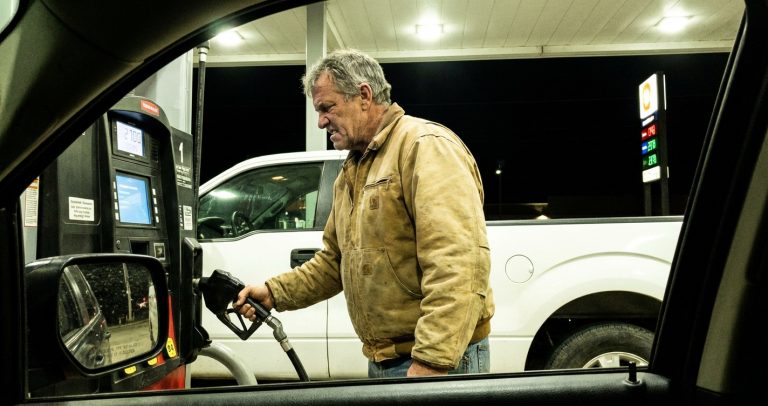
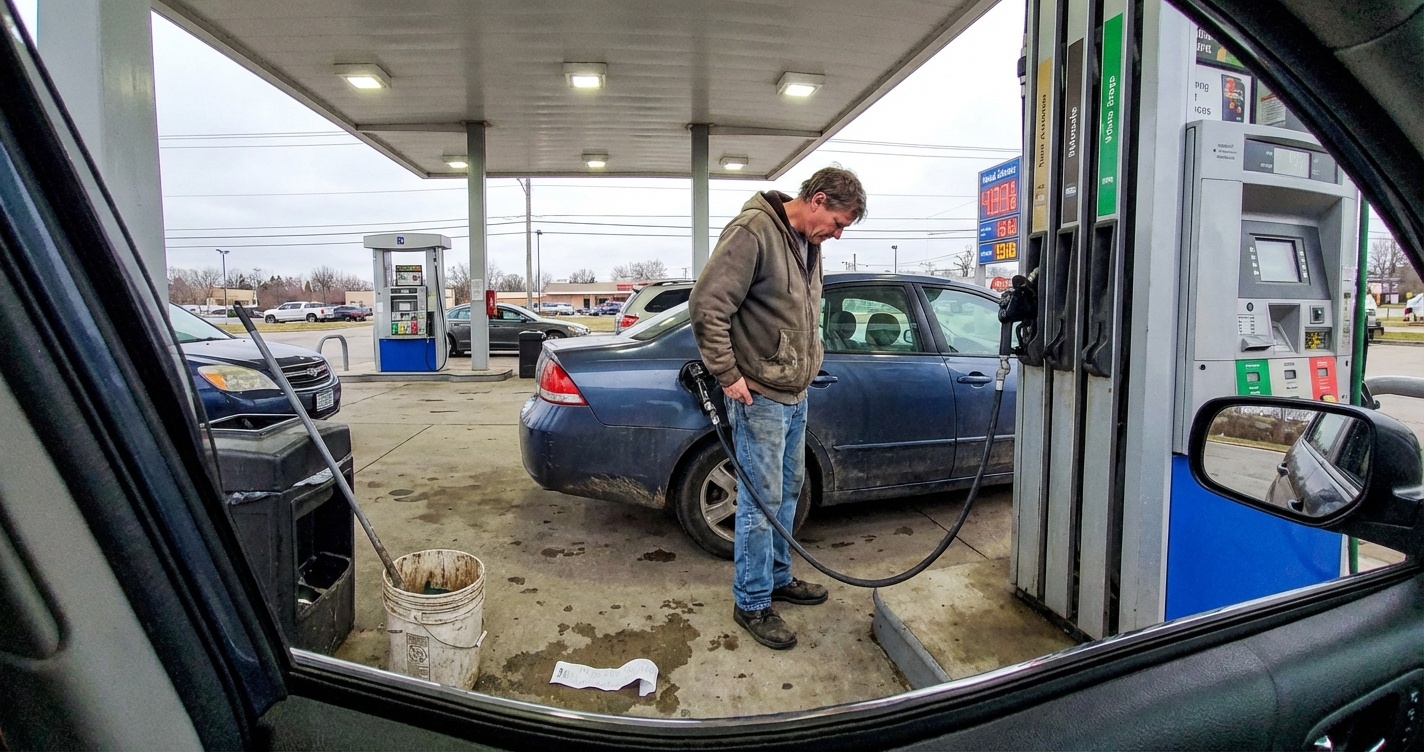
That number spinning on the gas pump display hits different when the budget is already tight. Every fill-up feels like a small defeat, and most drivers assume the posted price per gallon is the only number that matters. A Moorhead mechanic sees it differently. The price on the sign is just the starting point. There’s a second price hiding underneath it, one that changes every time a driver touches the accelerator. That hidden number is the one bleeding wallets dry.
The Invisible Tax
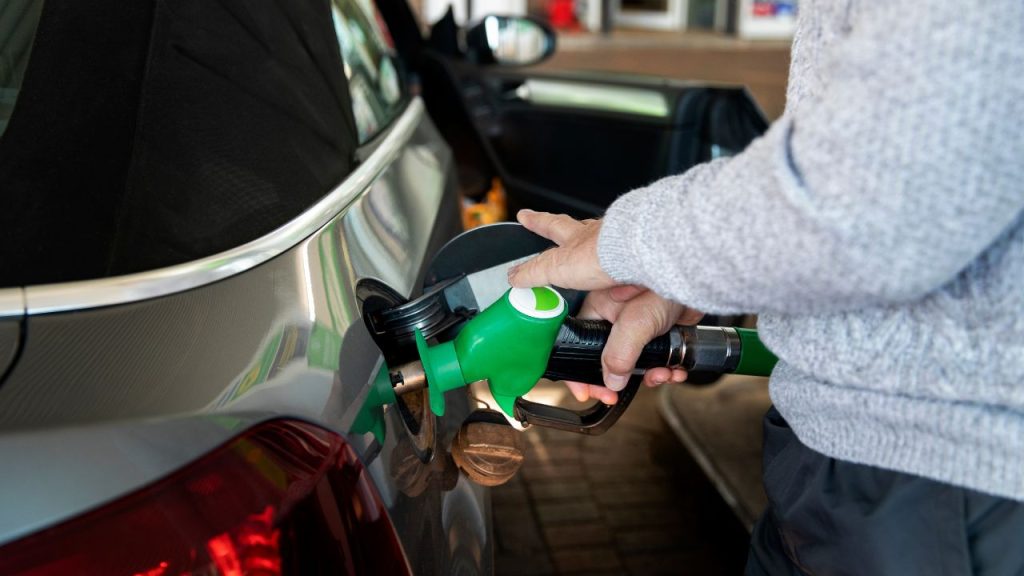
The U.S. Department of Energy puts a dollar figure on it: driving just 5 mph over 50 costs roughly $0.27 extra per gallon. Push it to 10 over and the surcharge doubles to about $0.54. Nobody posts that price at the station. Nobody itemizes it on a receipt. It just vanishes into the tank total, week after week, commute after commute. Drivers on tight budgets feel the squeeze but blame the wrong culprit. The posted price gets the anger. The right foot deserves it more.
The Myth Cracks
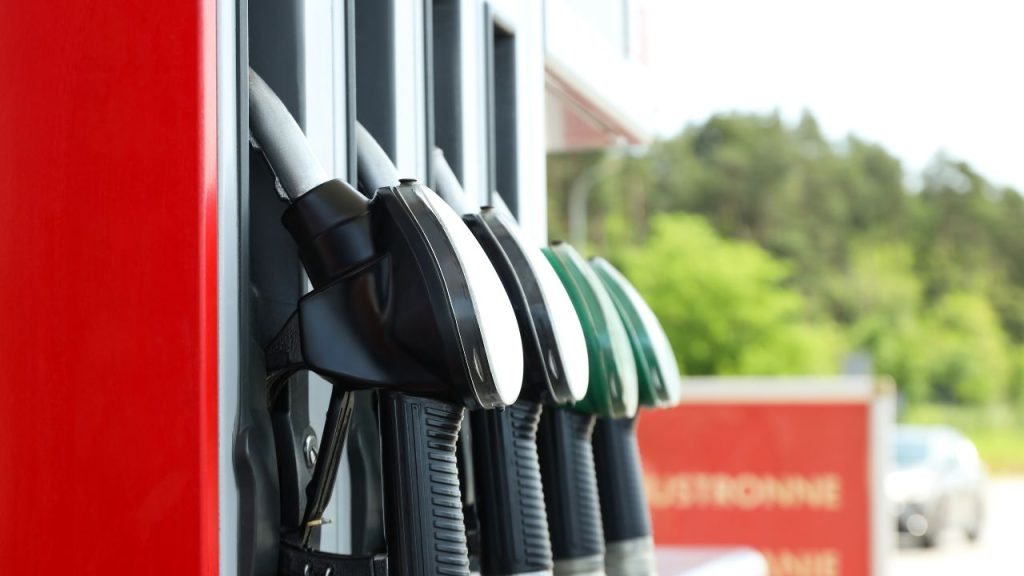
Most people believe they’re powerless at the pump. Prices go up, prices go down, and the household budget absorbs the hit. That assumption is comfortable because it removes responsibility. The DOE data destroys it. A car averaging 30 mpg at 65 mph drops to 24 mpg at 75. Same car. Same road. Same trip. Roughly 25% more fuel burned for arriving a few minutes earlier. “Driving faster saves time” turns out to be expensive math when the surcharge compounds over every tank.
The Real Price
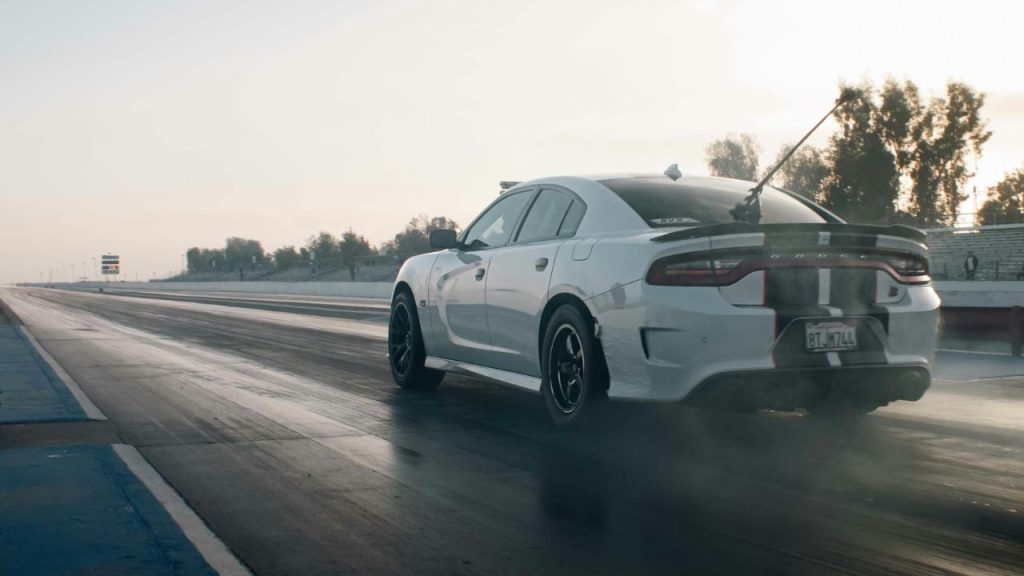
Speeding is only one drain. Aggressive driving, the hard accelerations and panic braking that define stop-and-go commutes, can slash mileage by 10% to 40% in city traffic. Forty percent. That means a driver burning through a tank in five days could stretch it past seven just by easing off the pedal. And idling? Zero miles per gallon. Not low. Zero. Every minute sitting in a drive-through or warming up a modern engine is pure fuel evaporating into nothing. The pump price was never the whole story.
The Hidden Machine
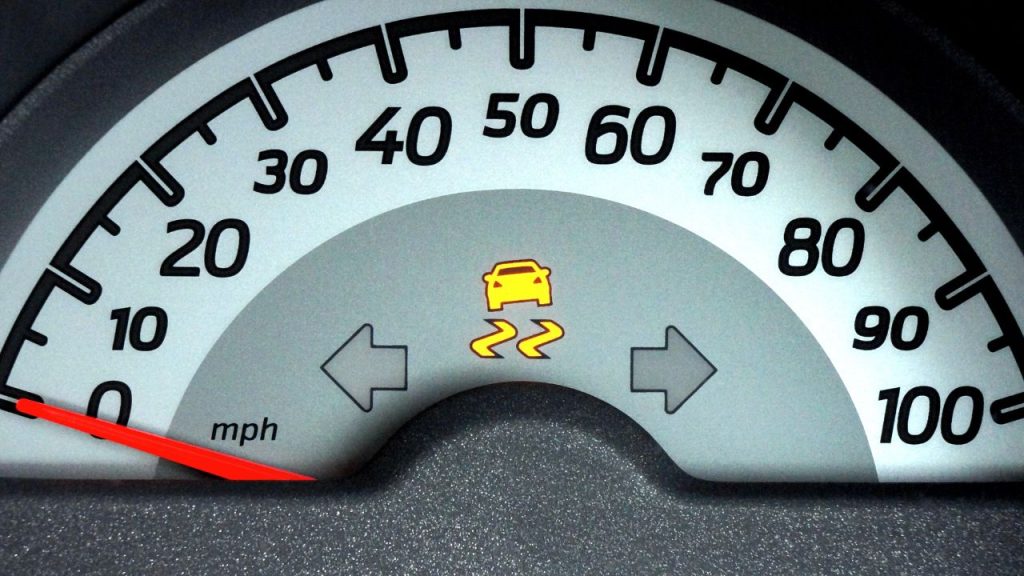
Fuel economy operates as a system, not a single number. Rolling resistance from underinflated tires quietly drags efficiency down, like pushing a shopping cart with a stuck wheel. The DOE estimates proper tire pressure alone can recover up to 3% in mileage. Using the wrong motor oil grade costs another 1% to 2%. These sound small in isolation. Stacked together across fifty fill-ups a year, they become a recurring bill nobody budgeted for. The invisible drains compound because they never stop running.
Numbers That Sting
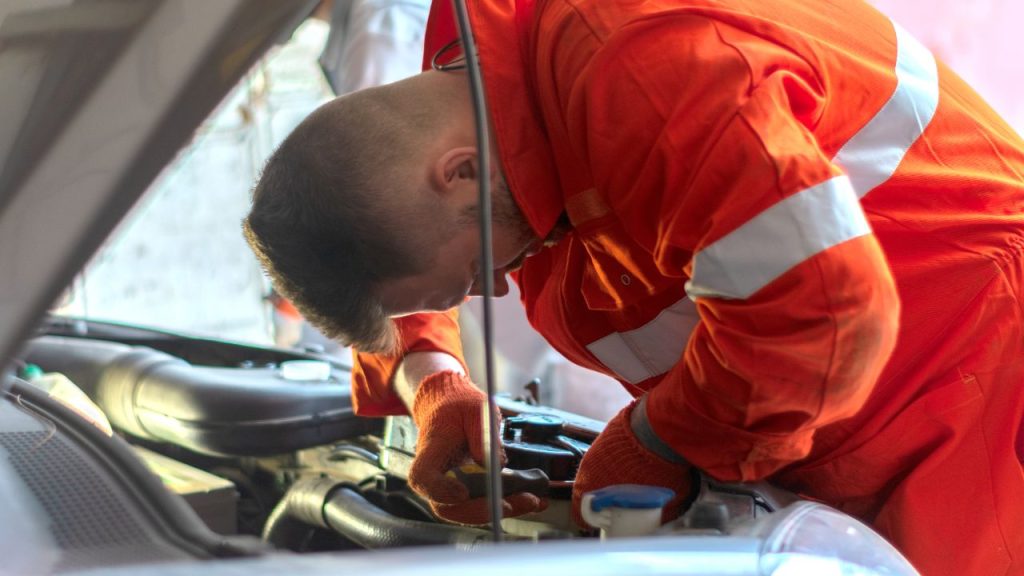
The DOE’s maintenance data gets sharper. Fixing a car that has failed an emissions inspection or fallen seriously out of tune recovers about 4% in fuel economy on average. In worst-case scenarios, that number jumps to 40%. A neglected engine can silently eat nearly half its own efficiency. Meanwhile, each gallon of gasoline burned produces 8,887 grams of CO2. Fewer gallons burned means less money spent and less exhaust pushed into the air. The wallet and the tailpipe run on the same math.
The Ripple Cost

When one driver changes habits, the savings stay personal. When the pattern scales, the economics shift. Smoother driving and reduced idling cut household fuel spend if the changes stick. Chronic speeders and aggressive drivers keep paying the surcharge indefinitely, falling further behind with every price spike. Neglected vehicles with efficiency-killing faults lock in overpaying at every fill-up. The gap between disciplined drivers and everyone else widens quietly, tank by tank, with no announcement and no receipt.
The New Rule

This framing from consumer agencies and the DOE has been building for years: behavior is a measurable cost lever. The speed-penalty calculation is an established federal education benchmark, not a new discovery. What makes it land now is context. When prices climb, the hidden surcharge becomes more painful per fill-up. A $0.27 penalty on $3.00 gas is significant. On $4.50 gas it is infuriating. The mechanic’s advice and the federal data point to the same conclusion: the gallon you never buy is the cheapest fuel that exists.
What Comes Next

Trip planning and combining errands directly reduce miles driven, which directly reduces gallons burned. That is the counter-move available to every driver this week, no tools required. The escalation path is straightforward: if posted prices rise again, every hidden drain hits harder. Drivers who already eliminated the surcharges absorb the spike better. Drivers who didn’t feel it twice, once at the pump and once through the invisible tax their habits keep collecting. The budget gap between the two groups only grows from here.
The Upgrade
Most people will read about gas prices this week and feel helpless. The person who read this far knows something different: the posted price is half the equation. Speed discipline, smooth acceleration, killed idling, correct tire pressure, right oil grade, and basic tune-ups form a system that sets a second price per gallon. Control that system and the effective cost at every fill-up drops without waiting for markets or politicians to act. The next tank is already a fresh chance to stop paying a surcharge nobody else even sees.
Sources:
“Driving More Efficiently.” U.S. Department of Energy, 11 Mar 2025.
“Gas-Saving Tips.” U.S. Department of Energy, Vehicle Technologies Office / Alternative Fuels Data Center, 2015.
“Gas Mileage Tips – Vehicle Maintenance.” FuelEconomy.gov / U.S. Department of Energy, 2024.
“Greenhouse Gas Emissions from a Typical Passenger Vehicle.” U.S. Environmental Protection Agency, 11 Jun 2025.