Kansas Drivers Are Among the Deadliest for Distracted Driving as Old Texting Ban Falls Short
Kansas drivers rank among the deadliest in the United States for distracted driving, even with a texting ban already in place. Lawmakers in Kansas introduced a new bill in early 2026 to expand restrictions beyond texting, targeting a wider range of risky behaviors. From brief glances at phones to cognitive lapses, everyday distractions on highways have created a deadly pattern that the state aims to confront with stricter enforcement and broader laws.
Dangerous National Ranking

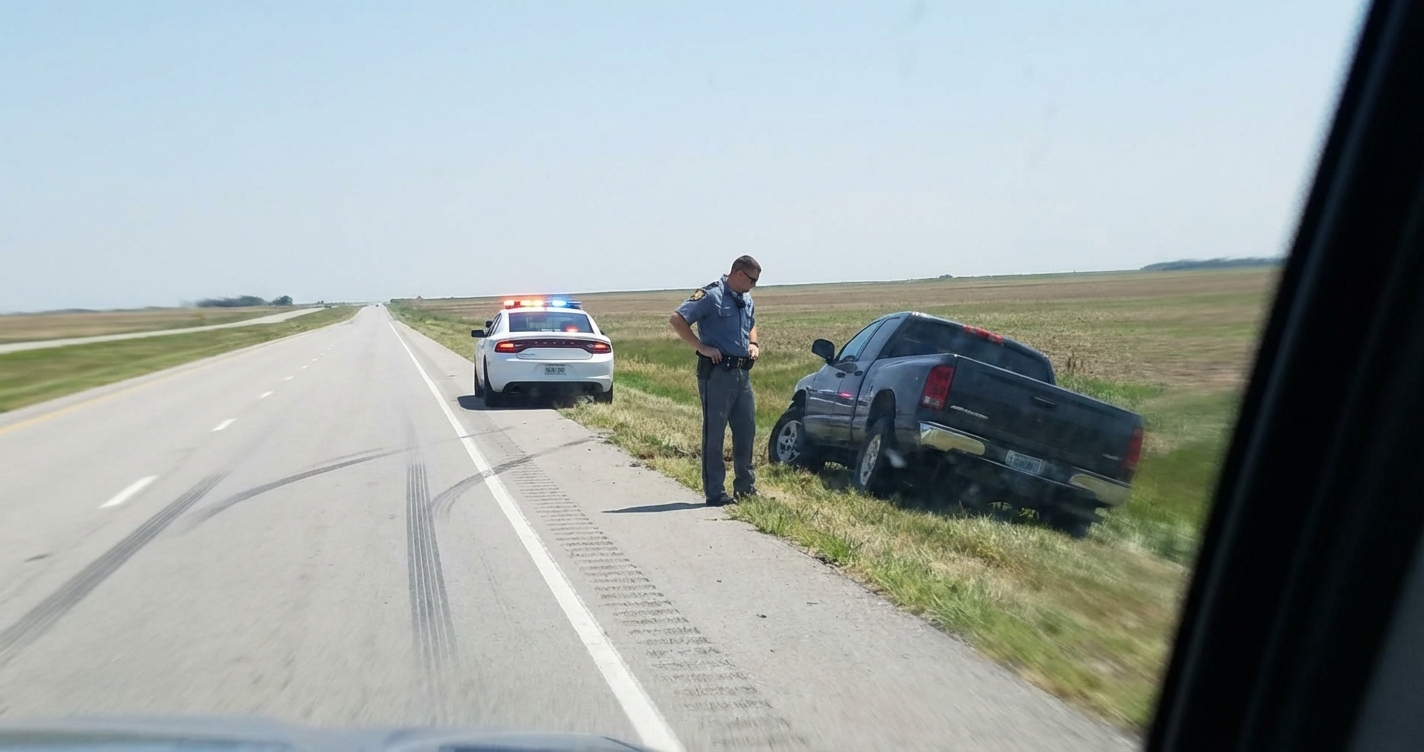
Kansas ranks near the bottom nationally for distracted driving despite having a texting ban. In 2022, NHTSA recorded 3,308 deaths across the United States from crashes involving distraction. Experts note that police-reported data undercounts actual numbers. Lawmakers introduced a new bill during the 2026 session to expand enforcement and address broader forms of distraction. The state’s low ranking reflects gaps in current legislation and challenges in detecting distractions. Understanding the scale of the problem clarifies why Kansas moved beyond the narrow texting ban toward stronger regulations targeting driver safety.
Texting Alone Does Not Solve It

Kansas law prohibits texting while driving, yet the state continues to struggle with road safety. NHTSA defines distraction broadly: eating, adjusting navigation, talking to passengers, and handling controls all divert attention. The CDC divides distractions into visual, manual, and cognitive types. Hands-free devices do not eliminate mental distraction. “Hands-free” often still means the driver’s focus is divided, even while obeying the letter of the law. Lawmakers aim to close these gaps with the 2026 bill, expanding coverage beyond texting to address the full spectrum of dangerous behavior on highways.
Five Seconds of Blindness
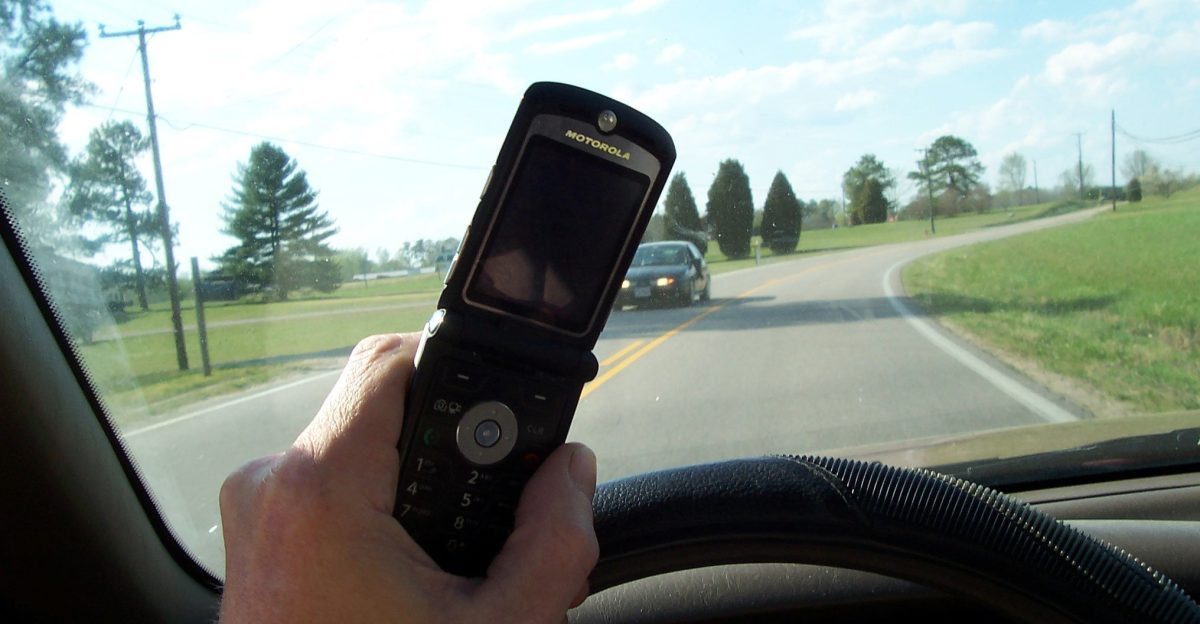
Reading or sending a text diverts a driver’s eyes for approximately five seconds. At 55 mph, that equals 400 feet of blind travel. At 70 mph, it reaches roughly 515 feet, longer than a football field. Millions of drivers engage in these brief distractions daily, turning highways into hazard courses. Understanding these distances clarifies why Kansas roads carry high risks. Lawmakers emphasized this in 2026 when proposing stricter measures. The numbers show how brief moments of inattention can produce deadly consequences, reinforcing the need for laws that cover more than a single act.
Hidden Distractions

Distraction includes visual, manual, and cognitive elements. Police can see phones in hands but cannot detect wandering minds. Kansas lawmakers are addressing these hidden dangers. GHSA tracks laws in all 50 states and Washington, D.C., revealing wide variations. Some states ban all handheld use, while Kansas previously only restricted texting. Phone habits are normalized and difficult to enforce. Expanding the law targets this gap, recognizing that multiple behaviors contribute to crashes. Understanding the full scope of distraction explains why Kansas ranks poorly and why legislators see broader measures as necessary to improve road safety.
Undercounted Fatalities

The 3,308 deaths in 2022 are from police-reported crashes where distraction was identified. The method misses cases where the driver dies, misreports, or the officer cannot confirm distraction. Every crash listed as “unknown cause” with a phone in view may undercount fatalities. NHTSA’s reliance on identification produces conservative totals. Kansas’s ranking may not capture the full scale of the problem. Lawmakers introduced the 2026 bill to address this gap. The true toll of distraction is higher than official data suggests, emphasizing the need for laws that reach beyond visible violations and cover cognitive risks.
Rising Economic Pressure

The 2026 bill faces amendments and debate in the Kansas Legislature. Insurers and employers with vehicle fleets experience rising costs from distracted driving, affecting families and businesses. IIHS identifies distraction as a top research priority, prompting tighter fleet policies nationally. Kansas considers whether current enforcement sufficiently protects the public. Stronger measures could reduce financial and human losses. Expanding the law addresses behaviors beyond texting and provides a framework for compliance across the state. The legislation connects road safety to economic responsibility, showing how distraction affects communities well beyond individual drivers.
National Enforcement Patterns

GHSA shows a common progression across states: texting bans, handheld bans, increased fines, and targeted enforcement campaigns. Kansas may follow this path with the 2026 bill. These measures reflect broader recognition that narrow laws do not match the scope of driver distraction. The state could set a precedent for nationwide policy adjustments. The legislation signals that simple texting bans are insufficient. Kansas lawmakers are creating a layered approach that addresses multiple behaviors and enforcement challenges. Observing this progression highlights how state-level changes can influence national safety standards for distracted driving over time.
Hands-Free Limitations
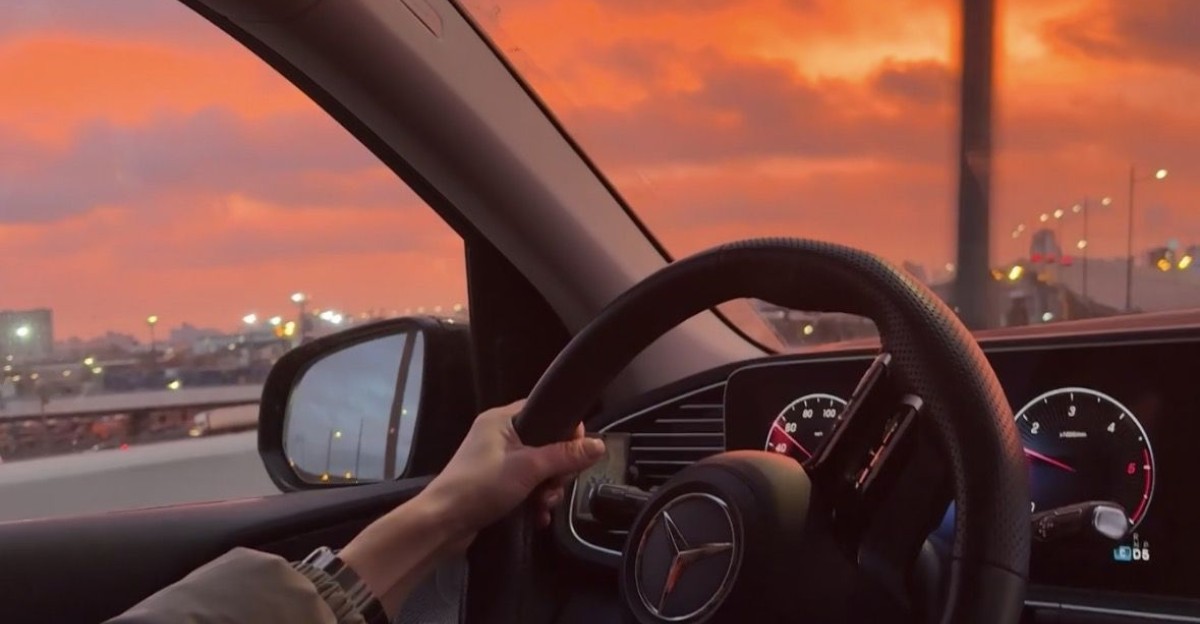
Hands-free devices reduce visible manual distractions but leave cognitive distraction unregulated. The CDC classifies cognitive distraction separately from visual and manual. A driver looking ahead while composing a response remains impaired. Escalating penalties may target repeat offenders, but mental focus cannot be fully monitored by law. Kansas’s 2026 bill acknowledges this limitation while expanding coverage. Understanding this reinforces the complexity of distracted driving. Compliance alone does not guarantee safety. Legislators focus on behaviors most likely to produce crashes, while enforcement and public awareness continue to address the hidden risks that threaten drivers at highway speeds.
Your Commute Remains Risky

Distraction extends beyond texting and is difficult to detect, explaining Kansas’s high fatality ranking. Phone habits are widespread across the country. The 2026 bill is active, yet daily commutes remain unchanged. Every drive carries risk, with moments of inattention covering hundreds of feet. Lawmakers aim to reduce these risks with broader legislation. Drivers must recognize that brief lapses can have fatal consequences. Kansas roads currently operate under rules designed for narrower behaviors, making vigilance essential. Legislative action addresses the problem, but risk remains in every commute until the law is enforced and behavior changes.
Sources:
Traffic Safety Facts Research Note: Distracted Driving 2022. National Highway Traffic Safety Administration, April 2024
Put the Phone Away or Pay – Distracted Driving. National Highway Traffic Safety Administration, accessed 2026
Kansas among worst states, ranking third in nation per capita for distracted driving deaths. Yahoo News, June 18 2025
Kansas Cellphone Laws While Driving (2025 Update). NWKS Radio, July 2 2025
Kansas among nation’s worst for distracted driving, new bill aims to crack down. WIBW, March 18 2026
Distracted Driving – Countermeasures That Work. National Highway Traffic Safety Administration, updated 2023