Ford Recalls About 115,000 Bronco Sport and Escape SUVs for Brake Performance Issue
Drivers of certain 2021–2022 Ford Bronco Sport and Escape SUVs face a subtle but serious brake issue. About 115,000 vehicles in the U.S. are part of a federal safety recall after tests showed rear brake linings may not generate enough friction if power assist fails, increasing stopping distance. The defect isn’t obvious during normal driving, but it can turn routine stops into dangerous situations. Ford dealers will replace affected parts for free, restoring the safety margin drivers expect and regulators require.
Friction Falls Short of Specs
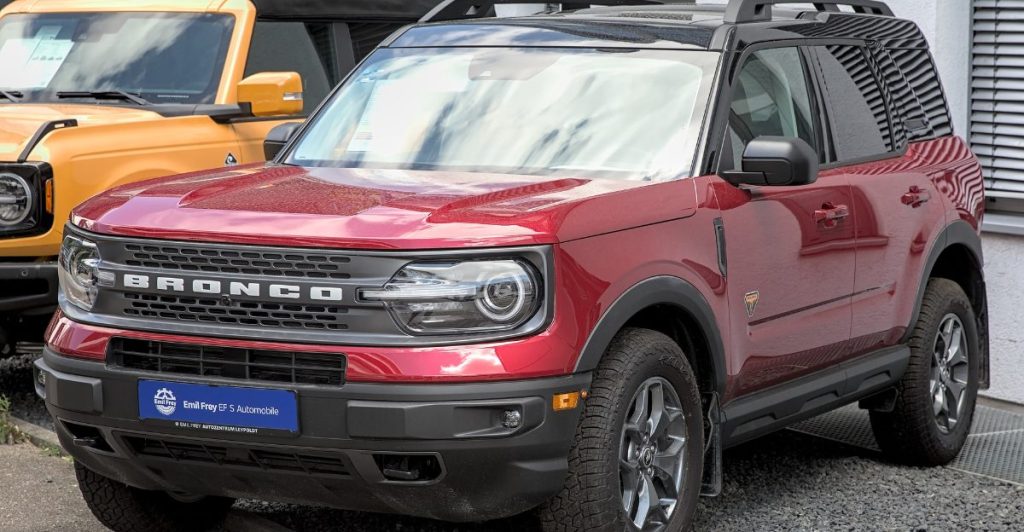
These SUVs left the factory with brakes designed to meet federal stopping-distance standards, even if the booster fails. NHTSA testing and Ford’s investigation revealed that some rear brake linings didn’t generate the expected friction. Without power assist, this meant some vehicles could exceed limits set in Federal Motor Vehicle Safety Standard 135. The parts appear normal, but they don’t grip as intended. Drivers might not notice during routine stops, but those extra meters could matter in traffic. Later slides explain how this hidden defect interacts with booster failure.
Invisible Defect, Real Risk
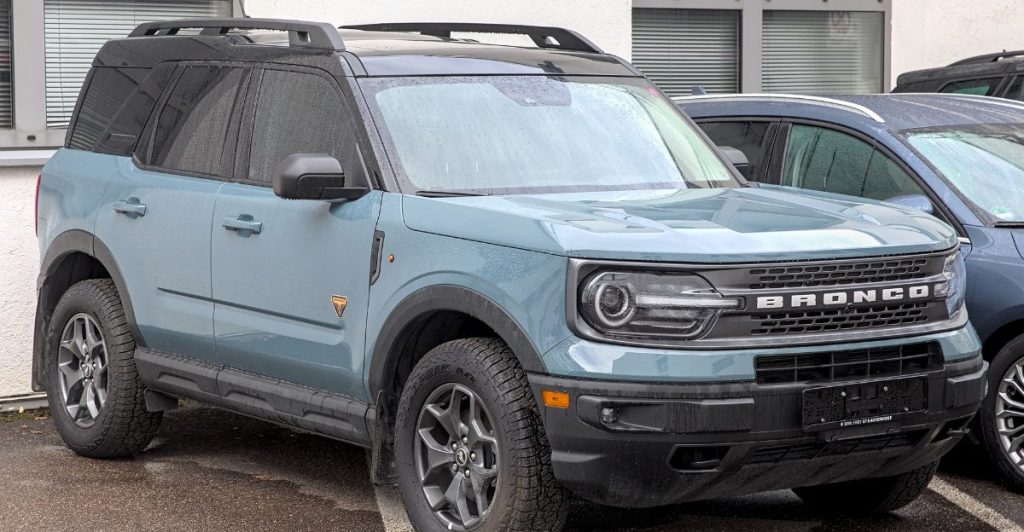
Brake issues usually show signs: leaks, warning lights, or grinding noises. This recall is different. The problem lives in the friction material bonded to rear brake linings, a surface most owners never see. When the coefficient of friction is lower than designed, the system still functions in daily driving. However, without power assist, the safety margin drops. What feels like a minor delay on a test track can become a serious hazard on public roads. The following explanation shows what happens when the system loses boost.
Extra Effort Without Boost
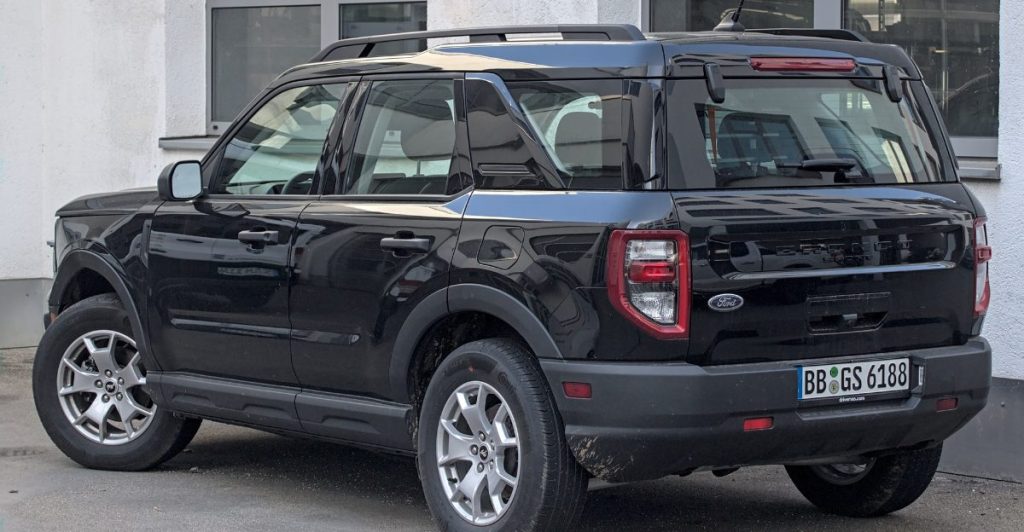
The risk appears when power assist drops out. Mechanical brakes remain functional, but rear linings must compensate. NHTSA found that some Bronco Sport models need more room to stop when the booster is inactive. Regulators and Ford note that stopping distance increases, raising crash risk in certain scenarios. Drivers may need to press harder and allow extra distance. Everyday stops can become unpredictable. Understanding the chain of braking forces shows why the defect matters and sets the stage for a closer look at the brake system mechanics.
How Brakes Multiply Force
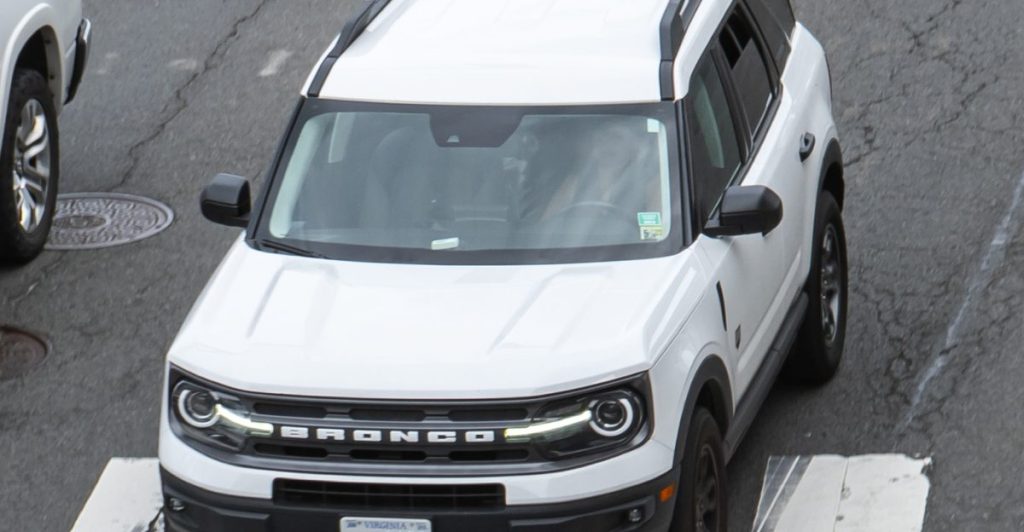
Braking relies on a leverage chain: pedal force, booster multiplication, and linings converting motion into heat. With all components working, stopping feels effortless. If the booster fails and rear linings have lower friction, drivers must push harder and wait longer. Federal rules require a safety margin in emergencies, which is reduced in these SUVs. The recall restores that invisible cushion, preventing a small defect from turning into a serious hazard. The next slide dives into how many vehicles are affected and why numbers matter to regulators and investors.
Scope of the Recall
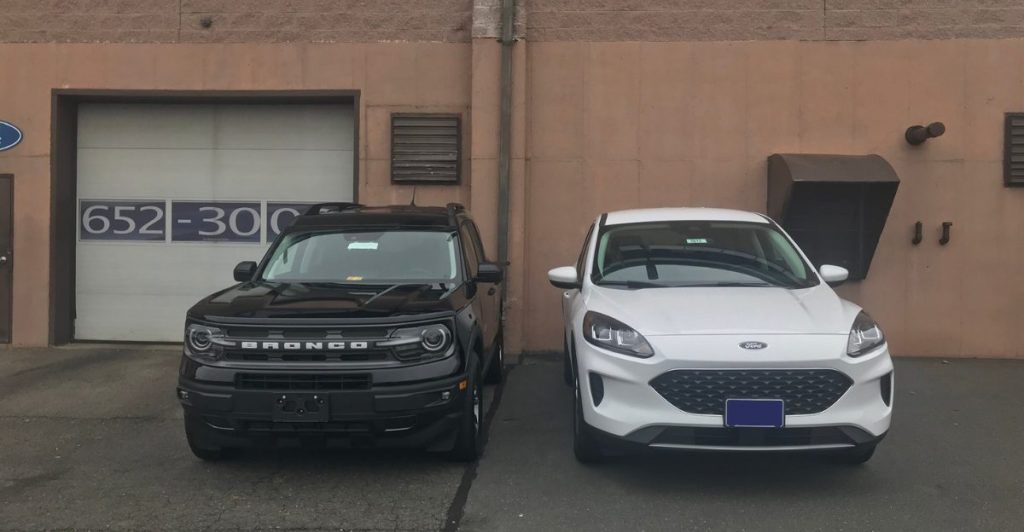
About 115,000 vehicles are involved: 2021–2022 Bronco Sport and Escape SUVs built over several months at multiple plants. This is not a single-day assembly issue, and it affects vehicles across states. NHTSA lists the campaign under recall number 21V‑922. Ford warns that warranty and recall costs are a material business risk. A few square inches of friction material falling short triggers six-figure vehicle counts and regulatory paperwork. Understanding this helps frame how such a technical defect becomes a major operational and safety issue, with costs beyond the parts themselves.
Getting the Brakes Fixed
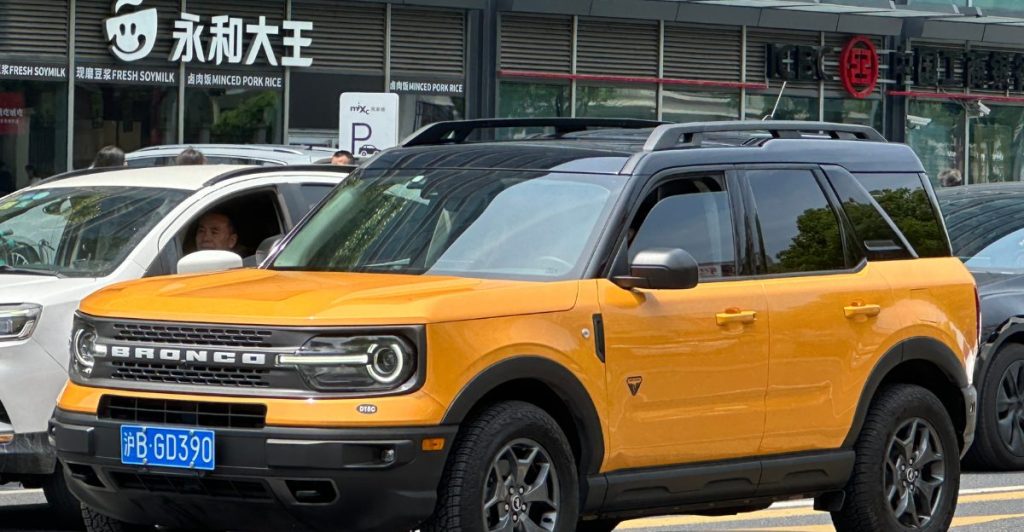
Owners want a simple answer: “Is my SUV included?” Dealers will replace rear brake linings and related parts at no cost. Many drivers remain uncertain if their vehicle falls within build dates, especially used or leased vehicles. This uncertainty spills into service lanes, forcing advisors to explain that brakes feeling normal may still need updates to meet federal requirements. Knowing how the system should perform is critical. The following slide looks at the quiet process that identified the defect before accidents occurred.
How the Recall Started
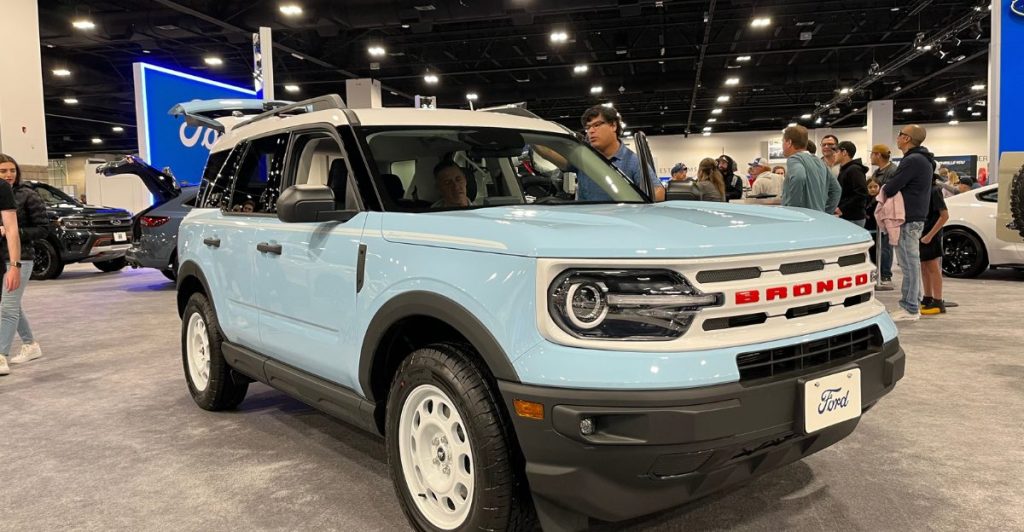
This recall began with lab tests and internal review, not crashes or viral videos. NHTSA compliance checks and Ford investigations revealed a gap between lab performance and federal requirements. The discovery pathway demonstrates that safety campaigns can begin quietly, long before drivers notice any problem. Engineering reports, technical bulletins, and official recall notices play a crucial role in preventing accidents. These documents may seem mundane, but they guide every step of the fix. The next section explains how owners can confirm whether their SUV is affected.
Checking Your VIN
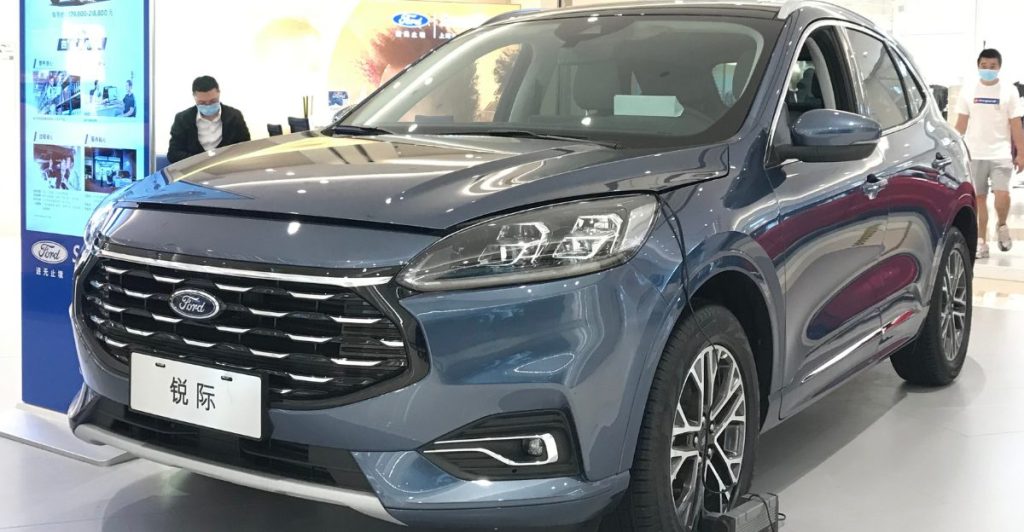
Ford and NHTSA offer free online tools to check a vehicle’s 17-character VIN for open recalls. If 21V‑922 appears, owners should schedule a visit for rear lining replacement. Repairs are free, but the safety benefit is significant: stopping distance returns to standard, and crash risk decreases. Ignoring a recall leaves that critical margin unused. Confirming VINs is the last step in turning technical oversight into safety action. The final slide covers why verification, not assumption, matters for everyday driving.
Verification Protects Drivers
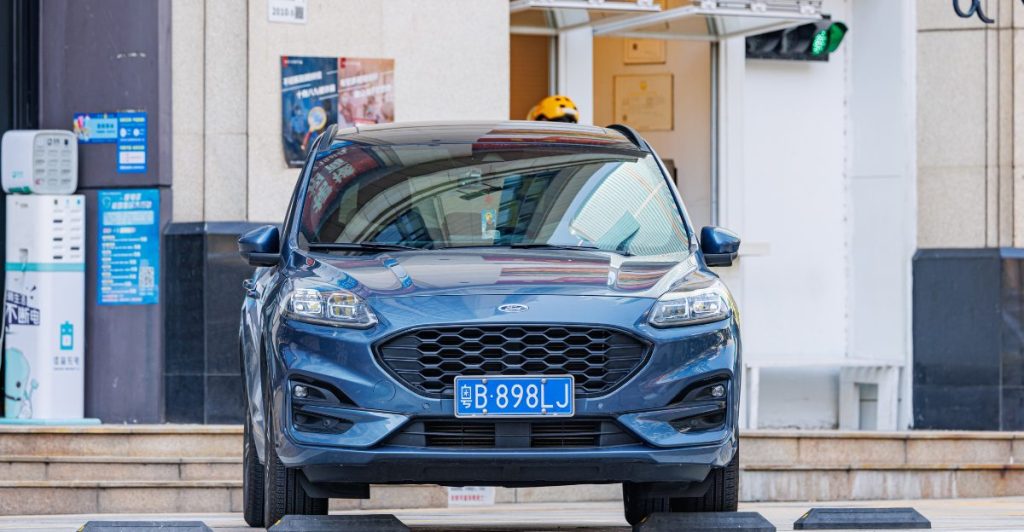
Brakes may feel fine, but that alone isn’t enough. This recall shows that vehicles can pass daily driving tests yet fall short under emergency conditions. Owners must check VINs, read recall notices, and ensure work is completed. Automakers and regulators conduct testing and issue recalls, but the final responsibility rests with the driver. Following through ensures documented braking performance rather than hoping the system works in a critical moment. Every press of the pedal counts, and this recall restores confidence in one of the most essential safety systems.
Sources:
Ford Recalls 115,000 Bronco Sport, Escape SUVs over Brake Issue. Car and Driver, December 4 2021
Part 573 Safety Recall Report 21V-922 (Ford Motor Company). National Highway Traffic Safety Administration, November 22 2021
Ford Recalls Bronco Sport, Escape SUVs to Fix Brake Problems. Consumer Reports, December 1 2021
115000 Ford Bronco Sports, Escapes Recalled for Brakes. Cars.com, December 1 2021
Ford Bronco Sport, Escape Recalled for Brake Issue. Fox Business, December 5 2021