Congress Wants Every Electric Vehicle Owner In America To Pay New Annual Fee
The chairman of the House Transportation and Infrastructure Committee stepped up to the microphone and delivered a line that sounded straightforward enough: “User pays is the bedrock principle that has funded our surface transportation system for decades.” Sam Graves did not announce a gas tax hike. Instead, he introduced a new idea: an annual fee promoted by House Republican leaders, targeting a specific group of drivers, those who never stop at the gas pump. Under this plan, every EV owner in the country would send Washington a yearly check for road repairs.
Graves has already backed draft language that would attach a federal registration fee for EVs to the current surface transportation funding framework. He wants this idea in the next long-term highway bill. Graves says he will fold that requirement into a multi-year surface-transportation bill, turning a talking point into proposed legislation. For now, there is no bipartisan deal. Senate leaders and the White House have not signed on.
A New Fee for EV Owners

The Highway Trust Fund pays for bridges, interstates, and transit projects across all 50 states. It runs on fuel taxes: 18.4 cents on every gallon of gasoline, 24.4 cents on diesel. Those pennies add up when 200-plus million cars burn fuel. But the fund is bleeding out. The Congressional Budget Office projects it cannot cover its obligations under current law.
Rising fuel economy means fewer gallons purchased per mile driven. Every year, the same roads cost more and the tax generates less. Against that backdrop, House Republicans are pitching the EV fee as one possible fix, not a consensus plan adopted by all of Congress.
State Surcharges for Electric Vehicles
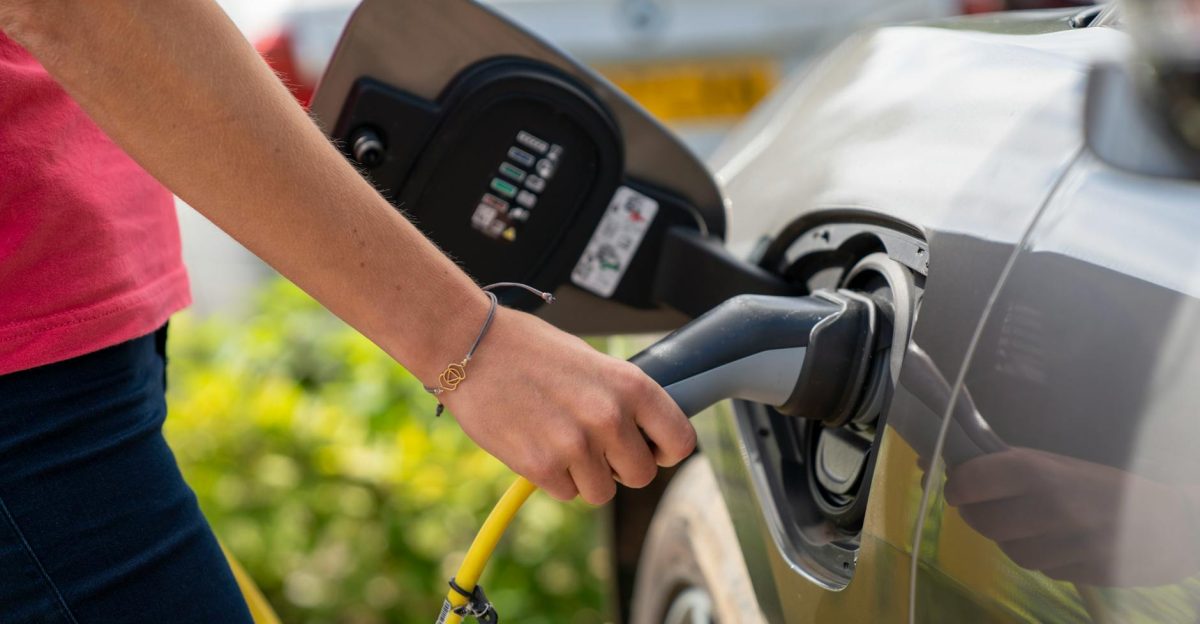
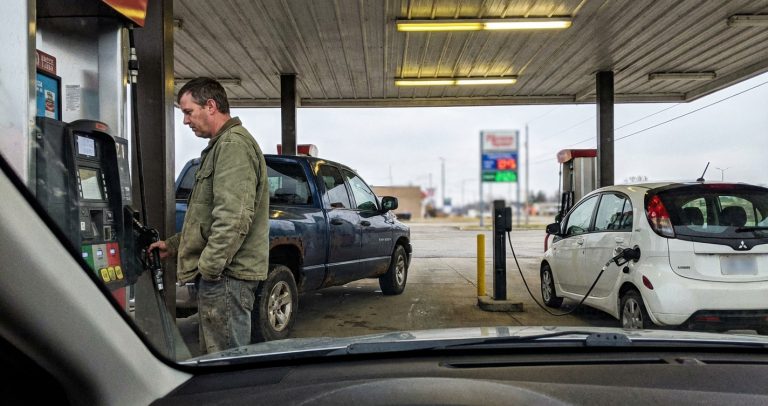
Dozens of states already ask EV owners to pay a registration surcharge to help fill the gap left by missing gas-tax revenue. A battery-electric vehicle pays almost nothing in federal fuel tax. For example, a driver who racks up 12,500 miles in a 25-mpg truck pays about $92 a year in federal gas tax. An EV driver covering the same distance pays zero.
Graves wants to close that gap at the federal level. His proposal would create a nationwide charge for all battery-electric and, in some versions, plug-in hybrid vehicles registered anywhere in the U.S. if it became law. Many people view gas taxes as a stable, fair “user fee.” The reality is more complicated.
Flat Fees and the User Pays Debate
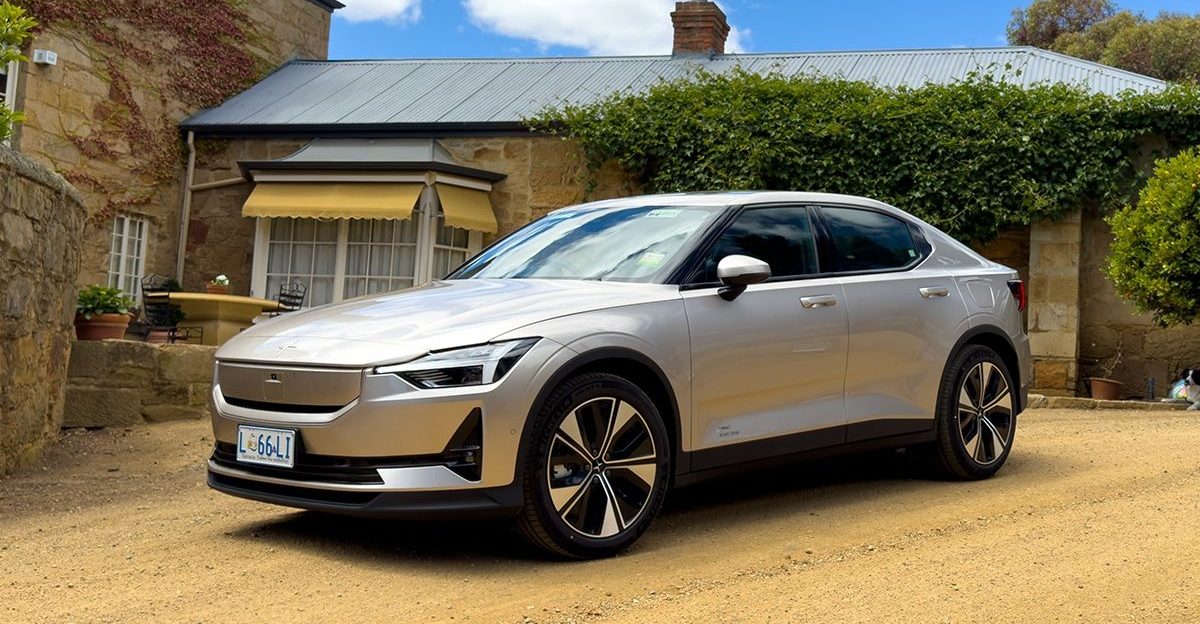
“It’s time for electric vehicles to start paying their fair share,” Graves declared. His fix is a flat annual fee. Graves is not alone. House Republicans floated nearly identical EV and hybrid fees in last year’s tax and spending package, making it a conference priority.
The plan does not account for miles driven, only a yearly flat rate. A retiree who drives 4,000 miles pays the same as a rideshare driver logging 40,000. This structure moves away from the “user pays” model. Road wear and tear depends on miles and vehicle weight, and a flat charge ignores both. The Government Accountability Office has pointed out this mismatch: a per-gallon tax is funding a per-mile system.
Gas Tax System Under Strain

The gas tax works like a pay-per-gallon meter attached to a pay-per-mile road. When cars got 15 miles per gallon, this system made sense. As fuel economy rose, the meter started falling behind. Electric vehicles did not break the system.
Their popularity made its flaws visible. High-MPG hybrids also reduce gas-tax revenue per mile. The GAO describes this as a structural issue that affects more than just EVs. Blaming electric cars for the funding crisis is like blaming the last guest at a party for the empty keg.
Fuel Economy and Shrinking Revenue

A driver in a 38-mpg sedan who covers 12,500 miles pays about $61 a year in federal gas tax. This is already a third less than what the truck driver pays. Every time cars get more efficient, the fund loses more revenue, regardless of how many EVs are on the road.
The Bureau of Transportation Statistics tracks this trend, and average fuel economy keeps rising. The shrinking tax base predates the first Tesla. EVs have made the math obvious.
Federal Fees Add to State Charges
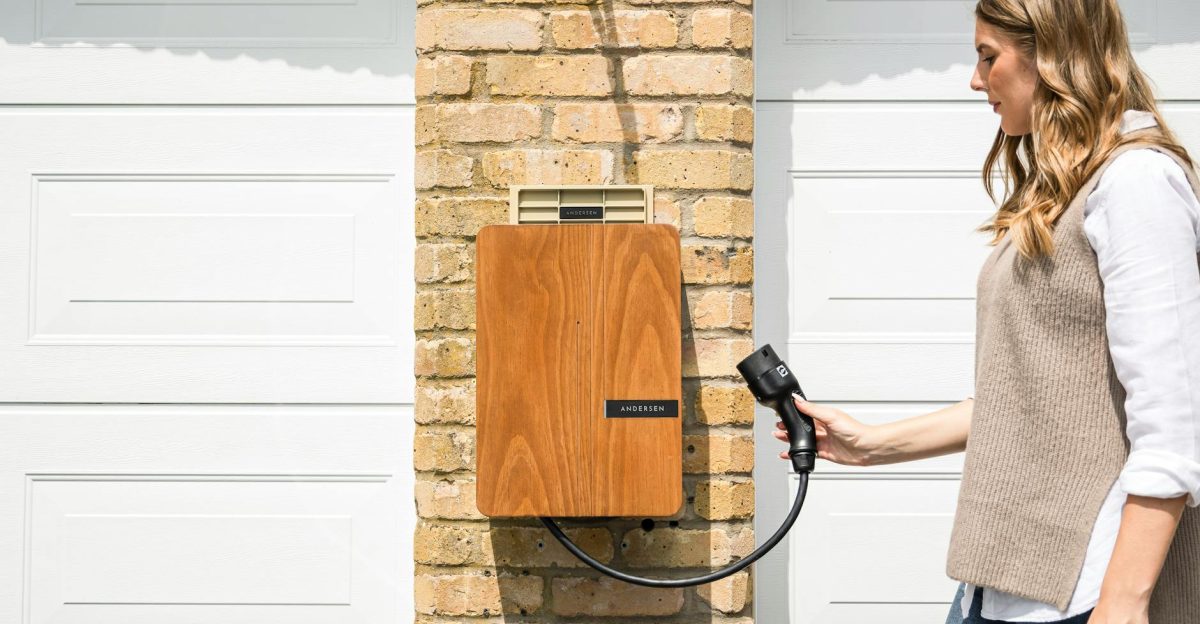
If a federal annual fee passes, it would add to the state EV surcharges already in place. Every qualifying EV owner, no matter where they live, would pay more. This could increase ownership costs and change the math for families who bought an electric car to save on fuel.
Automakers and EV advocates are likely to push back and may prefer a mileage-based system over flat fees. The actual amount of the fee is still undecided. No one has put a number on it yet. The proposal would need to pass the Senate and get the president’s signature before any EV owner pays it.
Federal Policy Sets the Standard
If the federal government approves an EV-specific fee, the concept becomes standard nationwide. A yearly EV charge collected by Washington sets a new baseline. The GAO has described what could follow: road-user charges based on actual miles driven.
A flat annual fee would serve as a bridge policy toward a national mileage-based system. For now, Graves’ EV fee remains a proposal, not part of federal law. The EV fee debate signals a gradual rewrite of the tax code.
Mileage-Based Fees on the Horizon

Low-mileage EV owners stand to lose the most under a flat fee, potentially paying more than the gas tax would have cost them per mile. But the escalation path doesn’t stop at electric cars. If mileage-based charging gains momentum over the next several years, every driver faces a future where the government tracks miles, not gallons.
Plug-in hybrids, high-efficiency gas cars, even diesel trucks could eventually land in the same billing system. The EV fee is the door. Mileage tracking is the room behind it.
Alternatives to Flat EV Fees

States and industry groups already have an answer ready: replace the per-gallon tax entirely with per-mile road-usage charges. That would actually deliver the “user pays” principle Graves invoked. It would also make a flat EV fee obsolete before it collects its first dollar.
The real fight isn’t over whether EV owners should contribute. Almost nobody argues they shouldn’t. The fight is over whether Washington turns House Republicans’ EV-fee proposal into law or builds a 21st-century funding system that makes that fee unnecessary.
Sources:
U.S. House Committee on Transportation and Infrastructure — Graves Releases T&I Committee Budget Reconciliation Proposal — February 20, 2026
Congressional Budget Office — Testimony on the Status of the Highway Trust Fund: 2023 Update — October 17, 2023
National Conference of State Legislatures — Special Fees on Plug-In Hybrid and Electric Vehicles — May 26, 2025
Government Accountability Office — Highway Trust Fund: Pilot Program Could Help Determine the Viability of Mileage Fees for Certain Vehicles (GAO-13-77) — December 2012
Bureau of Transportation Statistics — Average Fuel Efficiency of U.S. Passenger Cars and Light Trucks — Ongoing dataset
Congressional Research Service — Mileage-Based Road User Charges (R44540) — June 21, 2016