Viral Claims Say 2026 GM Trucks Are ‘Losing Engines’ Nationwide—Here’s What the Data Shows So Far
A viral YouTube video in 2025 claimed 2026 GM trucks are “losing engines” nationwide, triggering immediate concern among buyers. The title framed catastrophic failures in vehicles that had barely reached 200 miles, raising fears for owners carrying loans near $75000. Millions of views and rapid sharing pushed the claim across forums within days, amplifying uncertainty. Early reactions focused on potential mechanical risk, yet the situation quickly moved beyond emotion into questions about verification. The scale of attention created urgency, but the timeline of evidence begins to matter once those claims leave social feeds.
Why “Already” Carries Weight
The phrasing “already” suggests failure within the first few thousand miles, which directly impacts buyer confidence. In 2025, many customers placing deposits on 2026 GM trucks faced uncertainty tied to that implication. Early ownership typically defines trust in a vehicle, and the idea of breakdowns before 3000 miles introduces financial and reliability concerns. Buyers began reassessing decisions even without personal issues appearing. That shift shows how wording alone can influence behavior, especially when tied to large purchases. The next step is understanding where such claims should appear if they reflect real mechanical patterns.
Where Evidence Should Surface
Defect claims at a national scale leave traces in official systems. The National Highway Traffic Safety Administration tracks recalls, complaints, VIN records, and Technical Service Bulletins. These systems are designed to detect patterns as they develop. In 2025, reviews of these databases showed no recall campaign tied to 2026 GM truck engine failures. No investigation specific to that model year had been opened. No bulletin confirmed a widespread defect. The absence of entries does not settle the issue, but it defines the current state of verified data and sets the stage for evaluating the gap between claims and proof.
The Gap Between Claim And Data

Public perception often connects viral reach with confirmed problems, yet verification depends on measurable reporting. In 2025, no major automotive publication confirmed a nationwide engine failure issue tied to 2026 GM trucks. The claim circulated widely, but supporting data across regulatory and industry channels remained limited. This gap highlights how narratives can expand faster than documentation. Buyers exposed to repeated claims may assume confirmation exists when it does not. That disconnect leads directly into how official defect recognition actually works and why timing plays a central role in validating mechanical concerns.
How Defects Become Recognized
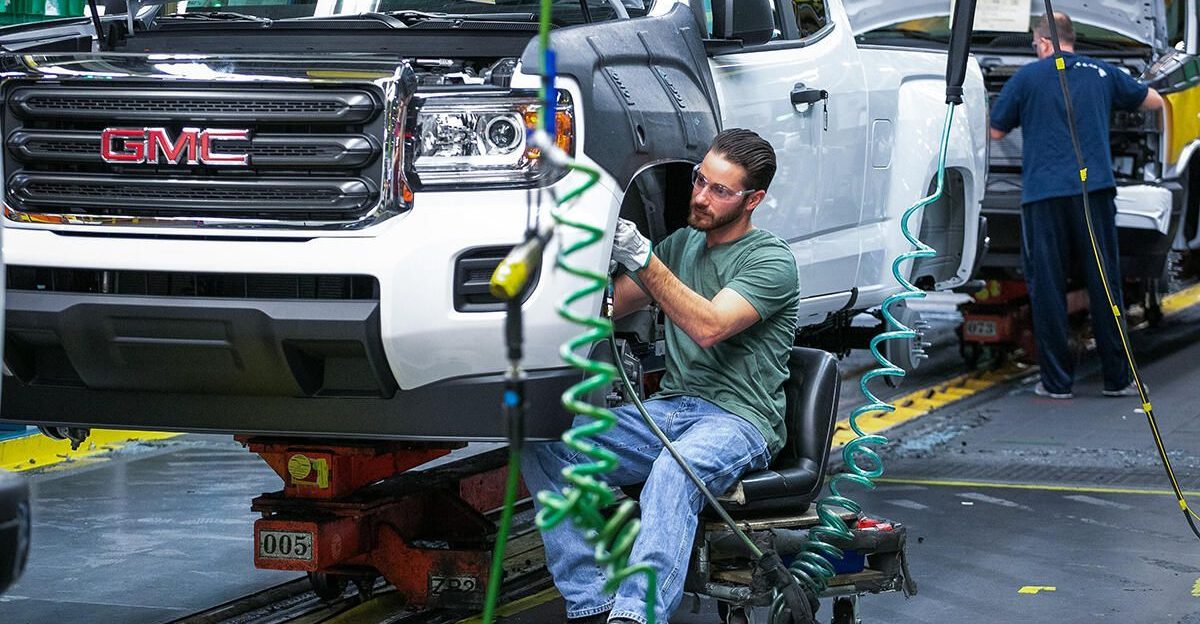
The defect reporting process follows a defined structure through the Office of Defects Investigation. Owners submit complaints that are logged and reviewed for patterns. If similar reports increase, analysts evaluate potential risks. Manufacturers may respond with Technical Service Bulletins before any formal escalation. Only when volume and severity align does a formal investigation begin, which can lead to recalls. Each step depends on documented cases rather than isolated reports. In 2025, that process had not produced a 2026 engine failure pattern, which explains why official confirmation had not yet appeared despite widespread discussion.
Financial Impact Builds Quickly
Market reactions often begin before verification is complete. In 2025, concerns tied to engine failure claims influenced resale expectations and purchase decisions. Trade in offers can decline when uncertainty spreads, even without confirmed defects. Buyers delaying purchases or canceling orders absorb financial consequences tied to perception. At the same time, unreported mechanical issues reduce the visibility of real problems. This creates a feedback loop where fear shapes behavior faster than data can respond. That imbalance places pressure on both buyers and current owners as the situation continues to develop.
Who Feels The Consequences
Two groups experience direct impact when claims spread without confirmed backing. Buyers who react early may cancel orders or sell vehicles, absorbing losses that can reach thousands of dollars. Owners who experience genuine issues but do not report them leave potential patterns undocumented. In 2025, both outcomes limited the accuracy of available data. The reporting system depends on participation to detect trends. Without consistent input, distinguishing isolated failures from broader concerns becomes difficult. That challenge feeds into a larger shift in how information spreads and how quickly it influences automotive markets.
A Shift In How Stories Spread
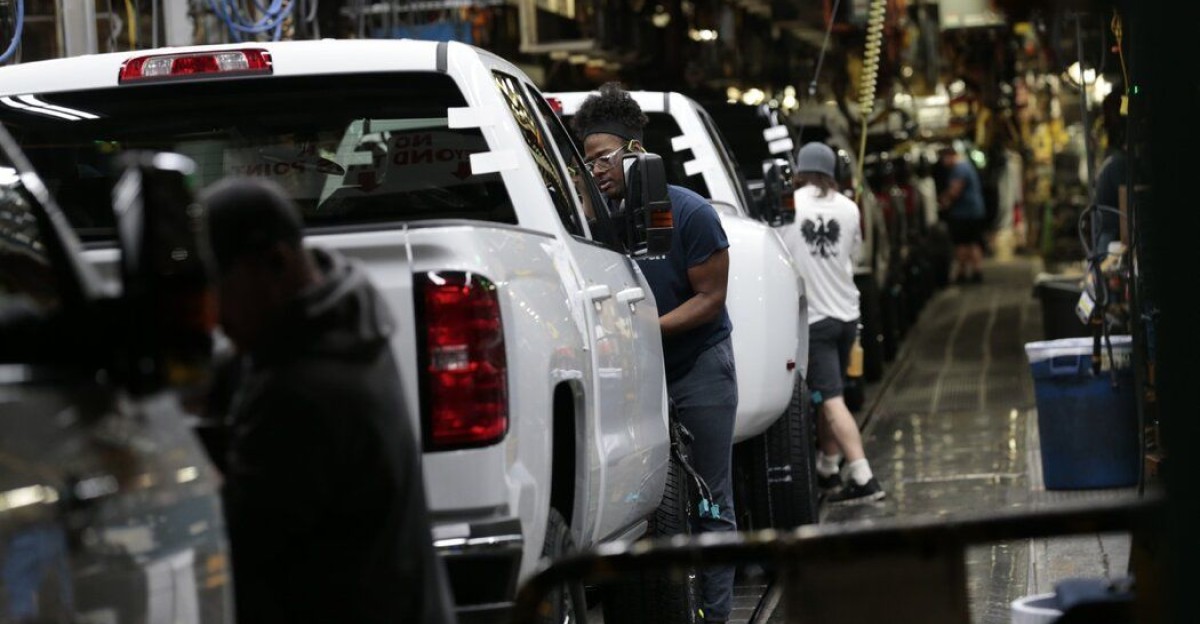
Automotive narratives now move faster than verification systems. In 2025, a single viral video generated widespread concern before any official dataset reflected similar scale. Consumer behavior responded immediately, showing how attention can shape outcomes ahead of confirmed evidence. The distinction between perception and documented data becomes critical when evaluating claims tied to safety and reliability. Understanding that difference changes how headlines are interpreted and how decisions are made. That perspective leads into the timeline that determines whether early claims evolve into confirmed mechanical issues.
The Timeline Still Developing
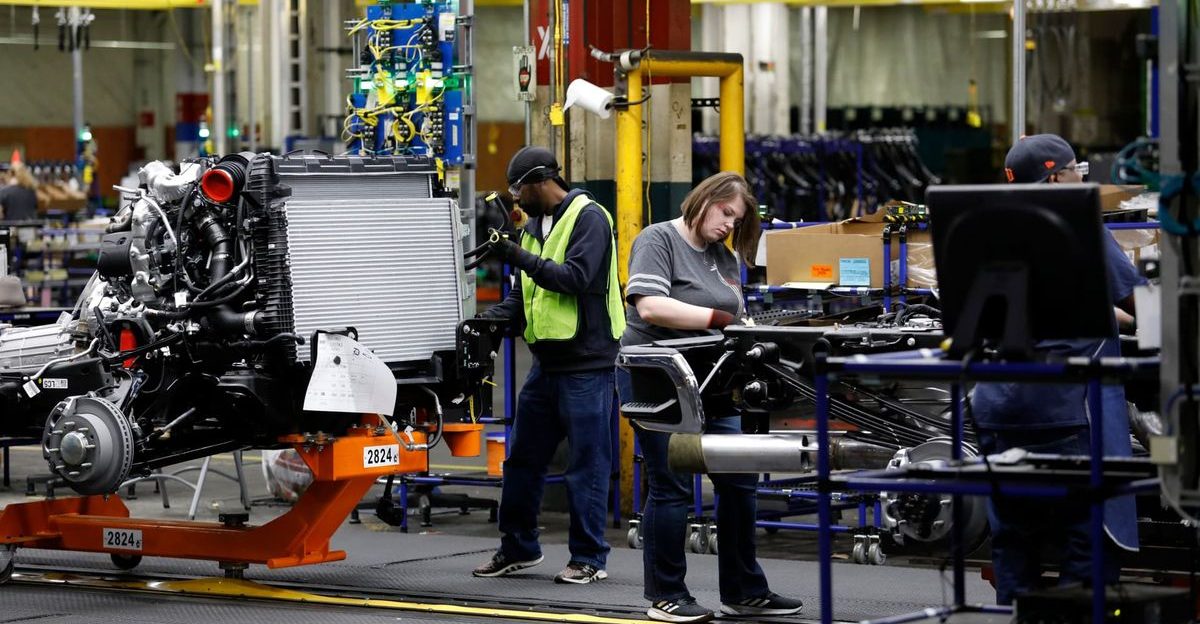
The absence of confirmed data in 2025 reflects the current stage of reporting rather than a final outcome. Complaint volumes can increase over time, triggering reviews that may escalate into investigations. Manufacturers often respond with service bulletins before broader action becomes necessary. This sequence can take months as data accumulates and is analyzed. Tracking updates through official databases provides clearer insight than monitoring repeated claims. The progression of entries in those systems will determine whether concerns remain isolated or form a recognized pattern requiring action.
What Owners Can Do Now
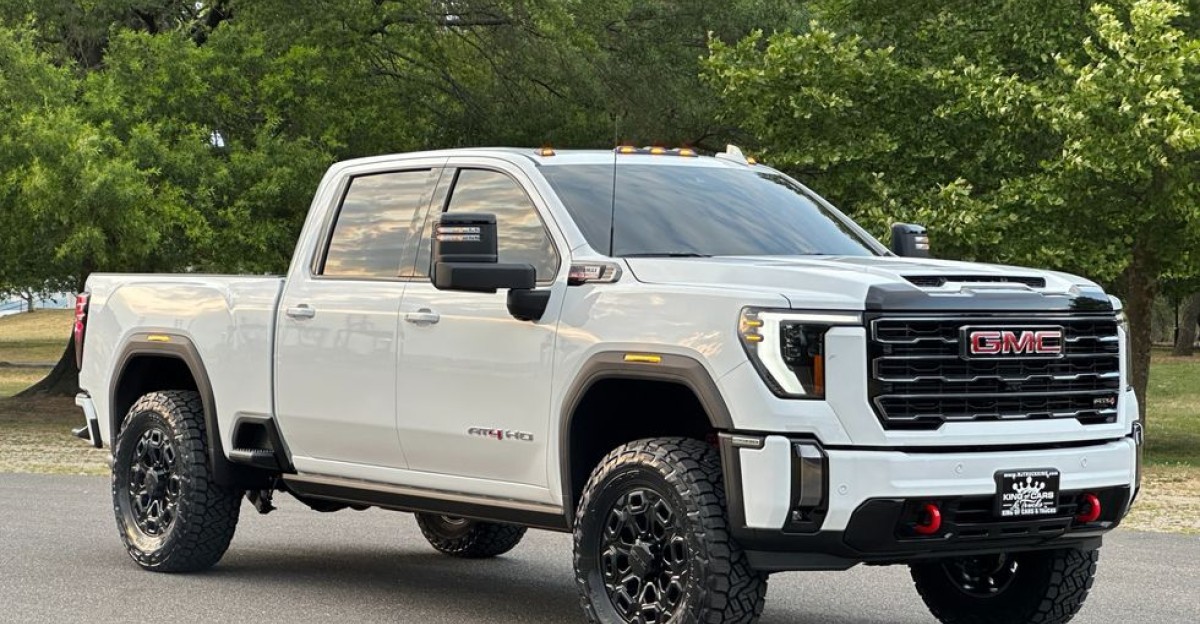
Owners of 2026 GM trucks can take direct steps to verify their vehicles. VIN lookup tools provide immediate access to recall status, and filing complaints contributes to the national tracking system. These actions support accurate reporting and improve visibility into potential issues. In 2025, documented evidence of widespread engine failure remained limited, making verified data the most reliable guide for decisions. Continued reporting will shape the understanding of this issue over time, and the accuracy of that picture depends on what owners choose to document moving forward.
Sources:
GM recalls nearly 600,000 trucks and SUVs over risk of engine failure. CBS News, April 28 2025
NHTSA opens query into GM V-8 engine failures after 2025 recall. WardsAuto, January 29 2026
NHTSA opens probe into about 600,000 GM vehicles over engine failure issue. Reuters, January 19 2026
NHTSA investigating post-recall GM 6.2L L87 engine failures. GM Authority, January 18 2026
GM 6.2L V8 engine failures also affecting Australia and New Zealand. GM Authority, February 16 2025
GM 6.2L V8 engine recall: what to do next. Endurance Warranty, March 4 2026