U.S. Spent Its Oil Safety Net And Oil Prices Are Spiking Again
The United States has already expended most of its emergency tools to curb soaring oil prices, releasing 172 million barrels from the Strategic Petroleum Reserve as part of a record high 400 million barrel drawdown coordinated by the International Energy Agency. This move, the largest coordinated release in oil market history, came after U.S. gasoline prices rose more than 0.60 dollars per gallon in a month. With the reserve now significantly depleted, the administration has few options left to counter the price shock.
Waiver for Sanctioned Russian Oil Issued
In an attempt to add barrels to the market, the Trump administration issued a one month waiver permitting buyers to purchase sanctioned Russian crude oil and petroleum products without facing repercussions. The waiver, announced alongside a similar 30 day permission already granted to India, aimed to tap the roughly 100 million barrels of Russian crude and refined products then sitting on tankers at sea. Officials hoped the measure would ease tightening supplies caused by the Hormuz disruption.
Promise of Hormuz Escort Falls Flat
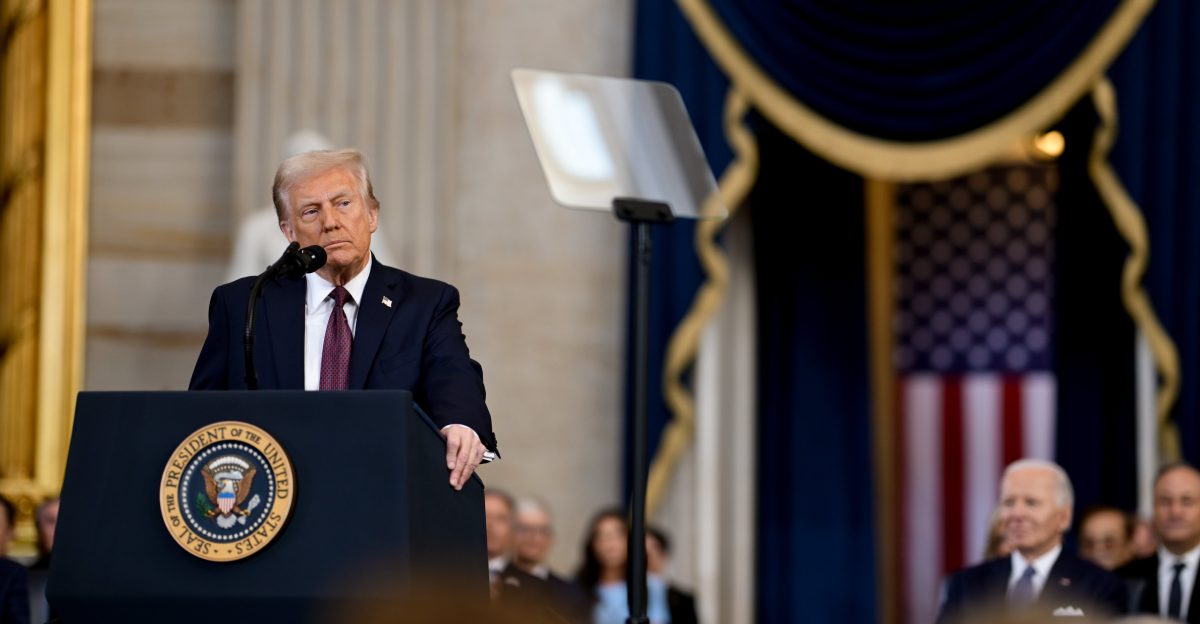
President Donald Trump pledged two weeks ago to provide risk insurance and naval escort for tankers seeking to transit the de facto closed Strait of Hormuz, describing the guarantee as available at a competitive price. Yet the promised protection has not materialized; shipowners and charterers continue to avoid the waterway, leaving many vessels either trapped or rerouted at considerable cost. The administration has since scaled back expectations for the offer and sought support from allies.
Strait of Hormuz Carries Vital Flow
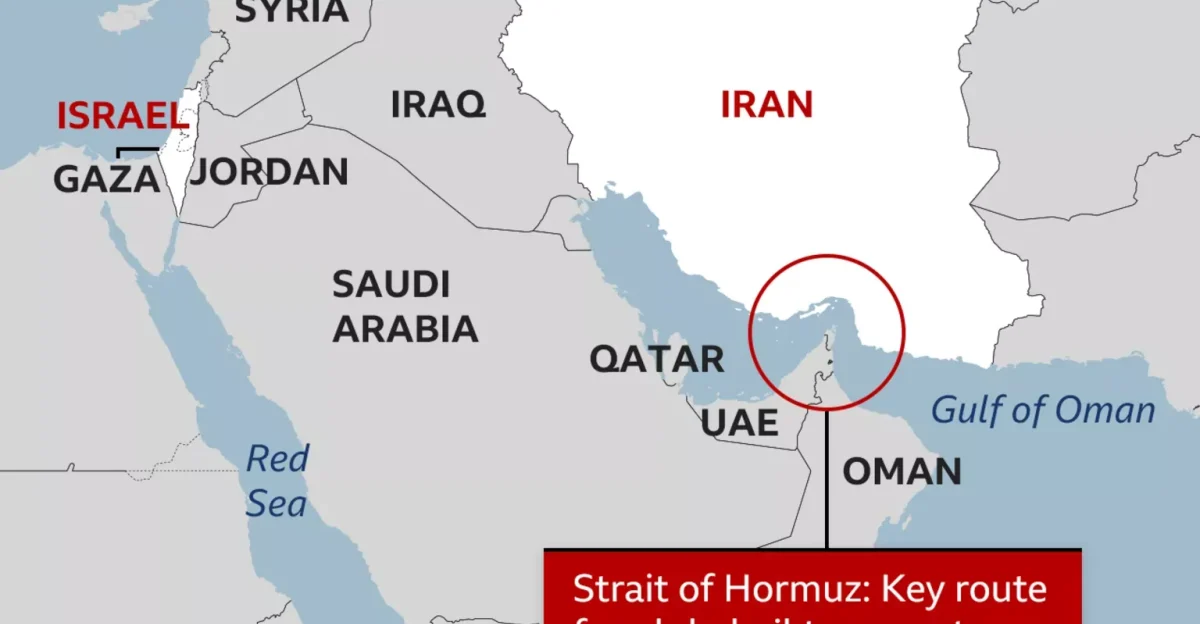
The Strait of Hormuz remains the world’s most critical oil chokepoint, with roughly 600 million barrels of crude and petroleum products moving through it each month, equivalent to about 20 million barrels per day. This volume represents a significant share of global seaborne oil trade, and any sustained interruption would immediately strip markets of supplies that cannot be easily replaced by other routes or storage draws. The loss of this flow is regarded as a severe threat to energy stability.
Price Spike Projections Warned

Analysts warn that if the Strait of Hormuz remains blocked for a month or two, benchmark Brent crude could climb to as high as 150 dollars and even 200 dollars per barrel. For refined products such as diesel and jet fuel, effective prices could reach 200 to 250 dollars a barrel or more, according to Wood Mackenzie projections. Such spikes would transmit inflationary pressure through transportation, manufacturing and agriculture, threatening broader economic stability.
Limited Remaining Tools Seen as Band Aids
With most emergency measures already employed, the White House is considering a temporary waiver of the Jones Act to let foreign flagged vessels move fuel between U.S. ports, and urging Congress to cut federal taxes on gasoline and diesel. However, analysts describe these steps as merely band aid solutions that cannot offset a sustained loss of Hormuz supplies. They note that such actions would at best alleviate regional bottlenecks while leaving the fundamental supply gap untouched.
Expert Calls Measures Weak Adhesive

Steve Allen, an economist at North Carolina State University, told ABC News that the recent Strategic Petroleum Reserve release is “much more than a band aid with weak adhesive” when confronting a prolonged supply disruption. He emphasized that the one off drawdown cannot be repeatedly used and must eventually be rebuilt, offering only short lived relief against a structural gap in global oil flows.
Strategic Reserves Only Cover Four Weeks
Andrew Harbourne, senior analyst for oil markets at Wood Mackenzie, noted that the 400 million barrel release coordinated by the International Energy Agency will cover only about four weeks of disruption in the Gulf. He added that strategic stocks remain an effective emergency buffer but are a one off intervention that must eventually be replenished and cannot sustain a long term supply shortfall.
Macroeconomic Risk Raised

Joseph Lupton, co head of Economic Research at J.P. Morgan, said the shock generates greater macroeconomic risk than recent military conflicts and could have material, lasting political and economic consequences at the regional level. He warned that through its potential to disrupt global energy markets and supply chains, the Hormuz closure looks likely to affect economies well beyond the immediate battlefield.
Pressure Likely to Persist Until Hormuz Reopens

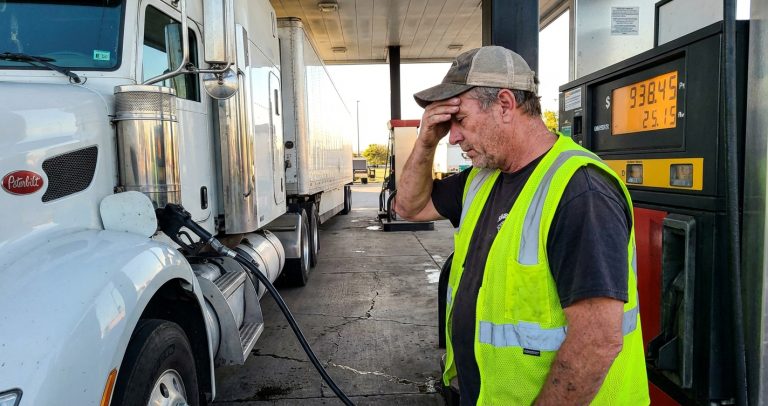
Patrick De Haan, head of petroleum analysis at GasBuddy, warned that until there is a meaningful resumption of oil flows through the Strait of Hormuz, upward pressure on fuel prices is likely to persist. He noted that U.S. gasoline and diesel prices continued to climb, with diesel topping 5 dollars per gallon, as market participants await any concrete progress toward reopening the vital maritime route.
Sources:
“US to Release 172 Million Barrels of Oil From Strategic Reserve Amid Iran War.” Reuters, March 2026.
“IEA Approves Largest-Ever Oil Reserve Release of 400m Barrels Amid Gulf Disruption.” Euronews, March 2026.
“Gas Prices Have Surged 60 Cents Per Gallon — But Oil Still Has Room to Run.” Forbes, March 2026.
“Diesel Prices Surge to $5 per Gallon as Iran War Disrupts Global Oil Supplies.” CNBC, March 2026.