New Study Names The 10 SUVs That Lose The Most Money After Just 5 Years
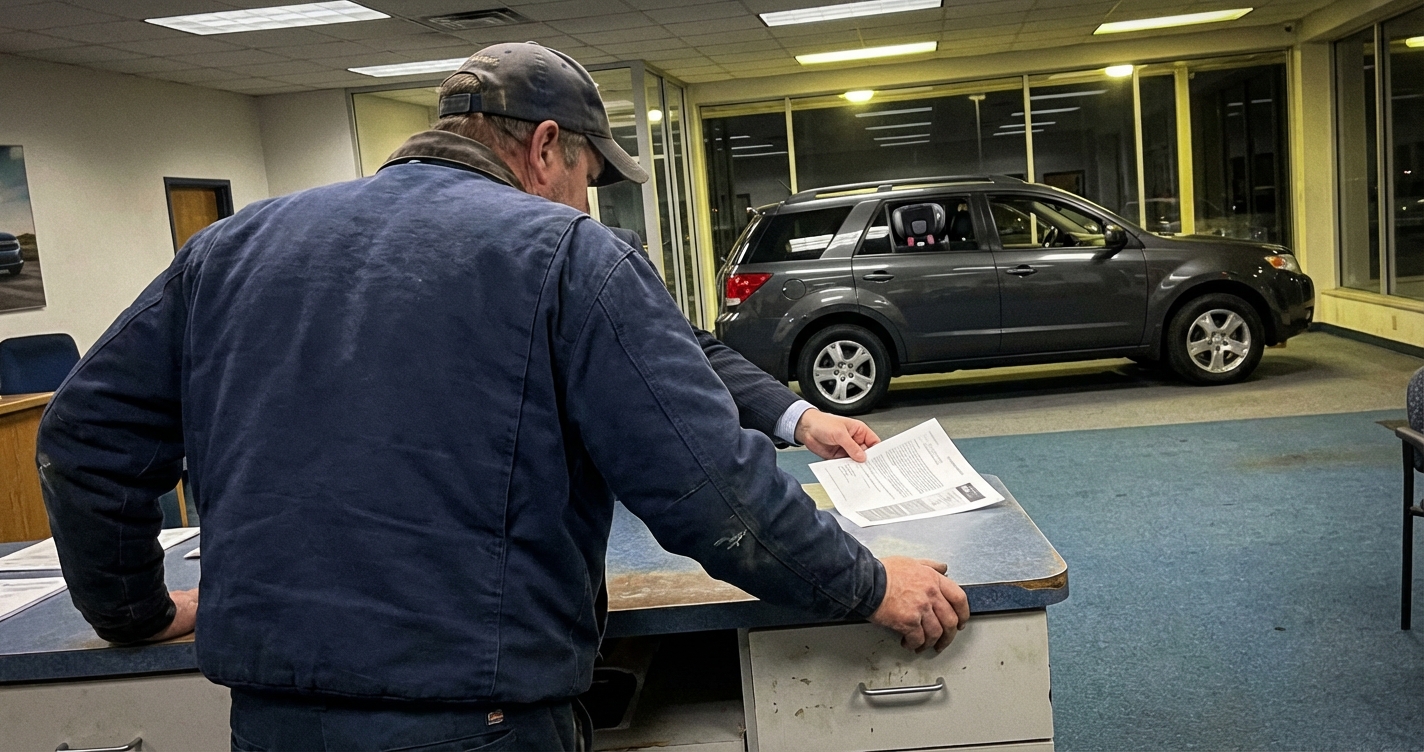
You drove it off the lot proudly. Big wheels, leather seats, maybe a badge that turned heads in the school pickup line. Five years later, you pull into a dealership to trade it in, and the number they hand back makes your stomach drop. That’s not bad luck. That’s depreciation doing exactly what it was always going to do.
A new iSeeCars study analyzed more than 800,000 five-year-old used vehicles sold between March 2024 and February 2025 and put names to the problem. Ten SUVs. Five years. Losses so steep they rewrite the real cost of ownership.
The Sticker Price Was Never The Real Price
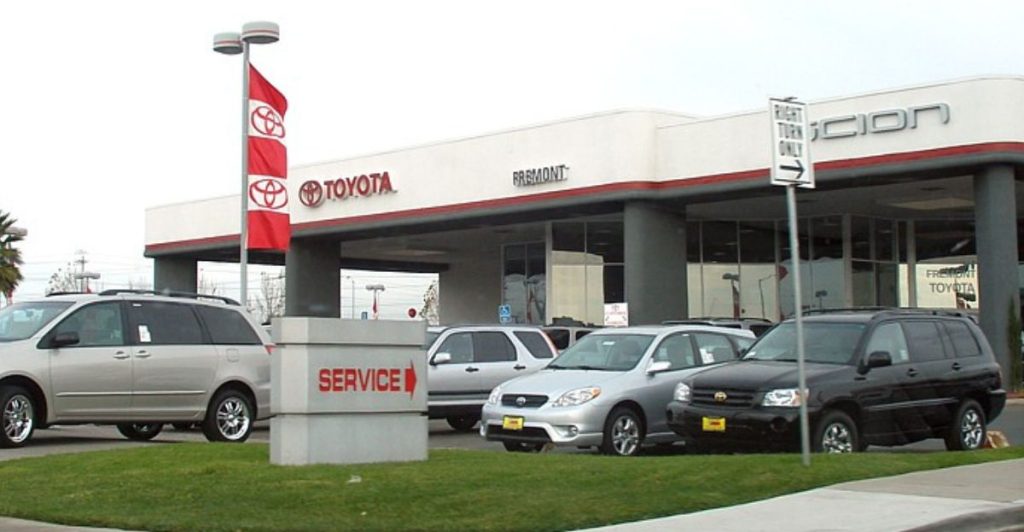
The industry average is 45.6% lost after five years, already a gut punch on a $45,000 vehicle. Every SUV on this list bleeds past 60%. That’s not a market hiccup, that’s a pattern. And it’s driven by brand reputation, reliability perception, downstream buyer demand, and how aggressively manufacturers leaned on incentives to move inventory when the vehicles were new.
When dealers discount heavily to sell new, they quietly signal to the used market that the vehicle was never worth full price to begin with. The residual values follow. Karl Brauer, iSeeCars Executive Analyst, said it plainly: “Depreciation remains the most expensive aspect of buying a new vehicle.” Here’s who’s paying it hardest.
No. 1 — Nissan Armada: 60%, $33,914 Gone
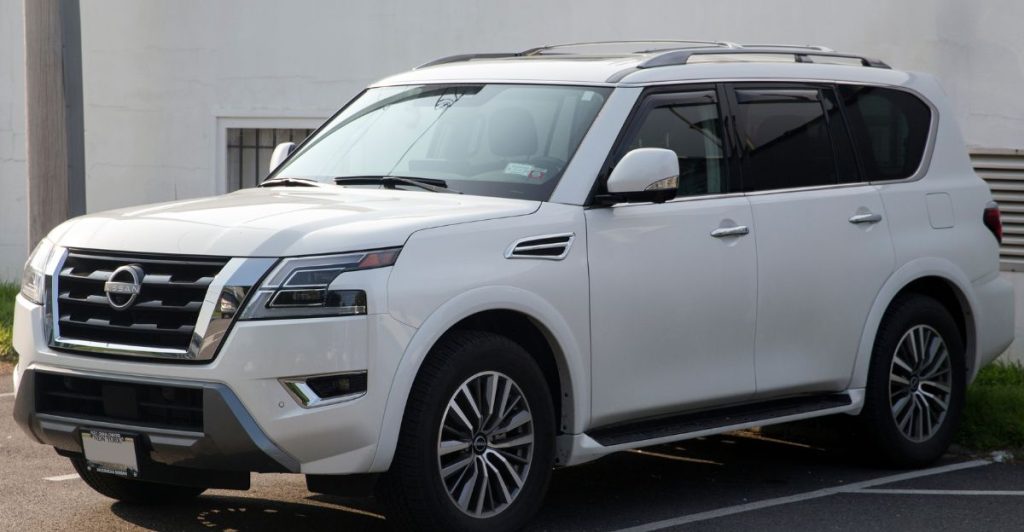
The Armada pitched itself as a value-play alternative to the Escalade and Expedition crowd, a big, body-on-frame three-row at a lower buy-in price. The used market knows that too. iSeeCars pegs its five-year depreciation at 60%, wiping out nearly $34,000 on average.
The model ran on an aging platform for years without a meaningful refresh, and buyers shopping used had better-optioned alternatives at every price point. Competitive on paper at the dealership. Quietly punishing five years later.
No. 2 — Lincoln Navigator L: 60.3%, $62,069 Gone
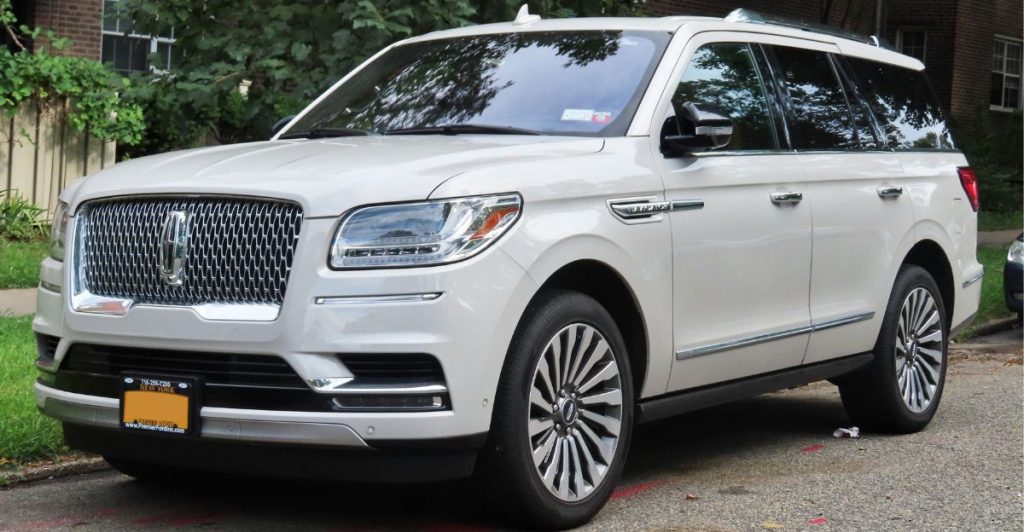
Sixty-two thousand dollars, gone in five years. The Navigator L is genuinely impressive, with three rows, real luxury, and coach doors on the Black Label. But in the used market, it competes against fresher Escalades and Expeditions at every price point, and Lincoln’s brand pull simply doesn’t hold the premium Ford charged for it when it was new.
A 60.3% depreciation rate on a $100,000-plus transaction is some of the worst dollar-for-dollar resale math in the full-size segment.
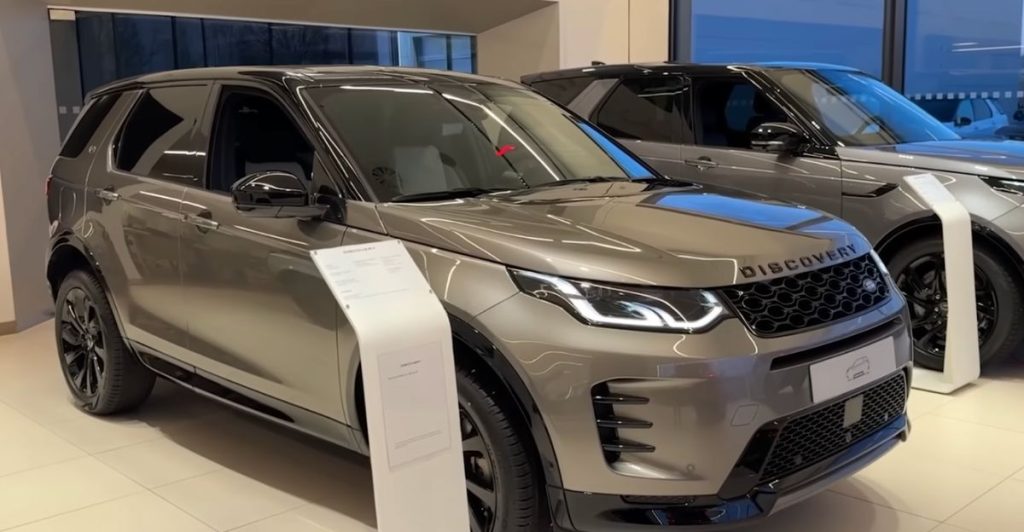
No. 3 — Land Rover Discovery: 60.9%, $36,635 Gone
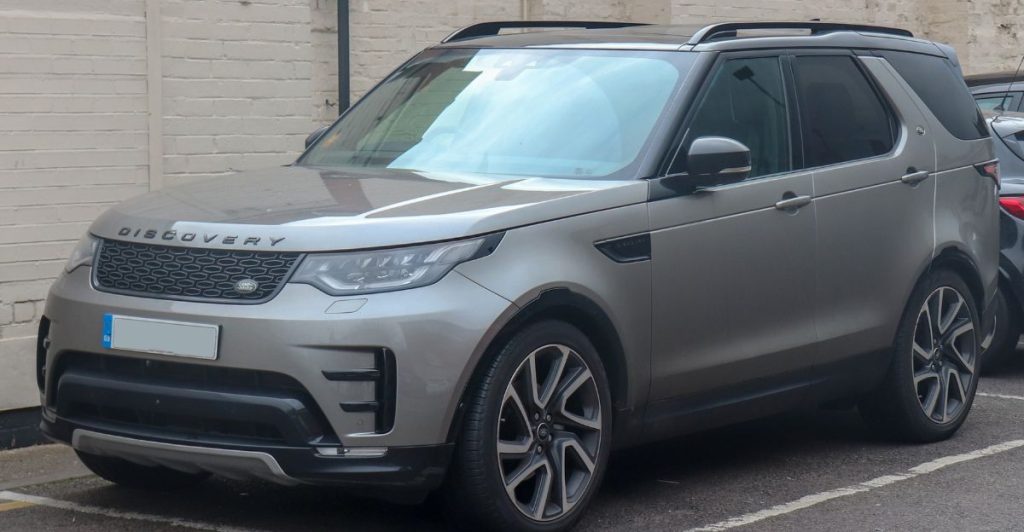
The Discovery is a genuinely capable off-road machine dressed in near-luxury clothing, but the used market prices it in repair anxiety — and it prices it aggressively. Five-year depreciation sits at 60.9%, with over $36,000 gone on an average transaction.
Buyers shopping used Discoverys are essentially being compensated to take on the ownership risk. That discount isn’t generosity. It’s the market telling you exactly what it thinks about long-term Land Rover costs.
No. 4 — Cadillac Escalade: 61%, $53,458 Gone
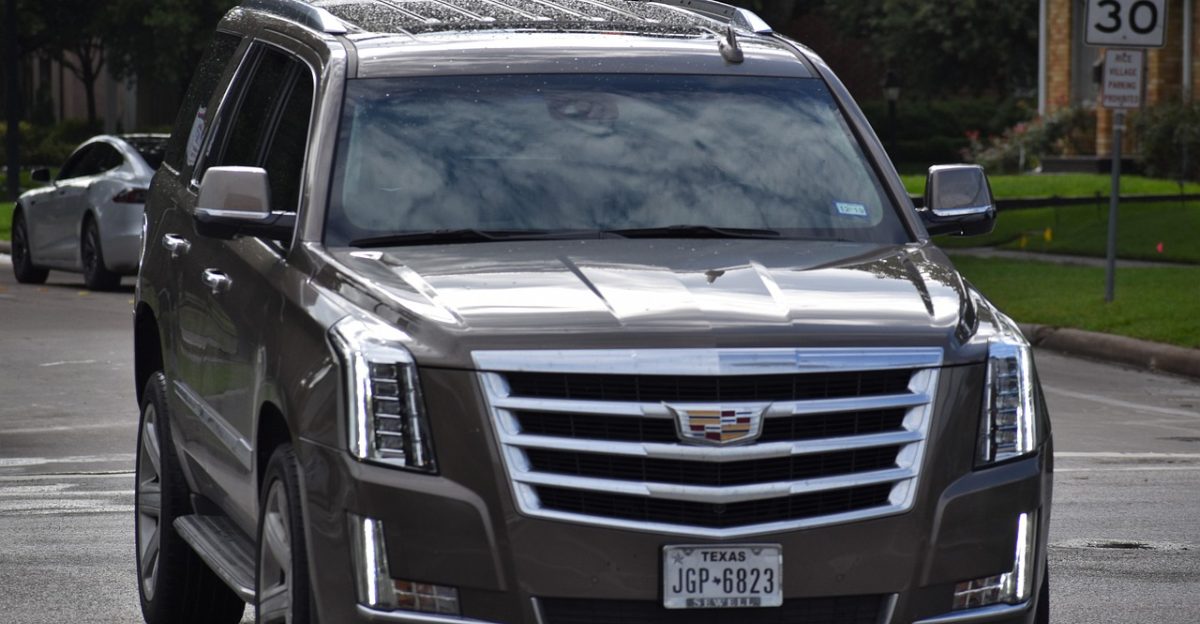
The Escalade still commands a room. It still sells. But selling new and holding value are different things, and the Escalade has a long track record of leaning on incentives to move inventory, which quietly undermines its own used-market pricing.
At 61% and over $53,000 gone after five years, the standard Escalade is a sobering number given how much cultural weight the nameplate carries. The used market offers them at steep discounts for a reason. That reason is right here.
No. 5 — INFINITI QX60: 61.5%, $30,888 Gone
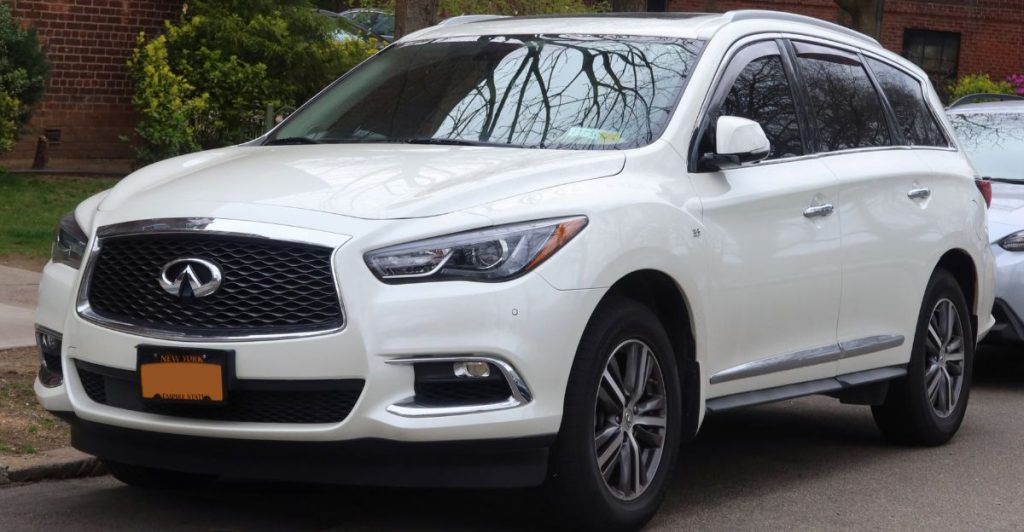
The QX60 competes in a three-row luxury midsize segment stacked with alternatives, Acura MDX, Lexus RX, Volvo XC90, and BMW X5. When shoppers go used, the QX60 tends to get left on the shelf. It shares its underpinnings with the Nissan Pathfinder, and the used market reflects that mechanical relationship more harshly than the window sticker ever suggested.
Five years in, 61.5% is gone, over $30,000 on a mid-$50,000 purchase. The brand premium the buyer paid for doesn’t survive contact with the resale market.
No. 6 — Audi Q7: 61.6%, $37,256 Gone
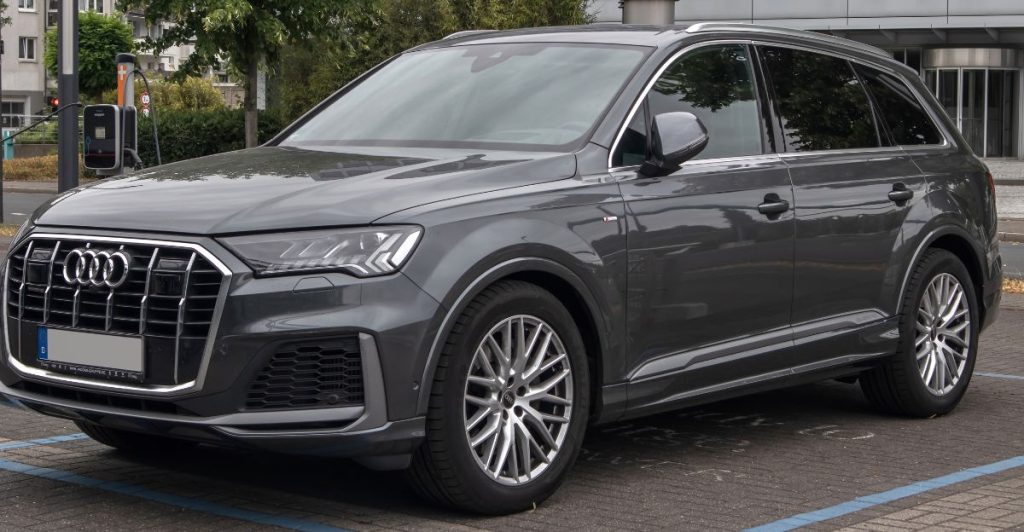
The Q7 feels like a responsible luxury choice in the showroom, understated, German, three rows, every box ticked. Then the maintenance bills start, and so does the used-market math. iSeeCars estimates five-year depreciation at 61.6%, with an average loss of $37,256.
Brauer noted that the premium features new-car buyers pay for “don’t translate to the used market to the same degree.” The Q7 is textbook evidence. Great vehicle to drive. Expensive vehicle to have bought new.
No. 7 — Cadillac Escalade ESV: 62.9%, $56,996 Gone
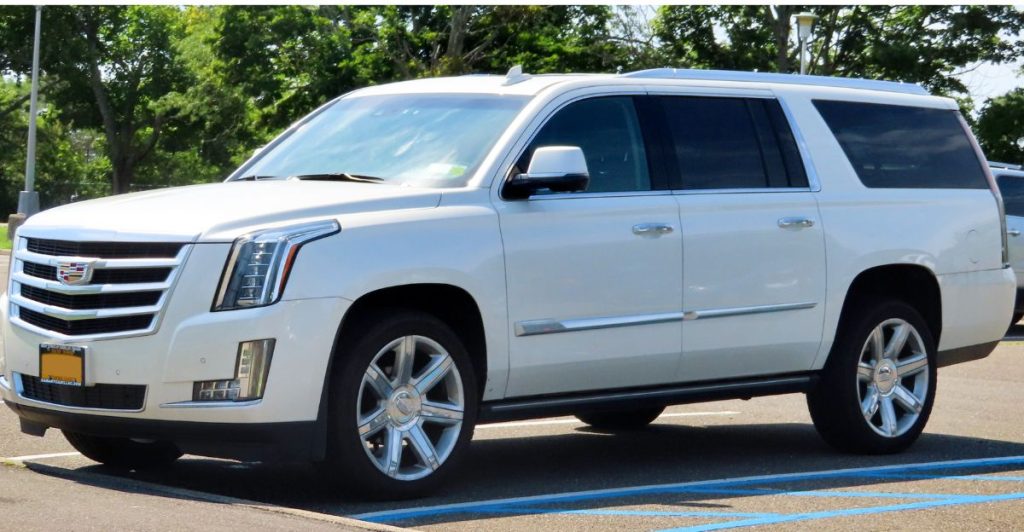
The stretched Escalade loses more than the standard model, and that detail is telling. The ESV sits at the top of the Cadillac SUV lineup, priced accordingly. But its fate in the used market mirrors its shorter sibling, only amplified. Nearly $57,000 gone after five years at a 62.9% depreciation rate.
Sheer size, higher maintenance exposure, and the same incentive-driven residual pressure all work against broad downstream demand. The market isn’t punishing it for what it is. It’s punishing it for what it costs to keep.
No. 8 — Land Rover Range Rover: 62.9%, $67,858 Gone
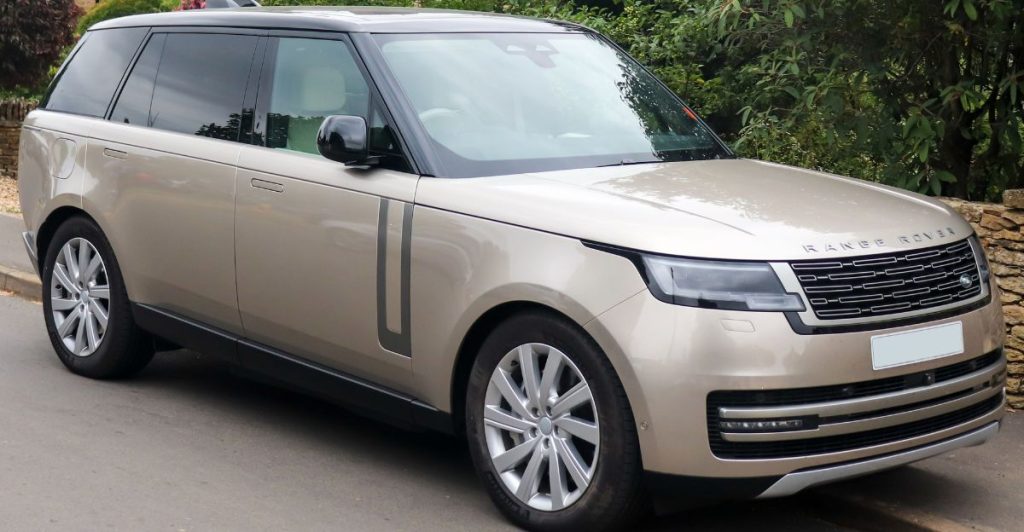
Nearly $68,000 evaporates over five years, the largest raw dollar loss of any SUV on this list. A 62.9% depreciation rate means a $108,000 Range Rover returns to the used market at roughly $40,000. Ownership cost reputation precedes it everywhere.
Used buyers know exactly what they’re taking on, so they demand a discount steep enough to offset it. The Range Rover is aspirational at sticker price. At trade-in, it’s a negotiation you will not enjoy.
No. 9 — Maserati Levante: 63.7%, $64,991 Gone
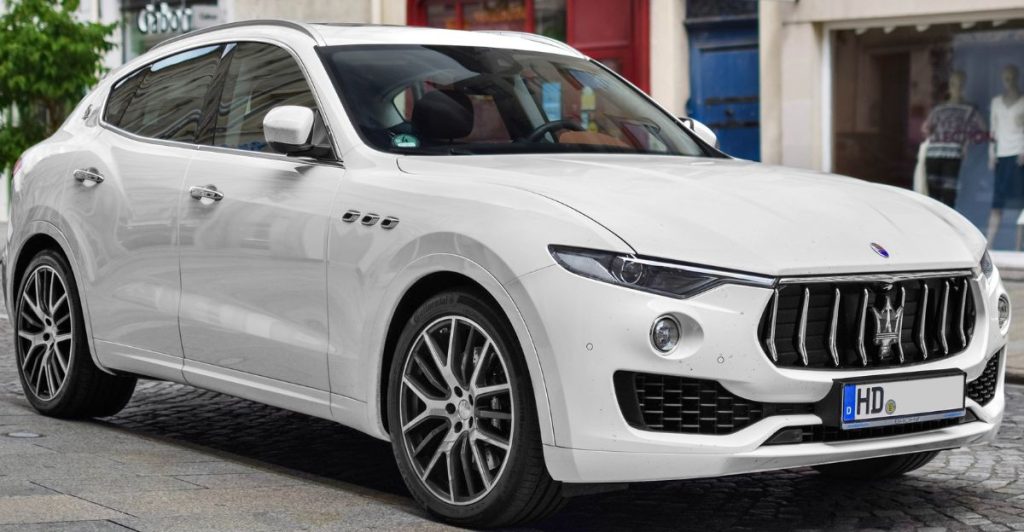
The Levante was supposed to be Maserati’s volume play, a luxury SUV that brought the trident badge to the school run. What it delivered instead was a by-the-book depreciation disaster: exotic badge, mainstream SUV function, ownership costs that scare away used buyers at scale. Five-year depreciation hits 63.7%, with nearly $65,000 gone.
iSeeCars cites high maintenance exposure, reliability perception, and a starting price that the used market flatly refuses to honor. The used-market verdict on the Levante is clear, and it isn’t kind.
No. 10 — INFINITI QX80: 65%, $53,571 Gone
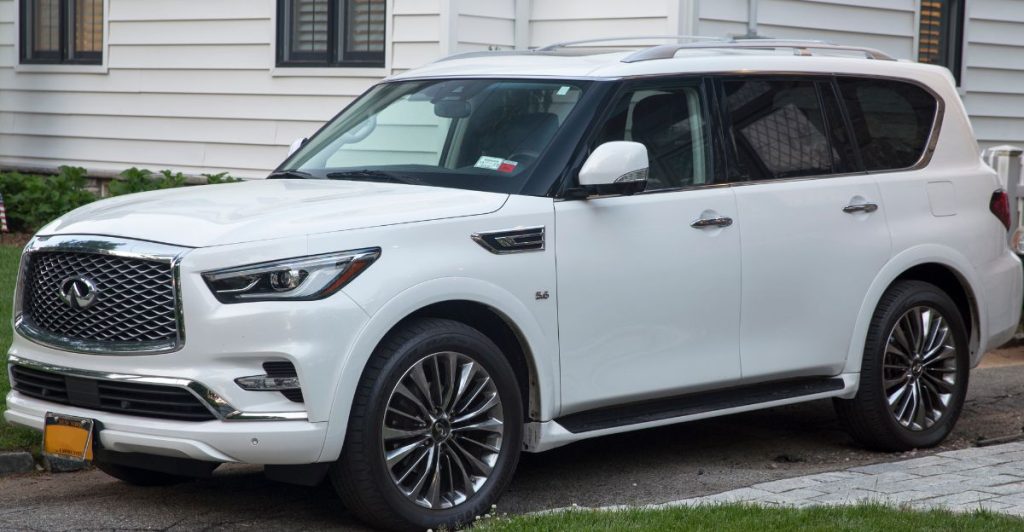
The worst SUV depreciation on the entire list belongs to the QX80. Sixty-five percent. Over $53,000 gone in five years. The QX80 is a full-size luxury SUV competing against the Escalade, Navigator, and Lexus LX in a segment where those competitors carry sharper brand equity in the used market.
INFINITI’s ties to Nissan — a brand navigating its own perception challenges bleed directly into downstream demand. New, the QX80 is a capable truck. Used, the market says it’s worth about 35 cents on the original dollar.
What This List Actually Means For You
Every vehicle here shed more than 60% of its value over five years, against an industry average of 45.6%. The “SUV” label guarantees nothing; this is a model-level problem, not a category problem. Some buyers will do the math before they sign. Others find out when they’re sitting across a trade-in desk staring at a number they didn’t see coming.
There is one upside buried in all of this: if you’re the second owner willing to let someone else absorb the depreciation cliff, a five-year-old Range Rover or Navigator L at 60 cents on the dollar is a very different financial proposition. The loss isn’t erased. It just belongs to someone else.
Sources:
iSeeCars, “The Top 25 Cars That Hold Their Value Best – and the 25 Worst”
Forbes, “These Cars Lose The Most Resale Value Over Five Years, Data Shows”
Yahoo Finance, “11 SUVs That Depreciate Fastest Over 5 Years”
U.S. Bureau of Labor Statistics, Consumer Price Index